
Hear from Our Customers
Your septic tank processes everything your family sends down the drain. When it’s working right, you forget it exists. When it’s not, you’re facing sewage backups, contaminated groundwater, and repair bills that can hit seven thousand dollars.
Regular septic pumping isn’t just maintenance—it’s insurance against disasters that shut down your household and drain your savings. Most Sea Cliff homes need pumping every 3-5 years, but your timeline depends on family size and how hard you work your system.
Nassau County’s getting stricter about septic inspections and environmental compliance. Staying ahead of problems isn’t just smart—it’s required. The difference between a routine service call and a septic emergency is often just timing.
We’ve handled every type of septic challenge Long Island can throw at us. Four generations of family expertise, but we still treat every customer like a neighbor who needs real help with a real problem.
We know Sea Cliff’s septic landscape inside and out. The village’s sewer expansion projects, the environmental concerns around waterfront properties, the soil conditions that affect how systems perform. When your septic tank acts up, you need someone who understands local conditions, not a technician reading from a manual.
You’ll get straight answers about what’s wrong, what it costs to fix, and what you can do to prevent future problems. No corporate scripts, no pressure tactics—just experienced professionals who’ve been solving septic problems in your area for two decades.
Every service starts with a thorough inspection. We locate your tank, measure sludge levels, check the condition of baffles and outlets, and assess your drain field before any pumping begins. This isn’t just about emptying your tank—it’s about understanding what your system needs.
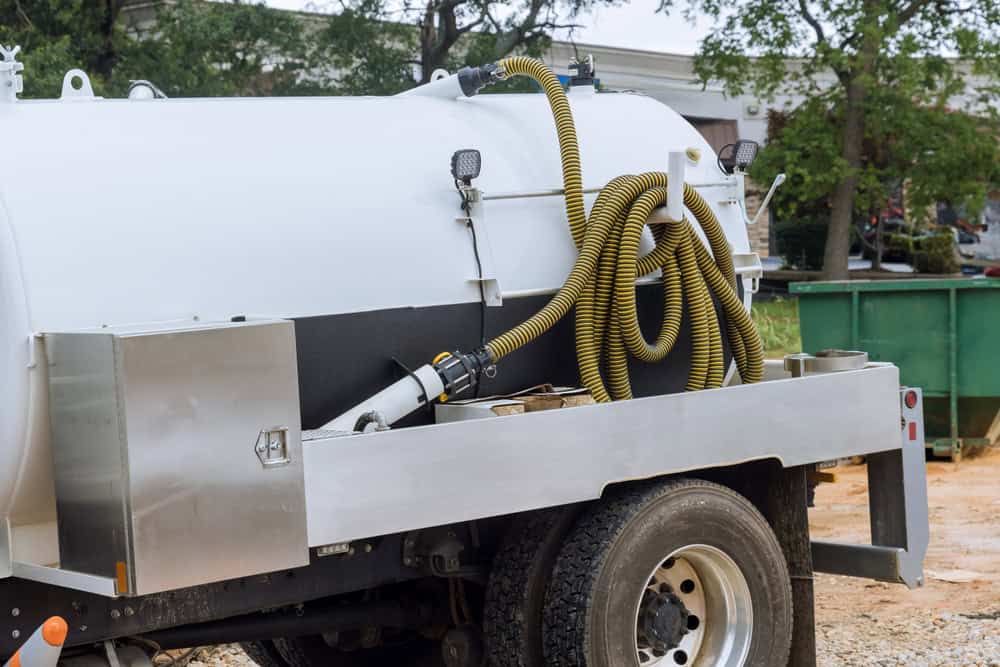
Our high-pressure vacuum equipment removes all the waste, then we use water jetting to break up compacted solids and clean tank walls. This complete cleanout restores full capacity and prevents the buildup that leads to premature system failure.
After pumping, you get a clear assessment of your system’s condition. If we spot potential problems—worn components, cracks, drain field issues—we explain what you’re looking at and what your options are. No surprises six months later, no emergency calls that could have been prevented.
Ready to get started?
We handle everything your septic system needs: routine pumping and maintenance, emergency repairs, system inspections, and complete installations. For Sea Cliff homeowners, this comprehensive approach matters because your area has unique environmental requirements.
The village has invested millions protecting waterfront areas from septic contamination. Properties with private systems face higher standards and stricter oversight than ever before. We stay current on all local regulations and help you maintain compliance without the bureaucratic headaches.
Nassau County’s grant program offers up to $20,000 for homeowners upgrading to nitrogen-reducing systems. If your current system is aging or causing recurring problems, these grants can make advanced treatment surprisingly affordable. We handle the technical requirements and walk you through the qualification process if upgrading makes sense for your situation.
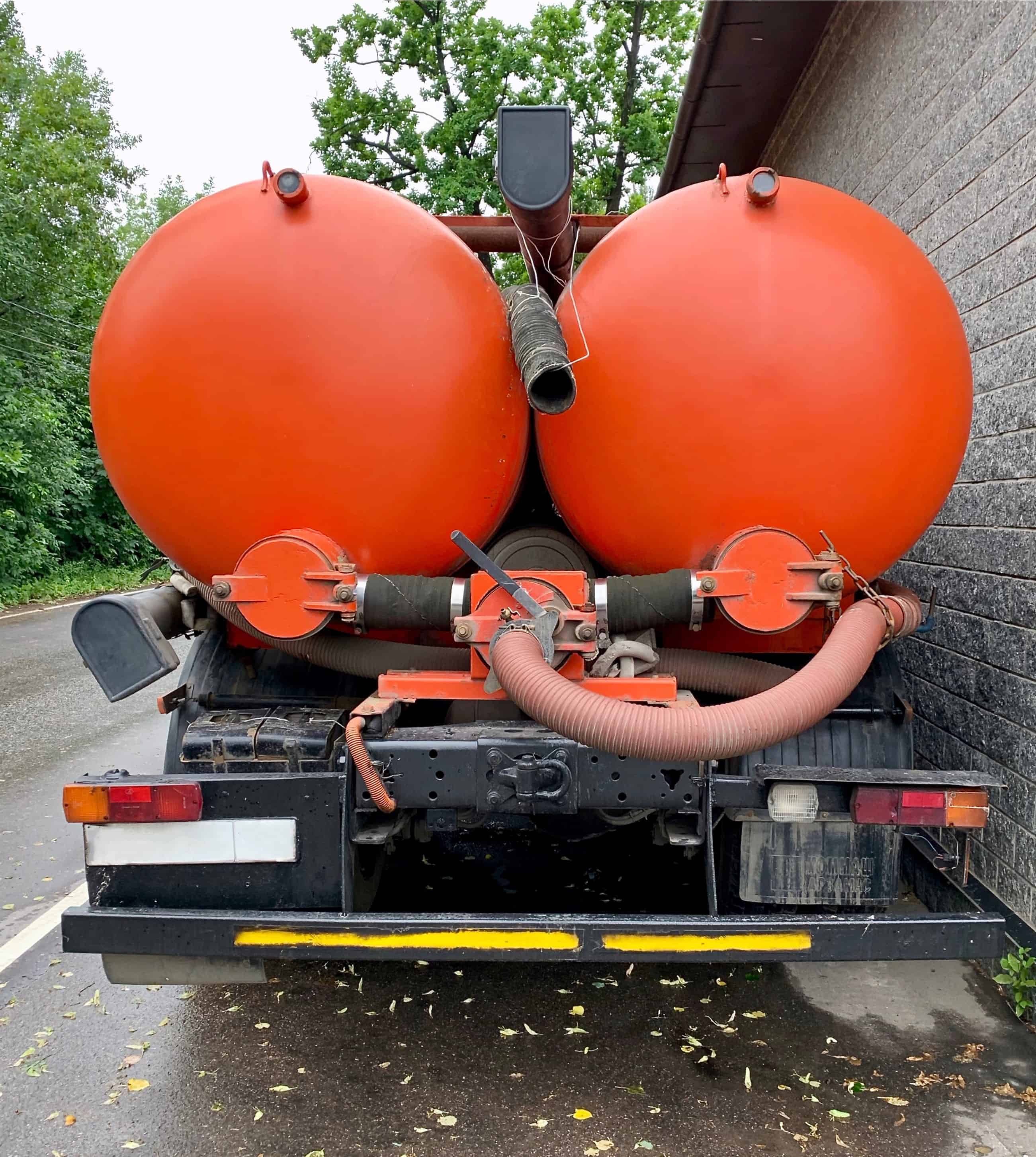
Most Sea Cliff homeowners need septic tank pumping every 3-5 years, but your specific schedule depends on household size and water usage patterns. A family of four with a standard 1,000-gallon tank typically needs service every 3-4 years, while smaller households might stretch it to five years safely.
Nassau County requires septic inspections every three years, which gives you a good compliance baseline. But don’t wait for your scheduled service if you notice slow drains, gurgling sounds, or sewage odors around your drain field. These are early warnings that your tank is getting full or developing problems.
We recommend scheduling your next service while we’re at your property. This prevents the “out of sight, out of mind” problem that turns routine maintenance into expensive emergencies.
The most serious warning signs are sewage backups in your home, standing water near your drain field, and strong sewage odors outside your house. These indicate system failure that needs immediate professional attention to prevent health hazards and property damage.
Earlier warning signs include slow-draining fixtures, gurgling sounds when water drains, and sewage odors coming from indoor drains. If you notice these symptoms, especially if it’s been more than three years since your last pumping, don’t wait to call for service.
In Sea Cliff’s environmentally sensitive area, ignoring these signs can lead to groundwater contamination that brings regulatory problems on top of repair costs. Early intervention almost always costs less than waiting for complete system failure.
Nassau County offers grants up to $20,000 through their S.E.P.T.I.C. program for homeowners upgrading to nitrogen-reducing septic systems. To qualify, you need an existing septic system or cesspool, and your property must be located in an eligible area determined by the county.
The program covers up to 75% of eligible costs for enhanced treatment systems, which can actually make upgrading more affordable than basic repairs in many cases. You’ll need both a design professional and certified installer from the county’s approved lists.
We help homeowners understand whether their property qualifies and guide them through the application process. The grants are competitive, but for homeowners dealing with aging systems or recurring problems, they offer a path to modern treatment that protects both your property value and local water quality.
When your septic system fails a required inspection, you typically have a specific timeframe to address the issues before facing penalties. The exact requirements depend on what caused the failure—maintenance issues, structural problems, or inadequate system capacity.
Minor issues like needing pumping, filter cleaning, or basic repairs can usually be resolved quickly and cost-effectively. More serious problems like cracked tanks, failed drain fields, or undersized systems require extensive repairs or complete replacement.
We work with property owners to understand their options and develop the most cost-effective solutions. Sometimes a failed inspection actually opens doors to grant funding for system upgrades that wouldn’t have been available otherwise. Our goal is getting you back in compliance efficiently while protecting your long-term investment.
Septic tank pumping in Sea Cliff typically costs $300-600, depending on your tank size, accessibility, and how long it’s been since the last service. We provide upfront pricing with no hidden fees, so you know exactly what you’re paying before we start work.
Septic repair costs vary based on the scope of work needed. Minor repairs might cost a few hundred dollars, while complete system replacement can run $3,000-10,000 depending on site conditions, system type, and local permit requirements.
The key is catching problems early through regular maintenance. A $400 pumping service every few years prevents the $7,000+ emergency replacements that happen when systems are neglected. We always provide detailed estimates and explain all your options so you can make informed decisions about your property.
Yes, we provide 24/7 emergency septic services throughout Sea Cliff and Nassau County. Septic emergencies don’t wait for business hours, and sewage backups or system failures need immediate attention to prevent health hazards and extensive property damage.
We typically arrive on-site within 30 minutes for emergency calls in the Sea Cliff area. Our service trucks carry the equipment needed to handle most urgent situations, from pumping overflowing tanks to clearing blocked distribution lines.
Emergency service rates are higher than scheduled maintenance, but when you’re dealing with sewage in your home or yard, rapid response is worth the premium. We focus on getting your system functional again quickly, then work with you on any follow-up septic repair or maintenance needed to prevent future emergencies.