
Hear from Our Customers
Your septic system works quietly in the background until it doesn’t. When that happens, you’re looking at sewage in your basement, terrible smells that announce your problems to the whole neighborhood, and repair bills that can hit $30,000.
Regular septic tank maintenance removes the sludge buildup that causes these disasters. Your system processes waste efficiently instead of backing up into your home or yard. You avoid the nightmare scenarios and protect your investment.
Most importantly, you’re not staring down a massive system replacement because neglect destroyed what proper maintenance could have preserved.
We’ve been handling septic system maintenance across Nassau County for years. We understand how Long Island’s soil conditions and high water table affect your septic system’s performance.
Farmingdale’s unique soil characteristics mean some systems need different attention than others. We know the local regulations, the common issues, and what actually works in this area.
During every service, we check your tank’s structural condition and note any issues that need attention. Many septic problems start small and become expensive when ignored.
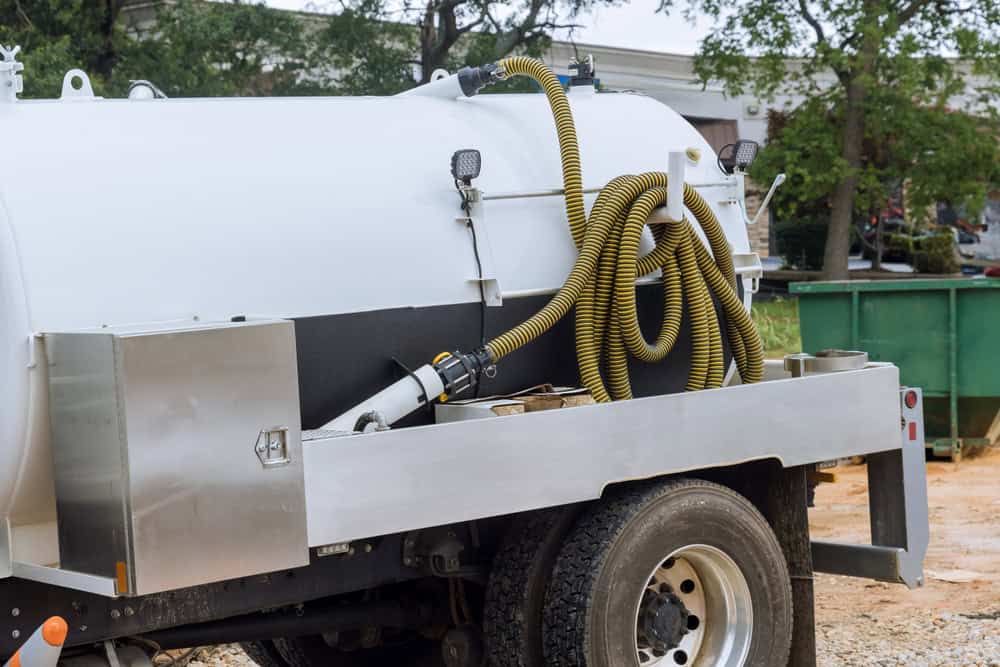
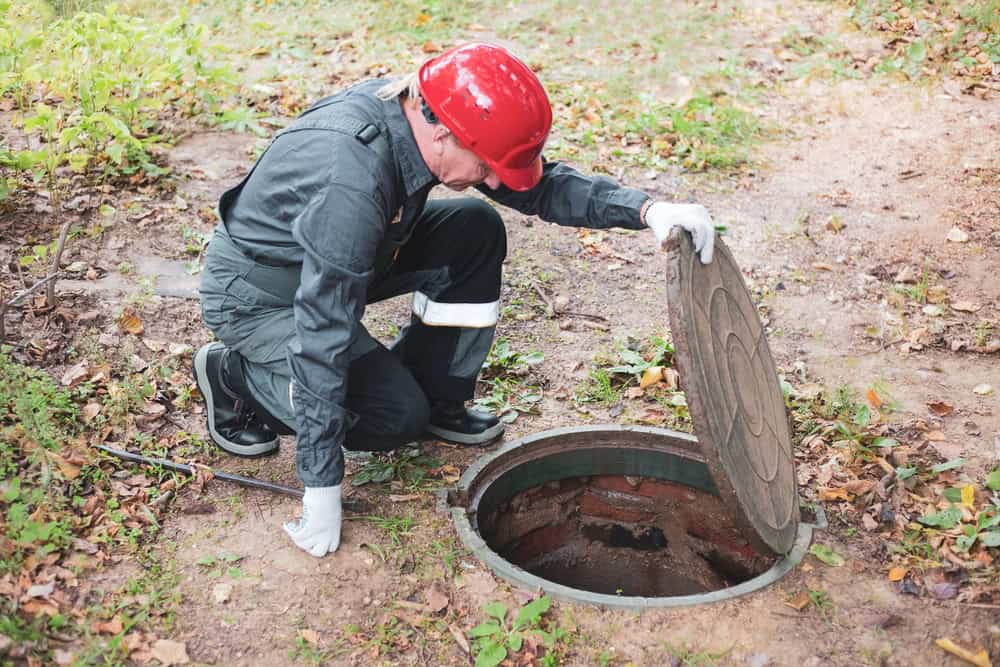
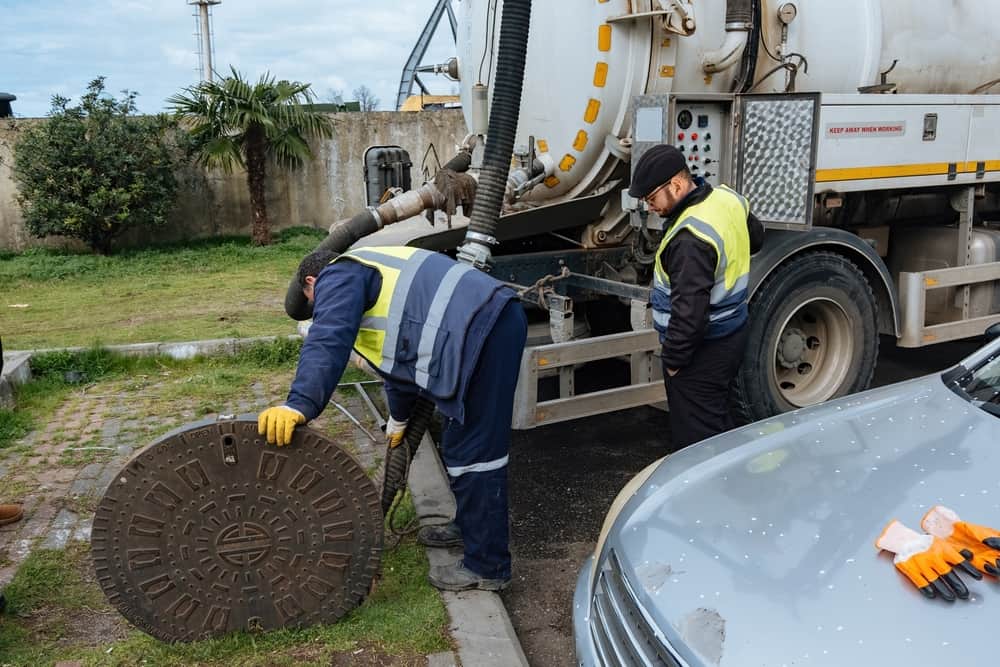
First, we locate and uncover your septic tank access ports. Our truck positions close enough to reach your tank without damaging your landscaping or driveway.
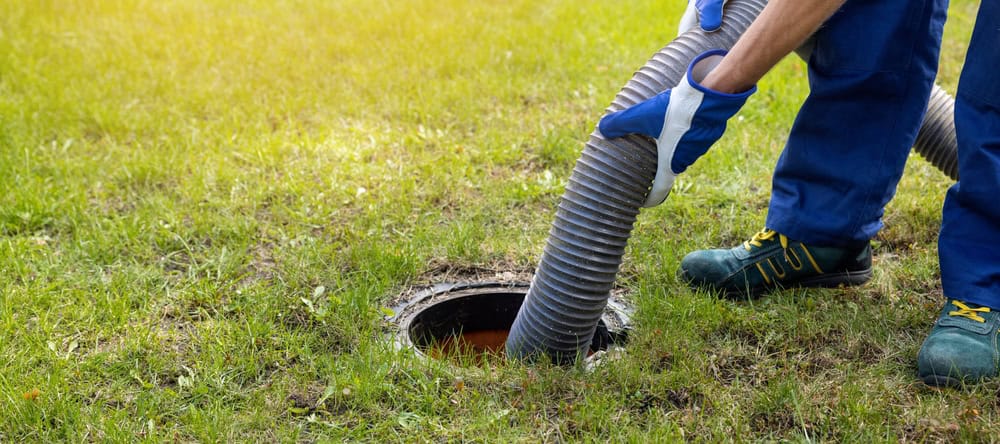
We pump out all liquid and solid waste using professional vacuum equipment. This isn’t just skimming the top – we remove the sludge layer at the bottom and the scum layer floating on top.
Then we inspect your tank’s condition, checking for cracks, damaged baffles, or other issues that could cause problems. After pumping, we give you a clear picture of your system’s health and when you should schedule your next service. The whole process typically takes 30-45 minutes, and we clean up completely before we leave.
Ready to get started?
Our septic tank services include complete waste removal, thorough tank inspection, and realistic maintenance scheduling based on your specific usage patterns. We don’t just pump and leave – we make sure you understand what’s happening with your system.
In Farmingdale, septic tank pumping typically costs between $300-600, depending on tank size, accessibility, and current condition. We provide upfront pricing before starting work, so you know exactly what you’re paying.
Most Farmingdale homes need pumping every 3-5 years, but your specific timeline depends on household size and usage. We’ll inspect your tank during service and give you a maintenance schedule based on your actual sludge accumulation rate, not generic recommendations that don’t fit your situation.
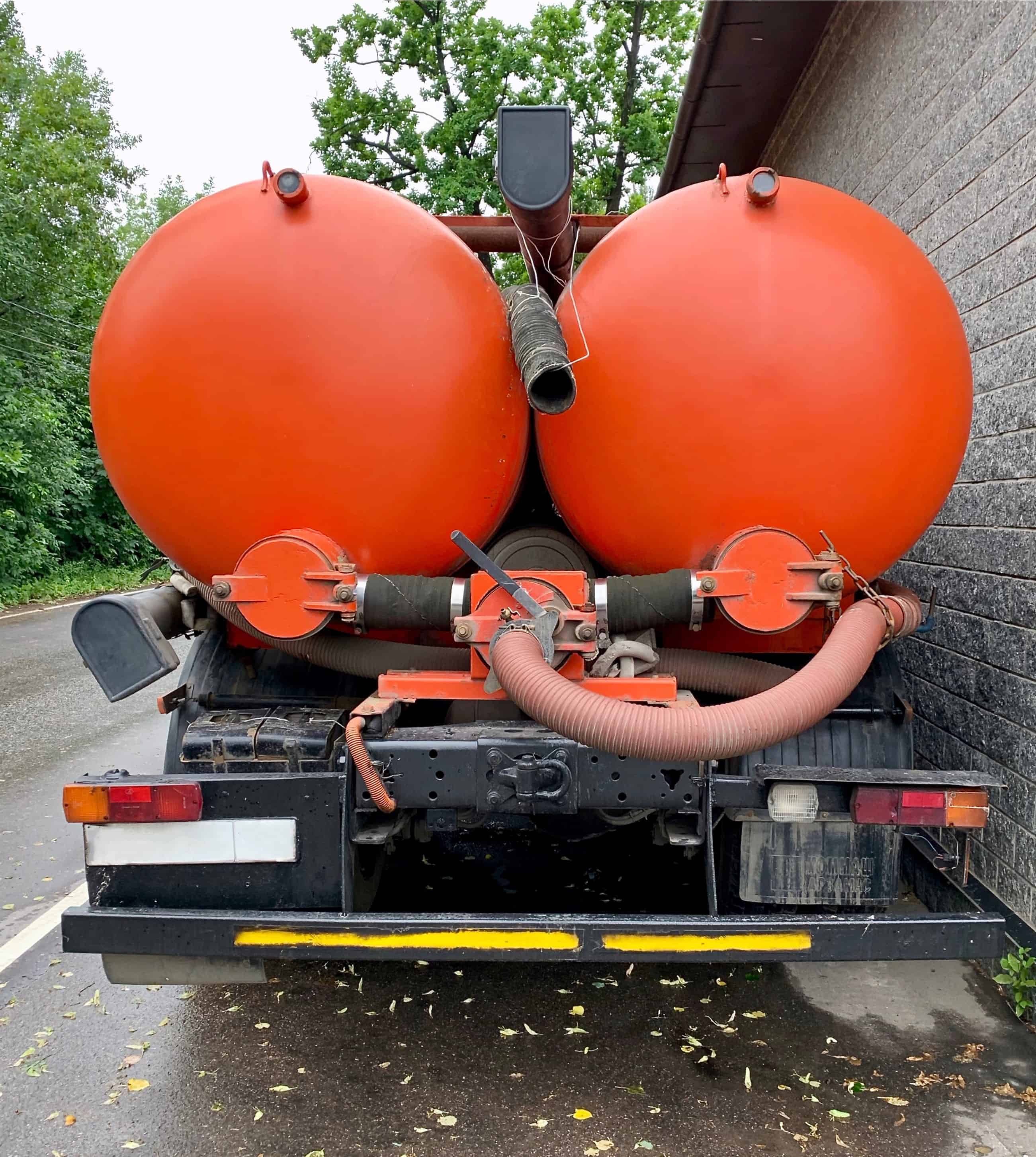
Most Farmingdale homes need septic pumping every 3-5 years, but your specific timeline depends on household size, water usage, and tank size. A family of four with a 1,000-gallon tank typically needs pumping every 3-4 years.
Larger tanks or smaller households can go longer between services. We’ll inspect your tank during pumping and give you a realistic timeline based on your actual sludge accumulation rate. Farmingdale’s soil conditions mean some systems need more frequent attention than others, so we base recommendations on your actual usage and tank condition, not some generic schedule.
Septic tank pumping in Farmingdale typically costs between $300-600, depending on your tank size, accessibility, and current condition. Tanks that are difficult to access or haven’t been pumped in many years may cost more due to extra time and effort required.
We provide upfront pricing before starting work, so you know exactly what you’re paying. Emergency pumping may include additional fees, but we’ll explain all costs clearly before beginning service. The investment in regular pumping prevents much more expensive problems – system replacements can cost $15,000-30,000.
Septic pumping requires specialized vacuum equipment, proper waste disposal methods, and knowledge of system components that most homeowners don’t have. Licensed professionals have the right equipment, disposal permits, and experience to do the job correctly.
Cheaper services often cut corners by not fully emptying tanks or skipping the inspection process. Improper pumping can damage your system or create environmental violations. We completely remove both the sludge layer at the bottom and the scum layer on top, then inspect your tank’s condition to catch potential problems early.
Without regular pumping, sludge and scum build up until your system can’t process waste efficiently. This leads to sewage backing up into your home, soggy drain fields, and that awful smell that tells the whole neighborhood something’s wrong.
More seriously, you’re looking at a $15,000-30,000 system replacement because neglect destroyed what could have been maintained. The buildup can also cause environmental violations as untreated waste contaminates groundwater. Regular maintenance every 3-5 years prevents these disasters and protects your investment.
Warning signs include slow draining sinks and toilets, sewage odors around your property, gurgling sounds in plumbing, and pooling water near your septic tank or drain field. If sewage is backing up into your home, your tank needs immediate attention.
However, you shouldn’t wait for these warning signs. By the time you notice problems, damage may already be occurring. Most systems need pumping every 3-5 years regardless of symptoms. We’ll inspect your tank during service and give you a realistic timeline for your next pumping based on your actual usage patterns.
Yes, we stay current with Nassau County’s septic system regulations and understand how Long Island’s unique conditions affect your system. The high water table and sandy soil here create specific challenges that require local expertise.
New regulations require septic system inspections every five years, with potential fines for non-compliance. We’re familiar with these requirements and can help ensure your system meets current standards. We also understand the grant programs available for system upgrades – the state now provides up to $25,000 for enhanced septic systems that reduce nitrogen pollution.