
Hear from Our Customers
You sleep better knowing your septic system won’t fail when you least expect it. Your toilets flush normally, your drains work properly, and you’re not worried about sewage backing up into your basement during the next heavy rain.
Your septic tank gets pumped on schedule, not when it’s already overflowing. You know exactly when your next service is due, and you’ve got a local company that actually shows up when we say we will.
No more holding your breath every time someone flushes the toilet. No more explaining to houseguests why they can’t use certain bathrooms. Just a septic system that works the way it’s supposed to work.
Quality Cesspool has been handling septic tank pumping and maintenance throughout Syosset and Nassau County for years. We understand how Long Island’s soil conditions affect septic systems, and we know the local regulations that matter to homeowners.
We’re not the guys who show up late, leave a mess, or try to sell you services you don’t need. We pump your tank, inspect your system, and give you straight answers about what’s working and what isn’t.
Most Syosset homeowners need their septic tanks pumped every 3-5 years, depending on household size and usage. We keep track of your service schedule so you don’t have to guess when it’s time.
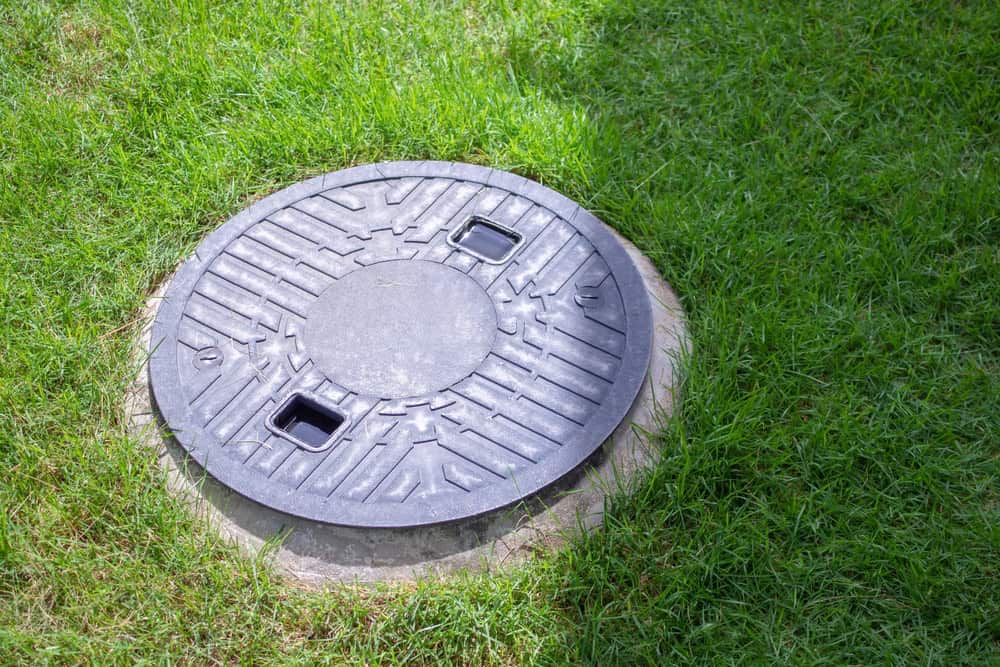
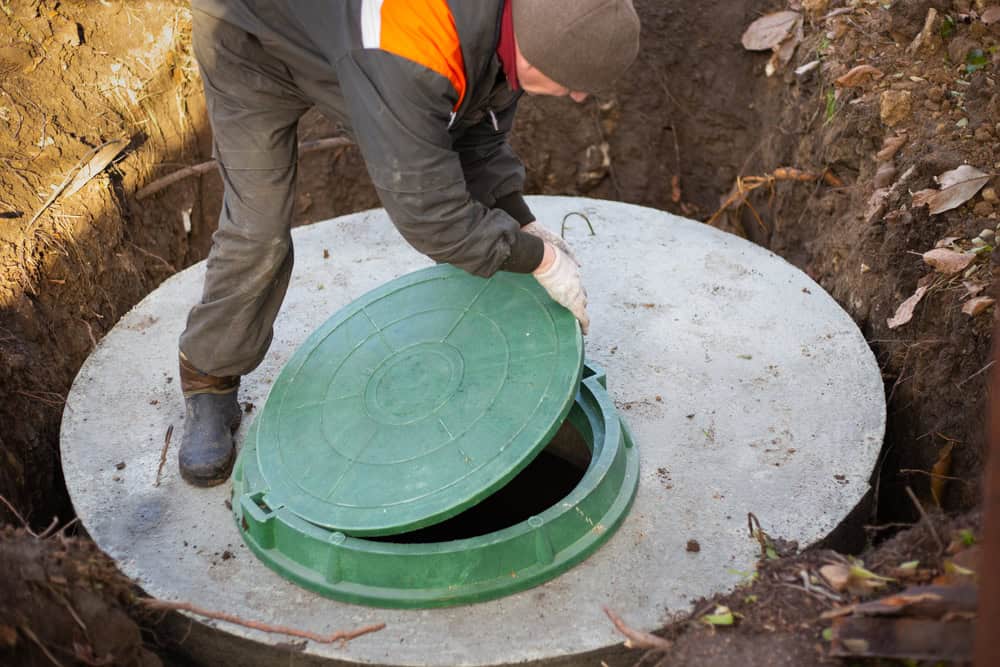
First, we locate and uncover your septic tank access ports. We inspect the tank before pumping to check for any obvious issues with baffles, inlet/outlet pipes, or the tank structure itself.
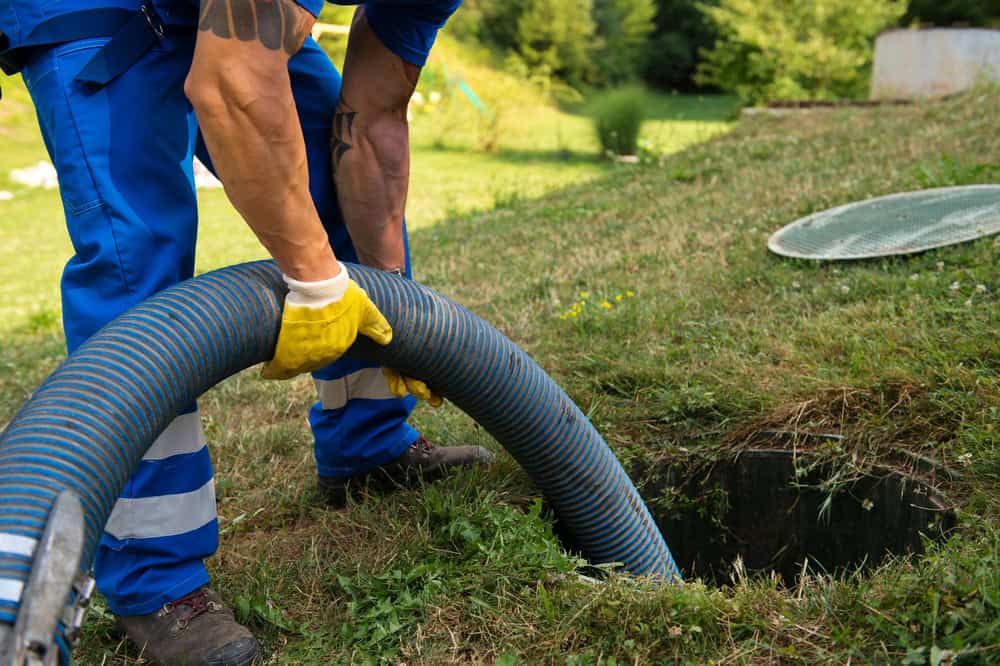
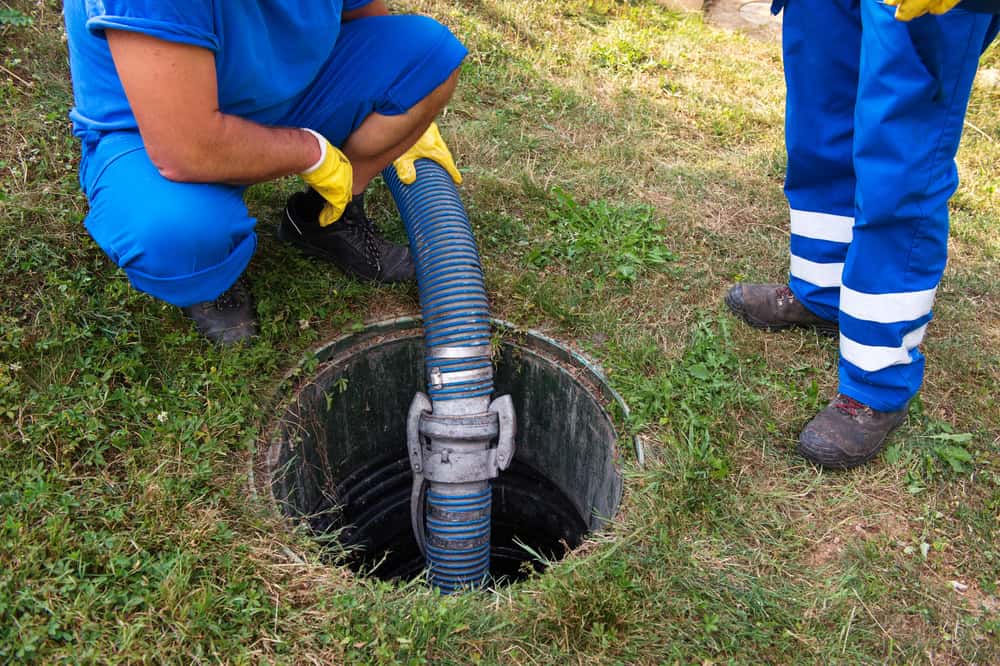
Next, we pump out all the liquid and solid waste using professional vacuum equipment. This isn’t just about removing what’s floating on top – we remove everything so your system can function properly.
After pumping, we inspect the tank again to look for cracks, damaged components, or signs that your system might need attention. We’ll let you know if we see anything that could cause problems down the road, but we’re not trying to sell you repairs you don’t need.
Ready to get started?
Every septic tank pumping includes a complete removal of all waste, professional disposal at licensed facilities, and a basic inspection of your tank and system components. We check inlet and outlet baffles, look for signs of damage, and measure sludge levels.
In Syosset, we’re familiar with the mix of older and newer septic systems throughout the area. Many homes built in the 1960s and 70s have concrete tanks that need different handling than newer plastic or fiberglass systems.
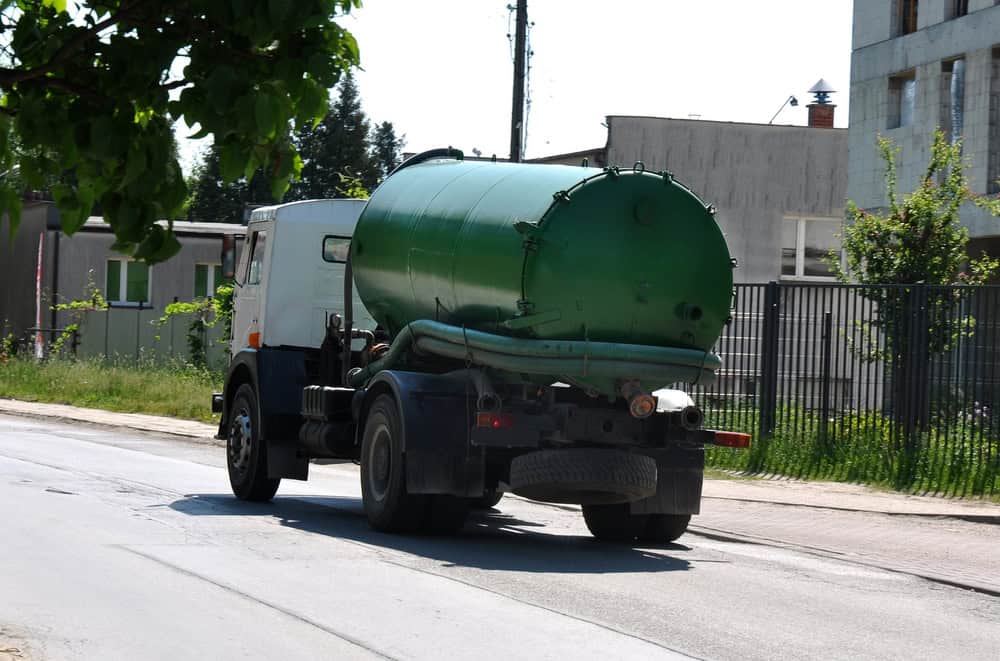
We also understand Nassau County’s requirements for septic waste disposal. All waste gets transported to approved treatment facilities – never dumped illegally or inappropriately. You get documentation of proper disposal with every service.
Most Syosset homeowners need septic tank pumping every 3-5 years, but it depends on your household size and water usage. A family of four typically needs pumping every 3-4 years, while smaller households might go 4-5 years between services.
If you’re using a garbage disposal regularly, have teenagers taking long showers, or run multiple loads of laundry daily, you’ll need more frequent pumping. We can help you figure out the right schedule based on your actual usage patterns.
The key is staying ahead of problems. Waiting until your system backs up or shows signs of failure usually means you’re looking at expensive repairs, not just routine maintenance.
Slow drains throughout your house are often the first sign your septic tank is getting full. If multiple drains are sluggish – not just one clogged sink – your tank probably needs attention.
Bad smells around your septic tank area or drain field, especially after rain, usually mean your system is overloaded. You might also notice wet spots or unusually green grass over your drain field, which indicates effluent is reaching the surface.
The worst sign is sewage backing up into your house through floor drains, toilets, or basement fixtures. If this happens, stop using water immediately and call for emergency service. This level of backup can cause serious property damage and health hazards.
Septic tank pumping in Syosset typically costs between $300-600, depending on your tank size, accessibility, and how full it is. Larger tanks or tanks that are difficult to access might cost more.
Most residential tanks hold 1,000-1,500 gallons, and standard pumping for these sizes falls in the middle of that range. If your tank hasn’t been pumped in many years and is completely full, it might take longer and cost slightly more.
We give you the exact price upfront – no surprises or hidden fees. Emergency weekend or holiday service costs more than scheduled maintenance, which is why we recommend staying on a regular pumping schedule.
Technically possible, but not recommended for several reasons. Professional septic pumping requires specialized vacuum equipment that most homeowners don’t have access to, and the equipment rental costs often approach what professional service costs.
More importantly, septic tanks contain dangerous gases like methane and hydrogen sulfide that can be deadly in enclosed spaces. Professional pumpers have safety equipment and training to handle these hazards safely.
You also need to dispose of septic waste at licensed facilities – you can’t just dump it anywhere. We handle all the disposal paperwork and requirements, ensuring everything meets Nassau County regulations.
Skipping regular pumping leads to solid waste building up until it blocks your outlet pipe or flows into your drain field. Once solids reach your drain field, they clog the soil and prevent proper drainage.
This usually means sewage backing up into your house through the lowest drains – typically basement floor drains or toilets. The cleanup costs alone can run thousands of dollars, not counting potential damage to flooring, walls, and belongings.
Eventually, you’ll need drain field replacement, which can cost $15,000-30,000 in the Syosset area. Regular pumping every 3-5 years prevents these expensive failures and keeps your system working for decades.
Yes, we provide septic tank pumping year-round, including winter months. Septic problems don’t wait for good weather, and emergency backups are actually more common in winter when frozen ground prevents proper drainage.
Winter pumping requires extra care because frozen ground makes tank access more difficult, and we need to work quickly to prevent pumping equipment from freezing. We come prepared with the right equipment for cold weather conditions.
If you’re due for pumping in late fall, it’s better to schedule before the ground freezes hard. But if you need emergency service in January, we’ll be there. Septic emergencies in winter are messy and expensive, so don’t wait if you’re having problems.