
Hear from Our Customers
When your septic system works properly, you don’t think about it. No slow drains backing up during dinner prep. No mysterious odors drifting across your yard when you’re trying to enjoy your deck. No panic when guests are coming and your toilet won’t flush properly.
Regular septic tank pumping keeps your system running efficiently for years. You avoid the nightmare scenarios—raw sewage backing up into your basement, soggy patches of grass that smell terrible, or emergency repairs that cost thousands more than routine maintenance.
Most Greenlawn homeowners need pumping every 3-5 years, but Long Island’s sandy soil means you might need service more frequently. We’ll check your tank’s condition and give you a realistic timeline for your next service, so you can plan ahead instead of dealing with emergencies.
We’ve been handling septic pumping and maintenance for Greenlawn homeowners who need reliable service without the runaround. We’re a four-generation family business with over ten years serving Long Island properties.
We understand how Long Island’s sandy soil affects septic systems and what that means for your maintenance schedule. You’re not getting a generic approach from a company that services everywhere. We know the local conditions, the common issues that pop up in this area, and how to handle your septic system properly the first time.
When you call us, you’re working with people who’ve seen every type of septic situation Greenlawn throws at us. We show up when we say we will, explain what we’re doing, and give you straight answers about your system’s condition.
First, we locate and uncover your septic tank access ports. Many homeowners aren’t sure exactly where their tank sits or how to access it properly—that’s normal, and we handle this part completely.
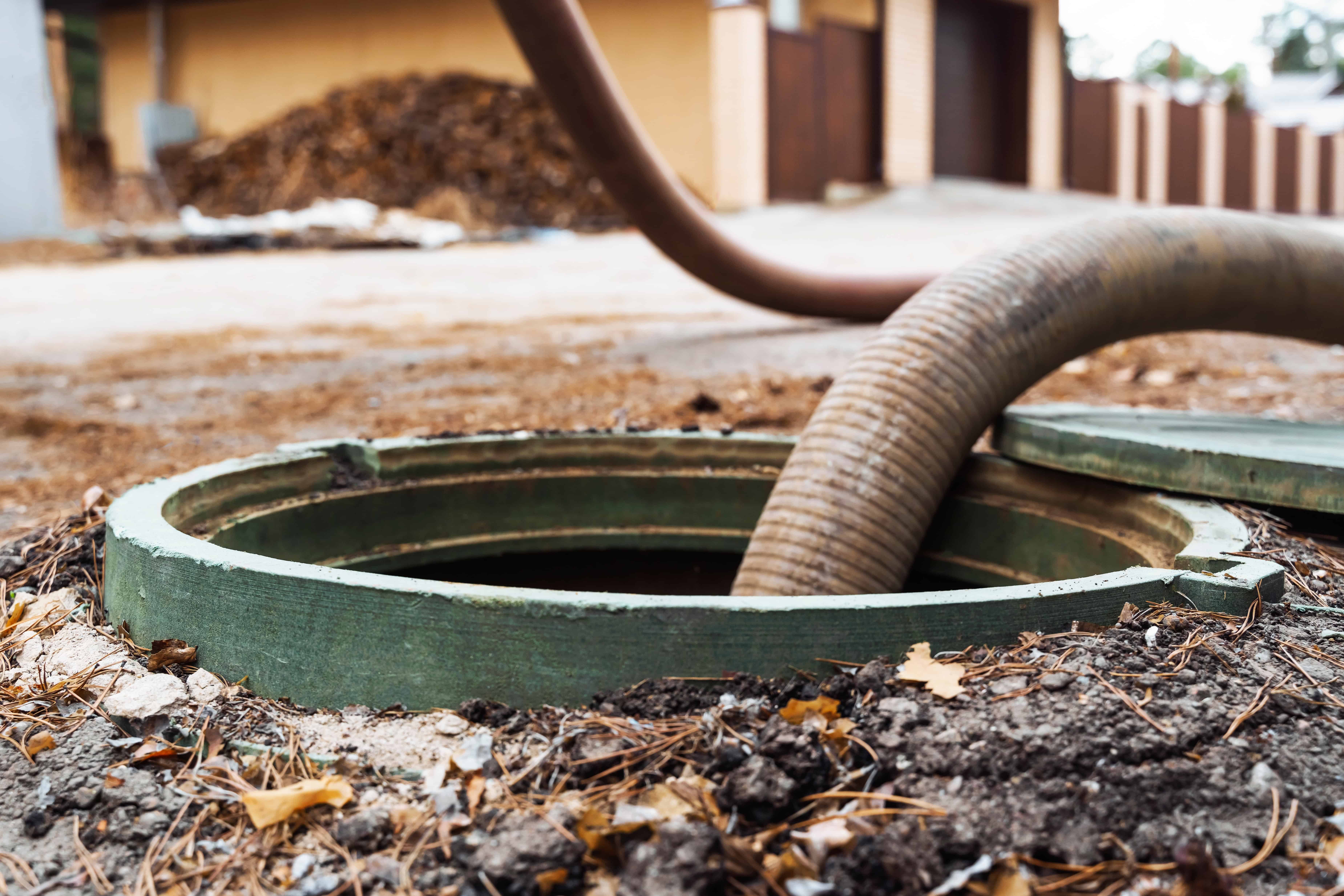
Your septic tank pumping includes complete removal of all accumulated solids and liquids, not just a partial cleaning. We bring professional vacuum equipment that handles the job thoroughly, so your system gets the full benefit of the service.
We also include a basic inspection of your tank’s condition, checking for obvious structural issues, problems with baffles, or other concerns that could affect your system’s performance. You’ll get straightforward information about what we see—no inflated problems or unnecessary alarm. After the work, we explain what we found and give you a realistic timeline for your next service.
Ready to get started?
Our septic tank services cover emergency pumping when your system backs up, routine maintenance pumping every 3-5 years, and complete septic system installations for new construction or failed systems. We handle the messy work properly—pumping tanks completely, disposing of waste according to environmental regulations, and cleaning up the work area when we’re done.
For Greenlawn properties, we understand the local soil conditions and how they affect drain field performance. Long Island’s sandy soil drains quickly but doesn’t filter solids as effectively, which is why many local septic professionals recommend pumping every 2-3 years instead of the standard 3-5 year schedule.
We know which systems work best in this area and can spot problems that other contractors might miss. Many Greenlawn properties have tanks that haven’t been pumped in years, sometimes decades. If that’s your situation, don’t worry—we’ve handled plenty of severely overloaded systems and know how to clean them properly without damaging your tank or the surrounding area.
Most Greenlawn homes need septic tank pumping every 3-5 years, but your specific timeline depends on household size and water usage. A family of four typically needs pumping every 3-4 years, while smaller households might go 4-5 years between services.
However, Long Island’s sandy soil affects how your system processes waste. Because the soil drains so quickly, it doesn’t trap solids as effectively, and those solids can move into your drain field faster. That’s why many local professionals recommend pumping every 2-3 years instead of the standard 3-5 year schedule.
If you use a garbage disposal frequently, have a hot tub, or do lots of laundry, you’ll need more frequent pumping. We can assess your tank’s current condition and give you a realistic schedule based on how your household actually uses the system, not just generic recommendations.
Slow drains throughout your house are usually the first sign your septic tank is getting full. You might notice toilets that don’t flush completely, sinks that drain slowly, or gurgling sounds from your plumbing.
Bad smells around your septic tank or drain field area are another clear indicator. If you see standing water or unusually green grass over your septic system, that’s a sign of problems that need immediate attention.
Call immediately if you have sewage backing up into your house, toilets that won’t flush, or strong sewage odors around your property. Don’t wait on these issues—septic emergencies get worse quickly and can create serious health hazards. The sooner you address septic problems, the less expensive and disruptive the repairs will be.
Septic tank pumping in Greenlawn typically costs between $300-600, depending on tank size, accessibility, and how full your tank is. Tanks that haven’t been pumped in many years take longer and cost more because they require more time and effort to clean properly.
If your tank is hard to access or buried deep, that affects pricing too. Emergency service calls cost more than scheduled maintenance, which is why we recommend staying on a regular pumping schedule.
We give you upfront pricing before starting work—no surprises or hidden fees. The cost of routine pumping is much less than dealing with septic system failures or emergency repairs that can run into thousands of dollars.
Yes, we provide emergency septic tank services throughout Greenlawn when you have urgent problems like backups, overflows, or complete system failures. Septic emergencies don’t wait for business hours, and neither do we.
We respond quickly to prevent health hazards and property damage. Whether it’s a sewage backup in your basement, overflowing toilets, or strong odors that indicate system failure, we’re available to handle these urgent situations.
Our emergency response includes complete system assessment, immediate pumping if needed, and temporary solutions to get your system functioning while we plan any necessary repairs. We understand that septic emergencies are stressful and disruptive, so we work efficiently to restore your system and your peace of mind.
Long Island is built on sandy soil that drains quickly, which sounds good for septic systems but actually creates unique challenges. While the soil drains liquids well, it doesn’t filter and trap solid particles as effectively as other soil types.
This means solids from your septic tank can move through the soil faster and potentially reach your drain field before they’re fully broken down. It’s like having a coffee filter with holes that are a little too big—things pass through that should stay behind.
Because of this, many Greenlawn properties need more frequent pumping than the standard 3-5 year schedule. We understand these local soil conditions and how they affect your system’s performance, so we can provide maintenance schedules that actually work for your specific property and Long Island’s unique environment.
Your septic tank pumping includes complete removal of all accumulated solids and liquids, not just a partial cleaning. We bring professional vacuum equipment that handles the job thoroughly, so your system gets the full benefit of the service.
We also include a basic inspection of your tank’s condition, checking for obvious structural issues, problems with baffles, or other concerns that could affect your system’s performance. We check your inlet and outlet pipes and look for any signs of damage or wear that could cause problems later.
After the work, we explain what we found, show you any issues that need attention, and give you a realistic timeline for your next service. No scare tactics, no overselling—just the facts about your septic system’s condition. We handle all waste disposal according to environmental regulations and clean up the work area when we’re done.