
Hear from Our Customers
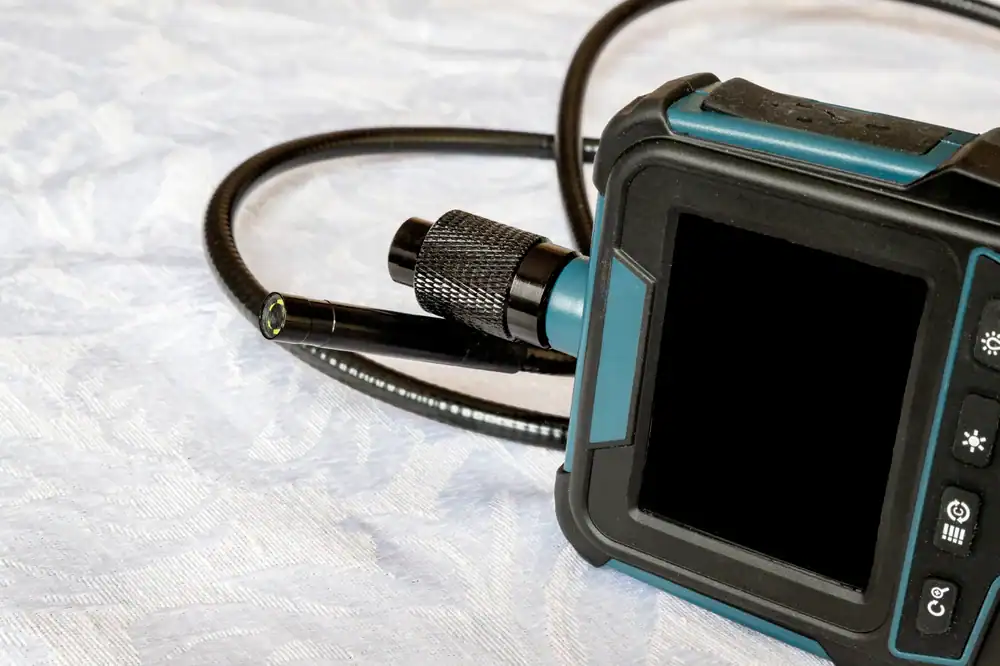
You’re not guessing anymore. A sewer line video inspection gives you real-time footage of what’s going on inside your pipes—whether it’s a small crack that needs sealing or a full blockage that’s been building for months.
Most Baywood homeowners don’t think about their cesspool until there’s a backup in the yard or a failed inspection during a home sale. By then, you’re looking at emergency pricing and limited options. A camera inspection catches problems early, when they’re still cheap to fix.
The camera tracks the exact location of any issue down to the foot. That means no digging up half your property to find the problem. You see what we see, and you make decisions based on actual conditions—not estimates or assumptions.
We’ve been serving Suffolk County families since 1998. We’re a four-generation family business, and we’ve seen just about every cesspool and septic issue Long Island soil and water tables can throw at a system.
Baywood’s sandy soil and high water table create specific challenges for underground systems. We know how cesspools age here, what fails first, and what actually needs attention versus what can wait. That kind of knowledge doesn’t come from a manual—it comes from decades of work in your neighborhood.
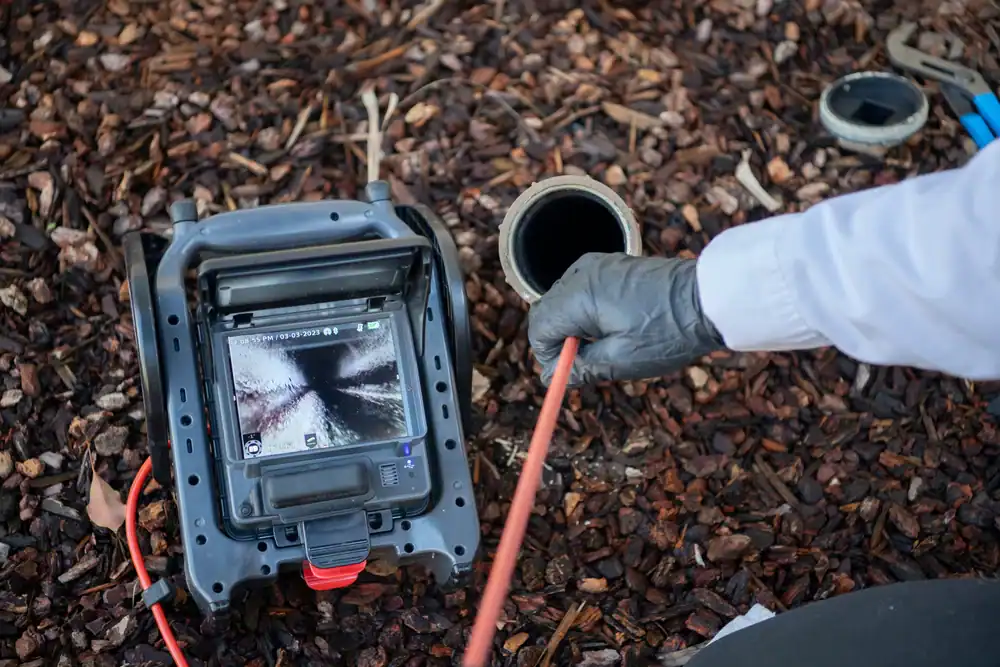
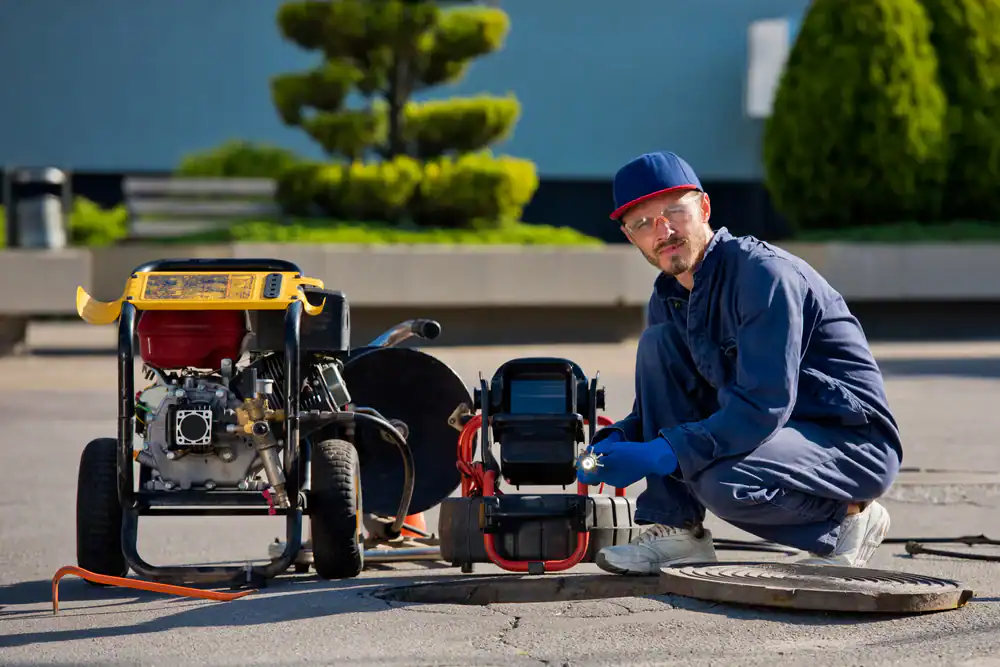
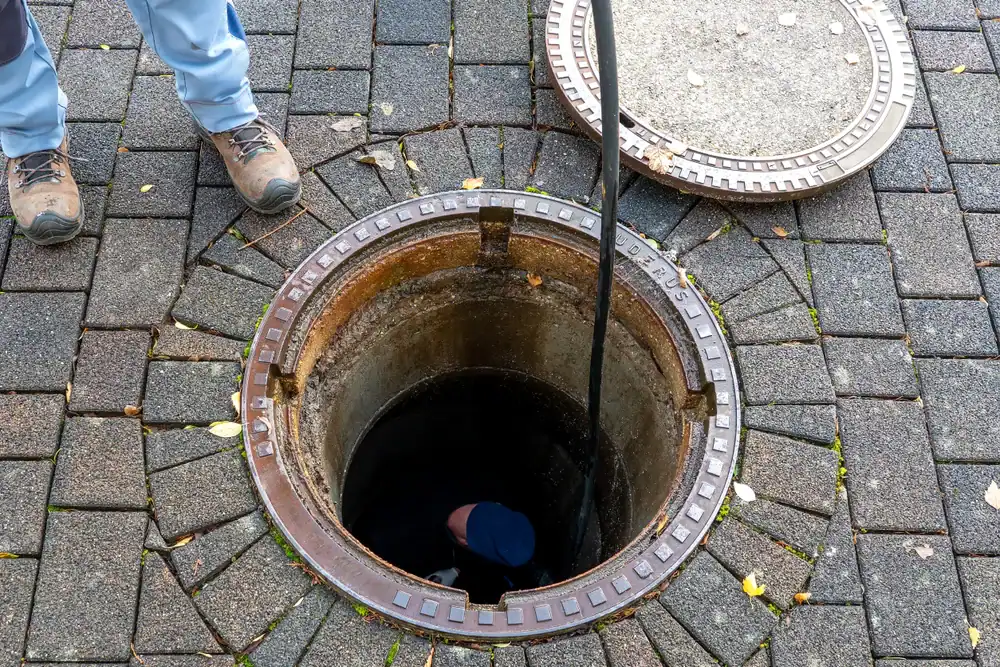
We start by accessing your system through an existing cleanout or access point—no digging required at this stage. A waterproof camera attached to a flexible line gets fed through your pipes, recording everything it passes.
You’re watching the footage in real time. We’re pointing out what matters: cracks, root intrusion, buildup, corrosion, or blockages. The camera has a locator that tracks its position underground, so if there’s a problem, we know exactly where it is—down to the foot.
Once the inspection is complete, you get a copy of the footage and a clear explanation of what we found. If repairs are needed, you’ll know what they are, where they are, and what they’ll cost. If everything looks good, you’ve got documentation and peace of mind.
Ready to get started?
The inspection covers your entire system—from the house connection to the cesspool or septic tank. We’re looking for anything that affects flow or structural integrity: blockages, root penetration, pipe separation, cracks, corrosion, or improper slope.
In Baywood, we see a lot of older cesspools that are 15 to 20 years into their lifespan. That’s when deterioration starts showing up. A camera inspection catches it before you’re dealing with a collapse or a contamination issue that brings the county to your door.
You also get digital footage and reporting—useful if you’re buying or selling a home, need documentation for your mortgage lender, or want a second opinion. It’s becoming standard practice for real estate transactions in Suffolk County, especially with the new regulations around cesspool replacements. As of 2019, if your cesspool fails, you can’t replace it with another cesspool—you’re upgrading to a full septic system. Knowing what you’re working with before that happens saves you from surprise costs.
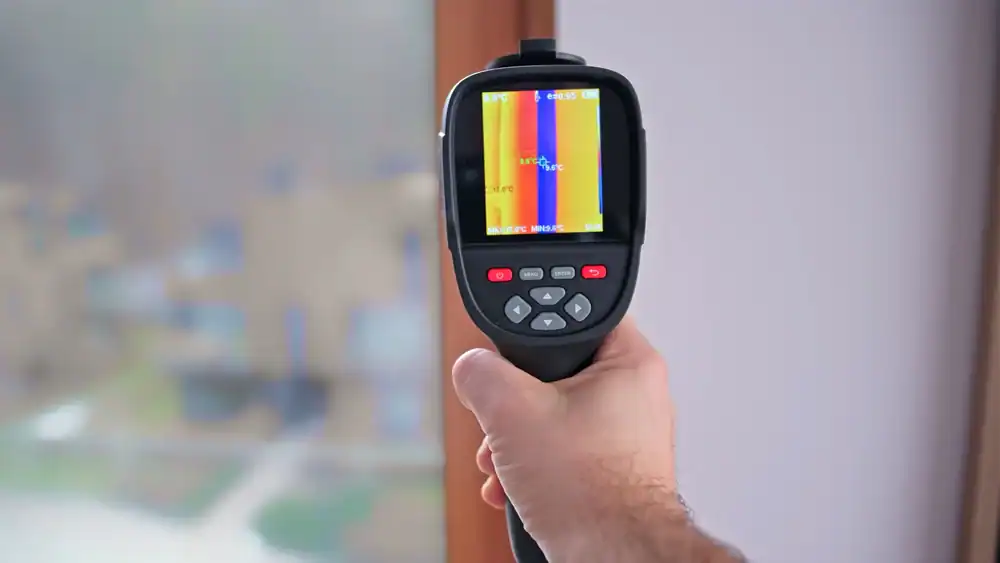
Most camera inspections in the Baywood area run between $200 and $400, depending on the size of your system and how much line we’re inspecting. That’s a fraction of what you’d pay for an emergency repair or a full system replacement.
If you’re buying a home, some inspectors include a basic sewer scope as part of the home inspection package. But if you want a thorough pipe condition assessment from someone who specializes in cesspools and septic systems, it’s worth scheduling a separate inspection. You’re getting footage of the entire system, not just a quick look at the main line.
Compare that to emergency repairs, which average around $1,775 in Suffolk County, or a full cesspool replacement that starts at $7,000 and can go past $20,000 depending on the system. A camera inspection is cheap insurance.
If the home has a cesspool or septic system, yes. You need to know what you’re inheriting before you close. A failed or failing system can delay your closing, kill your financing, or saddle you with a five-figure repair bill within months of moving in.
Most mortgage lenders now require a septic inspection for homes that aren’t on municipal sewer. A camera inspection goes further—it shows you the actual condition of the pipes and tank, not just whether the system is currently functional. You’re looking for cracks, root intrusion, corrosion, and structural issues that a standard flow test might miss.
In Baywood, where many homes rely on older cesspools, this is especially important. If the system is near the end of its lifespan, you’ll want to negotiate that into the sale price or walk away. Better to know now than after you’ve signed.
The camera catches anything that affects your system’s performance or longevity. Common issues we find include tree root intrusion, pipe cracks or separations, blockages from grease or debris buildup, corroded or collapsed pipes, and improper installation or slope that causes drainage problems.
In Baywood, root intrusion is a big one. Long Island’s sandy soil makes it easy for roots to work their way into older pipes, especially if there are any existing cracks or weak joints. Once roots get in, they grow fast and create blockages that lead to backups.
We also see a lot of older cesspools with structural deterioration—cracks in the tank walls or distribution boxes that are starting to fail. Catching that early means you can plan for a replacement on your timeline, not during an emergency when your yard is flooded and you’re paying premium rates for immediate service.
Most inspections take between 30 minutes and an hour, depending on the size of your system and how much line we’re running the camera through. If we find a problem and need to investigate further, it might take a bit longer.
You’re welcome to watch the footage in real time. A lot of homeowners prefer that—it’s your system, and you should see what’s going on. We’ll walk you through what we’re looking at and answer any questions as we go.
After the inspection, you’ll get a copy of the footage and a written summary of what we found. If repairs are needed, we’ll give you a clear estimate with no pressure. If everything looks good, you’ve got documentation for your records.
Yes. The camera can spot cracks, separations, and other damage that lead to leaks. We’re looking for any signs of water escaping the pipe or groundwater seeping in—both are problems that need attention.
Locating underground pipe leaks without a camera used to mean digging up large sections of your yard and hoping you found the problem. Now, the camera pinpoints the exact location of the damage, so repairs are targeted and less invasive. You’re not tearing up your landscaping or driveway unless it’s absolutely necessary.
In Baywood, where the water table is high, leaks can cause bigger problems than just wasted water. A leaking cesspool can contaminate groundwater, which brings environmental regulations into play. Suffolk County takes that seriously, and violations come with fines and mandatory repairs. A camera inspection helps you stay ahead of that.
We’ll show you exactly what we found, where it is, and what it means for your system. Then we’ll give you a clear estimate for the repair—no guessing, no upselling. You’ll know what needs to happen and what it costs before any work starts.
Some problems are minor. A small crack might just need sealing. A blockage might clear with hydro jetting. Other issues, like a collapsed pipe or a failing cesspool, require more involved repairs or replacement. Either way, you’re making decisions based on real information, not assumptions.
If you’re not ready to move forward right away, that’s fine. You’ve got the footage and the estimate, and you can get a second opinion if you want. But at least you know what you’re dealing with, and you can plan accordingly instead of waiting for an emergency.
Other Services we provide in Baywood