
Hear from Our Customers
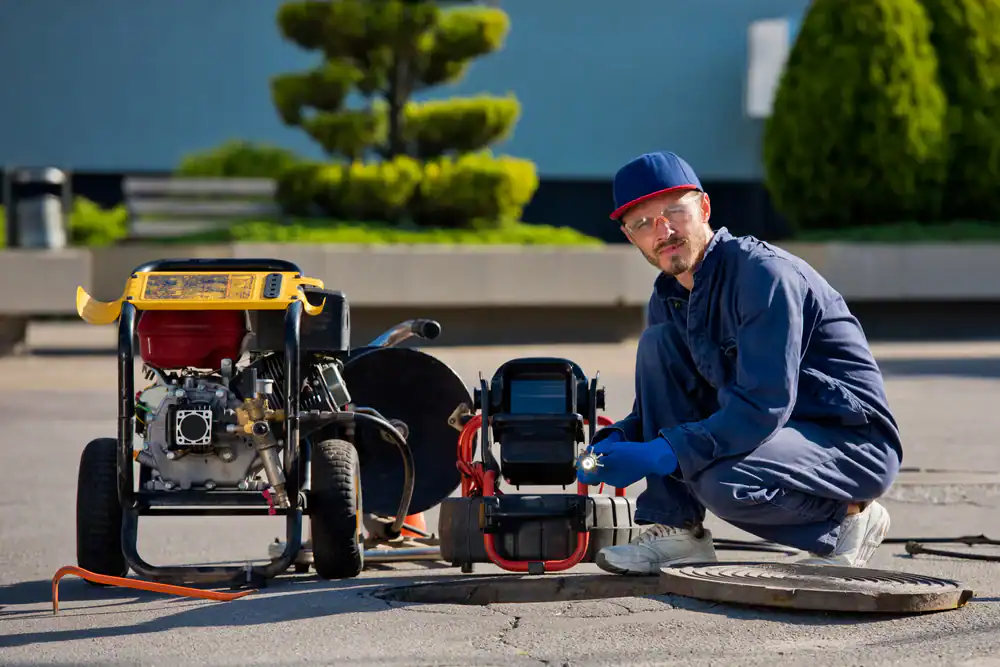
You’re not calling because everything’s fine. Something’s backing up, draining slow, or smelling like a problem you can’t see. A sewer line video inspection gives you the actual answer without ripping up your driveway or landscaping to find it.
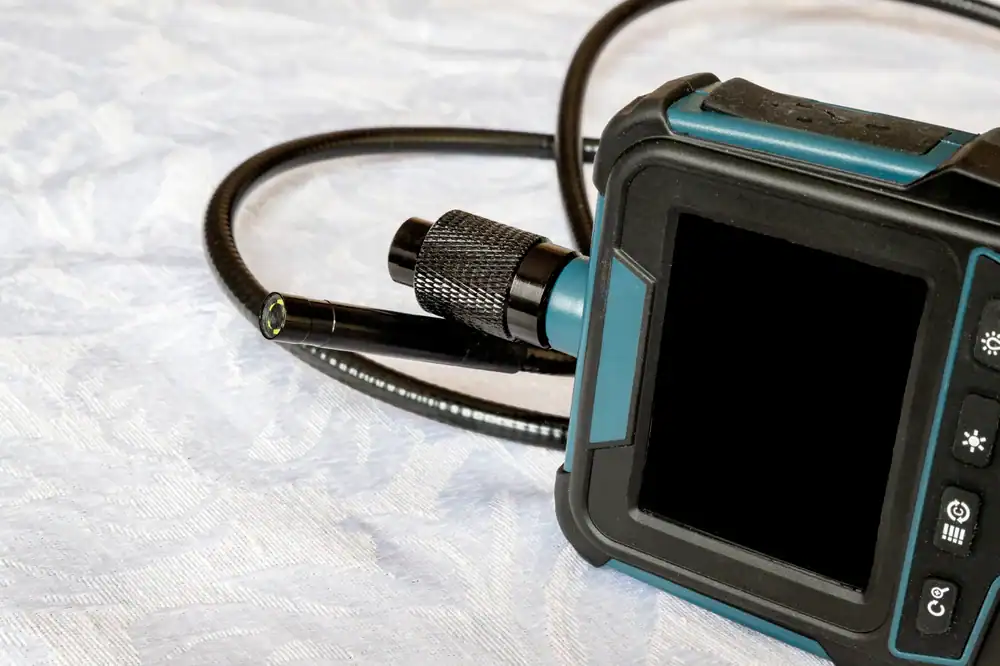
We send a fiber-optic camera through your pipes and you see what we see—roots growing through joints, collapsed sections, grease buildup, or cracks letting groundwater in. No more guessing whether it’s a clog or something structural. No more paying for a repair that doesn’t fix the real issue.
You get digital footage and reporting that shows the problem, where it is, and what it’ll take to fix it. That’s how you make a decision based on facts, not fear.
We’re a family-owned company that’s been handling septic and cesspool work across Belle Terre and Suffolk County for over a decade. We’re licensed, insured, and available 24/7 because system failures don’t wait for business hours.
Belle Terre homes weren’t built yesterday. Many properties here have older septic systems, cesspools that have been in the ground for decades, and pipes running under mature landscaping. That means you need someone who knows how these systems age, what fails first, and how to diagnose problems without destroying your property in the process.
We’re not the cheapest option, and we’re fine with that. You’re paying for accurate diagnostics, real answers, and a crew that shows up when they say they will.
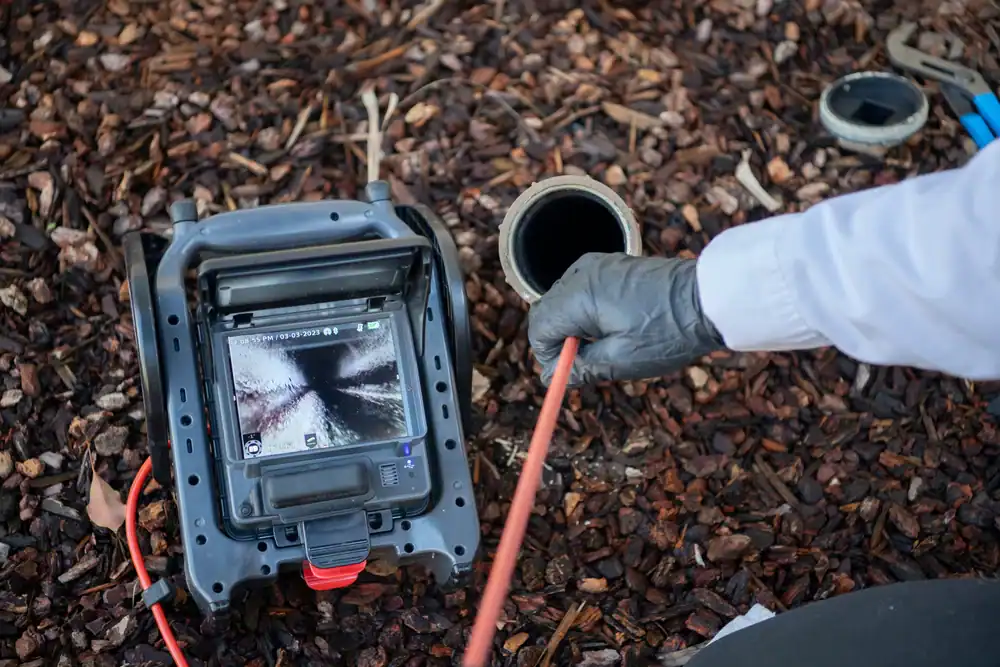
We start by locating your access point—usually a cleanout or an entry point near your septic tank or cesspool. From there, we feed a waterproof camera on a flexible line through your pipes. The camera sends live footage to a monitor so you can watch along with us.
As the camera moves through, we’re looking for cracks, blockages, root intrusion, grease buildup, bellied pipes, or any structural damage. We mark the depth and location of any issues so if you need a repair, we know exactly where to dig. No exploratory excavation. No trial and error.
You get a full report with video documentation. If it’s a simple clog, we can usually handle that right away. If it’s something bigger, you’ll know what it is, where it is, and what your options are before anyone touches a shovel.
The whole process usually takes less than an hour unless we’re dealing with a complicated system or multiple problem areas. Either way, you walk away with real information.
Ready to get started?
A camera inspection isn’t just about finding clogs. It’s about understanding the full condition of your underground pipes before something catastrophic happens. You’re getting a diagnostic tool that catches problems early—when they’re still fixable without a full system replacement.
In Belle Terre, where properties sit on larger lots with established trees and older infrastructure, root intrusion is one of the most common issues we find. Roots grow into pipe joints looking for water, and once they’re in, they create blockages that get worse over time. A camera inspection spots that before you’re dealing with a backup in your basement.
We also catch things like offset pipes from ground settling, grease accumulation that’s choking your line, or cracks that are letting groundwater flood your system. These are the issues that cause repeated backups even after you’ve had the line cleared. Locating underground pipe leaks early means you’re fixing the cause, not just treating symptoms.
You get the footage. You get a written report. And if you need to file an insurance claim or provide documentation for a property sale, you have everything you need.
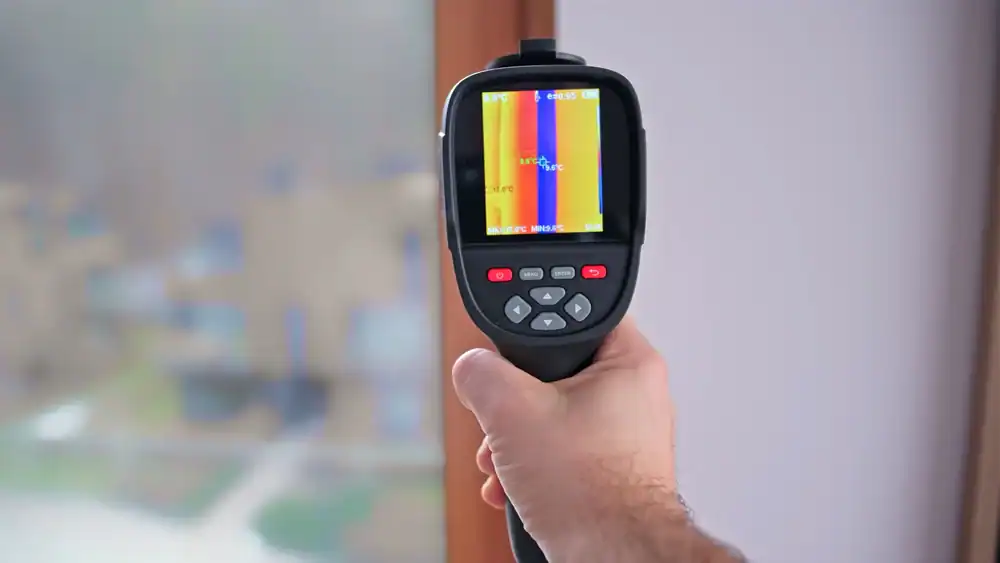
Most camera inspections run between $300 and $500 depending on the length of the line and how accessible your system is. If we’re already out for a service call and you want to add an inspection, we can usually work that into the same visit.
The cost covers the equipment, the technician’s time, and the full report with video documentation. If we find a problem that needs immediate attention and you decide to move forward with the repair the same day, we’ll credit part of the inspection fee toward the work. We’re upfront about pricing before we start.
It’s not a small expense, but compare that to digging up 50 feet of pipe because you’re guessing where the problem is. Or paying for a repair that doesn’t actually solve the issue because no one looked inside the line first. The inspection pays for itself if it saves you even one unnecessary excavation.
If you’re dealing with slow drains, frequent backups, or sewage odors that won’t go away, that’s the obvious time. But there are other situations where it makes sense even if nothing’s actively broken.
Before you buy a property, especially an older one in Belle Terre, a camera inspection shows you what you’re inheriting. Septic systems and cesspools aren’t cheap to replace, and sellers aren’t always aware of problems lurking underground. You want to know before you close.
If you’ve had the same line cleared multiple times in a short period, that’s a red flag. Repeated clogs usually mean there’s a structural issue—roots, a bellied pipe, or a crack. The camera will show you why the problem keeps coming back. And if you’re doing any major landscaping or construction near your septic system, it’s worth checking the condition of your pipes before heavy equipment starts moving around.
No. The camera is designed to move through your pipes without causing any damage. It’s a flexible, waterproof line with a small camera head on the end—nothing sharp, nothing that applies pressure to the pipe walls.
We’re not forcing anything through. If the camera hits a blockage or a collapsed section, we stop. That’s actually useful information because it tells us exactly where the problem is. The camera itself won’t make anything worse.
The only time we can’t complete a full inspection is if the line is completely blocked or collapsed to the point where the camera physically can’t pass through. In that case, we’ve still learned something valuable—you’ve got a serious obstruction that needs to be cleared or repaired before we can see what’s beyond it. But the camera itself isn’t going to crack a pipe or create a new problem.
Drain cleaning clears a blockage. A camera inspection shows you why the blockage happened and whether there’s a bigger issue you need to address. They’re two different services, and sometimes you need both.
If you call us for a backup, we can often clear the line with a snake or hydro jetting and get things flowing again. That solves the immediate problem. But if you want to know whether that clog was caused by grease buildup, root intrusion, or a cracked pipe that’s going to cause the same issue again next month, that’s what the camera is for.
A lot of customers will have us do the cleaning first, then run the camera afterward to see what we’re dealing with. That way the line is clear and we can get a full view of the pipe condition. If we find roots or structural damage, you can decide whether to do a spot repair now or just keep an eye on it. Either way, you’re making an informed decision instead of reacting to the next emergency.
Most residential camera systems can inspect up to 300 feet of pipe, which covers the majority of home septic and sewer lines. If your system is longer than that or has multiple branches, we may need to access it from different points to get full coverage.
The camera feeds through the line until it hits a blockage, a significant bend, or the end of the accessible section. We’re recording the whole time, so even if we can’t make it all the way to the street or the tank, we’re still gathering useful information about the condition of the line we can reach.
In Belle Terre, where lot sizes are larger and systems can be more spread out, we’ll talk through the layout of your property before we start. If there are multiple access points, we’ll use the ones that give us the best view of the areas you’re concerned about. The goal is to see as much of your system as possible and identify any problem areas that need attention.
You’ll see it. We set up the monitor so you can watch the inspection in real time as the camera moves through your pipes. We’ll point out what we’re seeing—whether that’s a clean line, a buildup of debris, roots coming through a joint, or a crack in the pipe.
Some customers want to stand there and watch the whole thing. Others would rather get the summary at the end. Either way, you’re not taking our word for it. You’re seeing the same footage we are.
After the inspection, you get a copy of the video and a written report that documents what we found and where we found it. That’s yours to keep. If you need it for insurance, for a contractor, or just for your own records, you have it. No one’s asking you to make a decision based on a verbal description. You’ll have the evidence right in front of you.
Other Services we provide in Belle Terre