
Hear from Our Customers
You’re not looking for a sales pitch. You need to know if your system is failing, where the problem is, and what it’ll cost to fix. A camera inspection gives you that answer in real time.
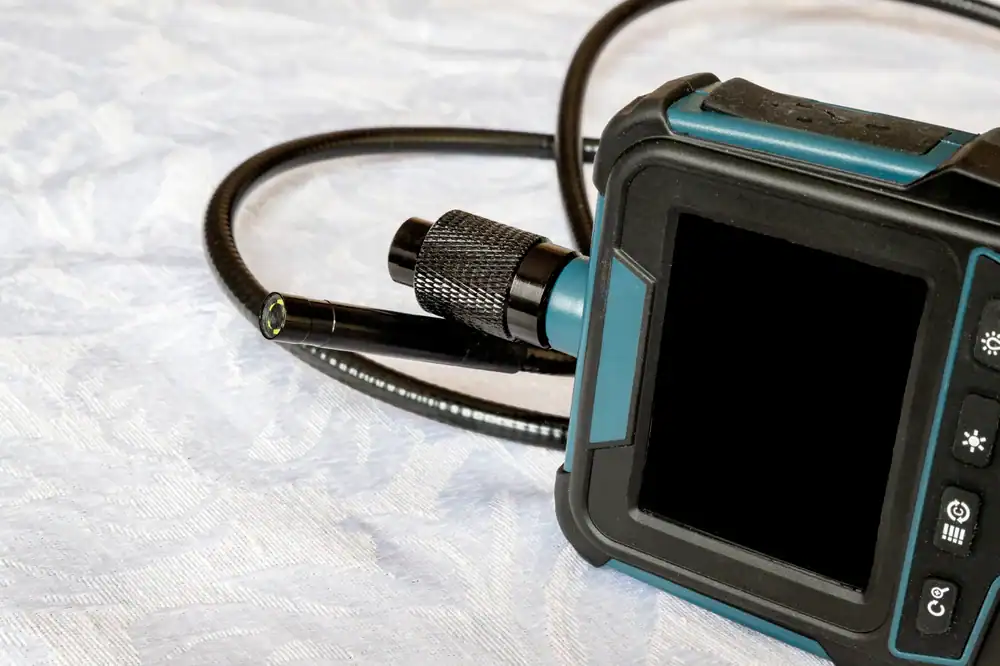
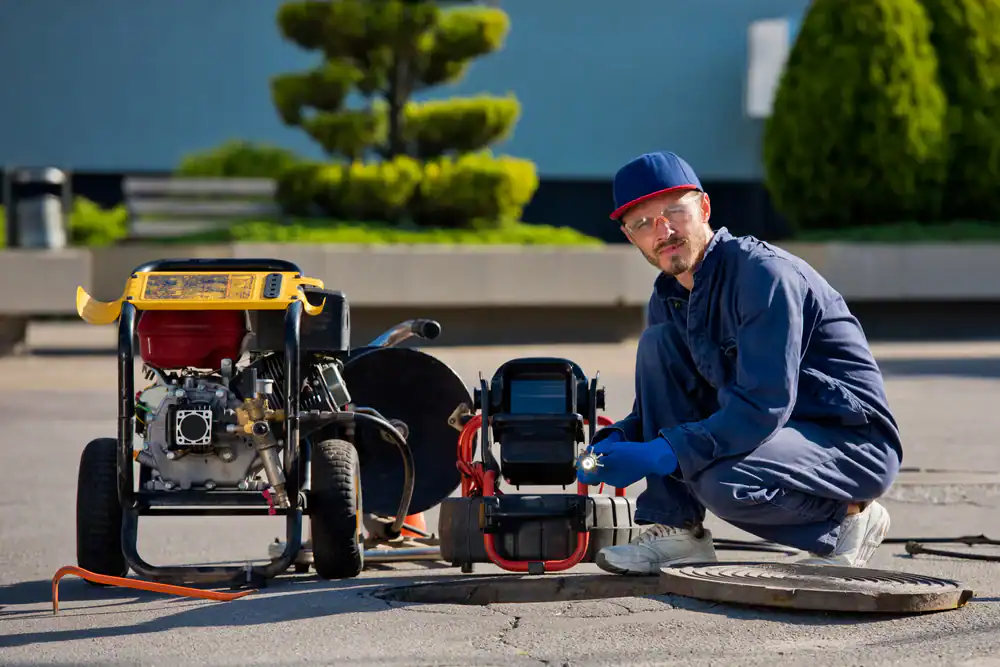
We run a high-definition camera through your sewer lines and cesspool to identify clogs, cracks, root intrusion, and deteriorating pipes. You see what we see. No hidden damage, no surprise costs later, and no tearing up your property to find the issue.
This is especially useful if you’re buying or selling a home in Carle Place, dealing with slow drains or gurgling toilets, or you’re up against Nassau County’s five-year inspection requirement. The camera shows the condition of your system so you can make informed decisions—whether that’s a simple repair, a pump-out, or planning for a replacement down the road.
We’ve been serving Carle Place homeowners for years, and we understand what makes this area different. The soil conditions here vary—some properties sit on clay that drains poorly, others on sand that moves wastewater too quickly toward groundwater. That affects how your system performs and what solutions actually work.
We also know Nassau County’s regulations inside and out. The mandatory five-year inspections, the documentation requirements, the grant programs offering up to $20,000 for qualifying upgrades—we help you navigate all of it. You’re not just getting a camera inspection. You’re getting someone who knows what to look for and how to interpret what we find based on your property and local requirements.
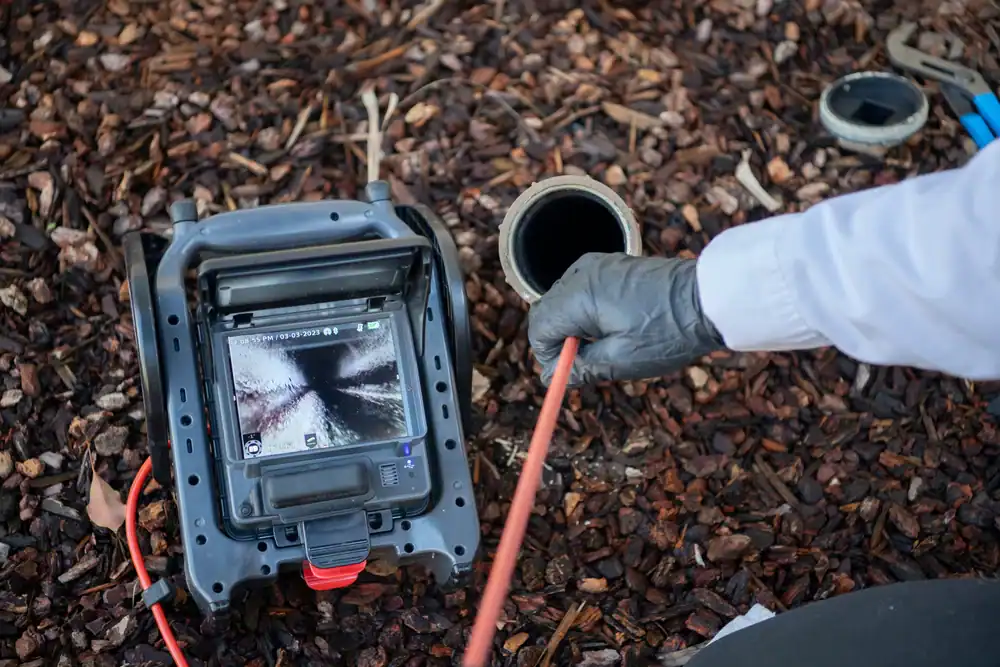
We start by accessing your sewer line or cesspool through an existing cleanout or access point. No digging required at this stage. Our self-leveling camera equipment handles pipes from 17mm up to 8 feet in diameter and can travel up to 750 feet through your system.
As the camera moves through, you can watch the live feed with us. We’re looking for blockages, cracks, root intrusion, grease buildup, water infiltration, and any structural damage to the pipes. The camera provides clear digital footage that shows exactly where problems are located and how severe they are.
After the inspection, you get a full report with digital footage and our assessment. If we find issues, we explain what needs to happen next—whether that’s hydro jetting to clear roots, spot repairs, or a larger system evaluation. If your system looks good, you have documentation proving it, which is valuable for compliance, resale, or just your own peace of mind.
Ready to get started?
The inspection itself typically costs between $300 and $500, depending on your system’s size and accessibility. Compare that to emergency repairs that run $8,000 to $15,000 when a system fails completely. Early detection means you control the timeline and the budget.
You receive digital footage and a written report documenting your system’s condition. This matters for Nassau County’s five-year inspection mandate—you need proof from a licensed professional that your system was evaluated. If you’re selling your home, buyers and inspectors will ask for this documentation. If you’re buying, you want to see it before closing.
In Carle Place specifically, we’re also looking at how your system interacts with local soil conditions and water tables. Properties near the Mineola border may have different drainage characteristics than those closer to Westbury. We factor that into our assessment and recommendations, so you’re not getting generic advice—you’re getting guidance that applies to your actual property and its environment.
Nassau County requires a professional inspection every five years for all cesspool and septic systems. That’s the legal minimum, and you’ll need documentation to prove compliance.
Beyond the requirement, you should consider an inspection anytime you notice warning signs—slow drains, gurgling toilets, sewage odors, or unusually green patches in your yard. These indicate your system is struggling, and catching problems early saves you from emergency repairs that cost significantly more.
If you’re buying or selling a home in Carle Place, get an inspection before closing. Buyers want proof the system works, and sellers want to avoid last-minute deal complications. A camera inspection gives both sides clear information about what they’re working with.
The camera identifies blockages from grease buildup, tree root intrusion, and debris accumulation. You’ll see exactly where the clog is and what’s causing it, which determines the best removal method.
We also catch structural issues—cracked pipes, collapsed sections, corroded materials, and joints that have separated. These problems let groundwater seep in or wastewater seep out, both of which create bigger issues if ignored. The camera shows the severity and location so repairs can be targeted instead of exploratory.
Other common findings include bellied pipes (sections that have sunk and now collect waste), improper slope that prevents drainage, and deterioration from age or soil conditions. In Carle Place, root intrusion is especially common given the mature trees throughout the area. The camera shows whether roots have penetrated joints or cracked through pipes, and how extensively they’ve spread through your system.
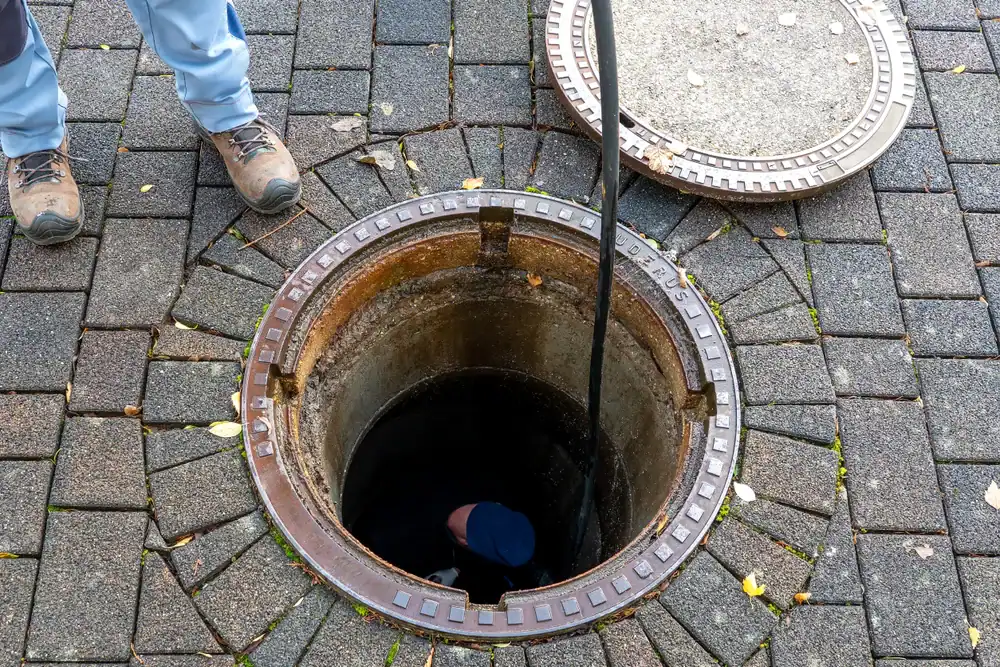
Yes. We access your system through existing cleanouts, inspection ports, or the main sewer line connection. The camera feeds through these access points and travels through your pipes without any excavation.
Digging only becomes necessary if we find damage that requires repair—and even then, the camera has already shown us exactly where to dig. Instead of trenching your entire yard to locate a problem, we go straight to the damaged section. That saves you time, money, and landscape restoration costs.
If your property doesn’t have an accessible cleanout, we may need to create one, but that’s a single small access point—not the extensive digging that used to be required before camera technology. Once installed, that cleanout makes future inspections and maintenance much easier.
You get a clear explanation of what’s wrong, how urgent it is, and what your options are. Not every problem requires immediate action, and we’ll tell you the difference between “this needs attention soon” and “this is an emergency.”
For blockages, we can often clear them with hydro jetting or mechanical snaking. For damaged pipes, you might need spot repairs on specific sections rather than replacing the entire system. If the damage is extensive or your system is failing, we’ll discuss replacement options and help you understand what Nassau County grant programs might offset costs—up to $20,000 is available for qualifying nitrogen-reducing system installations.
You also get documentation of the findings, which is important if you need to file for permits, apply for grants, or demonstrate to the county that you’ve had your system professionally evaluated. The footage and report give you a clear record of your system’s condition at the time of inspection.
Most residential inspections take one to two hours, depending on your system’s size and complexity. We’re not rushing—we’re making sure we cover the full system and identify any issues that need attention.
You can watch the camera feed in real time if you want to see what we’re finding. Some homeowners prefer to be present for that, others just want the final report. Either way works.
After the inspection, we’ll walk you through what we found, answer your questions, and give you the documentation. If repairs are needed, we can often schedule those quickly. If your system looks good, you have proof of that for compliance purposes or property records.
It’s not legally required for the transaction itself, but most buyers request it and most inspectors recommend it. A home inspection typically includes a visual check of the cesspool or septic system, but that doesn’t show what’s happening underground.
A camera inspection reveals the actual condition of the pipes and system components. If you’re selling, having recent inspection documentation ready shows the system has been maintained and gives buyers confidence. If you’re buying, you want to see that footage before you own the property—inheriting a failing cesspool system means inheriting a $10,000+ problem.
Given that the median home value in Carle Place is over $740,000, a $300-500 inspection is a small investment for clarity on a major system component. It’s also worth noting that Nassau County’s five-year inspection requirement means the system should have recent documentation anyway. If the seller can’t provide that, it’s a red flag worth investigating before closing.
Other Services we provide in Carle Place