
Hear from Our Customers
You’re not calling because everything’s fine. Something’s backing up, draining slow, or making sounds it shouldn’t. And the last thing you want is someone showing up, poking around, and saying “let’s try this” without actually knowing what’s wrong.
A sewer line video inspection gives you something most septic companies don’t: proof. You see the blockage, the crack, the root intrusion, whatever it is. The camera records footage as it moves through your line, and a foot counter tells us exactly how far in the problem sits. That means we know where to dig if we need to, or whether we can clear it without touching your yard at all.
You get a copy of the footage on a USB drive. Keep it for your records, show it to another contractor if you want a second opinion, or submit it to your lender if you’re buying or selling. It’s your system and your property—you should see what’s happening under it.
We’ve been serving Centereach and the rest of Suffolk County for nearly two decades. We’re not new to this, and we’re not trying to upsell you on services that don’t make sense for your system.
Long Island has some of the oldest septic infrastructure in the state. Centereach homes built in the 60s, 70s, and 80s are still running on original lines in many cases. That’s a lot of years for roots to grow, pipes to shift, and joints to separate. We’ve seen it all, and more importantly, we know how to read what the camera shows us.
You’re not just getting footage. You’re getting someone who knows what normal wear looks like versus what needs immediate attention.
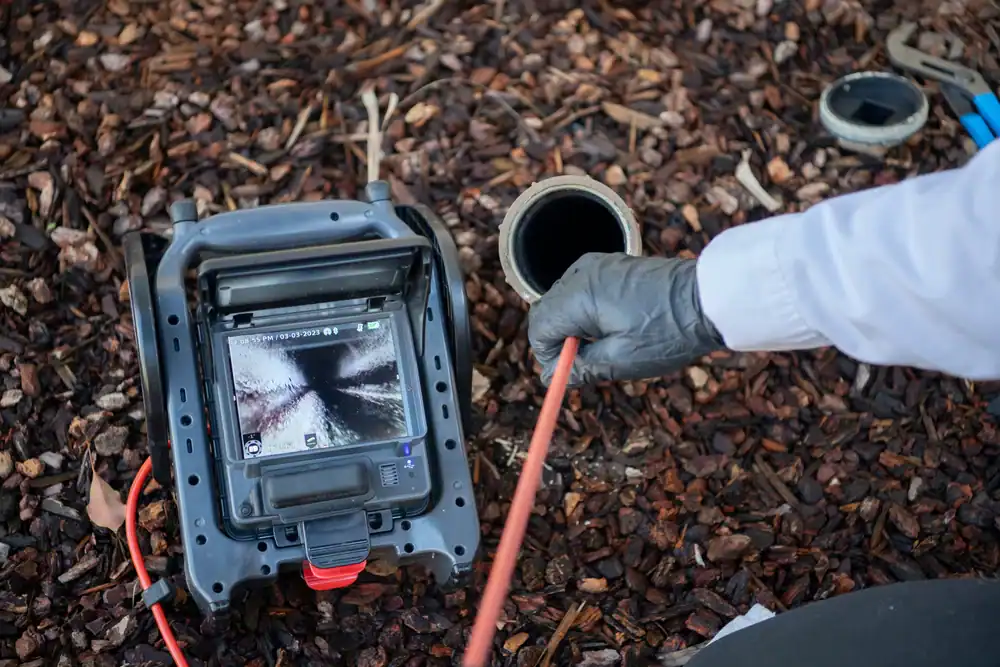
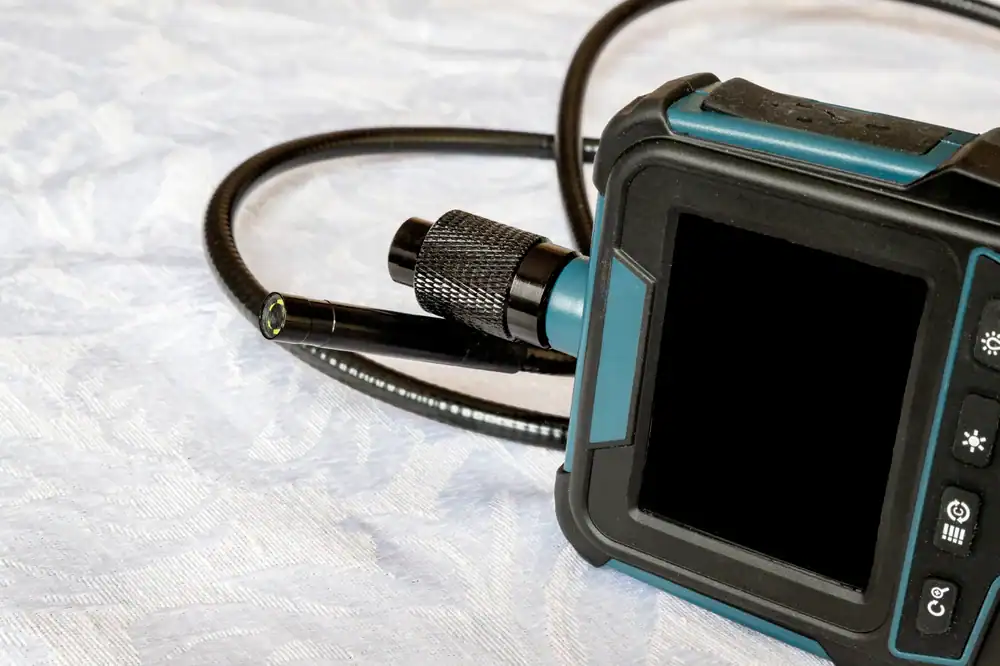
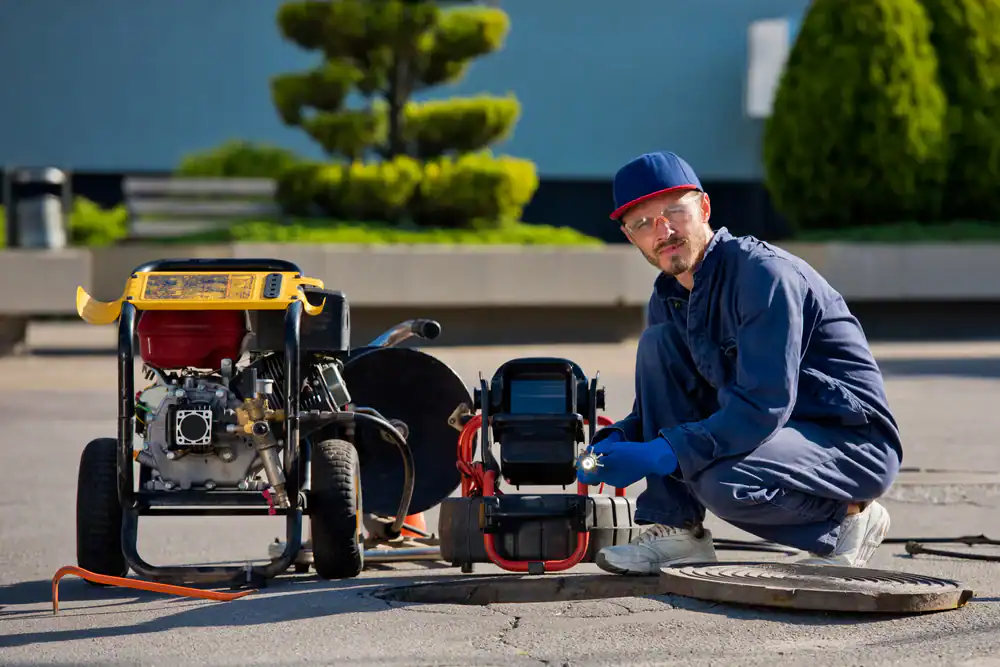
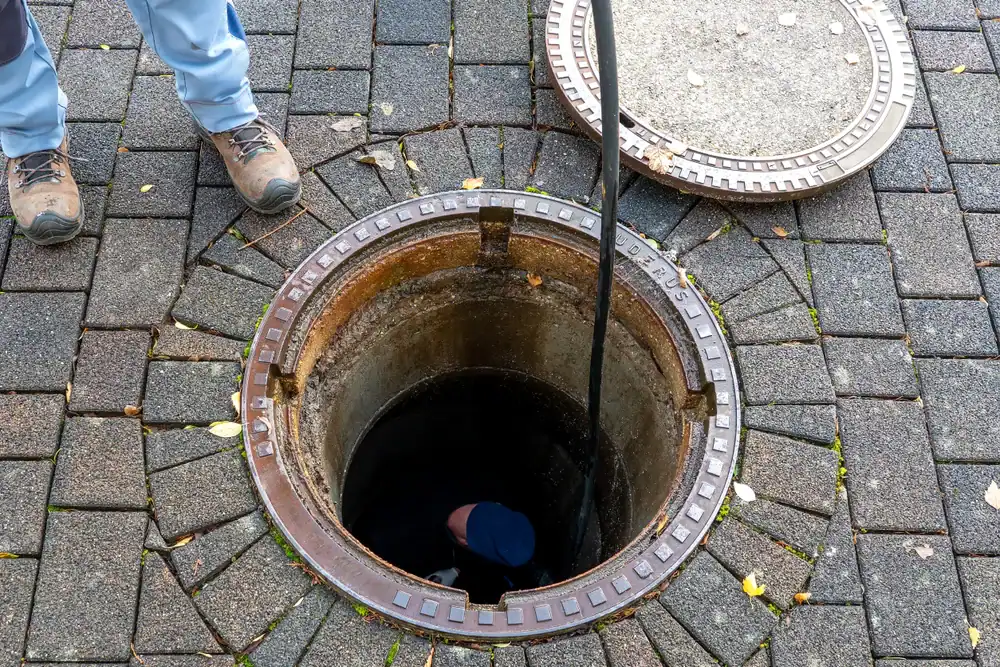
We start by locating your access point—usually a cleanout or the main line from your house. From there, we feed a fiber-optic camera into the pipe. It’s flexible, waterproof, and built to navigate bends and turns without damaging your system.
As the camera moves through, it sends back live video. We’re watching in real time, and so can you if you want. The footage shows the inside condition of your pipe: whether there’s buildup, damage, roots, or a full blockage. A foot counter on the equipment tracks distance, so we know exactly how far into the line the issue is.
Once we’ve covered the full run, or identified the problem, we pull the camera back out. Then we walk you through what we found. If it’s something we can clear with jetting or snaking, we’ll tell you. If it needs a repair or replacement, we’ll show you why and where. No dramatizing, no scare tactics—just what the camera showed and what makes sense to do about it.
You leave with the footage, a clear explanation, and an accurate estimate if any work is needed.
Ready to get started?
This isn’t just a guy shoving a camera down your drain and calling it a day. You’re getting a full pipe condition assessment with digital footage and reporting that documents the state of your system.
That matters more in Centereach than in a lot of other places. Suffolk County has some of the strictest septic regulations in New York, and for good reason—over 70% of residents rely on onsite wastewater systems, and we’re all sitting on top of the same aquifer. When systems fail here, they don’t just affect your property. A camera inspection gives you documentation that your system is functioning, or shows you exactly what needs fixing before it becomes a county compliance issue.
If you’re buying or selling a home, this footage can be required by lenders or requested during inspections. If you’re dealing with recurring backups, it stops the cycle of temporary fixes that don’t address the real issue. And if you’re just trying to stay ahead of problems, it’s the most reliable way to catch small issues before they turn into emergency callouts on a Saturday night.
The camera doesn’t lie, and it doesn’t guess. It shows you what’s there.
Most camera inspections in Centereach run between $300 and $500, depending on the length of the line and how accessible your cleanout is. If we’re already on site for another service, like a pumping or a backup call, we can usually add the inspection for less.
It’s not a small expense, but compare it to what you’d pay if someone digs up your yard in the wrong spot, or if you keep paying for temporary fixes that don’t solve the actual problem. The camera tells you what’s wrong and where it is, which means any work that follows is targeted and necessary.
Some companies will try to sell you on a full system replacement without ever showing you what’s actually failing. That’s expensive and often unnecessary. A camera inspection costs a few hundred dollars and might save you thousands by showing you that all you need is a single pipe repair or a good cleaning, not a new drain field.
Yes. Root intrusion is one of the most common things we find during sewer line video inspections, especially in older Centereach neighborhoods where mature trees are close to septic lines.
The camera shows roots in real time—whether they’re just starting to poke through a joint, or whether they’ve completely filled a section of pipe. You’ll see exactly how bad it is, and we can tell you whether it’s something we can clear with hydro jetting or if the pipe itself needs repair.
Roots don’t go away on their own, and they grow back if the entry point isn’t sealed. A camera inspection shows you where they’re getting in, which means we can address the source instead of just cutting them out every year. That’s the difference between a real fix and a recurring expense.
If the house has a septic system or cesspool, yes. You should absolutely get a camera inspection before you close, even if the seller had the tank pumped recently.
Pumping clears out solids, but it doesn’t tell you anything about the condition of your pipes or drain field. A camera inspection shows you whether the lines are intact, whether there’s damage, and whether you’re about to inherit someone else’s expensive repair. We’ve seen buyers skip this step and end up with a $15,000 drain field replacement six months after moving in.
Some lenders require it. Even if yours doesn’t, it’s worth the few hundred dollars for the peace of mind. Suffolk County has strict septic regulations, and if the system isn’t up to code, you’re the one who’ll be paying to bring it into compliance. The camera shows you what you’re actually buying.
A regular septic inspection usually involves pumping the tank, checking the baffles, and doing a basic visual check of the system. It’s required by Suffolk County every three years, and it’s important for maintenance.
A camera inspection goes further. It shows you the inside of your pipes—from the house to the tank, or from the tank to the drain field. You see cracks, blockages, root intrusion, bellied pipes, or any other issue that a visual inspection from the outside can’t catch.
Most septic inspections don’t include camera work unless you request it or unless there’s already a known problem. If you’re having slow drains, backups, or gurgling sounds, a camera inspection is the next step. It’s diagnostic, not just maintenance. And it gives you footage you can keep, which a standard inspection doesn’t provide.
Most camera inspections take between 30 minutes and an hour, depending on how much line we’re inspecting and whether there are any access issues.
If your system has a cleanout that’s easy to reach, we can get the camera in and out quickly. If we need to pull a toilet or locate a buried access point, it takes a bit longer. Once the camera is in, the actual inspection moves at a steady pace—we’re not rushing, but we’re not dragging it out either.
You’re welcome to watch the footage in real time if you want. Some people do, some people don’t. Either way, we’ll walk you through what we found once we’re done, and you’ll get a copy of the video to keep. The whole process is straightforward, and we’ll give you a time estimate when we schedule the appointment.
No. The camera is designed to move through your pipes without causing any damage. It’s a flexible fiber-optic line with a small camera head on the end—it’s not sharp, it’s not rigid, and it doesn’t scrape or force its way through.
If your pipes are already damaged or collapsed, the camera will stop when it reaches the obstruction. That’s actually useful information, because it shows us exactly where the problem is. But the camera itself won’t make anything worse.
We’ve run cameras through thousands of lines over the years, from brand new PVC to 50-year-old clay pipes. The equipment is built for this, and we know how to operate it without putting stress on your system. If your pipes are in bad enough shape that a camera would damage them, they’re already past the point of needing repair—and the camera will show you that before it becomes a bigger issue.
Other Services we provide in Centereach