
Hear from Our Customers
You shouldn’t have to guess what’s happening underground. A sewer line video inspection gives you real-time clog detection and shows you the actual condition of your pipes—cracks, root intrusions, corrosion, blockages, all of it.
Most drainage problems in Deer Park homes happen where you can’t see them. Behind walls, under concrete, forty feet down in the ground. Without a camera, you’re relying on someone’s best guess about what’s wrong and how much it’ll cost to fix.
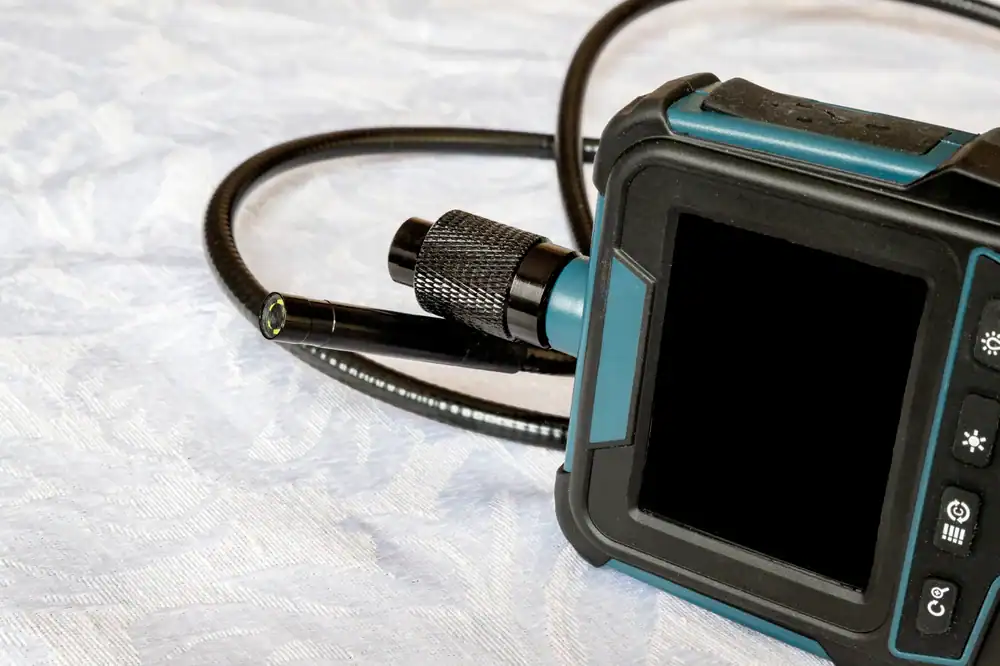
Our pipe condition assessment process sends a waterproof camera through your entire line. You get digital footage and reporting that shows the problem, measures how far down it is, and confirms whether you need a repair or just a good cleaning. No property damage. No digging up your yard to “see what’s going on.” Just clear answers in under an hour.
We’ve been handling cesspool and sewer line issues across Deer Park and Long Island for years. We understand how older systems behave, what breaks first, and what actually needs fixing versus what can wait.
Most homes in Deer Park were built before the 1970s, and a lot of them still run on cesspools or aging septic systems. That means clay pipes, cast iron that’s starting to corrode, and tree roots that have been growing into your lines for decades. We’ve seen it all, and we know how to diagnose it without tearing up half your property.
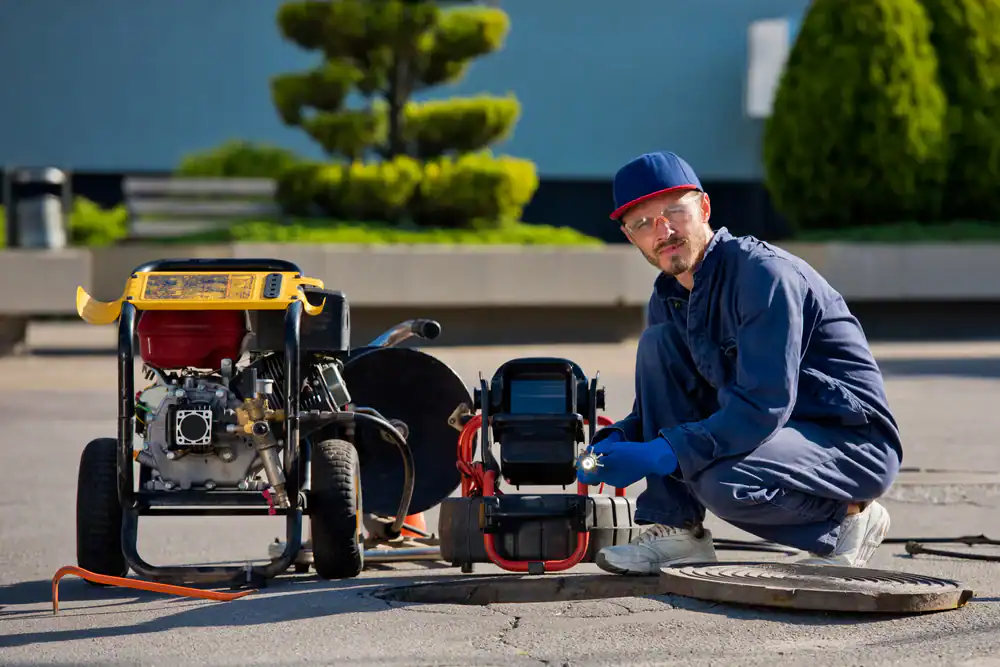
We’re licensed, insured, and equipped with professional-grade camera equipment. When we tell you what’s wrong, we show you the footage so you can see it yourself.
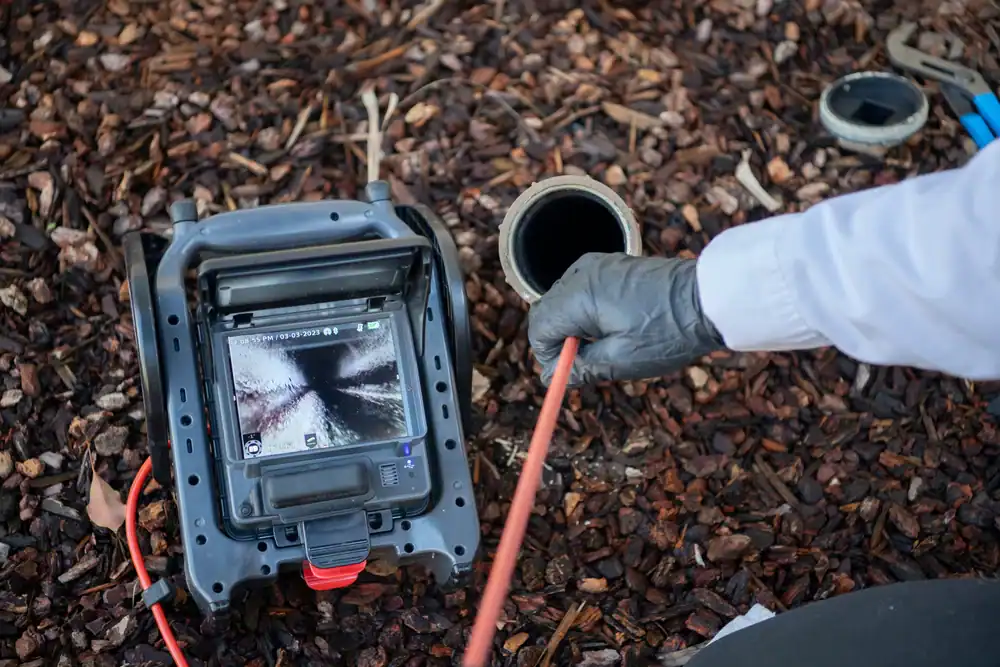
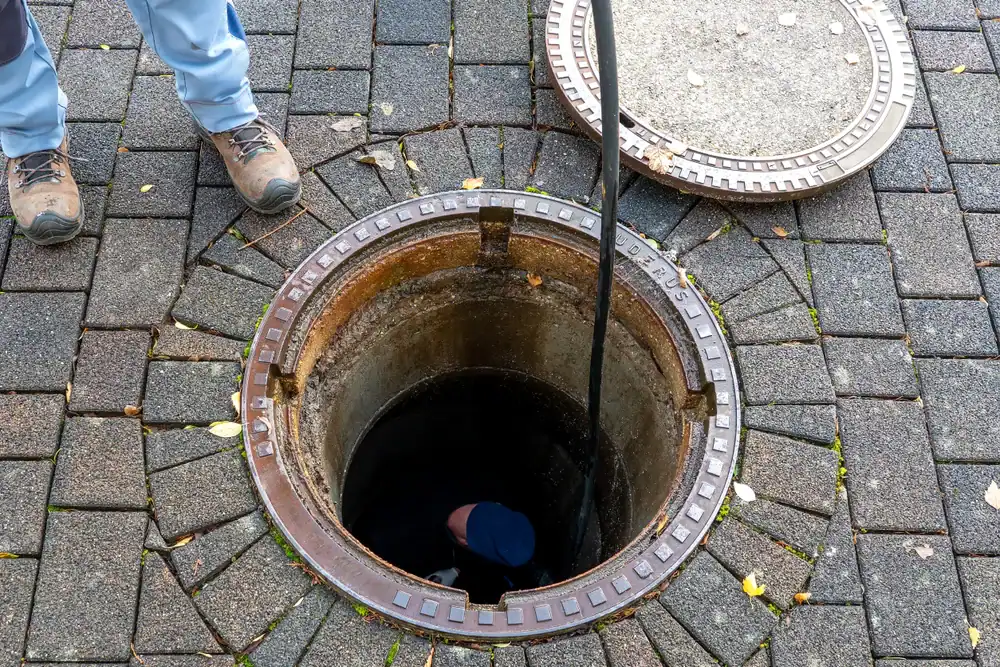
We start by locating your main access point—usually a cleanout or an existing opening in the line. From there, we feed a flexible, waterproof camera into the pipe. The camera travels through the entire system, sending back live video to a monitor where we can see everything in real time.
As the camera moves, we’re looking for cracks, blockages, root intrusions, corrosion, and any shifts or collapses in the pipe. The equipment includes a locator that tells us exactly how far down the camera is and where the problem sits underground. If we find damage at 38 feet, we know exactly where to dig if repairs are needed.
Most inspections take between 30 minutes and an hour, depending on the length of your line and what we find. At the end, you get a full report with video footage on a USB drive. You’ll see what we saw, and we’ll walk you through what it means and what your options are. No pressure, no scare tactics—just the facts.
Ready to get started?
You get a complete visual inspection of your sewer or cesspool line from start to finish. That includes locating underground pipe leaks, identifying root intrusions, spotting cracks or corrosion, and confirming whether a clog is something we can clear or something that needs repair.
In Deer Park, a lot of older homes deal with seasonal ground movement. Long Island freezes in winter and thaws in spring, and that shift can crack pipes—especially older clay or cast iron. A camera inspection catches those issues before they turn into full system failures or sewage backups in your house.
You also get documentation. We provide digital footage and a detailed report that shows what we found, where we found it, and how deep it is. That’s useful if you’re buying or selling a home, dealing with insurance, or just want proof before you spend money on a repair. And if the inspection shows your system is fine, that’s worth knowing too.
If you’re dealing with slow drains throughout your house, frequent backups, or sewage smells you can’t explain, a camera inspection will show you what’s causing it. It’s also smart to get one if you’re buying a home in Deer Park, especially an older property with a cesspool or septic system.
Most people call us after they’ve tried snaking the line or using drain cleaners without success. That usually means the problem is deeper—roots, a collapsed section, or a crack that’s letting dirt and debris into the pipe. A camera shows you exactly what’s happening so you’re not guessing or paying for repairs that won’t fix the real issue.
If your system is over 30 years old and you’ve never had it inspected, it’s worth doing. Catching a small crack now is a lot cheaper than dealing with a full collapse later.
No. The camera is flexible, waterproof, and designed to move through your pipes without causing any harm. It’s a completely non-invasive process—we’re not cutting, digging, or breaking anything to get a look inside your line.
We access the system through an existing cleanout or opening, feed the camera in, and let it do its job. There’s no mess, no property damage, and no need to tear up your driveway or landscaping just to see what’s going on. That’s the whole point of using a camera instead of digging exploratory holes.
If we do find something that needs repair, the footage tells us exactly where to dig. That means less disruption, lower costs, and a faster fix.
A camera inspection reveals tree root intrusions, cracks and leaks in the pipe, corrosion or deterioration, clogs from grease or debris buildup, and sections that have shifted or collapsed. It also shows us the overall condition of your line—whether it’s holding up or starting to fail.
In Deer Park, tree roots are one of the most common problems we find. Roots grow toward water, and if there’s even a small crack in your sewer line, they’ll find it and work their way in. Over time, they create blockages that get worse until the line backs up completely. A camera catches that early, before it becomes an emergency.
We also see a lot of older pipes that are corroding from the inside out. Cast iron rusts, clay cracks, and bituminized fiber collapses. If your home was built before 1970, there’s a good chance your pipes are reaching the end of their lifespan. The camera shows us how much time you have left before you need to think about replacement.
Most inspections take between 30 minutes and an hour, depending on how long your sewer line is and whether we run into any blockages along the way. If your system is straightforward and accessible, we’re usually done in under an hour.
If we find a clog or damage that slows the camera down, it might take a bit longer. But even then, you’re looking at the same day—no need to schedule a follow-up or wait around for results. We review the footage with you right there, explain what we found, and talk through your options before we leave.
You also get a copy of the video and a written report, so you’re not relying on memory or notes. You’ll have everything documented if you need it later.
Yes. If your pipes are severely corroded, collapsed in multiple places, or cracked beyond repair, the camera will show that. We’ll walk you through what we’re seeing and give you an honest assessment of whether a repair will hold or if replacement makes more sense.
A lot of older homes in Deer Park are sitting on systems that are 40, 50, even 60 years old. At a certain point, patching one section doesn’t solve the problem—it just buys you a little time before the next section fails. The camera gives you a full picture of the condition of your line so you can make an informed decision.
If replacement is the right call, at least you’ll know why. And if a targeted repair will get you another 10 years, we’ll tell you that too. We’re not here to upsell you on work you don’t need.
Absolutely. We show you the footage in real time while we’re running the camera, and you get a copy of the video on a USB drive when we’re done. You’ll see exactly what we’re seeing—cracks, roots, blockages, whatever’s in there.
A lot of homeowners don’t want to just take someone’s word for it when they’re told their line is broken or needs replacing. That’s fair. Seeing the problem yourself makes it a lot easier to understand what needs to happen and why it costs what it costs.
The footage also comes in handy if you’re dealing with insurance, selling your home, or getting a second opinion. You’ll have documented proof of the condition of your system, which is worth a lot more than a verbal estimate.
Other Services we provide in Deer Park