
Hear from Our Customers
Most cesspool and sewer problems hide underground where you can’t see them. A surface inspection might tell you there’s a problem, but it won’t tell you where, how bad, or what’s actually causing it.
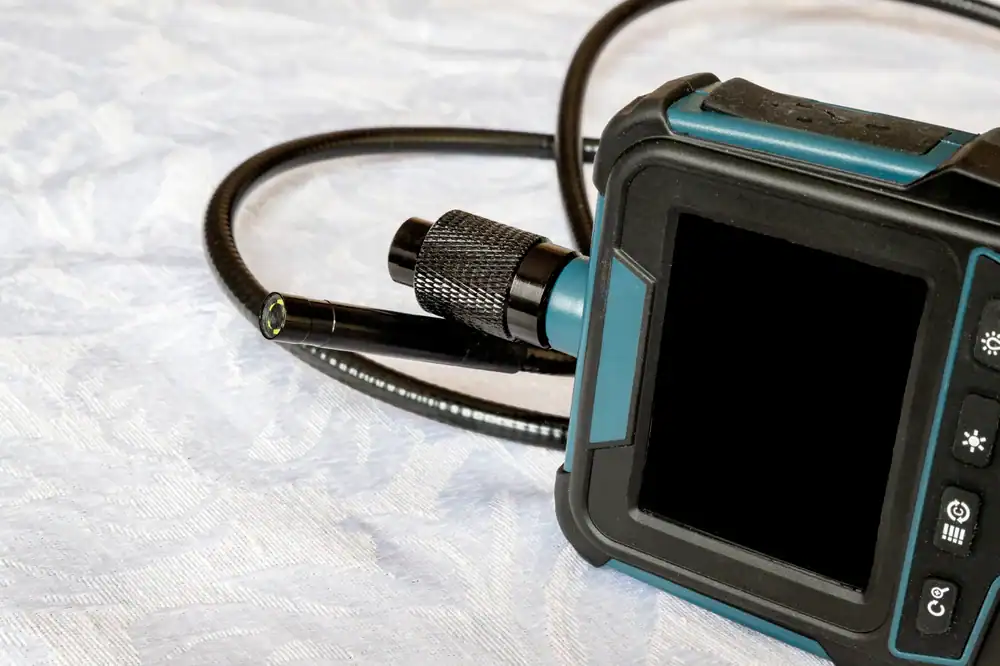
That’s where sewer line video inspection changes everything. A waterproof camera travels through your entire system while you watch the live feed on our monitor. You see cracks, roots, clogs, and collapsed sections in real time—not after someone’s already dug up your yard.
This matters because emergency sewer repairs start around $3,000 and quickly hit $10,000 or more when crews are guessing where to dig. With camera inspections, you’re targeting the exact problem area. You’re also getting documentation that mortgage lenders and insurance companies actually accept, which matters if you’re buying a home or filing a claim.
In Suffolk County, about 75% of properties rely on private septic systems. Many of those systems are decades old, and most homeowners have no idea what condition their pipes are in until something fails. A camera inspection gives you that answer before you’re dealing with sewage backup in your basement or a collapsed line under your driveway.
We’ve been serving Dix Hills and the surrounding Suffolk County area for years, handling everything from routine maintenance to complex system failures. We’re not a national franchise reading from a script—we’re local professionals who understand how Long Island’s soil, water table, and aging infrastructure affect your cesspool and sewer lines.
Most homes in this area were built with systems that are now 20, 30, even 50 years old. We’ve inspected thousands of them. We know what fails first, what warning signs matter, and what problems you can safely monitor versus what needs immediate attention.
When you call us for a camera inspection, you’re getting technicians who’ve seen your exact setup before and know how to read what the camera shows. We’re also up to date on Suffolk County’s septic regulations, which changed significantly in 2019 and now require inspections every three years for certain systems.
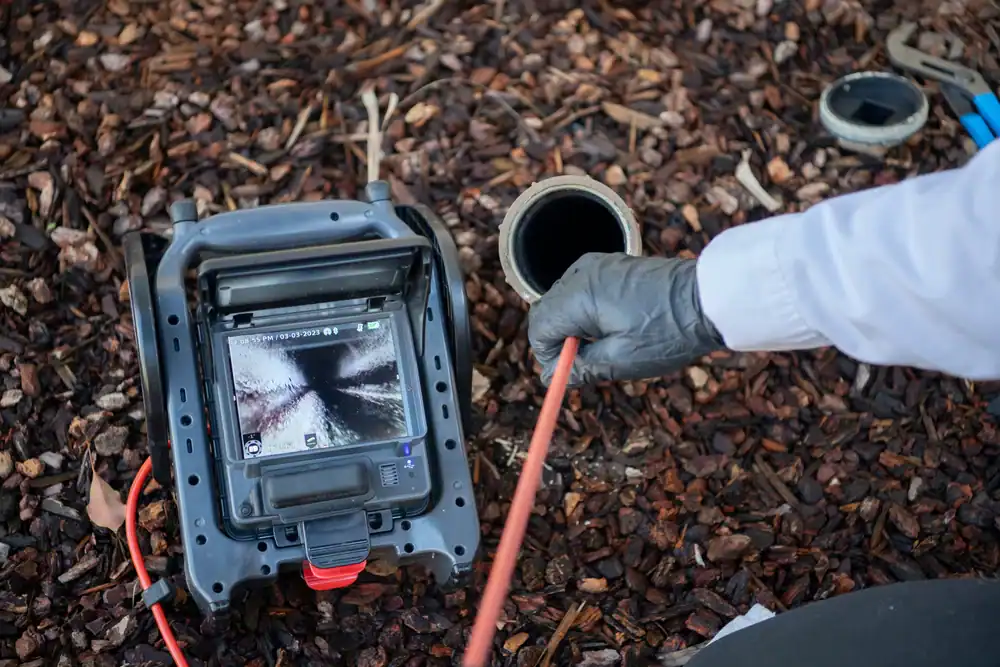
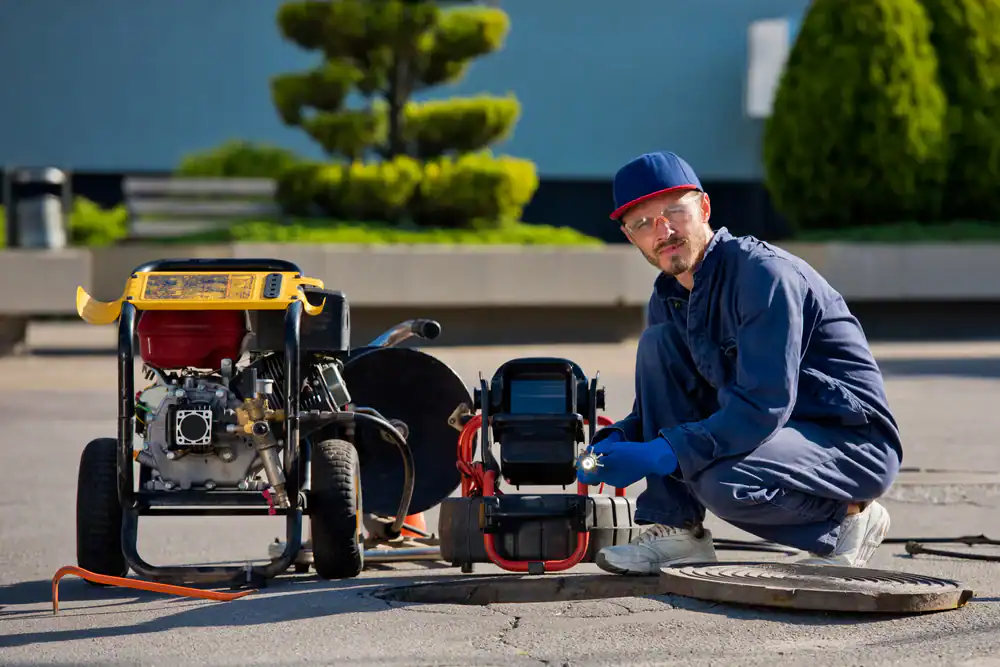
We start by locating your system’s access points—usually a cleanout or an existing opening. From there, we feed a flexible fiber-optic camera through your pipes. The camera head has its own light source and transmits live video back to our monitor, which you can watch with us.
As the camera moves through your system, we’re looking for specific issues: tree root intrusion, cracks, offset joints, grease buildup, standing water, and structural damage. We also check for proper slope and drainage, which affects how well your system moves waste. If we spot a problem, we mark it with GPS coordinates so we know exactly where it is underground.
The inspection typically takes 30 to 60 minutes depending on your system’s size and complexity. Afterward, you get a detailed report with video footage, still images, and our assessment of what needs attention now versus what you can monitor over time.
This process is non-invasive. We’re not digging, we’re not damaging your landscaping, and we’re not making assumptions. You’re seeing the same footage we see, which means you can make informed decisions about repairs instead of trusting someone’s best guess about what’s wrong.
Ready to get started?
You get real-time clog detection the moment we spot it. If there’s a blockage, we see it on camera and can often tell you what’s causing it—whether that’s roots, grease, or a collapsed section. That saves you from paying for a full excavation when a targeted repair or hydro jetting might solve the problem.
You also get pipe condition assessment that goes beyond “it’s old.” We’re looking at wall thickness, joint integrity, and whether your pipes are holding up or starting to fail. In Dix Hills and across Suffolk County, many homes still have old clay or cast iron pipes that crack over time. Knowing their condition now helps you plan for repairs before you’re dealing with an emergency.
Locating underground pipe leaks is another major benefit. Leaks don’t always show up as wet spots in your yard—sometimes they’re draining into the soil or pooling under your foundation. The camera catches these early, which prevents bigger problems like foundation damage or contaminated groundwater.
Finally, you get digital footage and reporting that you can use for mortgage approval, insurance claims, or future reference. If you’re buying a home in Dix Hills, your lender will likely require a cesspool inspection before approving your loan. Our documentation satisfies that requirement and gives you leverage to negotiate repairs with the seller if the camera reveals problems.
Most residential camera inspections in Suffolk County cost between $200 and $400 depending on your system’s size. That’s a small investment compared to the $8,000 to $25,000 you’d spend replacing a sewer line—or the $17,000+ you’d pay for a full cesspool-to-septic conversion.
If you’re buying a home, yes—mortgage lenders typically require cesspool inspections for properties with on-site waste systems before approving loans. If you’re already living here, it depends on your system’s age and whether you’ve had any warning signs.
Most septic and cesspool systems in Dix Hills are 15 to 50 years old. The EPA estimates that 10 to 20% of septic systems fail during their lifetimes, and many of those failures happen without obvious warning. You might notice slow drains or occasional odors, but by the time you see sewage backup or standing water in your yard, you’re already looking at an expensive emergency repair.
A camera inspection gives you a baseline. You’ll know if your pipes are in good shape, starting to crack, or already compromised by tree roots. That information helps you budget for repairs on your timeline instead of scrambling when something fails at the worst possible moment. It’s especially useful if you’re planning to sell soon, because buyers will likely request an inspection anyway—and you’d rather know what they’ll find before you’re negotiating under pressure.
Our cameras are designed to navigate the full length of residential sewer lines and cesspool systems, typically reaching 100 to 300 feet depending on the equipment. That covers most residential setups in Dix Hills, where the distance from your home to your cesspool or septic tank is usually well within that range.
If your system has sharp bends, collapsed sections, or severe blockages, the camera might hit a stopping point. When that happens, we mark the location and discuss your options—sometimes that blockage is the problem we’re trying to find, which means the inspection just did its job. Other times, we can access the system from a different entry point to get a complete view.
The camera head is flexible and waterproof, so it handles the conditions inside your pipes without issue. We’re also using real-time GPS tracking, which means even if we can’t push the camera past a certain point, we know exactly where that point is underground. That’s still valuable information because it tells us where to focus repairs without digging up your entire yard.
Tree roots are one of the most common problems we find during camera inspections in Dix Hills. Roots grow toward moisture, and your sewer line is a steady source of water. Once they find a crack or joint in your pipes, they work their way inside and keep growing until they cause a blockage.
If the camera shows roots, we’ll assess how severe the intrusion is. Light root growth can often be cleared with hydro jetting, which uses high-pressure water to cut through roots and flush them out. That’s a same-day fix in most cases and costs a fraction of what you’d pay for excavation.
Heavier root intrusion—especially if the roots have cracked or collapsed your pipes—might require a targeted repair or pipe replacement. The good news is that the camera shows us exactly where the damage is, so we’re only digging up the affected section instead of tearing up your entire yard to find the problem. You’ll also want to address the tree itself, either by trimming roots back or installing a root barrier, so the problem doesn’t come back in a few years.
Yes. Mortgage lenders in Suffolk County typically require a cesspool or septic inspection for any property with an on-site waste system before they’ll approve financing. A camera inspection provides the documentation your lender needs, including video footage, still images, and a written report detailing your system’s condition.
If the inspection reveals problems, you’ll have that information before closing. That gives you the chance to negotiate with the seller—either asking them to make repairs, adjusting the sale price, or walking away if the system is in worse shape than you’re willing to deal with. Without a camera inspection, you’re buying blind, and sewer line replacement costs $8,000 to $25,000 depending on the scope of the damage.
Home inspectors often recommend camera inspections as part of the due diligence process, especially for older homes. It’s one of those things that feels like an extra expense until the camera finds a collapsed pipe or a major root intrusion that would’ve cost you tens of thousands to fix after you’ve already bought the house. The inspection pays for itself by keeping your financing on track and giving you a clear picture of what you’re buying.
Most camera inspections take 30 to 60 minutes depending on your system’s size and how much footage we need to review. We’re working through existing access points like cleanouts or inspection ports, so we’re not cutting into your pipes or digging up your yard just to run the camera.
The process is completely non-invasive. The camera is flexible and designed to navigate bends and joints without damaging your pipes. We’re not using any tools or equipment that would crack, scrape, or weaken your system—we’re just looking. That’s the whole point: you get a full assessment of your pipes without the property destruction that comes with traditional excavation.
After the inspection, your yard looks exactly the same as it did before we arrived. You’ll have video documentation of what’s inside your pipes, a written report, and GPS coordinates for any problem areas we found. If repairs are needed, we’ll discuss your options and give you a clear plan for what comes next—but the inspection itself doesn’t require any digging, trenching, or restoration work.
A regular cesspool inspection usually involves checking the tank’s condition, measuring sludge and scum levels, and making sure the system is draining properly. That’s useful for maintenance, but it doesn’t tell you what’s happening inside your pipes or whether your sewer line has cracks, blockages, or root intrusion.
A camera inspection goes further. We’re sending a fiber-optic camera through your entire sewer line and cesspool system to see what’s actually going on underground. You get a visual record of your pipes’ condition, which is something a surface inspection can’t provide. That’s especially important if you’re dealing with slow drains, recurring backups, or foul odors—problems that suggest something’s wrong inside the pipes themselves.
In Suffolk County, regulations now require septic system inspections every three years for certain properties, and many homeowners are combining that with a camera inspection to get a complete picture of their system’s health. It’s also required for most real estate transactions, since buyers and lenders want to know they’re not inheriting a failing system. The camera gives you that certainty, and it does it without guessing or unnecessary digging.
Other Services we provide in Dix Hills