
Hear from Our Customers
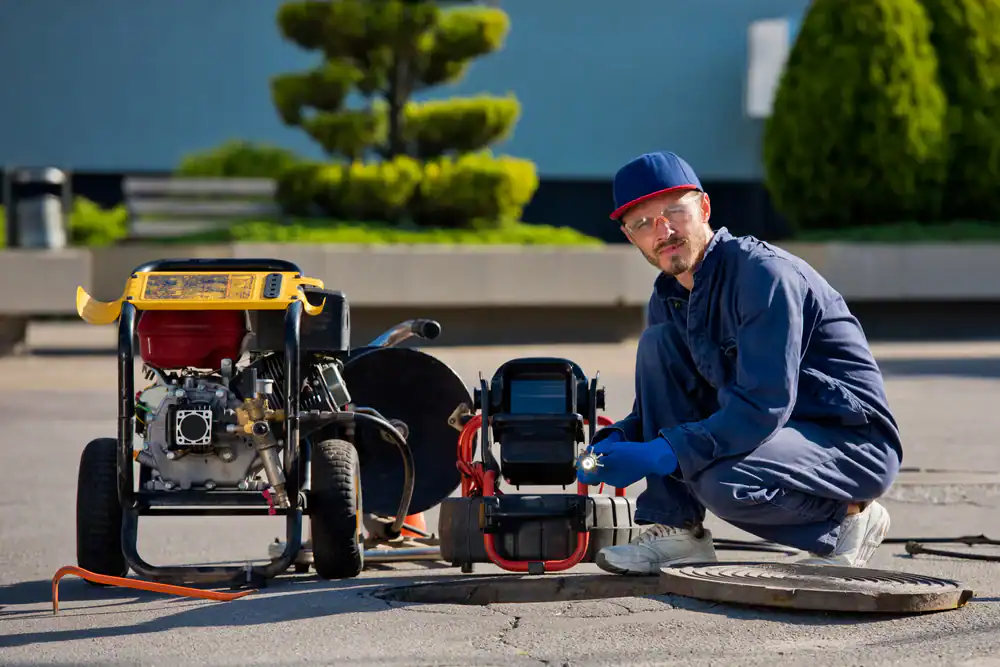
A camera inspection gives you the full picture before you spend a dollar on repairs. You see the same footage we do—cracks, root intrusion, sediment buildup, whatever’s down there. No translation needed.
That matters in East Meadow, where homes built in the 1950s and 60s are sitting on aging infrastructure that doesn’t always show problems above ground. Your lawn looks fine. Your driveway is pristine. Meanwhile, pipes could be deteriorating underneath.
The inspection itself is straightforward. A waterproof camera travels through your sewer line or cesspool system and transmits live video back to our equipment. You get a clear view of what’s causing slow drains, recurring backups, or that smell you can’t quite place. And if Nassau County requires documentation for a sale or compliance check, you’ll have it.
We’ve been serving East Meadow homeowners long enough to know what Nassau County’s sandy soil and high water table do to cesspool systems. We’re not learning on your property.
Tommy and the team respond fast when you need us—often within 30 minutes for emergencies. But speed doesn’t mean shortcuts. Every camera inspection is thorough, and you get the footage saved for your records.
We’re licensed, bonded, and insured. More importantly, we operate with transparency. You’ll know what we find, what it means, and what your options are before any work starts.
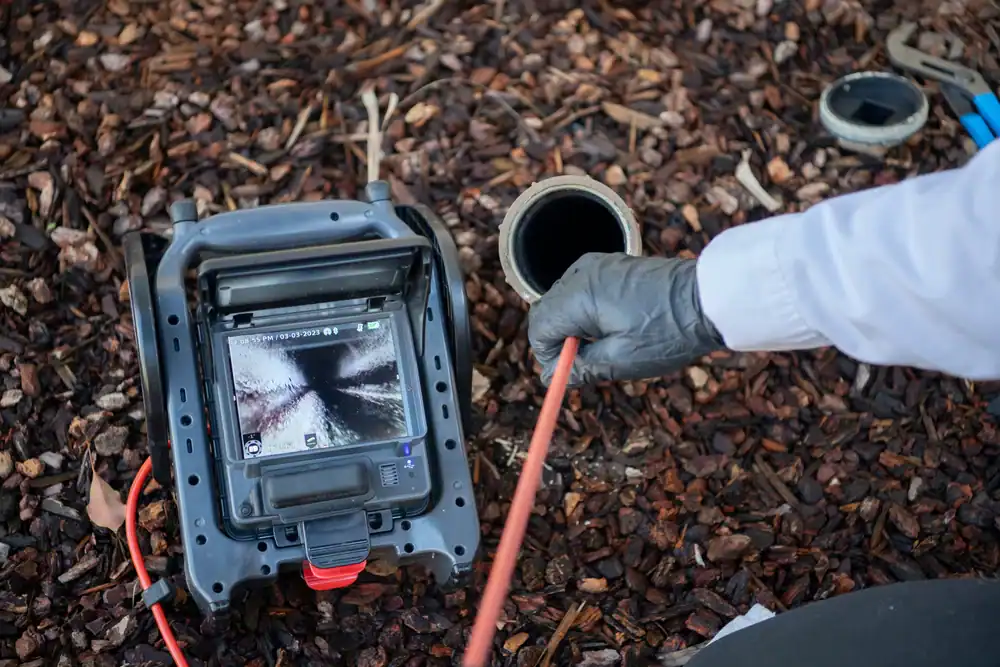
First, we locate the access point to your sewer line or cesspool system. In most East Meadow properties, that’s a cleanout or an existing opening that doesn’t require any digging.
Next, we feed a high-definition waterproof camera through the line. The camera is mounted on a flexible cable that can navigate bends and turns while transmitting real-time footage. You can watch alongside us as we move through the system.
As we go, we’re looking for specific issues: cracks or fractures in the pipe, root intrusion from trees, sediment or grease buildup, misaligned sections, or full blockages. The camera also has a locator that pinpoints exactly where problems exist underground, so if repairs are needed, we know precisely where to focus.
Once the inspection is complete, you get a copy of the footage and a clear explanation of what we found. If there’s an issue, we’ll walk through your repair options. If everything looks good, you have documentation proving your system is in solid shape—useful for Nassau County’s five-year inspection requirement or for real estate transactions.
Ready to get started?
You’re getting a full visual assessment of your underground plumbing. That includes identifying the exact location and cause of blockages, evaluating pipe integrity for cracks or collapse, detecting root intrusion before it becomes a major problem, and assessing overall system condition.
The inspection also generates digital footage and reporting that you keep. That’s critical in East Meadow, where Nassau County regulations now require septic and cesspool inspections every five years. Missing that requirement can cost you $250 to $2,000 in fines. Having documentation on hand protects you.
Camera inspections are also non-negotiable during real estate transactions. Buyers want proof that the system works. Sellers want to avoid last-minute surprises that kill deals. A clean inspection report keeps things moving.
And if you’re dealing with recurring backups, slow drains, or foul odors, the camera shows you why. Maybe it’s a small crack that’s easy to patch. Maybe tree roots found their way into a joint. Either way, you’re making decisions based on what’s actually there, not what someone thinks might be wrong.
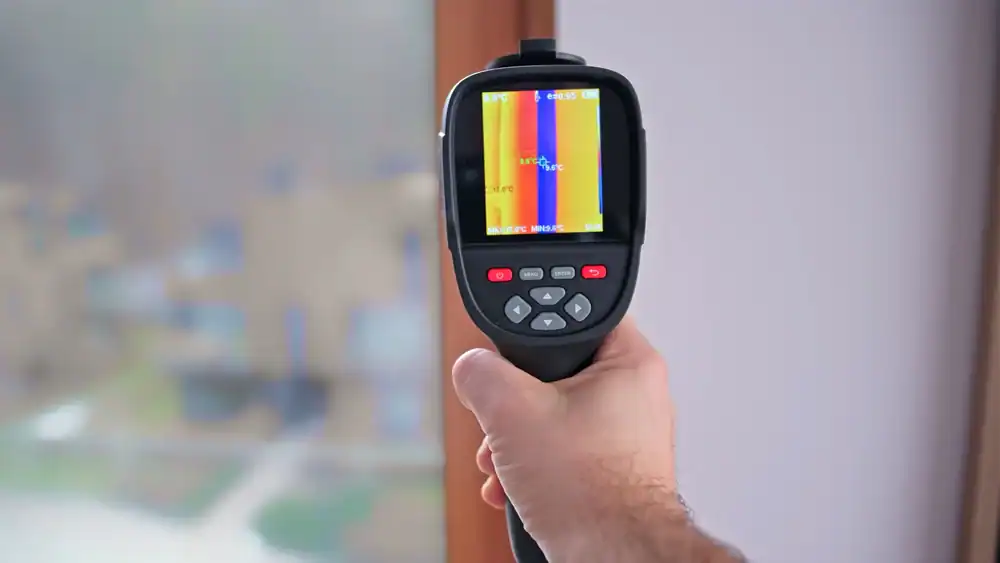
Most camera inspections take 30 to 60 minutes, depending on the length of your sewer line and how much of the system needs to be checked. If we’re inspecting a standard residential cesspool setup, you’re looking at the shorter end of that range.
The process moves quickly because we’re not digging or dismantling anything. We access your line through an existing cleanout, feed the camera through, and review the footage in real time. If we find something that needs a closer look, we might spend a few extra minutes on that section.
You can watch the whole thing happen. Some homeowners prefer to see the footage themselves so they understand exactly what’s going on underground. Others just want the summary at the end. Either way, you’re not losing half your day to this.
The camera catches just about anything that affects how your pipes function. Cracks and fractures show up clearly on the footage, even small ones that haven’t caused a full failure yet. Root intrusion is another common find—tree roots work their way into joints or cracks and grow inside the pipe, eventually blocking flow.
You’ll also see sediment buildup, grease accumulation, or foreign objects that shouldn’t be there. Misaligned pipe sections, where settling or ground movement has shifted things out of place, are visible too. In older East Meadow homes, we sometimes find pipes that have started to collapse or deteriorate from age.
The camera also identifies bellied sections, where a pipe has sagged and created a low spot that traps water and debris. All of these issues are easier and cheaper to address when you catch them early. A small crack costs a few hundred dollars to patch. A collapsed line under your driveway can run $25,000 or more.
Nassau County requires cesspool and septic inspections for real estate transactions, so yes, you’ll need documentation. A camera inspection provides that proof and shows buyers that your system is in working order.
Skipping this step can backfire. If a buyer orders their own inspection and finds problems, you’re negotiating from a weak position. They might demand repairs, ask for a price reduction, or walk away entirely. Getting ahead of it means you control the timeline and can address any issues before listing.
Even if your system seems fine, the inspection protects you from surprises. Pipes don’t advertise their problems. A home can look immaculate above ground while the sewer line is crumbling underneath. Finding out during a sale is the worst possible timing. Finding out beforehand gives you options.
Camera inspections typically run a few hundred dollars, depending on the scope of what needs to be checked. That’s minimal compared to what you’d spend on emergency repairs if a problem goes undetected.
Think of it this way: a camera inspection might cost $300 to $400. Replacing a collapsed sewer line under your driveway can exceed $25,000. Patching a small crack might run $500 to $1,000. Waiting until that crack becomes a full pipe failure multiplies the cost.
The inspection also saves you money by eliminating guesswork. Without a camera, a plumber might need to dig exploratory holes to find the problem, which adds labor and restoration costs. The camera pinpoints the exact location and nature of the issue, so any work that follows is targeted and efficient.
Yes, and it happens more often than you’d think in East Meadow. Tree roots are drawn to the moisture and nutrients inside sewer lines. Once they find a small crack or loose joint, they work their way in and grow.
As the roots expand, they widen the opening and eventually block the pipe. You’ll notice slow drains, gurgling sounds, or recurring backups. Left unchecked, roots can cause significant damage that requires pipe replacement.
A camera inspection shows you whether roots are present and how far they’ve progressed. If we catch them early, we can clear the roots and seal the entry point. If they’ve been growing for years, you might need a section of pipe replaced. Either way, you’re making an informed decision instead of waiting for a full blockage to force your hand.
You get a clear explanation of what we found, where it’s located, and what your options are. Some issues are minor and can be fixed quickly—clearing a blockage, patching a small crack, or sealing a joint. Others might require more involved work, like replacing a damaged section of pipe.
We don’t push you toward the most expensive option. We lay out what needs to happen, what it’ll cost, and what happens if you wait. You decide how to move forward.
The advantage of finding problems through a camera inspection is that you’re not in crisis mode. You have time to plan, budget, and schedule the work. Compare that to discovering a collapsed pipe during a sewage backup in your basement—now you’re paying emergency rates and dealing with contamination. The camera gives you control over the situation instead of reacting to a disaster.
Other Services we provide in East Meadow