
Hear from Our Customers
You don’t need to wonder if that slow drain is a minor clog or a collapsing pipe. A sewer line video inspection gives you actual footage of what’s happening inside your cesspool system.
The camera travels through your lines and sends back high-definition video in real time. You see cracks, root intrusions, blockages, and deterioration as they actually are. No speculation from someone standing in your yard making assumptions.
This matters because East Quogue properties sit on sandy soil that shifts. Cesspools age differently here than elsewhere on Long Island. What worked fine last year might be failing now, and you won’t know until you look inside. The inspection catches small problems—a hairline crack, early root growth—before they turn into sewage backing up into your home during a rainstorm.
You get digital footage and reporting you can review later, share with insurance companies, or use when selling your property. It’s documentation that holds up when you need it to.
We’ve been handling cesspool systems across Long Island for nearly two decades. We’re a four-generation family operation, which means we’ve seen how these systems behave in East Quogue specifically—not just in theory, but in hundreds of actual properties.
We know how your soil drains. We know what happens to cesspools near the water during heavy seasonal use. We’ve pulled cameras through lines in homes built in the 1960s and brand-new construction, and we understand what breaks down and why.
Our technicians are licensed and insured, and they show up when we say they will. You’re not getting a subcontractor who’s never been to East Quogue before. You’re getting people who’ve worked in this area long enough to recognize patterns before they become problems.
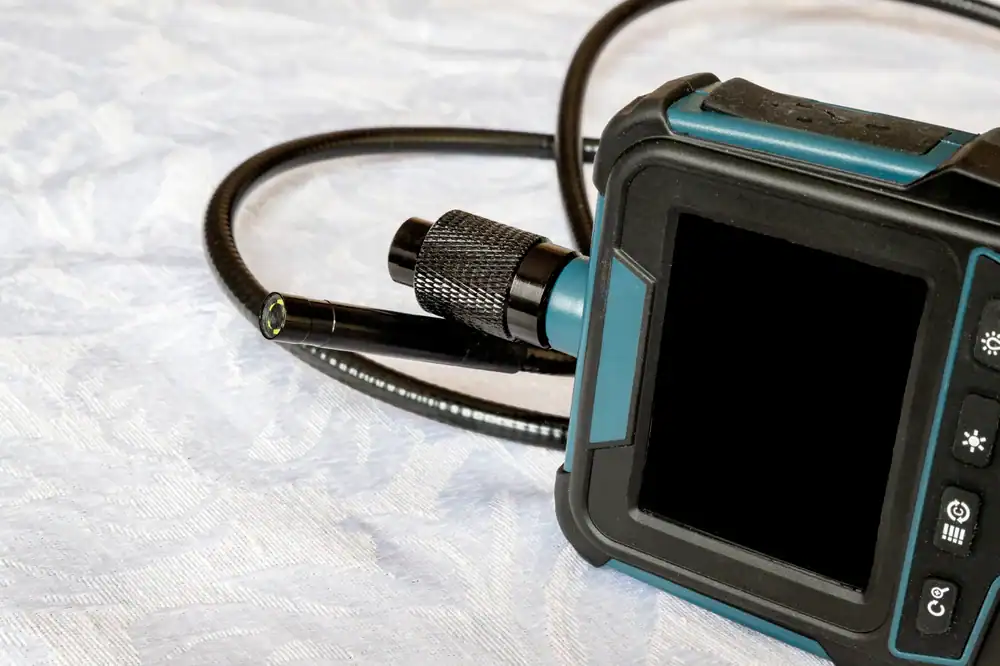
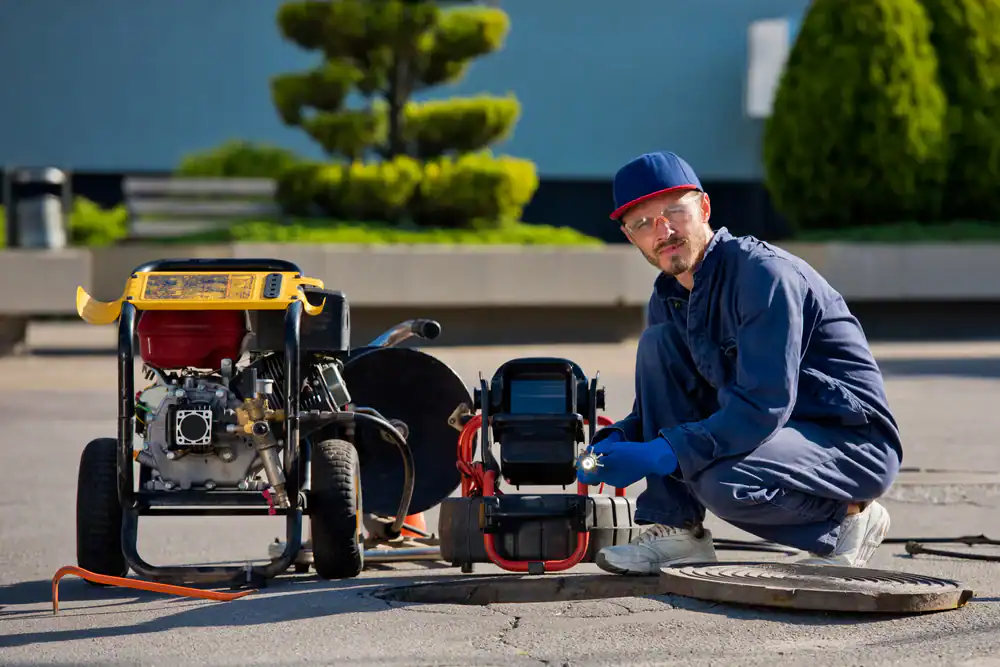
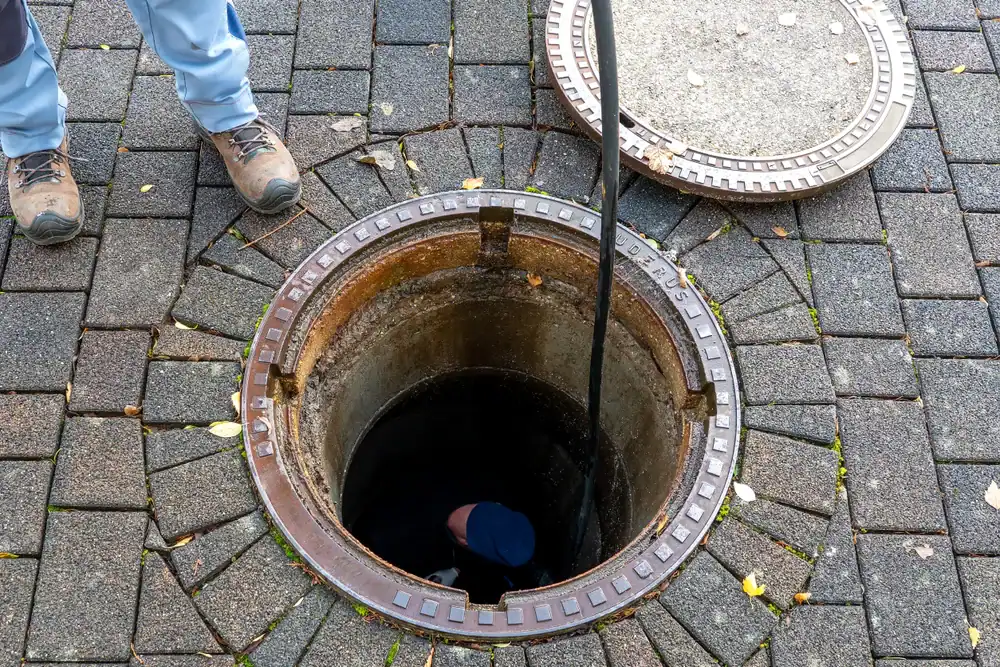
We start by locating your access points—usually your cleanout or an existing opening in the system. The camera head is small, waterproof, and equipped with LED lights that illuminate everything as it moves through your pipes.
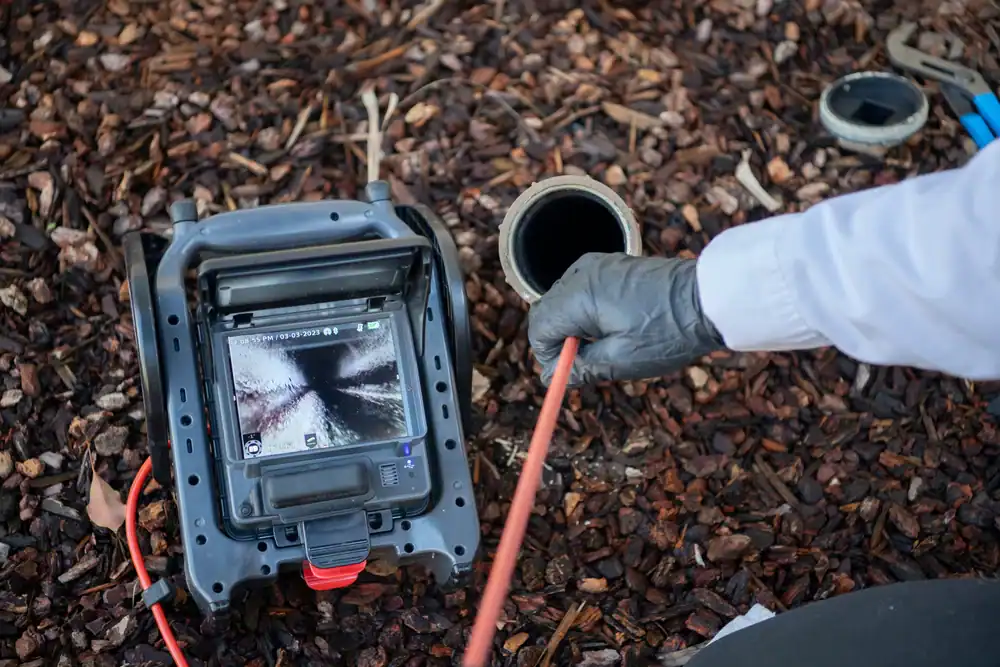
As the camera travels, it sends back live video to a monitor. You can watch with us if you want. We’re looking for cracks, blockages, root intrusions, corrosion, and any structural issues that affect flow. The camera can extend up to 300 feet, covering everything from your indoor plumbing connections to where your lines meet the municipal system.
When we find something, we mark the exact location from above ground using a transmitter in the camera head. That means if you need a repair, we dig in the right spot the first time. No guessing, no exploratory excavation tearing up your driveway.
After the inspection, you get a report with the footage. We’ll walk you through what we found, what it means, and what your options are. If something needs attention now, we’ll tell you. If it can wait, we’ll tell you that too.
Ready to get started?
The inspection itself typically costs between $200 and $400, depending on your system size and access points. That’s a fraction of what you’d spend on emergency repairs if a hidden problem suddenly fails.
You’re getting professional-grade fiber-optic video equipment, not a smartphone on a stick. The footage is clear enough to spot early-stage deterioration that won’t cause issues for another year or two—but will cause major issues if ignored. That’s the kind of information that saves you thousands later.
This is especially useful in East Quogue because so many properties here were built decades ago when cesspool standards were different. Suffolk County now requires nitrogen-reducing systems for new construction and major renovations, and they’re offering up to $25,000 in grants for upgrades. But you need to know what you’re working with first. An inspection tells you if your current system is salvageable or if you’re looking at a replacement soon.
If you’re buying a home in East Quogue, this inspection protects you from inheriting someone else’s expensive pipe problems. Mortgage lenders often require it anyway. If you’re selling, it gives buyers confidence and speeds up the process. And if you’re just maintaining your property, it’s the smartest preventive step you can take.
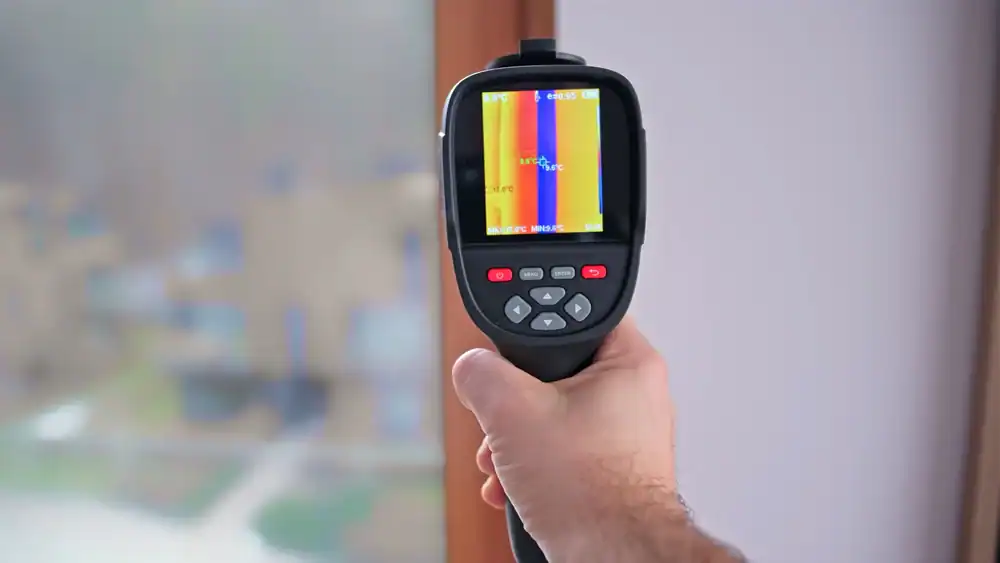
Most inspections take between 45 minutes and two hours, depending on how much of your system we’re examining and how easy it is to access your lines.
If you have a straightforward setup with accessible cleanouts, we move quickly. If your property has multiple lines, older construction without clear access points, or a larger system, it takes longer. We’re not rushing through—we’re making sure we see everything that matters.
You’ll know the timeline before we start. And you can watch the process in real time if you want, or just let us handle it and review the footage with you afterward.
The camera catches problems that haven’t caused symptoms yet. Hairline cracks that aren’t leaking much now but will fail during the next heavy rain. Root intrusions that are just starting to grow into your pipes. Sections of pipe that are corroding from the inside but still functioning—for now.
It also shows you blockages forming in places you can’t reach with a snake or auger. Grease buildup, sediment accumulation, or objects that got flushed and lodged somewhere in the line. You might notice slow drains, but you won’t know if that’s a simple clog near the surface or a collapsing pipe 50 feet from your house.
In East Quogue, we see a lot of issues related to soil shifting and seasonal water table changes. Your pipes might be fine in summer and stressed in winter. The camera shows us the actual condition, not just the current symptoms.
No. That’s the whole point of using a camera. We access your system through existing openings—cleanouts, drain lines, or other entry points that are already part of your plumbing.
The camera is flexible and small enough to navigate bends and junctions without any excavation. If we find a problem and you need a repair, we’ll know exactly where to dig. But the inspection itself doesn’t damage your landscaping, driveway, or hardscaping.
This is a major advantage over older methods that required exploratory digging just to figure out what was wrong. You get answers without the mess, and if repairs are needed, we’re targeting the exact spot from the start.
Yes. The digital footage we provide is documentation that insurance companies and real estate transactions accept. If you’re filing a claim for pipe damage, the video shows exactly what failed and why.
If you’re selling your home, the inspection report gives buyers confidence that your cesspool system has been professionally evaluated. It removes uncertainty, which often speeds up negotiations and prevents last-minute surprises that kill deals.
If you’re buying a home in East Quogue, the footage protects you from purchasing a property with hidden cesspool problems that could cost $10,000 or more to fix after closing. It’s leverage during negotiations if issues are found, and it’s peace of mind if the system checks out clean.
If your system is older than 20 years, get it inspected every three to five years. If you’re noticing any symptoms—slow drains, odors, wet spots in the yard—get it done now.
You should also inspect before buying or selling a property, after any major plumbing work, or if you’ve had repeated clogs that keep coming back. Those recurring issues usually mean there’s a structural problem deeper in the line that a camera will reveal.
For newer systems in good condition, you might stretch it to every five to seven years as part of routine maintenance. But in East Quogue, where soil conditions and seasonal use put extra stress on cesspools, staying ahead of problems makes more sense than waiting for a failure. The inspection pays for itself by catching one major issue early.
We’ll show you exactly what we found, explain what it means, and give you a clear recommendation on what needs to happen next. If it’s urgent—like a pipe that’s about to collapse—we’ll tell you that. If it’s something you can monitor and address later, we’ll tell you that too.
You’ll get a written report with the footage so you can review it on your own time or share it with other contractors if you want a second opinion. We’re not here to pressure you into immediate repairs. We’re here to give you accurate information so you can make the right decision for your property.
If you do need repairs, we handle those too. And because we’ve already pinpointed the problem with the camera, the repair is faster and less invasive than it would be otherwise. You’re not paying for guesswork or unnecessary excavation.
Other Services we provide in East Quogue