
Hear from Our Customers
Most cesspool problems in Farmingdale get diagnosed the expensive way: someone digs, finds the issue, then tells you what it’ll cost. By then, your yard’s already torn up and you’re committed to whatever they say needs fixing.
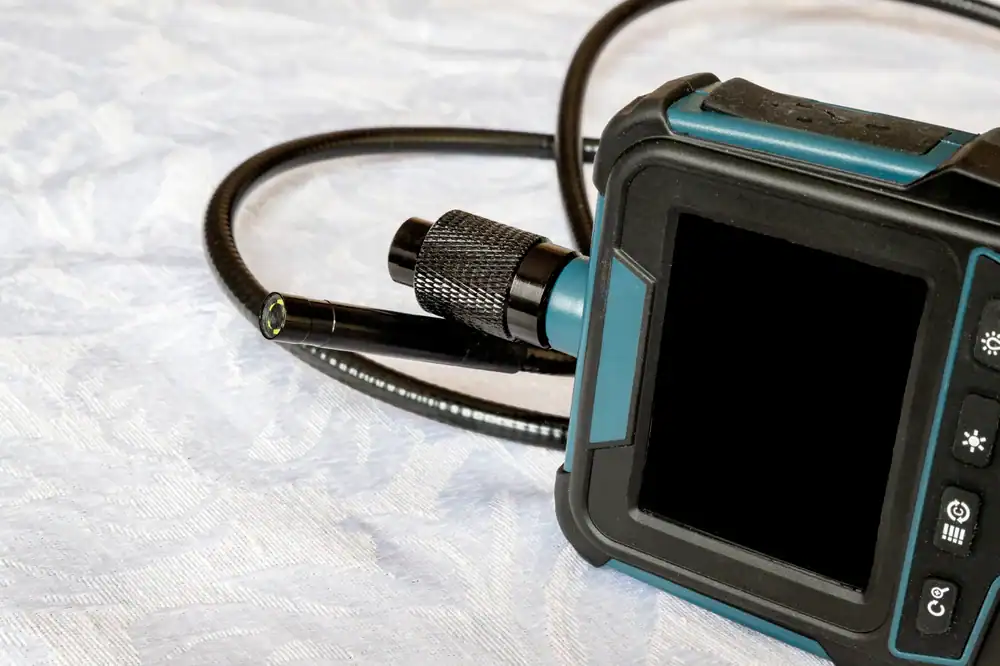
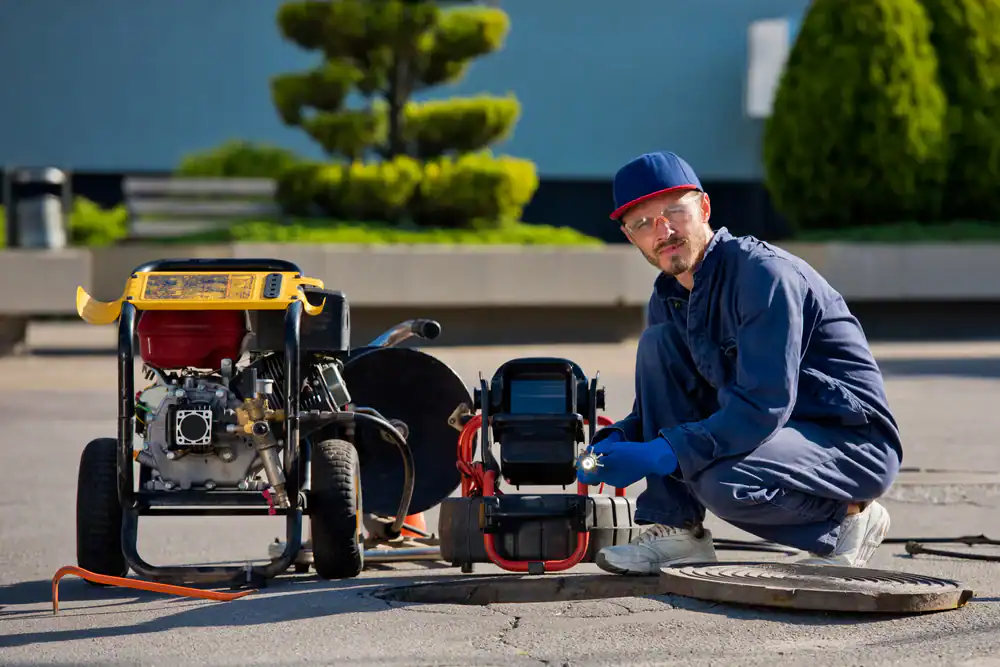
A sewer line video inspection changes that. You see the problem on a monitor in real time—whether it’s roots breaking through old clay pipes, a partial collapse, or just a stubborn clog that doesn’t need excavation at all. The camera goes where people can’t, up to 300 feet through your lines, with LED lights showing every crack and our locating equipment marking the exact spot from above ground.
That means you know what’s wrong, where it is, and what it’ll actually take to fix it before anyone starts digging. You’re making decisions based on footage, not someone’s best guess. And if you’re buying a house in Farmingdale, this inspection tells you whether you’re inheriting a $1,500 repair or a $25,000 replacement before you sign anything.
We’ve been handling cesspool and septic issues across Long Island for almost two decades. We’re a family operation—four generations deep—and we’ve seen just about every pipe problem Farmingdale’s soil and aging infrastructure can create.
Most homes here were built before modern sewer systems went in. That means older cesspools, clay pipes that crack under pressure, and root systems that find every weak point. We know what fails first in this area, what Suffolk County requires for documentation, and how to assess your system honestly without pushing work you don’t need yet.
Licensed, insured, and available 24/7 when emergencies happen. But most of our camera inspection calls aren’t emergencies—they’re homeowners who want to know what they’re dealing with before it becomes one.
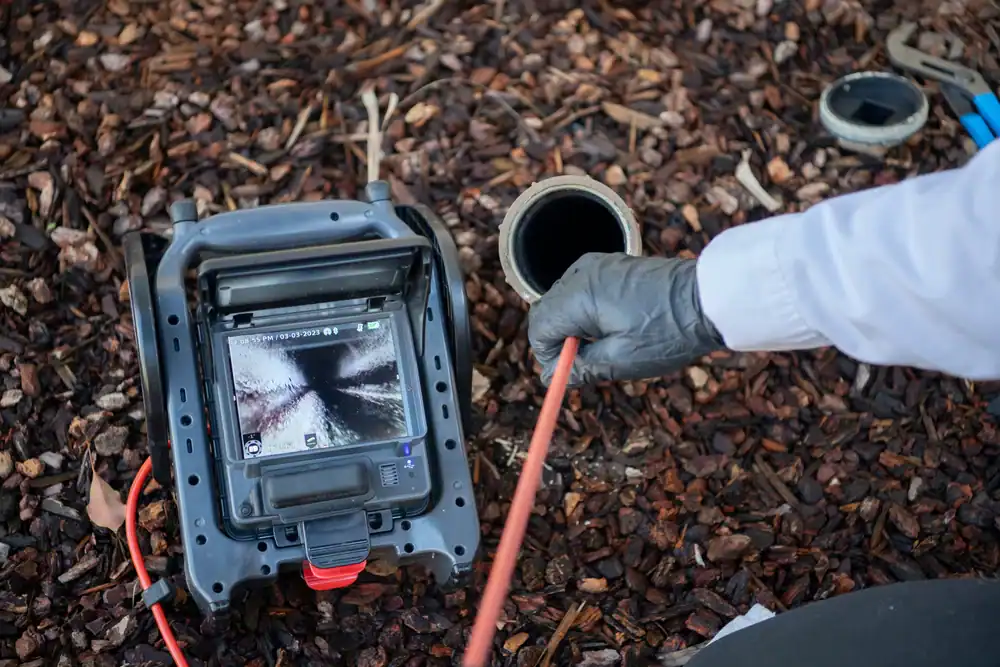
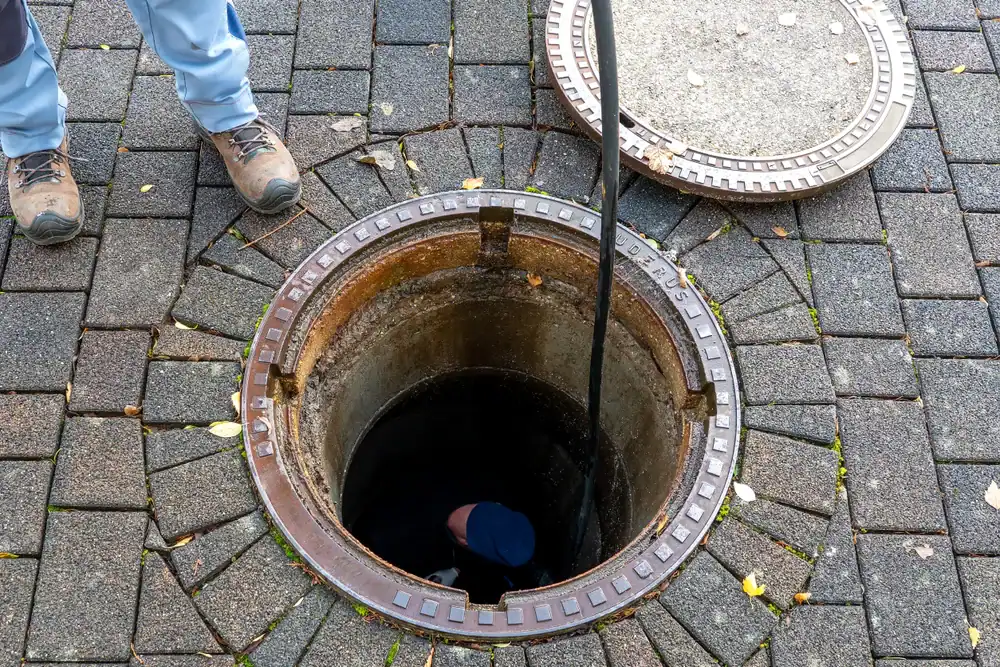
We start at an access point—usually a cleanout or an existing opening in your system. The camera feeds through your pipes on a flexible line, transmitting live video back to a monitor you can watch with us. You’re not waiting for a report later. You’re seeing what we see as we move through the line.
The camera head has its own lighting, so even completely blocked sections show up clearly. As we go, we’re looking for common issues: root intrusion (extremely common in Farmingdale), pipe deterioration, bellied sections where waste pools, cracks, offset joints, or full blockages. If we find something, we mark the location from above ground using the camera’s transmitter, so if you do need excavation, the crew knows exactly where to dig.
The whole process usually takes under an hour for a standard residential line. You get digital footage and a report that documents what we found, where we found it, and what condition your pipes are in overall. That documentation works for Suffolk County records, insurance claims, or real estate transactions if you’re buying or selling.
Ready to get started?
Every camera inspection includes live video you watch with us, a recorded copy of the footage, and a written report of what we found. If there’s a problem, we mark its exact location from above ground so there’s no guesswork if repairs are needed.
For Farmingdale homeowners, this matters more than it might elsewhere. Suffolk County’s regulations have gotten stricter—you can’t replace a cesspool with another cesspool anymore, and if you’re in a high-priority area, upgrades might be required sooner than you think. Having documentation of your system’s current condition gives you a baseline for planning, whether that’s routine maintenance or preparing for a mandated upgrade.
We inspect from your indoor plumbing connections all the way to where your lines meet the municipal system or your cesspool. That’s the full picture: not just the obvious problem spot, but the whole line’s condition. Most residential inspections cost between $200 and $400, depending on access and line length. That’s a small investment compared to what you’d spend on unnecessary excavation or repairs that don’t actually address the real issue.
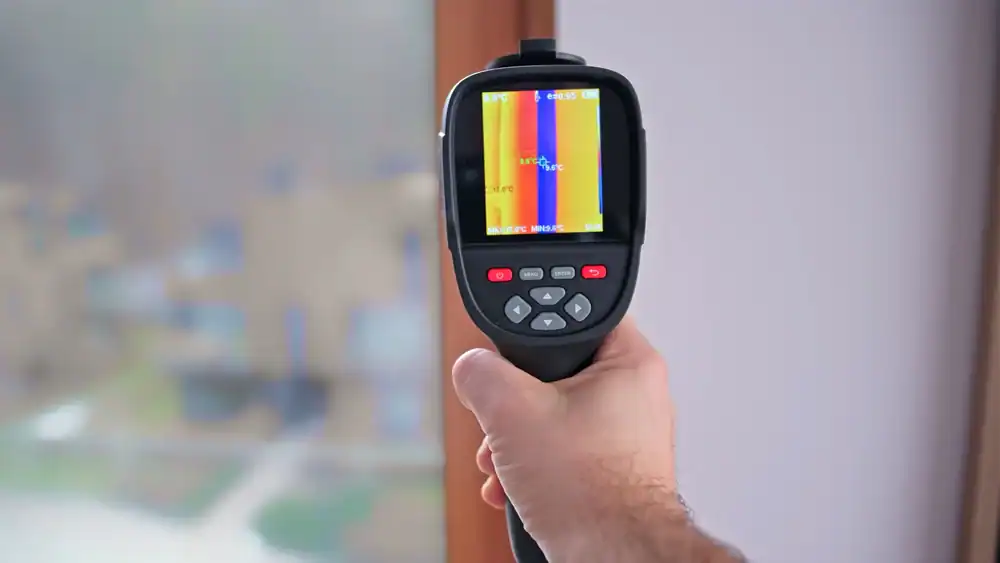
Most residential camera inspections in Farmingdale run between $200 and $400. The price depends on how much line you need inspected and how easy it is to access your system.
That cost usually pays for itself if it prevents even one unnecessary repair. We’ve seen homeowners spend thousands digging up sections of their yard trying to find a problem, when a camera inspection would’ve pinpointed it in the first hour. If you’re buying a house, spending $300 on an inspection before closing can save you from inheriting a $20,000 cesspool replacement that the seller didn’t disclose.
The inspection includes live footage, a recording, a written report, and exact location marking if we find issues. You’re not paying for guesswork—you’re paying for facts about what’s actually happening underground.
If the house you’re buying in Farmingdale has a cesspool or septic system, yes. Standard home inspections don’t look inside your pipes, and most don’t assess cesspool condition beyond a basic functionality check.
Suffolk County has over 360,000 properties using cesspools or septic systems, and many are decades old. Regulations changed in 2019—you can’t replace a cesspool with another cesspool anymore. If the system at the house you’re buying is near failure, you’re looking at a mandatory septic upgrade that can cost $20,000 or more. A camera inspection before you close tells you whether that’s coming, or if the system has years of life left.
Mortgage lenders often require these inspections for properties with on-site waste systems anyway. It protects them, but it protects you more. You’ll know exactly what you’re buying, and you can negotiate repairs or price adjustments before you own the problem.
Root intrusion is the most common issue we find in Farmingdale. Tree roots work their way into older clay pipes through joints and cracks, then grow inside the line until they block it completely. The camera shows you exactly where roots have infiltrated and how bad the blockage is.
We also find deteriorated pipes—sections that have corroded, cracked, or collapsed over time. Bellied pipes are another frequent problem: sections that have settled or shifted, creating low spots where waste pools instead of draining. Offset joints, where sections of pipe have separated, show up clearly on camera too.
Blockages from grease buildup, foreign objects, or sediment are easy to spot. So are structural issues like crushed pipes from ground settling or vehicle weight above. The camera gives you a full picture of your line’s condition, not just the spot that’s causing problems right now. That’s valuable for planning maintenance and avoiding surprises down the road.
Sometimes, yes. If the problem is a clog that can be cleared with hydro jetting or snaking, you won’t need excavation at all. The camera shows us whether the blockage is something we can remove without digging.
Even when excavation is necessary, the camera saves you from tearing up your entire yard. We mark the exact location of the problem from above ground using the camera’s transmitter. That means the crew digs one targeted spot instead of multiple exploratory holes trying to find the issue. Your landscaping, driveway, and the rest of your property stay intact.
In cases where the whole line needs replacement, the camera inspection still saves you money by confirming that before work starts. You’re not paying for a partial repair only to find out later that the entire system needs replacing. You make one informed decision based on complete information, not a series of expensive guesses.
Most residential inspections in Farmingdale take 30 minutes to an hour. The timeline depends on how much line you’re inspecting and whether we encounter blockages that slow the camera’s progress.
We’re not rushing through it. The camera moves slowly enough to capture clear footage of your pipe’s interior condition. If we find something that needs a closer look, we stop and document it thoroughly. You’re watching the monitor with us the whole time, so you see what we’re seeing as we move through the line.
After the inspection, you get the footage and a written report immediately. There’s no waiting days for results. If repairs are needed, we can usually give you an accurate estimate on the spot because we’ve just seen exactly what’s wrong and where it is. If your system looks good, you have documentation proving that for county records or future reference.
No. The camera is designed specifically for pipe inspection—it’s waterproof, flexible, and small enough to navigate bends and joints without causing damage. The camera head is smooth and moves through your lines the same way water does.
If your pipes are already compromised—severely cracked, partially collapsed, or blocked—the camera will show us that, but it won’t make the damage worse. We’re documenting existing conditions, not creating new problems. The inspection is completely non-invasive from your property’s perspective too. No digging, no disruption to your landscaping or driveway.
The only time we can’t complete a camera inspection is if the line is completely blocked and we can’t get the camera past the obstruction. In those cases, we’ll clear the blockage first, then run the camera to assess the full line condition. Either way, you’re getting accurate information about what’s happening underground without any risk to your existing system.
Other Services we provide in Farmingdale