
Hear from Our Customers
Most cesspool or drain problems start with someone making an educated guess about what’s wrong and where. That usually means digging up your yard in the wrong spot, then digging again when the first try doesn’t work.
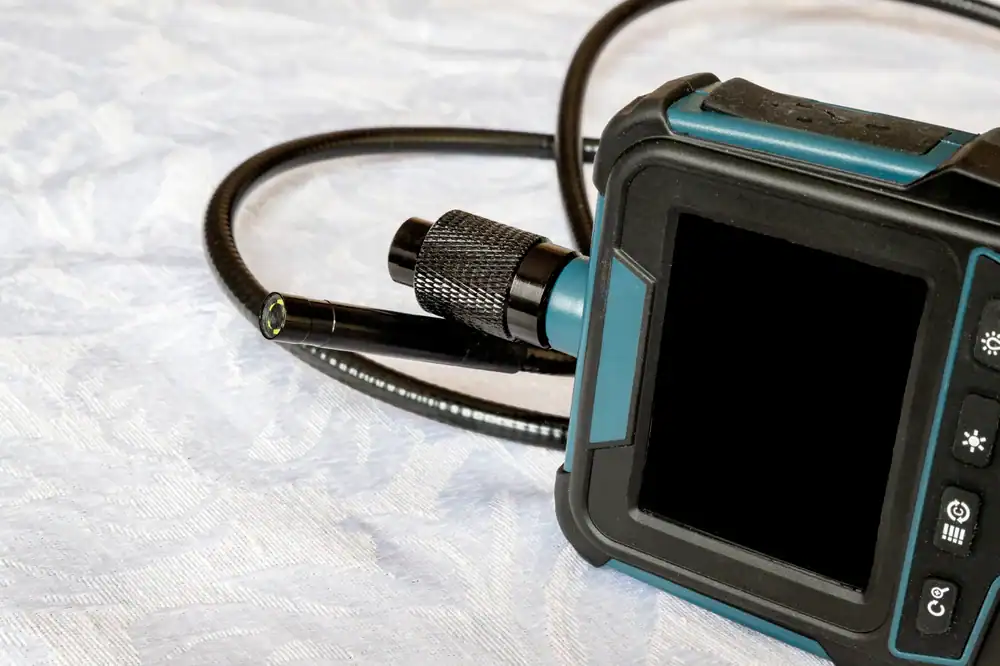
A sewer line video inspection changes that. The camera goes down into your pipes and shows you—in real time—what’s blocking the line, where roots have broken through, or if there’s a crack that’s about to become a collapse. You see it on a screen. We record it. And now you know exactly what needs fixing and what doesn’t.
That saves you money because you’re not paying for exploratory work or unnecessary repairs. It saves time because the crew knows what they’re dealing with before they show up with equipment. And it gives you documentation you can use for insurance claims, real estate transactions, or county compliance if you’re in Fort Salonga or anywhere else in Suffolk County where regulations are tightening up.
We’ve been handling cesspool and septic work across Long Island for nearly two decades. We’re not new to Fort Salonga, and we’re not new to the kinds of problems that show up in older systems sitting in sandy soil with a high water table.
Camera inspections used to be optional—something you’d do if you really wanted to be thorough. Now they’re standard for real estate closings, required by most lenders, and honestly just the smarter way to figure out what’s happening underground. We’ve been using this equipment long enough to know what we’re looking at when the camera hits a problem, and we can tell you whether it’s urgent or something you can plan for down the road.
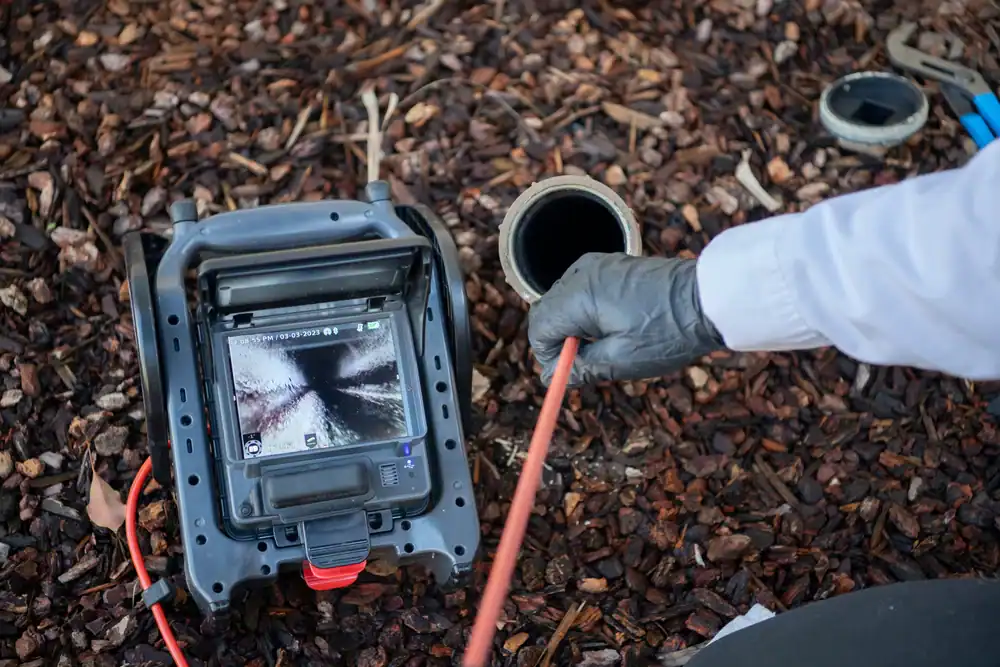
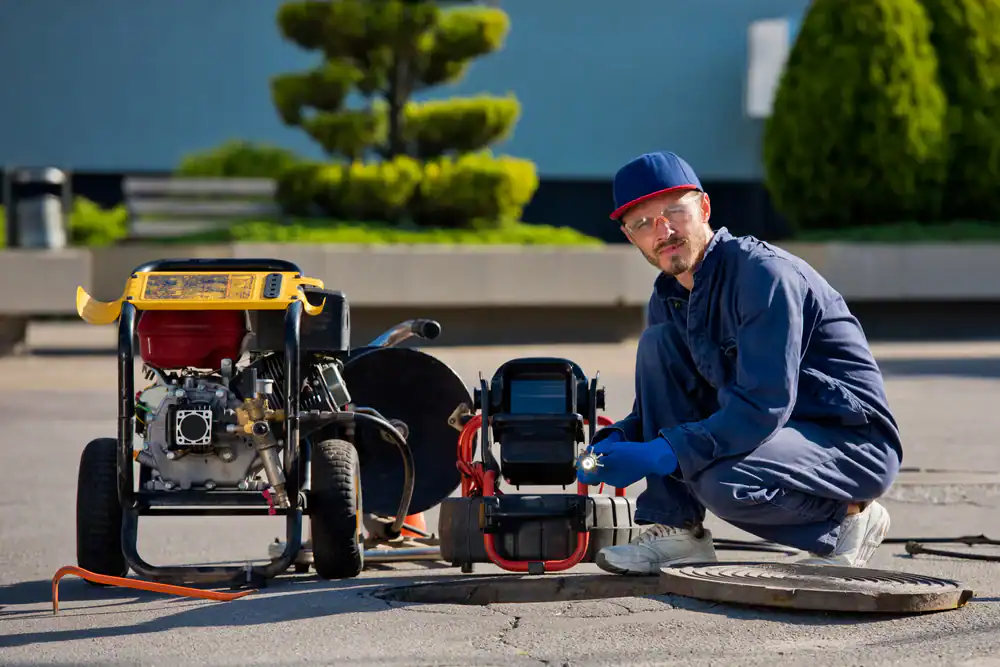
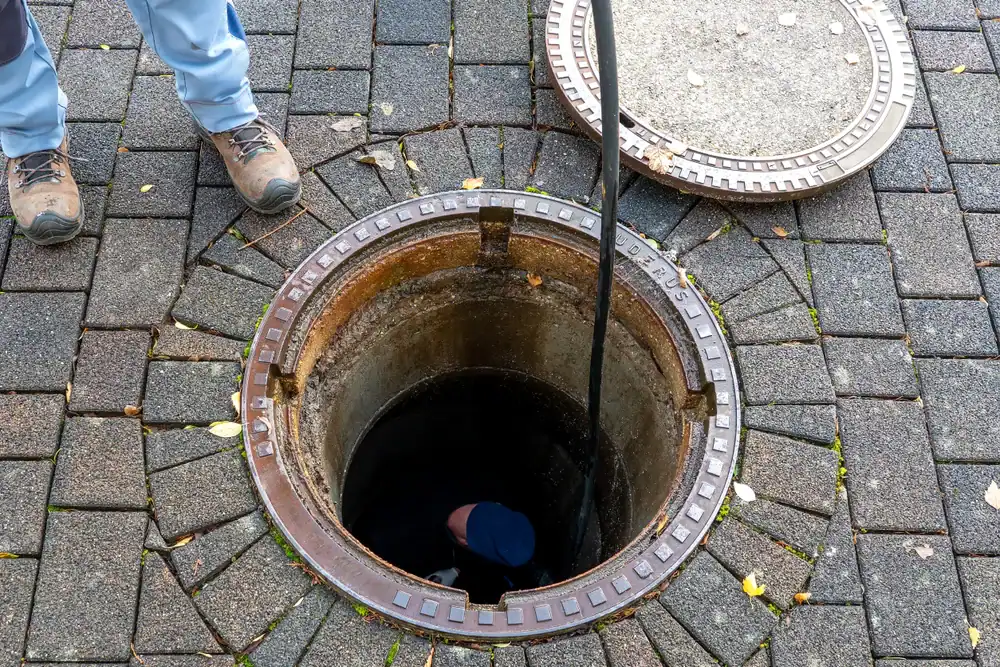
We start by accessing your sewer line or cesspool through an existing cleanout or access point. The camera is waterproof, fits through standard pipes, and has its own light source so it can record clear footage even when the line is partially blocked or full of water.
As the camera moves through the pipe, you’re watching the same feed we are. We can pause it, rewind it, and mark the exact distance from the access point to any problem we find—whether that’s a root intrusion, a crack, a belly in the line where water’s pooling, or a full blockage. The footage gets saved so you have a record of what the system looked like on that day.
Once we’ve covered the full line, we pull the camera back out and walk you through what we saw. If there’s a repair needed, we can tell you what it involves and how much it typically costs. If the line looks fine, you’ve got documentation proving that, which is useful if you’re selling a home or just want to know your system’s in decent shape before winter hits and everything freezes over.
Ready to get started?
The inspection itself usually takes between 30 minutes and an hour depending on how much line we’re covering. Our cameras can extend up to 300 feet, which is enough to cover most residential sewer lines from the house out to the street or from the cesspool to the distribution box.
You get digital footage of the entire inspection, which we can send you or burn to a disk if your lender or county office needs a physical copy. That footage includes timestamps and distance markers so anyone reviewing it knows exactly where each section of pipe is located on your property.
Fort Salonga properties deal with specific challenges that make camera inspections more valuable than they’d be in other areas. The soil here is sandy, which means it shifts. Tree roots find their way into pipes faster because there’s less resistance. And the water table sits high, which puts pressure on older cesspool systems that weren’t built to handle it. A camera inspection catches these issues while they’re still manageable instead of waiting until you’ve got sewage backing up into your basement or a sinkhole forming in your yard.
If you’re buying or selling a home in Fort Salonga, the inspection also satisfies the documentation requirements most lenders now have in place. Suffolk County’s been cracking down on cesspool compliance since 2019, and more transactions are getting held up because the system doesn’t have a recent inspection on file. This takes care of that.
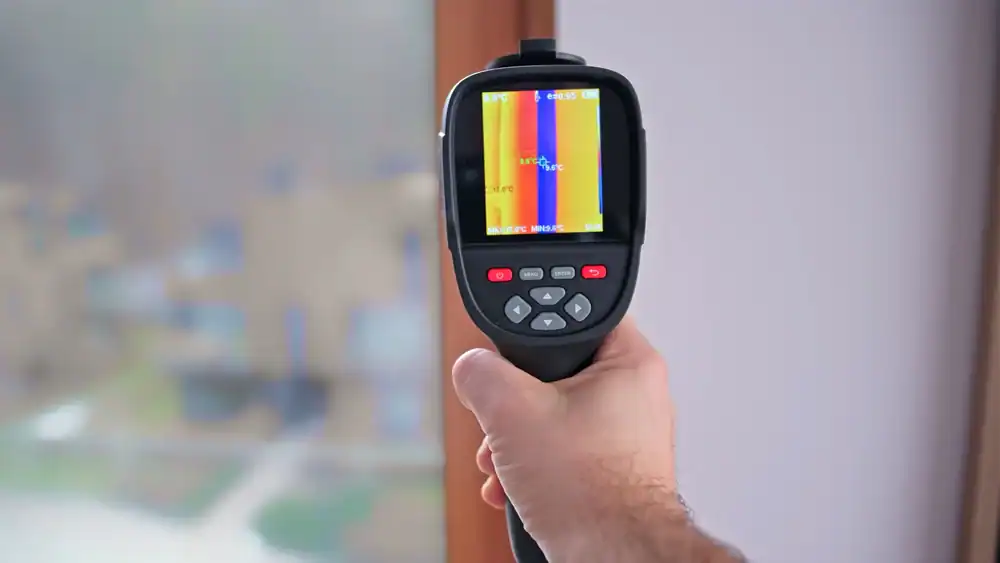
Most camera inspections run between $200 and $400 depending on how much line you need covered and whether there’s any prep work involved to access the system. That’s a small cost compared to what you’d spend if you skip the inspection and go straight to digging.
Here’s why it’s worth it: if you’ve got a blockage somewhere in your sewer line and you don’t know where, a crew might spend half a day digging up sections of your yard trying to find it. That’s easily a few thousand dollars in labor and restoration costs. The camera finds it in 20 minutes, and now you’re only paying to fix that one spot.
Same goes for buying a house. If the system fails six months after you close and you didn’t get an inspection, you’re looking at anywhere from $5,000 to $20,000 to replace a cesspool or repair a collapsed line. Spending $300 upfront to know what you’re getting into is a lot cheaper than finding out the hard way.
The camera shows you the inside surface of your pipes in real time. You’ll see cracks, root intrusions, blockages, grease buildup, corrosion, and any spots where the pipe has separated or collapsed. If there’s a belly in the line where water’s pooling and not draining properly, the camera picks that up too.
For cesspools, the camera can inspect the inlet and outlet pipes, check the condition of the tank walls if there’s access, and identify any structural damage that might lead to a collapse. It won’t see through solid blockages, but it’ll show you exactly where the blockage is and what’s causing it—whether that’s roots, grease, or something that got flushed and shouldn’t have been.
The footage is clear enough that you don’t need to be an expert to understand what you’re looking at. We’ll walk you through it, but most people can see the problem once we point it out. That’s the whole idea—you’re not taking our word for it, you’re seeing it yourself.
Most lenders now require some form of cesspool or septic documentation before they’ll approve a mortgage, especially in Suffolk County where the regulations around wastewater systems have gotten stricter. A camera inspection satisfies that requirement because it provides visual proof of the system’s condition on a specific date.
Even if your lender doesn’t require it, buyers are starting to ask for it as part of their due diligence. They want to know they’re not inheriting a system that’s about to fail, and a recent camera inspection gives them that confidence. If you’re selling and you can show clean footage of your sewer line and cesspool, it removes one of the biggest question marks from the transaction.
If you’re buying, getting your own inspection before you close protects you from surprises. Sellers aren’t always aware of problems in their system, and some issues don’t show symptoms until they suddenly do. The inspection costs a few hundred dollars and could save you from walking into a five-figure repair six months after you move in.
The actual inspection usually takes 30 minutes to an hour depending on how much line we’re inspecting and how easy it is to access your system. If you’ve got a cleanout installed, we can get the camera in quickly. If we need to pull a toilet or access the system another way, that adds a little time but not much.
You don’t need to do anything to prepare. We don’t need you to avoid using water or clear out any spaces unless the access point is blocked by furniture or storage. Once we’re done, there’s no cleanup beyond replacing whatever access cover we removed, and your plumbing works exactly the same as it did before we started.
Most people stick around to watch the footage as we’re recording it because it’s helpful to see what’s going on in real time and ask questions while we’re still on site. But you don’t have to. We can run the inspection, save the footage, and walk you through it afterward if that works better for your schedule.
The camera can identify cracks, separations, and holes in your pipes where leaks are likely happening. You’ll see water seeping in from the outside if the water table is high, or you’ll see gaps in the pipe where wastewater is leaking out into the surrounding soil.
What the camera can’t do is detect leaks in sections of pipe that are completely buried and inaccessible, or pinpoint leaks in pressurized water lines that aren’t part of your sewer system. But for drain lines, sewer lines, and cesspool connections—which is where most underground leaks happen—the camera gives you a clear picture of where the damage is and how severe it is.
That’s especially useful in Fort Salonga where soil conditions and tree roots cause a lot of the pipe damage we see. Once we know where the leak is, we can dig in that exact spot instead of tearing up your whole yard hoping to find it. That keeps the repair cost down and gets your system back to working order faster.
If we find something, we stop and show you what we’re looking at. We’ll explain what the problem is, whether it needs immediate attention or if it’s something you can monitor, and what the repair typically involves. You get the footage either way, so you’re not relying on our description—you’ve got the actual visual evidence.
From there, it’s your call. Some problems need to be fixed right away because they’re causing backups or they’re about to. Others are early-stage issues that you can plan for and budget for over the next few months. We’ll give you an honest assessment of where it falls, and if you want us to handle the repair, we can usually schedule that within a few days.
If you’re in the middle of a real estate transaction and the camera finds damage, you’ve got options. Buyers and sellers can negotiate who pays for the repair, or the buyer can ask for a credit at closing. Either way, you’re working with actual information instead of assumptions, and that makes the whole process less stressful for everyone involved.
Other Services we provide in Fort Salonga