
Hear from Our Customers
You’re not dealing with a slow drain just because. There’s a reason your kitchen sink backs up or your toilet gurgles when the shower runs. A sewer line video inspection shows you exactly what’s causing the issue—whether it’s a partial clog building up, tree roots breaking through your pipes, or sections that are starting to collapse.
Most Glen Head, NY homeowners don’t think about their cesspool or sewer lines until something goes wrong. By then, you’re looking at emergency repairs that can easily hit $5,000 or more. Real-time clog detection through camera inspection catches those issues early, when they’re still manageable and affordable to fix.
You get digital footage of the inside of your pipes. No one’s making assumptions or selling you services you don’t need. You see the problem, you understand what needs to happen, and you decide how to move forward. That’s how pipe condition assessment should work.
We operate with full licensing and insurance in Nassau County, which means we follow strict regulations for waste disposal and environmental protection. We’re not new to Glen Head—we know the soil conditions here, the common pipe materials in older homes, and what typically goes wrong with cesspool systems in this area.
Our team responds 24/7 because septic emergencies don’t wait for business hours. When you call, you’re talking to someone who’s seen hundreds of pipe inspections and knows the difference between a minor issue and something that needs immediate attention.
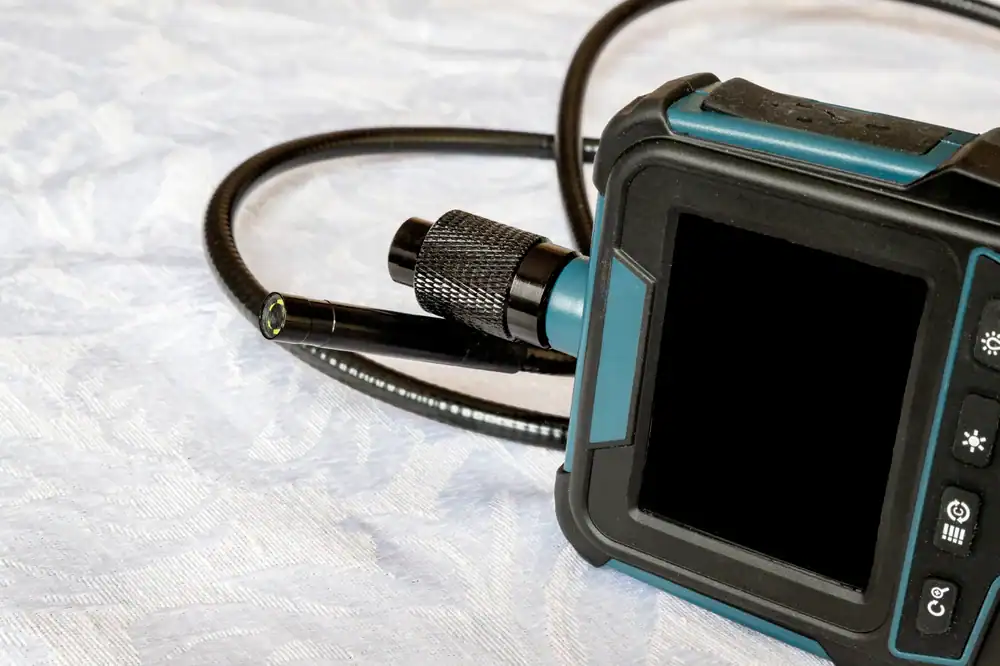
We use modern camera equipment that gives you clear, detailed footage—not grainy video that leaves you wondering what you’re looking at. You’ll see exactly what we see, and we’ll walk you through what it means for your system.
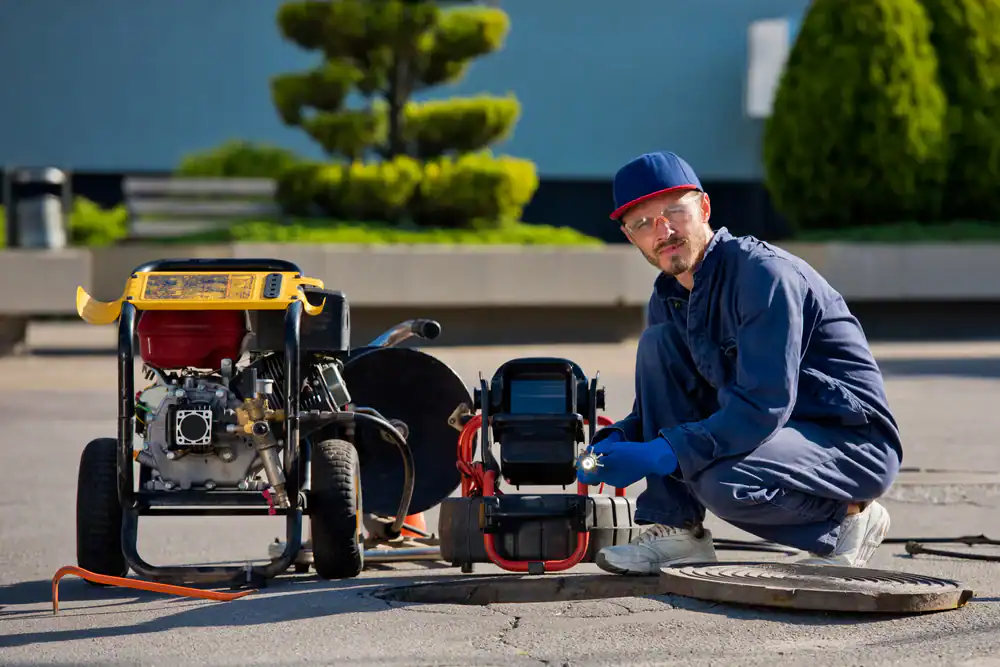
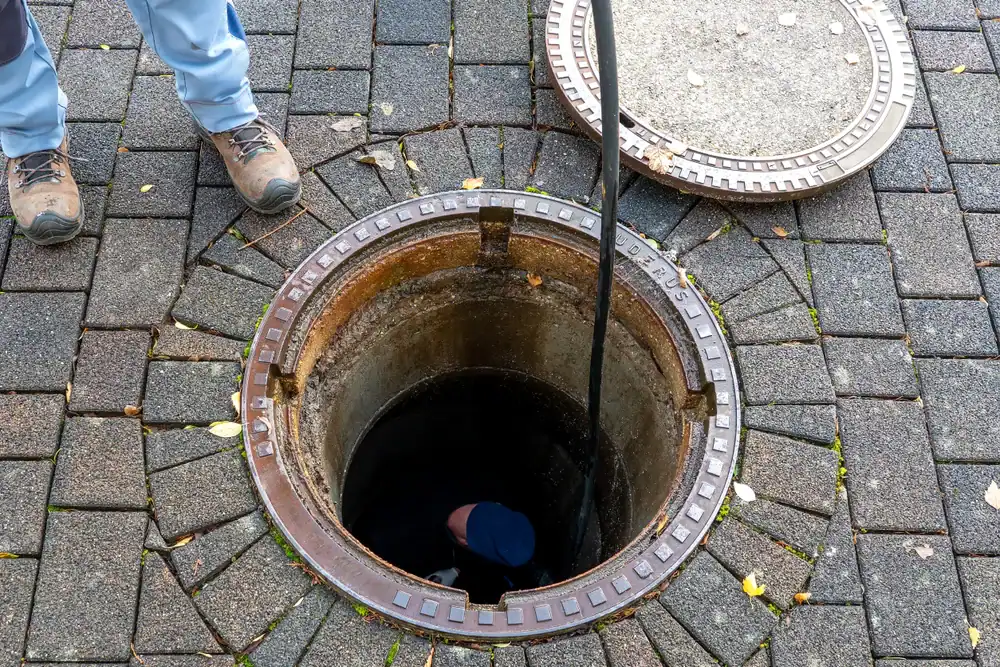
We start by locating your cleanout access point—that’s the entry point into your sewer line. If your property doesn’t have an accessible cleanout, we’ll let you know what’s needed to create one. Once we have access, we feed a flexible cable with a high-resolution camera attached through your pipes.
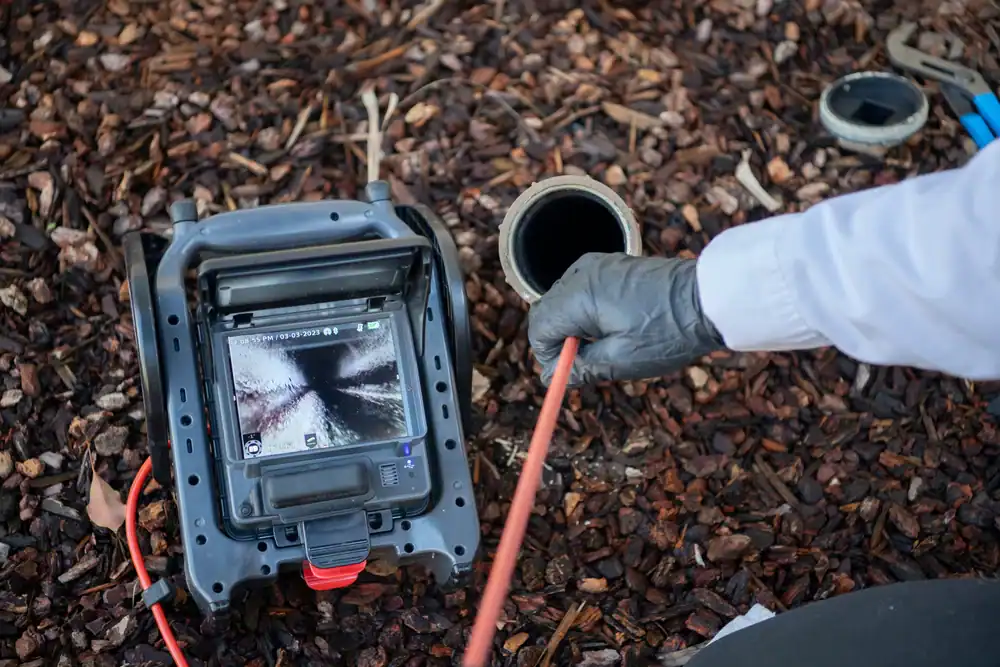
The camera transmits live footage to a monitor, so you can watch along as we move through your system. We’re looking for cracks, blockages, root intrusion, pipe separation, or any signs of deterioration. The camera head has its own lighting and can navigate bends in the pipe, giving us a complete view of your line’s condition.
As we move through, we’re noting the depth and location of any problems we find. That matters if repairs are needed—we can pinpoint exactly where to dig instead of tearing up your entire yard. The inspection typically takes 30 to 60 minutes depending on the length of your sewer line and what we find.
You get a full report with digital footage and our professional assessment. We’ll explain what we found, what it means for your system’s lifespan, and what your options are. No pressure, no upselling—just honest information so you can make the right call for your property.
Ready to get started?
Camera inspection gives you visibility into problems you can’t see from the surface. Locating underground pipe leaks used to mean digging up sections of your yard until someone found the problem. Now we can identify the exact location of a leak, crack, or break before any excavation happens.
In Glen Head, NY, many properties have older cesspool systems that are reaching the end of their functional lifespan. If your system is over 20 years old and you’re noticing slow drains or soggy spots in your yard, a camera inspection tells you whether you’re dealing with a simple clog or a failing system that needs replacement. That’s a significant difference in cost—potentially thousands of dollars.
You also get documentation that’s useful if you’re buying or selling a home. A failing septic system can drop your property value by 10-20%, so knowing the condition before listing gives you leverage. If you’re buying, a pre-purchase inspection protects you from inheriting someone else’s expensive problem.
The digital footage and reporting we provide isn’t just for your records. It’s documentation you can share with insurance companies, contractors, or inspectors. Everything is time-stamped and shows the exact condition of your pipes at the time of inspection.
Most camera inspections in the Glen Head area run between $300 and $600 depending on the length of your sewer line and accessibility. That might sound like a lot if nothing’s actively broken, but compare it to the cost of digging up your yard to find a problem—or worse, replacing an entire system because a small issue went undetected.
If you’re already experiencing backups or slow drains, the inspection often pays for itself by identifying the specific problem so repairs can be targeted instead of exploratory. Some companies will credit the inspection fee toward repair work if you move forward with them, though policies vary.
The real value isn’t just in what you spend today—it’s in what you avoid spending later. A $400 inspection that catches a developing crack can save you from a $7,000 system replacement down the road.
If you’re noticing slow drains, gurgling sounds, foul odors near your drain field, or wet spots in your yard, get an inspection now. Those are early warning signs that something’s wrong with your cesspool or sewer line. Waiting usually makes the problem worse and more expensive.
You should also consider an inspection if it’s been more than five years since your last service, especially if your system is over 15 years old. Cesspools don’t last forever—most have a lifespan of 20-40 years depending on soil conditions and maintenance. Knowing where yours stands helps you plan instead of react.
Before buying a home in Glen Head, get the sewer line inspected even if the general home inspection didn’t flag anything. Standard inspections don’t include camera work, so you could be buying a property with a failing system that’ll need replacement within a year. That’s an expensive surprise you can avoid with one inspection.
Yes, and tree root intrusion is one of the most common problems we find during inspections in Glen Head. Roots are attracted to the moisture in your sewer line and will work their way into any small crack or joint separation. Once inside, they grow and create blockages that get worse over time.
The camera shows us exactly where roots have entered, how extensive the intrusion is, and whether the pipe itself is damaged. Sometimes roots can be cleared with hydro-jetting and the pipe is still structurally sound. Other times, the roots have caused enough damage that a section of pipe needs to be replaced.
If you have mature trees on your property—especially willows, maples, or oaks—and you’re experiencing recurring clogs, roots are likely the culprit. A camera inspection confirms it so you’re not wasting money on temporary fixes that don’t address the real issue.
A regular cesspool inspection typically involves pumping your tank and doing a visual check of the tank’s condition and liquid levels. That tells you if your tank needs pumping and whether the tank itself is structurally sound. It doesn’t tell you anything about the condition of your pipes or drain field.
A camera inspection goes further—it examines the sewer lines leading to your cesspool and can check distribution lines in your drain field. You’re getting a view of the entire system’s health, not just the tank. That’s important because many “cesspool problems” are actually pipe problems that wouldn’t show up during a standard tank inspection.
If you’re dealing with backups or slow drains, you need the camera inspection. If you just need routine maintenance and pumping, a standard inspection is usually sufficient. Many Glen Head homeowners do both—standard inspections every 1-3 years and camera inspections every 5 years or when problems arise.
No. The camera system is designed to move through your pipes without causing any damage. The camera head is smooth, flexible, and smaller than the diameter of your sewer line. We’re not forcing anything or putting pressure on your pipes—we’re just feeding the cable through and recording what we see.
There’s no digging required for the inspection itself unless we need to access or create a cleanout point. Most properties in Glen Head already have cleanout access, so the inspection is completely non-invasive. You won’t have torn-up landscaping or disrupted driveways just from the camera work.
If the inspection reveals that repairs are needed, that’s when excavation might come into play—but you’ll know exactly where to dig instead of guessing. The camera inspection actually minimizes property damage by eliminating exploratory digging.
Most inspections take 30 to 60 minutes from start to finish. That includes setup, running the camera through your sewer line, reviewing footage with you, and answering your questions. If we find significant blockages or damage that requires more detailed examination, it might take a bit longer.
The length of your sewer line affects timing—a 50-foot line obviously takes less time to inspect than a 150-foot line. Accessibility matters too. If your cleanout is easy to reach and your pipes are relatively clear, we move through quickly. If we’re navigating around blockages or multiple bends, it takes more time.
You’re welcome to watch the footage in real-time as we conduct the inspection. Most Glen Head homeowners appreciate seeing what’s happening in their pipes firsthand rather than just getting a report after the fact. We’ll walk you through what you’re looking at and explain anything that needs attention.
Other Services we provide in Glen Head