
Hear from Our Customers
You’re not calling because everything’s fine. Maybe drains are slow, or you’re smelling something you shouldn’t. Maybe you’re buying a house and don’t want to inherit someone else’s plumbing nightmare.
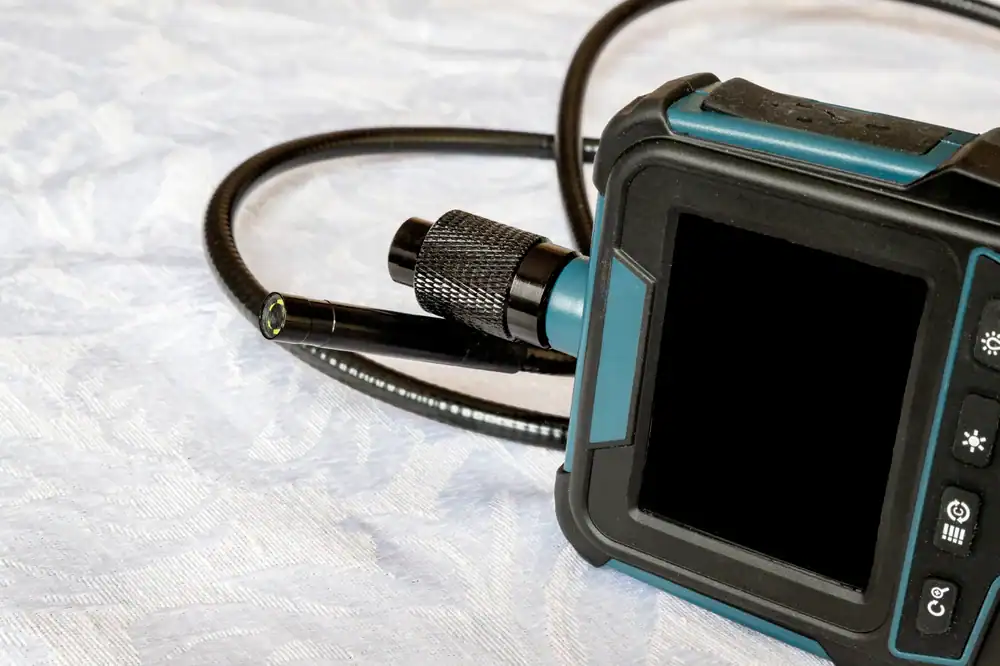
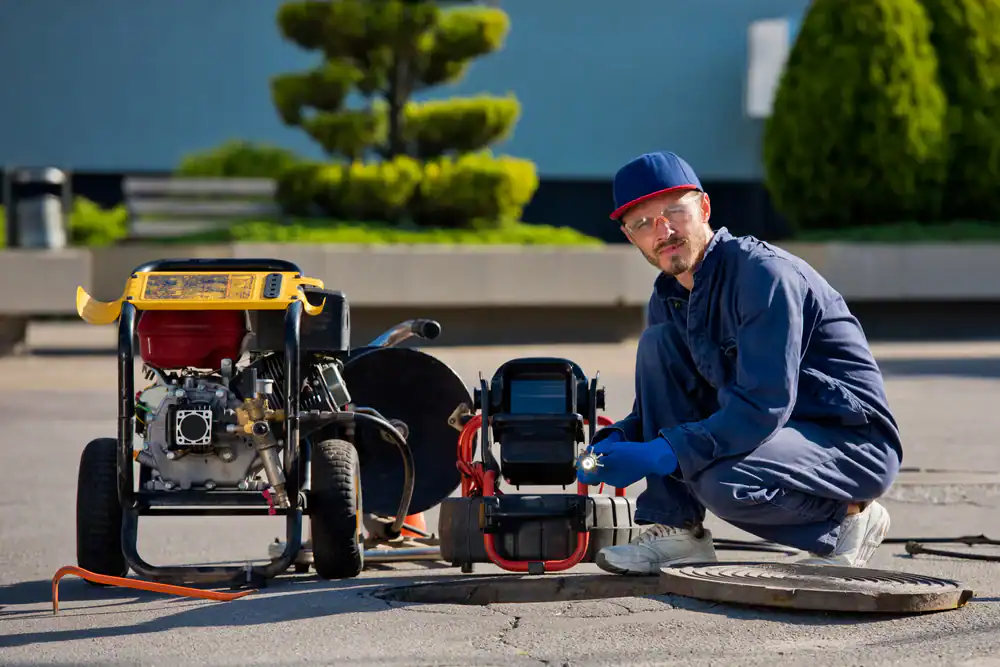
A sewer line video inspection shows you what’s actually going on inside your pipes. We feed a waterproof camera through your system and you watch the footage with us. Cracks, roots, clogs, collapsed sections—it’s all there on screen. No speculation, no sales pitch about problems that might not exist.
Most inspections run between $200 and $400. Compare that to digging up your driveway based on a hunch, or dealing with a basement full of sewage because a small crack turned into a complete failure. The camera finds issues while they’re still manageable, which means you fix them on your timeline instead of during a holiday weekend at emergency rates.
We’ve been handling septic and sewer work across Long Island for over a decade, but our family’s been in this business for four generations. We’re licensed, insured, and we’ve seen what happens to pipes in Greenlawn’s soil conditions year after year.
Salt air corrodes cast iron faster here than it does inland. Older homes still have original lines from the ’50s and ’60s that are reaching the end. We know which systems hold up and which ones are on borrowed time.
When you call, you’re talking to people who’ve actually done this work, not a call center. We show up when we say we will, we charge what we quote, and we don’t upsell you on repairs you don’t need.
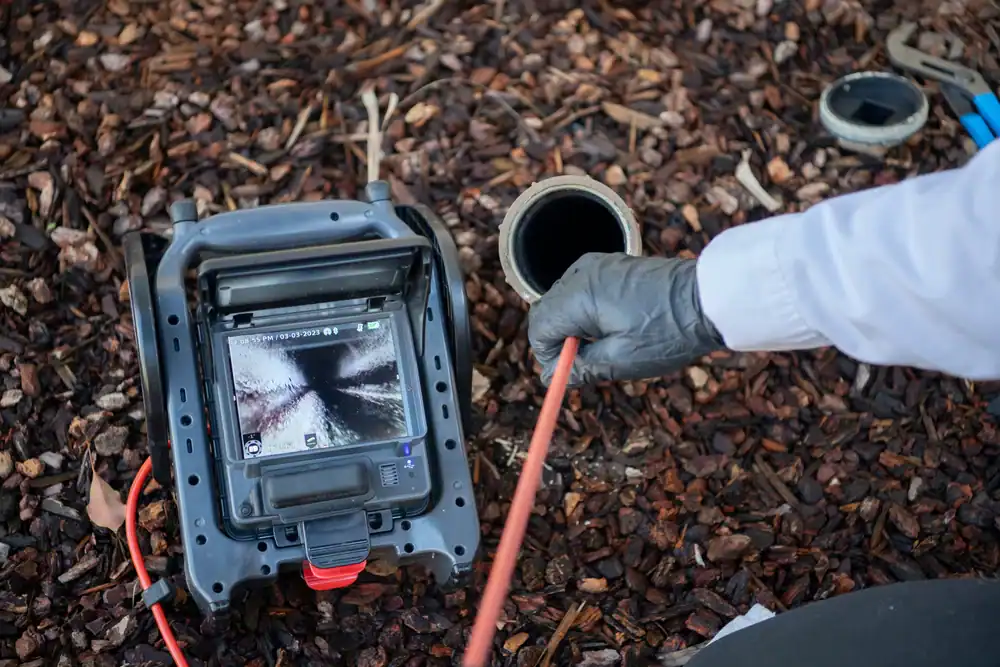
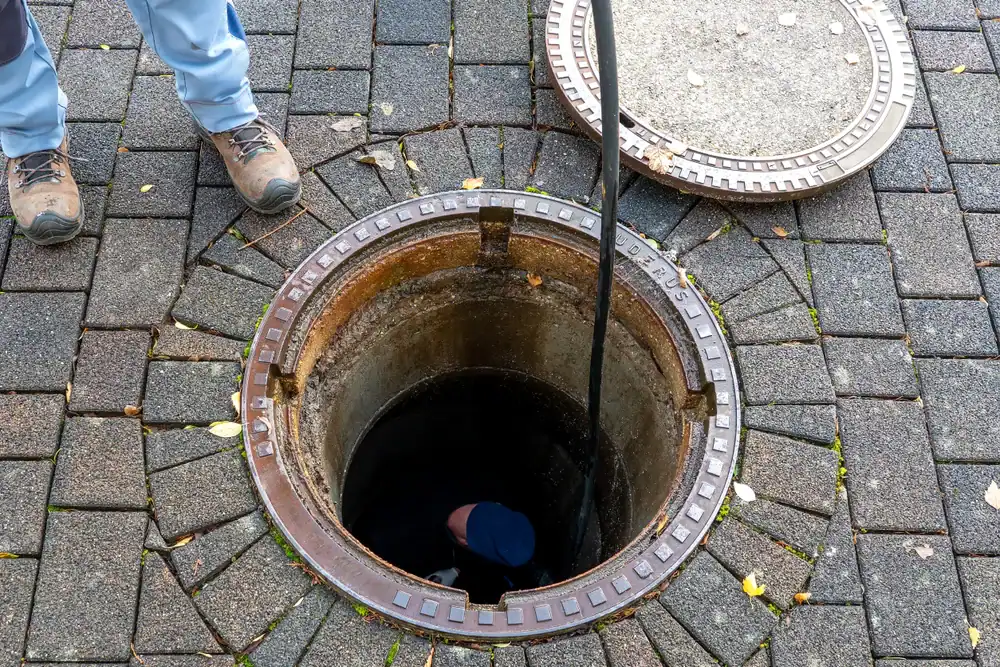
We start at an access point—usually a cleanout or drain opening. The camera feeds through your line on a flexible cable that can navigate bends and reach up to 300 feet. It works in pipes anywhere from 2 to 36 inches in diameter.
You see what we see. The camera transmits live footage, so when we spot a crack or root intrusion or grease buildup, you’re looking at the same screen. We’ll stop and take snapshots of problem areas, then email them to you for your records or to share with contractors if repairs are needed.
If there’s a blockage or damage, we use a locator that sends a signal from the camera head. That lets us mark the exact spot on the ground above—no guessing where to dig if it comes to that. The whole process is non-invasive. Your landscaping stays intact, your driveway doesn’t get torn up, and you walk away with documentation of your system’s actual condition.
Ready to get started?
Real-time clog detection means we can see exactly what’s blocking your line—tree roots, grease buildup, collapsed pipe sections, or objects that shouldn’t be there. We’re also locating underground pipe leaks before they turn your yard into a swamp or contaminate groundwater.
The camera picks up cracks you can’t see from above ground. Small fractures that let roots in. Sections where the pipe is separating at joints. Bellied areas where water pools and sediment collects. These are the issues that turn into emergencies if you ignore them.
In Greenlawn specifically, we see a lot of root intrusion from mature trees and corrosion in older cast iron lines. The soil here shifts, especially after heavy rain, and that movement stresses pipes that were installed decades ago. A camera inspection gives you digital footage and reporting that documents everything, which is useful if you’re filing an insurance claim or negotiating a home purchase price.
Some insurance companies will cover the cost of inspection if you’re investigating a claim. And if you’re buying a home, spending a few hundred dollars now can save you from discovering a $10,000 sewer line replacement after you’ve already closed.
Most residential camera inspections in Greenlawn run between $200 and $400, depending on the length of your sewer line and how accessible your cleanout is. That’s significantly less than what you’d pay for emergency repairs, which typically start around $3,000 and can easily hit $10,000 or more if there’s extensive damage.
If you’re dealing with an active backup or urgent issue, some companies charge more for emergency service. We don’t. Our pricing stays consistent whether you call at 2 p.m. or 2 a.m., because the work is the same.
The inspection includes the camera run, live footage review, snapshots of any problem areas, and a locator signal if we need to mark where damage is occurring underground. You’ll get digital footage emailed to you afterward, which is helpful for getting repair quotes or submitting to insurance.
The camera shows cracks, root intrusions, grease buildup, collapsed sections, separated joints, and foreign objects blocking the line. It also picks up bellied areas where the pipe has sagged and water is pooling, which leads to recurring clogs.
You’ll see the condition of the pipe material itself—whether it’s cast iron that’s corroding, clay that’s cracking, or PVC that’s holding up fine. If tree roots have broken through, you’ll see exactly where and how bad the intrusion is. If there’s a blockage, we can tell whether it’s something that needs hydro-jetting or if the pipe is damaged and needs repair.
The camera works in real time, so you’re watching the same feed we are. When we stop to mark a problem area, you know exactly what we’re looking at and why it matters. There’s no guessing, and there’s no room for us to exaggerate issues that don’t exist.
No. The camera inspection is completely non-invasive. We access your sewer line through an existing cleanout or drain opening, feed the camera through on a flexible cable, and retrieve it the same way.
Your landscaping stays intact. Your driveway doesn’t get torn up. If we do find damage and you need repairs, the camera’s locator feature pinpoints the exact spot underground so any digging is minimal and targeted—not exploratory.
That’s one of the biggest advantages of camera inspections. In the past, finding a problem meant digging up sections of your yard until you located the issue. Now, we know exactly where the damage is before anyone picks up a shovel. It saves time, money, and keeps your property looking the way it should.
If multiple drains are backing up at the same time, that’s a sign your main sewer line has a problem. If you’re hearing gurgling from your kitchen sink when you flush the toilet, that’s another red flag. Sewage odors in your yard, unusually green patches of grass, or soggy areas near your cesspool all point to leaks or failures underground.
You should also get an inspection before buying a home. Sellers aren’t always aware of sewer line issues, and you don’t want to close on a property only to discover you need a $10,000 pipe replacement a month later. The inspection gives you leverage to negotiate repairs or adjust the purchase price.
Even if nothing seems wrong, an inspection every few years makes sense if your home is older or you have mature trees near your sewer line. Catching a small crack early is a lot cheaper than dealing with a collapsed pipe and a flooded basement.
Most residential inspections take between 30 minutes and an hour, depending on how long your sewer line is and whether we encounter any blockages or damage that require a closer look.
If your line is clear and in good shape, we move through it quickly. If we find issues, we’ll slow down to document them properly—taking snapshots, marking locations with the locator, and explaining what you’re seeing on the screen.
We’re not rushing through to get to the next job. You’re paying for answers, and we make sure you understand what’s happening in your system before we pack up and leave. If repairs are needed, we’ll walk you through your options and what each one involves, but there’s no pressure to decide on the spot.
Yes. We email you snapshots of any problem areas we find, along with notes on what you’re looking at and where it’s located in your line. If you want the full video file, we can provide that too.
Having documentation is useful for a few reasons. If you’re getting repair quotes from other contractors, they can see exactly what needs fixing instead of doing their own inspection. If you’re filing an insurance claim, the footage serves as proof of the damage. And if you’re in the middle of buying or selling a home, it gives everyone involved a clear picture of the sewer line’s condition.
The footage is yours. You paid for the inspection, so you get to keep the results. Some companies charge extra for copies or only give you a verbal summary. We don’t operate that way.
Other Services we provide in Greenlawn