
Hear from Our Customers
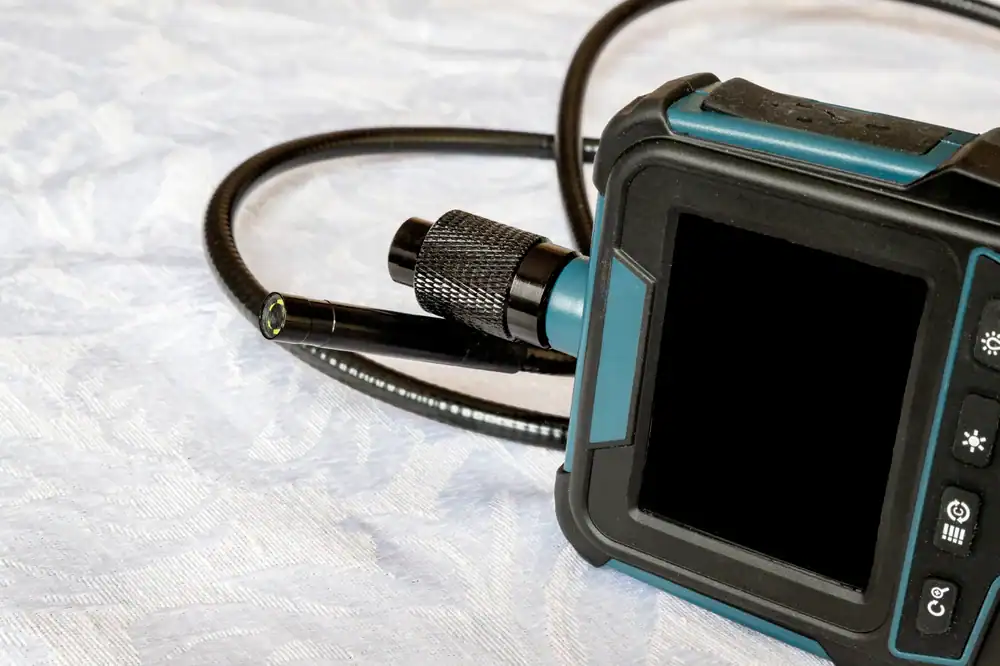
You shouldn’t have to trust a contractor’s hunch about what’s happening underground. A camera inspection gives you visual proof of the problem, its exact location, and how serious it actually is.
That means no exploratory digging. No tearing up your yard to find the issue. No paying for repairs you don’t actually need.
You get a USB with the full video inspection. You see the clog, the crack, the root intrusion, or whatever’s causing the backup. Then you decide what makes sense for your property and your budget. Real-time clog detection means we’re not billing you for hours of trial and error.
If your drains have been slow for weeks and nobody can tell you why, this is how you get answers. If you’re buying a home in Islip and the lender wants proof the system’s in good shape, this is what closes that gap. Pipe condition assessment isn’t about upselling you—it’s about showing you what’s there so you’re not blindsided later.
We know Long Island soil. Sandy conditions around Islip mean your cesspool and sewer lines face different pressures than systems in other parts of the state. Roots find their way in. Older cast-iron pipes corrode faster here.
We’re licensed, insured, and we’ve seen what goes wrong in this area. Our team uses high-resolution cameras that work in pipes from 2 to 36 inches in diameter, and we know how to read what we’re looking at.
You’re not getting a generic inspection from a crew that’s never worked in Suffolk County. You’re getting local expertise, modern equipment, and straight answers about what’s happening under your property.
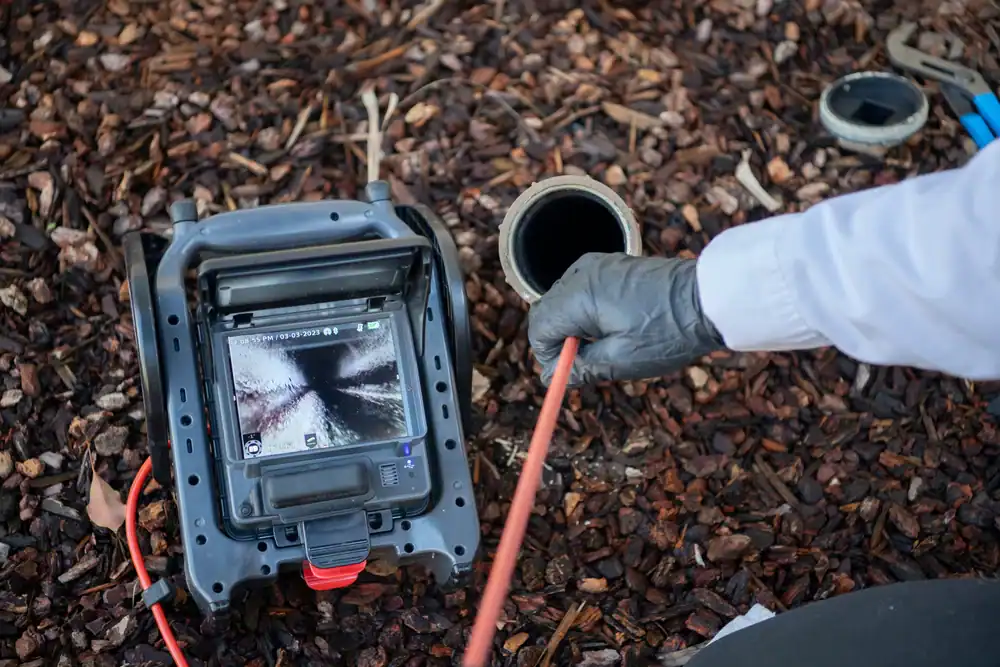
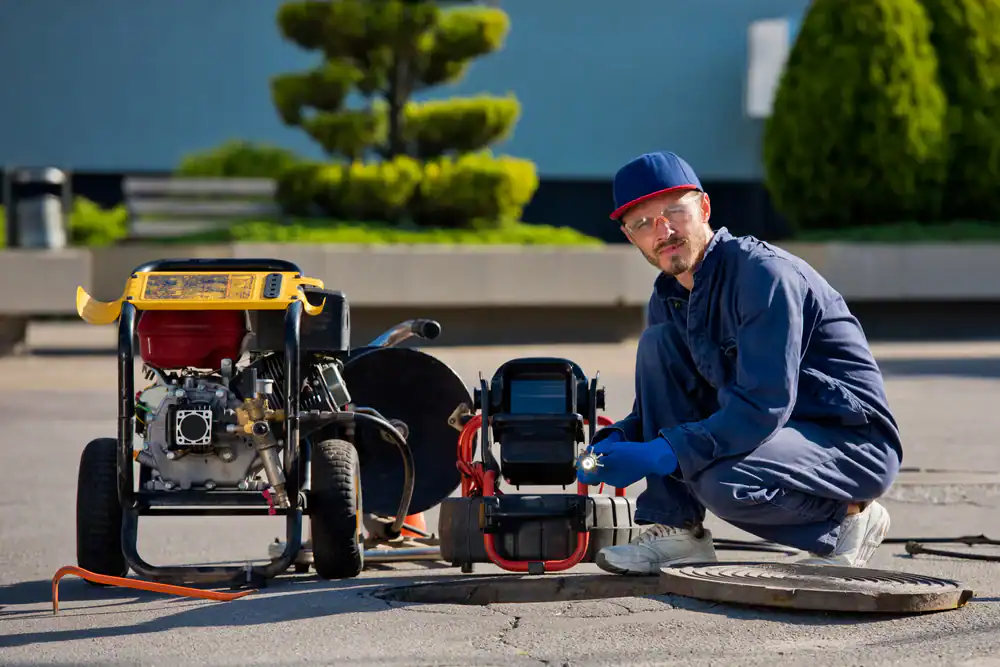
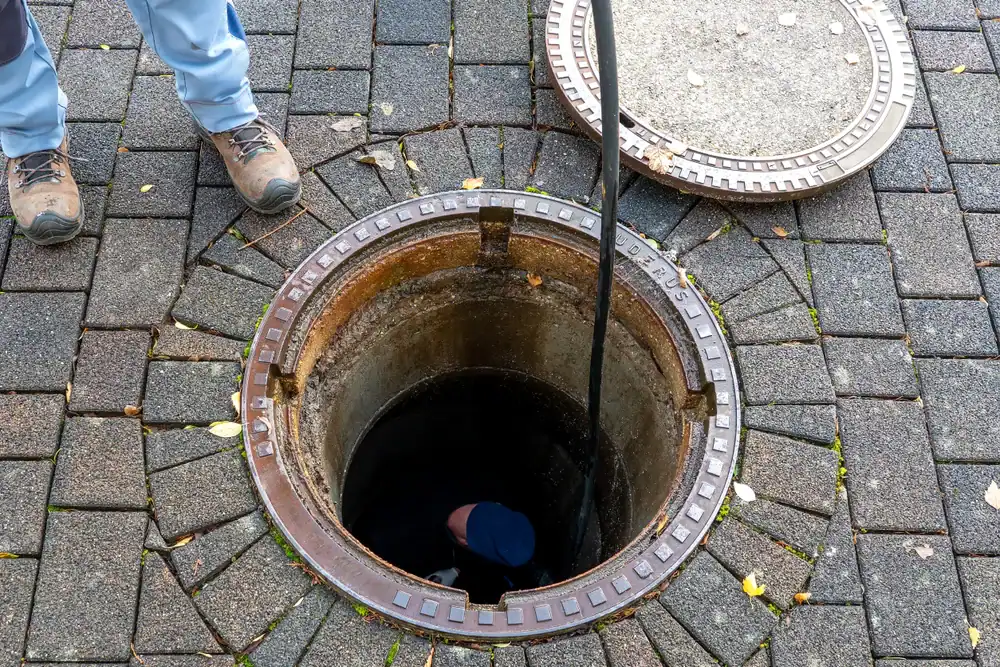
We start by accessing your sewer line through an existing cleanout or entry point. No digging required at this stage. Our flexible camera line feeds through the pipe, transmitting real-time footage as it moves.
You can watch the screen with us if you want. We’re looking for blockages, cracks, root intrusion, corrosion, bellied pipes, or anything else that’s affecting flow. The camera has a locator so we know exactly how many feet in the problem sits.
Once we’ve covered the full line, you get digital footage and reporting on a USB card. We’ll walk you through what we found, where it is, and what your options are. If it’s a simple clog, we can usually clear it right then. If it’s structural damage, we’ll give you an accurate estimate based on what we actually saw—not a guess.
The whole process usually takes under an hour unless we’re dealing with a complicated system. And if you move forward with a repair, we discount the inspection cost. Locating underground pipe leaks or diagnosing recurring backups doesn’t have to be a mystery.
Ready to get started?
Every camera inspection includes a full video recording of your sewer line from entry to exit. You’re not just getting a verbal summary—you’re getting footage you can review, share with another contractor if you want a second opinion, or keep for your records.
We measure depth and distance so you know exactly where the problem is. That matters if you’re hiring someone else to dig or if you need to pull permits. The footage is date-stamped and includes our notes on what we observed.
In Islip, a lot of homes were built decades ago. Older neighborhoods around the bay or near the Fire Island inlet deal with high water tables and shifting soil. That puts extra stress on underground pipes. A video inspection catches issues before they become full system failures, which around here can mean contaminated groundwater or costly emergency repairs during a holiday weekend.
If you’re closing on a house, some lenders require proof that the sewer line is clear. We handle that. If you’re selling and want to show buyers the system’s in good shape, this is how you do it. And if you’re just dealing with slow drains that won’t quit, this is the fastest way to stop guessing and start fixing.
Most camera inspections in the Islip area run a few hundred dollars depending on the length and complexity of your system. If you’re dealing with a standard residential sewer line, expect the lower end of that range.
If you decide to move forward with a repair based on what we find, we discount the cost of the inspection. That means you’re not paying twice—you’re paying for the diagnostic, and if we do the work, that fee gets rolled in.
Emergency inspections cost more, especially if you’re calling on a weekend or holiday. But even then, it’s far less expensive than digging up your yard in three different spots trying to guess where the problem is. You’re paying for accuracy, and that saves you money in the long run.
A camera inspection shows us what’s inside the pipe—cracks, breaks, root intrusion, corrosion, blockages. If there’s a visible opening in the pipe wall, we’ll see it. But cameras can’t detect external leaks or tell us if groundwater is seeping in from outside.
That said, we can often infer a leak based on what we’re seeing. If there’s a section where roots have pushed through, or if the pipe is visibly separated, that’s a leak waiting to happen if it’s not already active.
For properties in Islip where the water table runs high, leaks are a bigger deal. You’re not just losing water—you’re potentially contaminating your own yard or your neighbor’s well. If we suspect a leak based on the footage, we’ll recommend a pressure test or dye test to confirm before you spend money on a repair.
Most residential inspections take 30 to 60 minutes depending on how long your sewer line is and whether we hit any obstacles. If your line is heavily blocked, we may need to clear it first before the camera can get through.
Commercial properties or multi-unit buildings can take longer, especially if there are multiple lines to inspect. But for a typical single-family home in Islip, you’re looking at under an hour from start to finish.
You’ll get the footage on a USB before we leave, and we’ll walk you through what we found right there on site. No waiting days for a report. No wondering what’s next. You see it, we explain it, and you decide how to move forward.
If the home you’re buying in Islip has a cesspool or septic system, a camera inspection is one of the smartest moves you can make. A standard home inspection doesn’t usually include a sewer line video, and that’s where expensive surprises hide.
Older homes around here—especially anything built before 1980—often have cast-iron pipes that corrode from the inside out. You won’t see it until there’s a backup, and by then you own the problem. A video inspection shows you the condition of the line before you sign.
Some lenders actually require it, especially for FHA loans or rural properties. Even if yours doesn’t, spending a few hundred dollars now can save you thousands later. If the inspection turns up a collapsed line or major root intrusion, you can negotiate with the seller or walk away. Once you close, it’s your bill.
We find blockages—grease, paper, roots, debris. We find structural damage like cracks, breaks, corrosion, and bellied sections where the pipe has sunk and water pools. We find root intrusion, which is common in Islip because of the mature trees and sandy soil.
We also catch issues that aren’t causing problems yet but will soon. A small crack today is a collapsed pipe next winter. Roots that have just started poking through will take over the whole line if you ignore them.
The camera shows us pipe material, joint condition, and whether previous repairs were done right. If someone patched a section with mismatched materials or didn’t seal a joint properly, we’ll see it. Real-time footage means we’re not speculating—we’re showing you exactly what’s there and what it means for your system.
Yes. If you’re dealing with a backup and need to know what’s causing it right now, we offer emergency camera inspections. We’re available 24/7 because sewer problems don’t wait for business hours.
An emergency inspection costs more than a scheduled one, but it’s often the fastest way to get your system back online. If we can see the blockage and clear it on the spot, you’re done. If it’s a break or collapse, at least you know what you’re dealing with and can make a plan.
For Islip homeowners, emergency service is critical during storms or freeze-thaw cycles when pipes are most likely to fail. Waiting until Monday to figure out why your basement is flooding isn’t realistic. We bring the camera, diagnose the issue, and give you options fast.
Other Services we provide in Islip