
Hear from Our Customers
You can’t fix what you can’t see. For decades, diagnosing pipe problems meant digging up your yard and hoping the crew found the issue where they thought it might be. That guesswork cost homeowners thousands in unnecessary excavation and yard repairs.
Camera inspections changed that. A waterproof camera travels through your pipes and sends back real-time footage of exactly what’s blocking, cracking, or corroding underground. You see the same footage the technician sees—cracks, root intrusions, collapsed sections, whatever’s there.
That means you’re not paying to dig up half your property to find a problem. You’re getting a precise location and a clear diagnosis. If tree roots invaded your line 47 feet from the house, you’ll know before anyone touches a shovel. If your old clay pipes finally gave out near the street connection, you’ll see it on screen.
The result: you make decisions based on facts, not estimates. You know whether you need a repair, a replacement, or just a good cleaning. And you avoid spending money on fixes that don’t address the actual issue.
We’ve been handling cesspool and septic issues across Long Island for almost two decades. We’re a family-owned operation with roots going back four generations—which means we’ve seen just about every pipe problem this area can throw at a property.
Lattingtown homes deal with unique challenges. Many properties here run on cesspool or septic systems, not public sewer. The soil drains fast, water tables shift, and a lot of the older pipes are clay or cast iron that’s been underground for 50-plus years. We know what fails first and why.
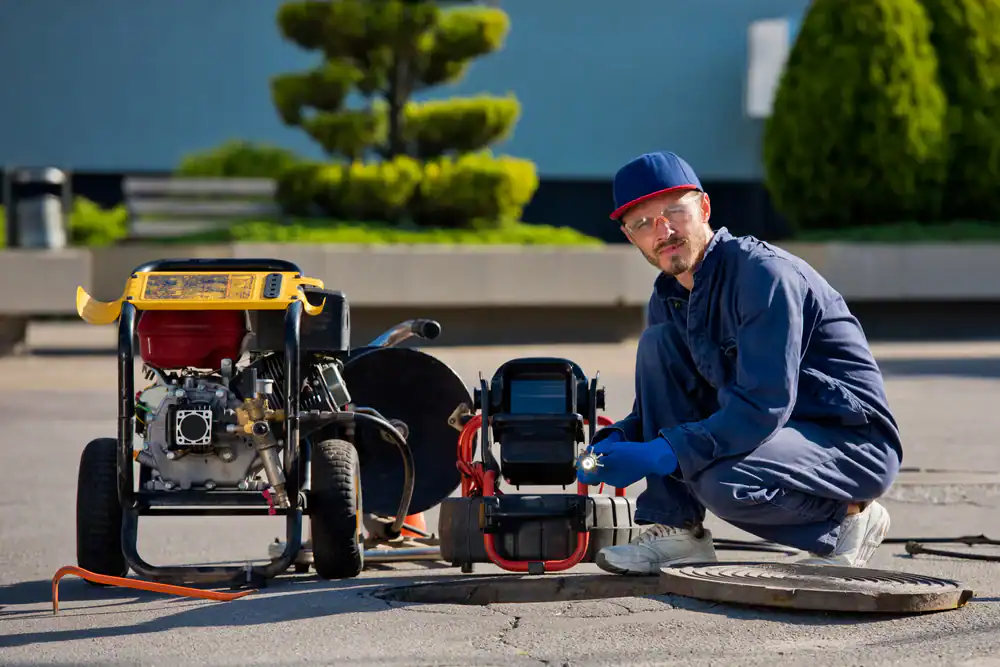
Our camera equipment handles pipes from 2 inches to 36 inches in diameter. We’re available around the clock because pipe problems don’t wait for business hours. And we don’t charge you for a repair until you’ve seen exactly what needs fixing.
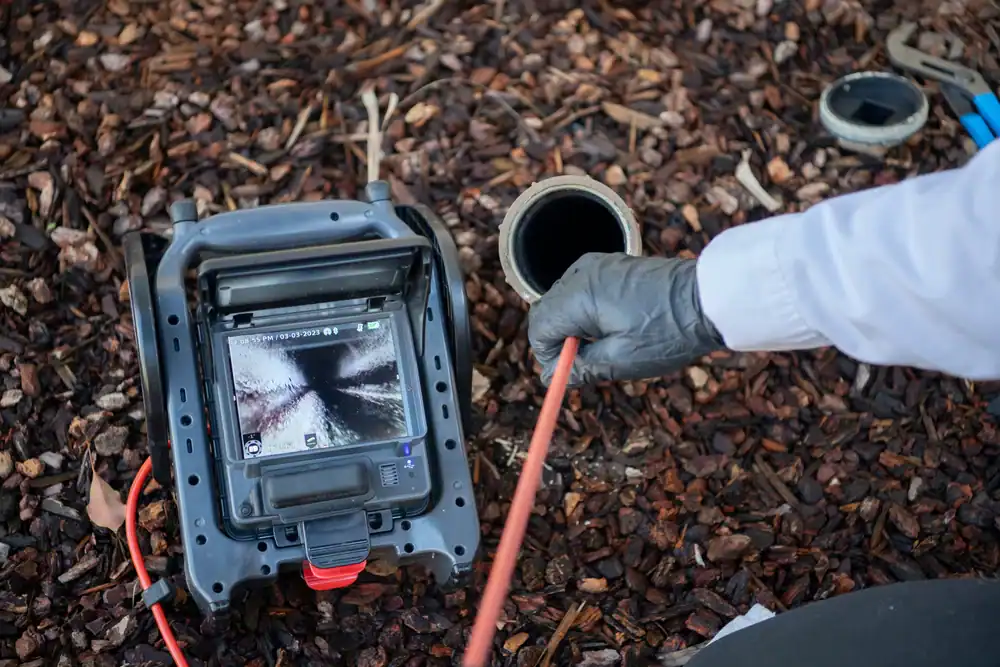
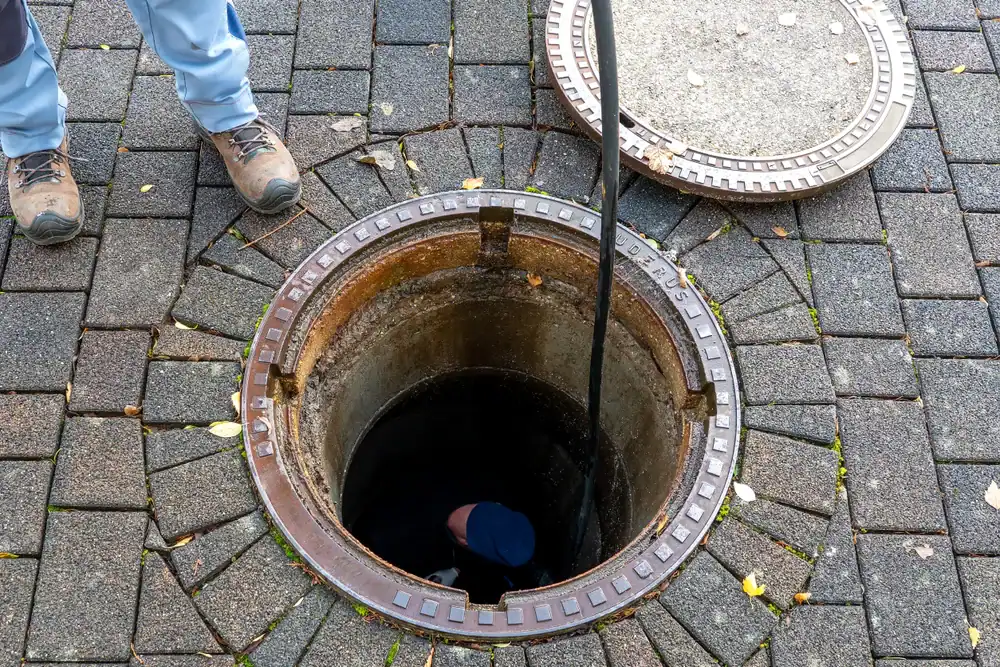
First, we locate your cleanout access point—usually a capped pipe in your yard or basement. That’s where the camera enters your system. If your property doesn’t have a cleanout, we’ll let you know upfront what’s needed to access the line.
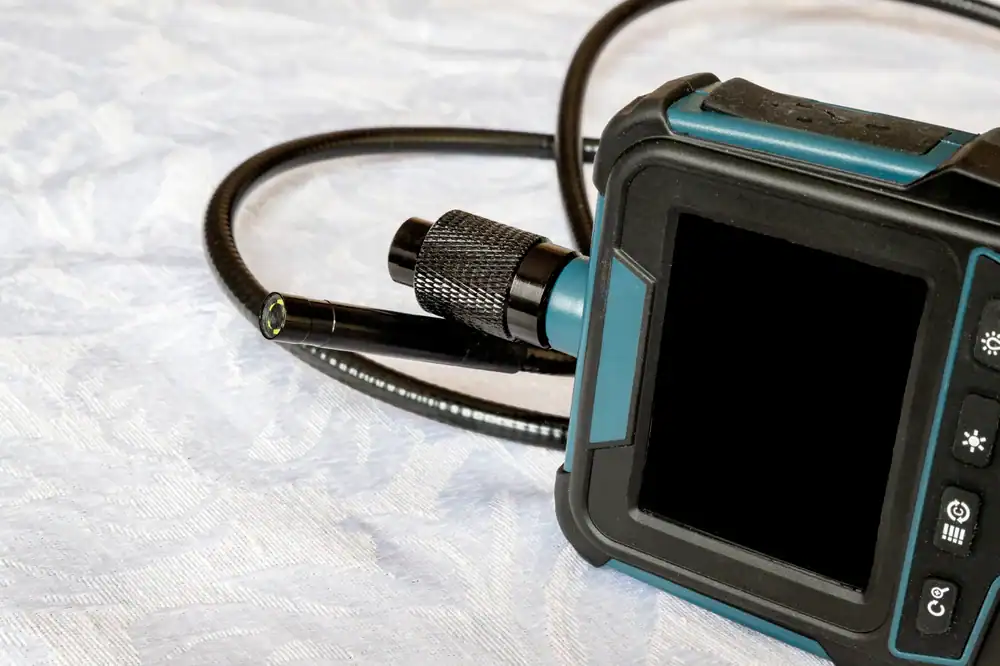
Next, we feed a flexible rod with a high-definition camera through your pipes. The camera is waterproof and built to navigate bends, drops, and turns. As it moves through the line, it transmits live footage to a monitor. You can watch the inspection happen in real time if you want. We’ll walk you through what you’re seeing—whether that’s normal wear, a developing issue, or a problem that needs immediate attention.
The camera records everything. You get a digital copy of the footage with timestamps and location markers, so you know exactly where any issues are. If we spot a blockage 30 feet from your house, that’s documented. If there’s a crack near your property line, you’ll have proof.
After the inspection, we give you a written assessment. No jargon, no upselling. Just a clear explanation of what’s happening in your pipes and what your options are. If you need a repair, you’ll know why. If your system is fine, we’ll tell you that too.
Ready to get started?
Every camera inspection includes a full sewer line video inspection from your home’s connection point to your cesspool, septic tank, or main line. We check for blockages, structural damage, root intrusion, corrosion, and any signs your system is starting to fail.
You receive digital footage and reporting that documents the entire inspection. That footage is yours to keep. It’s useful if you’re buying or selling a property, dealing with recurring backups, or just want to know the condition of pipes you can’t see. Some homeowners use it to show contractors exactly what needs repair. Others keep it for insurance claims or permit applications.
In Lattingtown and across Nassau County, this matters more than it used to. Regulations around cesspools and septic systems have tightened. If your system fails, you can’t just replace it with another cesspool—you’ll need to upgrade to a modern septic system or advanced treatment technology. Knowing your system’s condition before it fails gives you time to plan and budget instead of scrambling during an emergency.
Camera inspections also catch problems early. A small crack today becomes a collapsed pipe next year. Roots working their way into a joint will eventually block the whole line. Spotting these issues before they escalate saves you from emergency repairs that can easily run into the thousands.
A camera inspection typically costs a few hundred dollars and takes an hour or two. Compare that to excavation, which can run several thousand dollars once you factor in digging, repairing the pipe, backfilling, and restoring your landscaping.
The bigger cost difference shows up when you avoid unnecessary digging. If a crew has to guess where the problem is, they might dig in three spots before finding it. Each dig adds labor, equipment time, and yard damage. A camera inspection eliminates that guesswork entirely—you dig once, in the right spot, and only if you actually need to.
Most homeowners use camera inspections to avoid excavation altogether. If the problem is a clog or minor blockage, we can often clear it without any digging. If you do need a repair, you’ll know the exact location and scope before committing to the work.
Yes. That’s one of the main reasons to schedule an inspection before you have an emergency.
Cameras catch early warning signs like hairline cracks, partial root intrusion, or sections where the pipe is starting to sag or separate. These issues don’t cause immediate backups, but they will eventually. Finding them early gives you the option to address them on your timeline instead of during a middle-of-the-night sewage emergency.
For example, tree roots don’t invade a pipe overnight. They work their way in through small gaps over months or years. A camera inspection shows you when roots are just starting to penetrate the line—before they create a full blockage. You can remove the roots and seal the entry point before the problem gets worse. Same goes for aging pipes that are corroding or developing weak spots. Catching these issues early almost always costs less than waiting for a catastrophic failure.
Cameras identify blockages, cracks, root intrusion, corrosion, collapsed sections, misaligned joints, and buildup on pipe walls. Basically, anything that affects how your system moves wastewater.
Blockages show up clearly—whether it’s grease buildup, foreign objects, or roots completely filling the pipe. Cracks and breaks are visible, and the camera can measure how severe they are. If a section of pipe has collapsed or separated at a joint, you’ll see the gap or the displaced pipe on screen.
Root intrusion is common in Lattingtown because of the mature trees on many properties. Roots seek out moisture, and even a tiny crack in a pipe is an invitation. The camera shows you where roots have entered, how much of the pipe they’re blocking, and whether they’ve caused structural damage. Corrosion is another frequent issue, especially in older metal pipes. The camera picks up rust, pitting, and thinning pipe walls that indicate the line is nearing the end of its lifespan.
If you’re buying a home, selling a home, or your property has an older cesspool or septic system, a camera inspection is worth doing even if everything seems fine right now.
During a real estate transaction, a camera inspection can uncover issues that a standard home inspection misses. Most home inspectors don’t send cameras through your sewer lines. If there’s a problem lurking underground, you want to know before closing. Buyers can use that information to negotiate repairs or credits. Sellers can address issues proactively instead of dealing with them during escrow.
For older systems, a camera inspection is preventive maintenance. Pipes don’t last forever. Clay and cast iron lines that have been underground for 50 or 60 years are living on borrowed time. A camera inspection shows you the current condition so you can plan for repairs or replacement before the system fails. That’s especially important in Nassau County, where regulations now require upgrades to modern systems if your old cesspool fails. Knowing what you’re working with gives you time to budget and avoid a forced emergency upgrade.
Most camera inspections take one to two hours depending on the length of your sewer line and how many access points we need to check. It’s not an all-day job.
The process is non-invasive. We’re not tearing up your yard or shutting down your plumbing for hours. We access your line through an existing cleanout or another entry point, run the camera through, review the footage with you, and provide a written report. You can go about your day—we’ll let you know when we’re done and walk you through what we found.
If we do find an issue that needs repair, that’s a separate appointment. The inspection itself is purely diagnostic. You’re not committing to any work until you’ve seen the footage, understood the problem, and decided how you want to handle it.
You see the same footage the technician sees. We’ll show you the monitor during the inspection and walk you through what’s on screen.
After the inspection, you get a digital copy of the recording. It’s yours to keep, review, or share with other contractors if you want a second opinion. The footage includes timestamps and distance markers so you know exactly where each section of pipe is located relative to your property.
Some homeowners watch the whole inspection. Others prefer the summary at the end. Either way, you’re not taking our word for it—you’re seeing the evidence yourself. If we say there’s a crack 40 feet from your house, you’ll see that crack on camera. If your pipes are in good shape, you’ll see that too. The footage removes any ambiguity about what’s happening underground.
Other Services we provide in Lattingtown