
Hear from Our Customers
You’re not calling because everything’s fine. Something’s slow, something’s backing up, or you’re about to buy a house and need to know what’s actually underground before you sign.
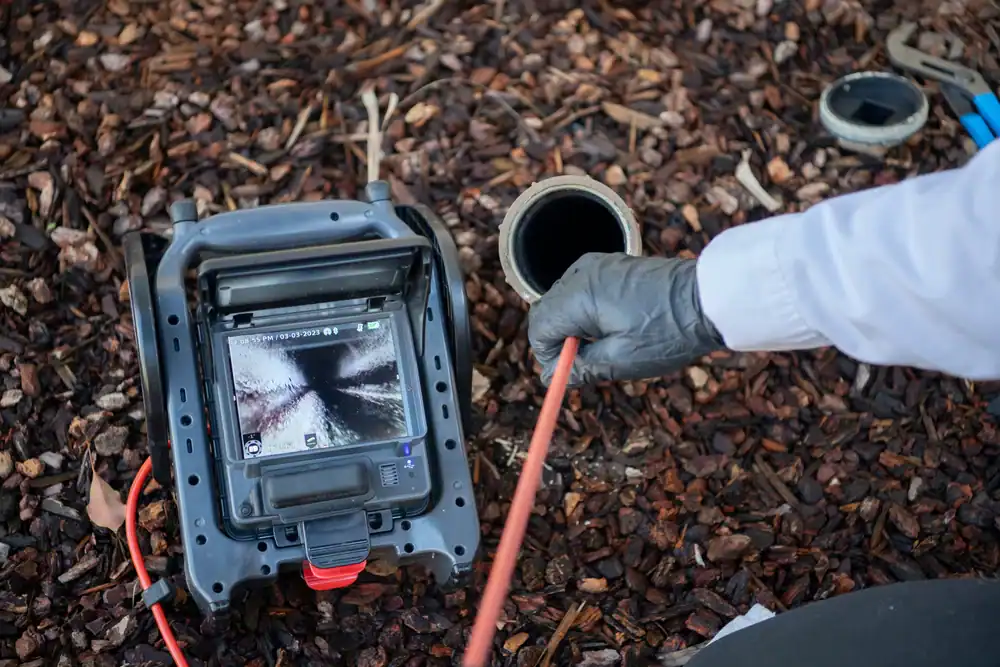
A sewer line video inspection shows you the real condition of your pipes in real time. You see cracks, root intrusion, corrosion, grease buildup, or collapsed sections on a monitor while the camera moves through your system. No speculation. No “we think it might be.” Just footage of what’s there and where the problem sits.
That means you know whether you need a simple repair, a full replacement, or if you can wait another year. It means you’re not digging up half your yard hoping to find the issue. And if you’re buying property in Laurel, it means you know whether that cesspool is five years from failure or ready to go another decade.
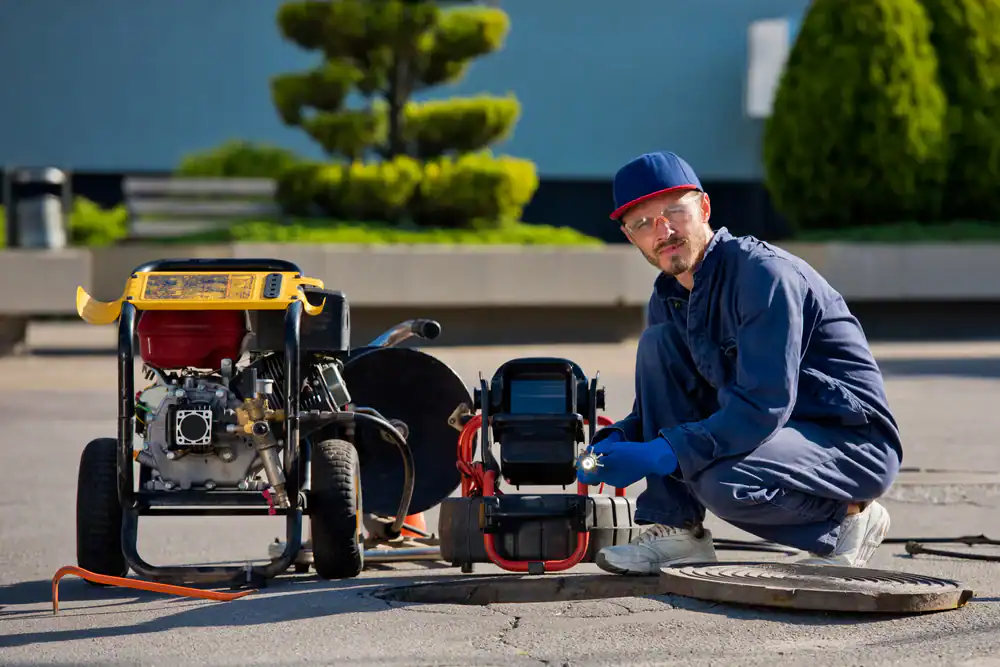
The camera locator sends a signal we can detect above ground, so we mark the exact spot where the problem is. You get recorded footage, a written assessment, and a clear explanation of what needs to happen next.
We’ve been handling cesspool and septic systems across Suffolk County for years. We’re not a national franchise reading from a script. We know how Long Island’s sandy soil affects drainage, how the water table impacts performance, and what the county’s regulations mean for your property.
Most cesspools in Laurel are 15 to 30 years old. Many are showing wear you can’t see from the surface. We’ve inspected hundreds of systems in this area, and we know what fails first, what lasts, and what you should be watching.
When you call us, you’re working with licensed professionals who understand local soil conditions and can spot problems that generic services miss. We’re available for emergencies, and we explain what we find in plain language—not jargon meant to upsell you.
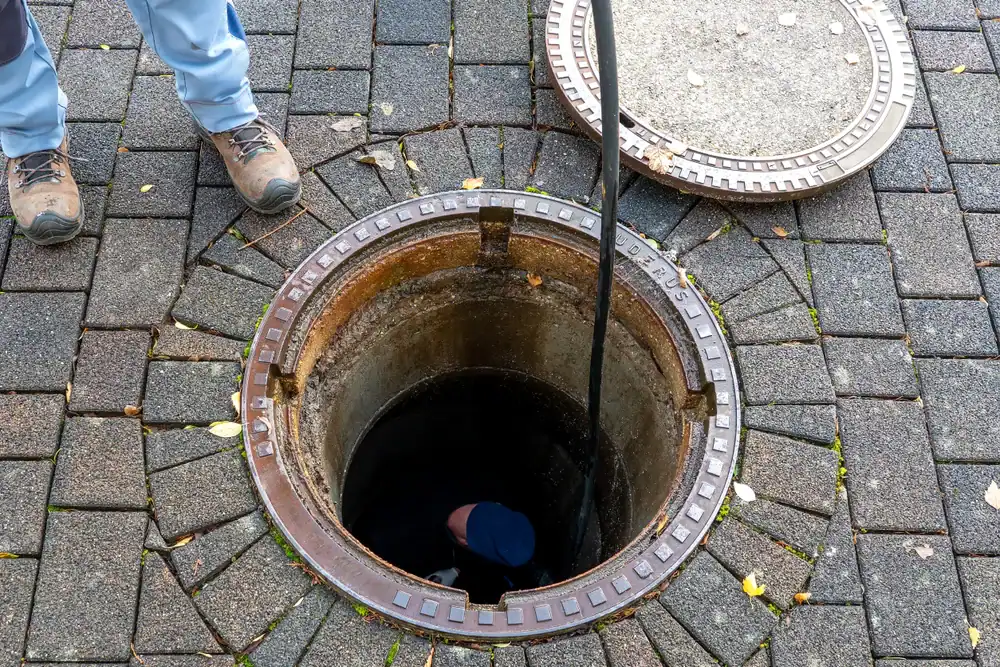
We start with access. Most systems have a cleanout or access point we can use to insert the camera. If yours doesn’t, we’ll locate the best entry point without tearing up your property.
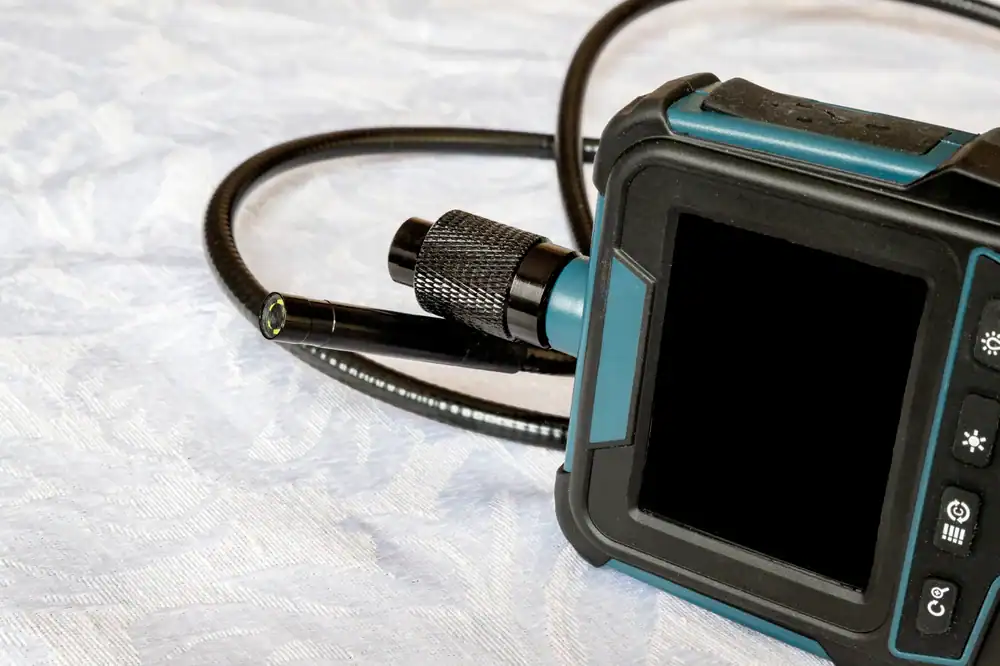
The camera feeds through your sewer line or into your cesspool. It’s waterproof, has its own light source, and handles pipes from 2 inches to 36 inches in diameter. You watch the footage with us on a monitor as it moves through the system. We’re looking for blockages, cracks, root penetration, corrosion, misaligned sections, and structural damage.
While the camera’s inside, we’re also using a locator to mark problem areas above ground. That way, if you need a repair, we know exactly where to dig—not a six-foot radius where we think the issue might be.
Once we’re done, you get the recorded footage and a written report. We walk you through what we found, what it means, and what your options are. If it’s something you need to fix right away, we’ll tell you. If it can wait, we’ll tell you that too.
Ready to get started?
You get real-time footage of your entire sewer line or cesspool system. That includes every crack, every root, every buildup, and every weak spot we can reach with the camera. The inspection covers the condition of your pipes, the integrity of connections, and any obstructions that could cause backups.
You also get precise location data. If there’s a leak, a break, or a collapsed section, we mark it above ground so there’s no guesswork when it’s time to repair. That alone can save you thousands in labor costs.
Here in Laurel, most homes sit on sandy soil with a high water table. That means your system drains fast, but it also means roots find their way into pipes more easily, and older cesspools deteriorate faster than they would elsewhere. A camera inspection catches those issues before they turn into full system failures.
If you’re buying a home, this inspection is critical. Suffolk County regulations changed in 2019—cesspools can’t be replaced with cesspools anymore. If the system fails after you close, you’re looking at a full septic upgrade that can run $15,000 to $30,000. A camera inspection before you buy shows you what you’re actually getting.
Cost depends on the size of your system and how much line we need to inspect. Most residential inspections in Laurel run a few hundred dollars. That’s a fraction of what you’d spend on emergency repairs or unnecessary digging.
If you’re dealing with a backup or slow drain, the inspection often pays for itself by pinpointing the exact problem. Instead of paying for exploratory work or multiple service calls, you know what’s wrong and where it is after one visit.
For homebuyers, the cost is even easier to justify. You’re about to spend hundreds of thousands of dollars on a property. Spending a few hundred to know the real condition of the sewer system isn’t optional—it’s basic due diligence, especially with Suffolk County’s new regulations on cesspool replacements.
The camera catches anything that affects flow or structural integrity. That includes root intrusion, which is common in Laurel because tree roots seek out moisture in pipes. You’ll see cracks, punctures, corrosion, and misaligned pipe sections that happen when soil shifts or settles.
We also find grease buildup, which restricts flow and leads to backups. Collapsed sections show up clearly on camera, as do leaks that let groundwater seep in or wastewater seep out. If there’s a foreign object stuck in the line—anything from construction debris to things that shouldn’t have been flushed—the camera will find it.
One thing people don’t always think about: the camera also shows you what’s working fine. If you’re buying a house and the inspection comes back clean, that’s valuable information. You know the system’s in good shape and you’re not walking into an expensive replacement right after closing.
If you’re buying a house, yes. Even if the current owner says the system works fine, you need to see it yourself. Surface-level checks don’t catch root intrusion, early-stage cracks, or corrosion that’s six months from becoming a real problem.
If you’re a current homeowner and everything’s draining normally, a camera inspection isn’t urgent—but it’s smart preventive maintenance, especially if your system is over 15 years old. Most cesspools in Laurel are aging, and Long Island’s soil conditions accelerate wear. Catching a small crack now means a simple repair. Waiting until it collapses means a full replacement.
Suffolk County also requires inspections every three years for certain systems, and if you’re planning to sell in the next few years, having recent inspection footage on hand makes the transaction smoother. Buyers and lenders want proof the system works, and video documentation is the strongest proof you can offer.
Most residential inspections take 30 minutes to an hour, depending on how much line we’re inspecting and whether we run into blockages that slow the camera down. If your system is straightforward and accessible, we’re usually done in under an hour.
If we find a problem that needs immediate attention—like a full blockage or a collapsed section—we’ll talk through your options right there. Some issues we can address the same day. Others require scheduling a follow-up for repairs or replacement.
You don’t need to do anything to prepare. We handle access, and we’ll let you know if we need you to avoid using water during the inspection. Once we’re done, you get the footage and the report, and you’ll know exactly what’s happening underground before we leave your property.
Yes. That’s one of the main reasons people call for this service. If you’re dealing with slow drains or backups and you don’t know why, the camera shows you exactly what’s causing it and where it’s happening.
It could be roots that have broken through a joint and are blocking flow. It could be a section of pipe that’s collapsed or severely corroded. Sometimes it’s a buildup of grease or debris that’s restricting the line. The camera gives you a clear answer instead of guessing or trying multiple fixes that don’t solve the real problem.
Once we locate the issue, we mark it above ground with the locator. If it’s a simple blockage, we can often clear it the same day. If it’s structural damage, you’ll know exactly where the repair needs to happen, which saves time and money when you’re ready to move forward.
We walk you through what we found, what it means for your system, and what your options are. If it’s a repair, we’ll explain what’s involved and give you a clear estimate. If it’s a replacement, we’ll explain why and what Suffolk County regulations require.
Some problems need immediate attention—like a collapsed line that’s causing backups or a leak that’s contaminating groundwater. Others can wait, and we’ll tell you how long you have before it becomes urgent. We’re not here to scare you into unnecessary work. We’re here to give you accurate information so you can make the right call.
If you’re a homebuyer and the inspection finds a serious issue, you have leverage. You can negotiate with the seller to fix it before closing, ask for a credit, or walk away if the cost doesn’t make sense. Without the inspection, you’d be finding out about that problem after you own it—and paying for the whole fix yourself.
Other Services we provide in Laurel