
Hear from Our Customers
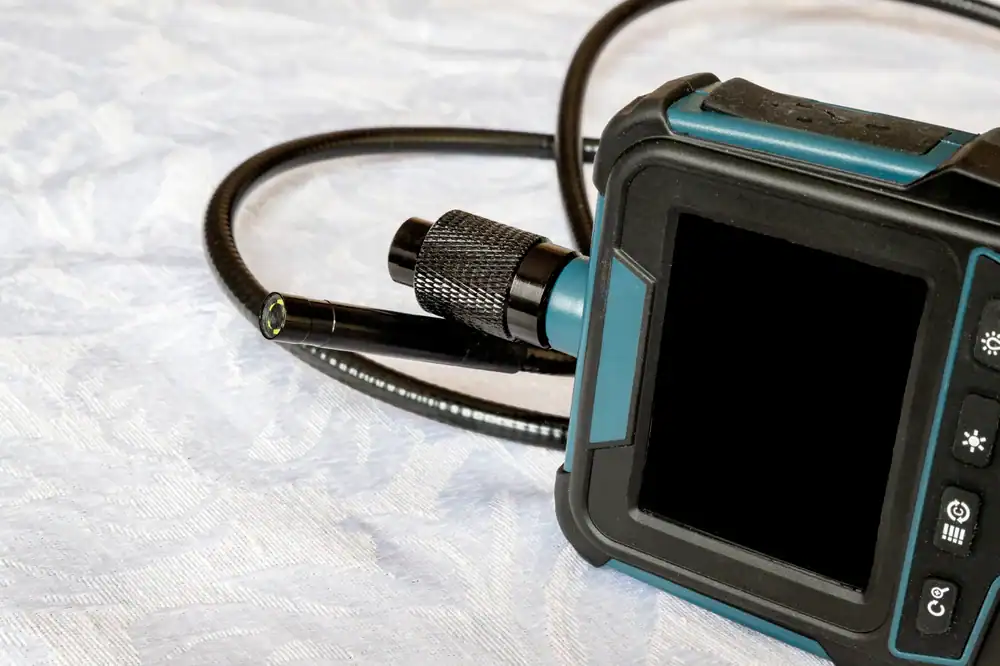
You don’t need to guess why your drains are backing up or why water pools in your yard. A camera inspection shows you the actual problem in real time.
We feed a waterproof camera through your sewer line and record everything it finds. Roots growing through joints. Sections of pipe that have collapsed or shifted. Grease buildup that’s choking your system. You see what we see, and we explain what it means for your property.
That clarity matters when you’re deciding whether to pump your cesspool, replace a section of pipe, or just clear a blockage. You’re not taking our word for it. You’re looking at digital footage of your own system and making an informed call about what happens next.
We’ve spent years working with cesspool and sewer systems across Massapequa and the surrounding Nassau County area. We know how Long Island soil shifts, how tree roots behave near the water, and what typically goes wrong with older systems in this part of New York.
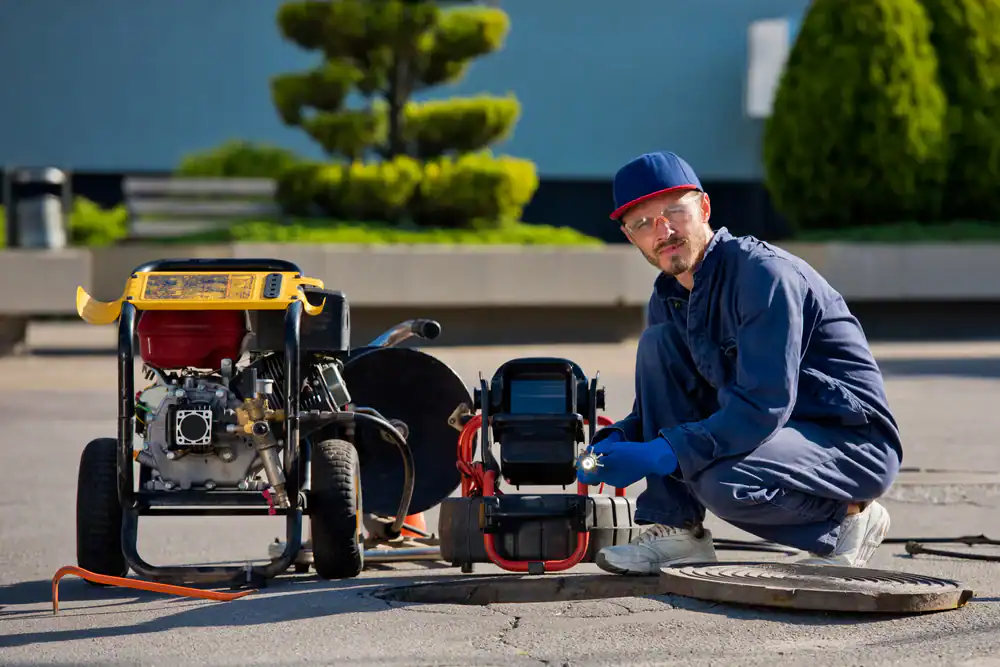
We’re not the company that shows up, quotes you a number, and disappears. We walk you through what the camera finds, answer your questions on the spot, and give you options that actually fit your situation. Our trucks are stocked with the equipment to handle what comes next, whether that’s a cleaning, a repair referral, or documentation for your records.
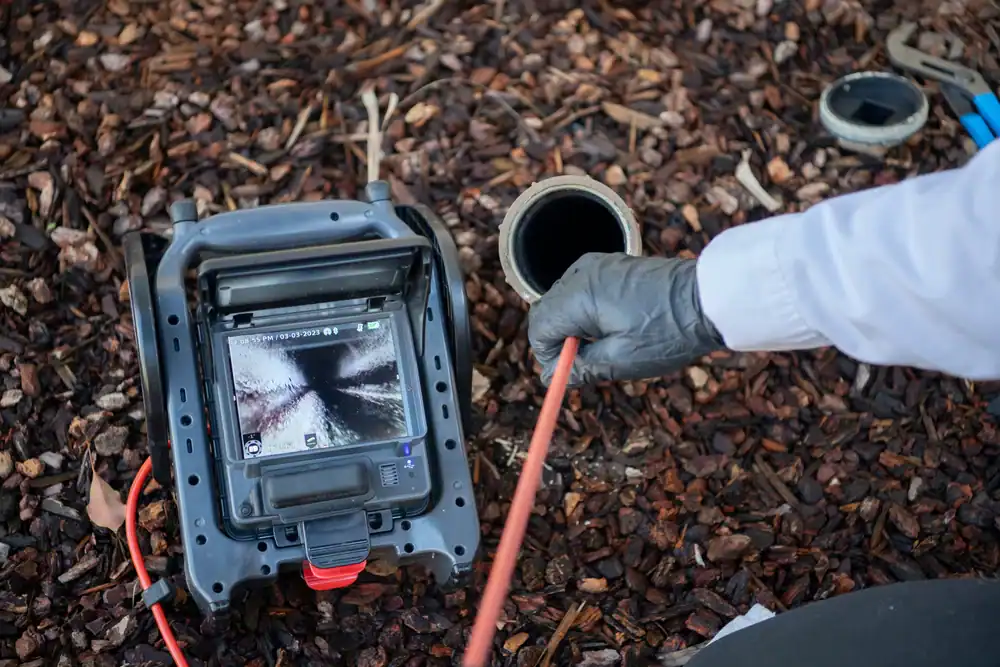
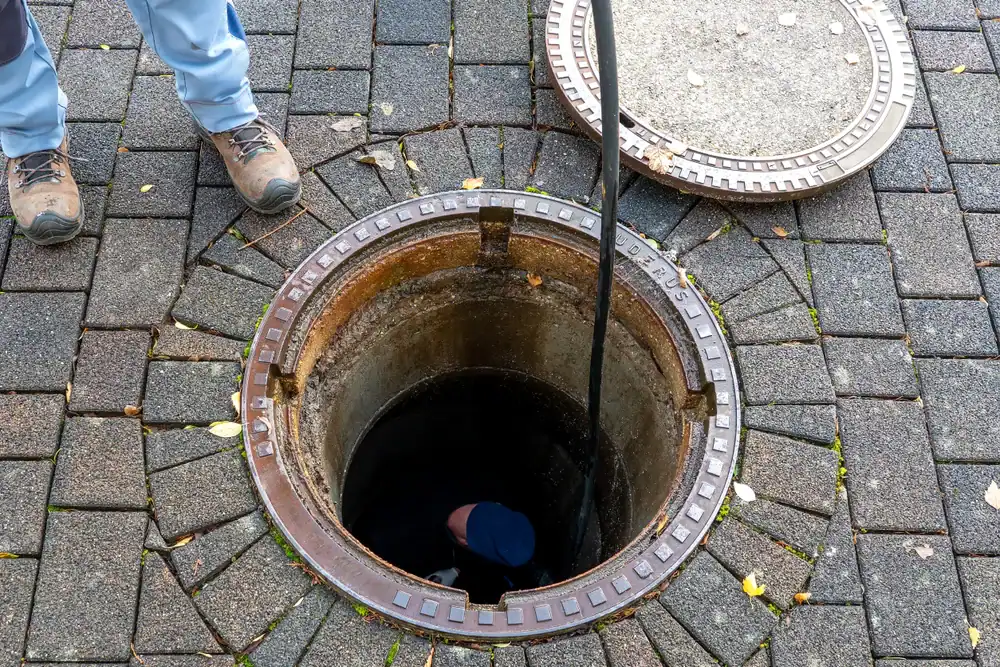
We start by locating your cleanout access point or the best entry to your sewer line. From there, we feed a flexible camera line into the pipe. The camera head has its own light source and records high-definition footage as it moves through your system.
You can watch the feed in real time if you want. We’re looking for blockages, cracks, root intrusion, bellied sections where water pools, and any structural issues that could cause problems. The camera also has a locator so we can mark exactly where an issue sits underground if you need a repair.
Once we’ve covered the full line, we review the footage with you. We’ll point out anything that needs attention and explain whether it’s urgent or something to monitor. You get a copy of the digital footage and a summary of what we found. No surprises, no upselling—just the facts about your pipe condition.
Ready to get started?
Every camera inspection includes the full video recording, a walkthrough of what we found, and a written summary you can keep for your records. If you’re dealing with insurance, a property sale, or just want documentation of your system’s condition, you’ll have everything you need.
In Massapequa, where many homes sit on older cesspool systems or have mature trees near sewer lines, this kind of inspection catches problems early. Root intrusion is common here, especially near the water where soil stays moist. So is settling that causes pipes to shift or belly. A camera inspection gives you a clear picture of what’s happening before a backup floods your basement or your yard.
We also use the camera for real-time clog detection during cleanings. If a blockage won’t clear with standard methods, the camera tells us why. Maybe there’s a collapsed section. Maybe something’s lodged in the line that needs a different approach. Either way, you’re not paying for guesswork.
Most camera inspections in the Massapequa area run between a few hundred dollars depending on the length of the line and how accessible your system is. If you’re already scheduling a cleaning or service call, we can often add the inspection at a lower rate since we’re already on site.
The cost covers the inspection itself, the digital footage, and a review of what we find. If the camera reveals a problem that needs immediate attention, we’ll give you a separate estimate for that work. You’re never locked into a repair just because you got an inspection.
Some situations don’t need a full inspection. If you’ve got a simple clog near the cleanout, we can usually clear it without running a camera. But if you’re dealing with recurring backups, slow drains that don’t respond to cleaning, or you’re buying or selling a property, the inspection pays for itself in clarity.
A sewer line video inspection picks up anything that affects how your pipes function. That includes root intrusion, which is one of the most common issues we see in Massapequa. Tree roots grow into joints and cracks looking for water, and once they’re in, they expand and block flow.
The camera also shows us structural problems like cracks, breaks, or sections that have bellied due to soil settling. Bellied pipes create low spots where water and waste collect, which leads to slow drains and eventual blockages. We can see grease buildup, foreign objects that shouldn’t be in the line, and corrosion in older metal pipes.
If your system has been patched or repaired before, the camera shows us how those repairs are holding up. We can also spot issues with pipe material—older clay or Orangeburg pipes that are deteriorating, or PVC connections that weren’t sealed properly. Basically, if it’s in the pipe and it’s affecting your system, the camera will find it.
If the home you’re buying has a cesspool or septic system, a camera inspection is one of the smartest moves you can make before closing. A standard home inspection doesn’t usually include a detailed look at what’s happening inside the sewer lines, and that’s where expensive surprises hide.
We’ve run inspections for buyers that revealed completely failed cesspools, sewer lines full of roots, and pipes that were on the verge of collapse. Knowing that before you buy gives you leverage to negotiate repairs, adjust your offer, or walk away if the system’s in bad shape. Replacing a cesspool or sewer line can cost thousands, and you don’t want to inherit that bill a month after moving in.
Even if the system looks fine from the outside, underground conditions tell the real story. Massapequa has a mix of older homes with aging infrastructure and newer properties where installation quality varies. A camera inspection removes the guesswork and gives you documentation of exactly what you’re getting.
Most residential camera inspections take between 30 minutes and an hour depending on the length of your sewer line and how many access points we need to use. If your system is straightforward and we can reach everything from one cleanout, we’re usually done in under an hour.
More complex systems—like properties with multiple lines, long runs to the street, or difficult access—can take longer. We’re not rushing through it. The goal is to cover every section of pipe and catch anything that could cause problems down the road.
After the camera run, we spend time reviewing the footage with you and answering questions. You’re not getting a quick look and a vague summary. We walk through what the camera found, explain what it means, and talk through your options if repairs or maintenance are needed. The whole appointment, start to finish, usually wraps up in about an hour unless we find something that needs immediate attention.
No. The camera equipment is designed specifically for sewer and drain lines, and it won’t harm your pipes. The camera head is small, flexible, and built to navigate bends and joints without causing damage. We’re feeding it through the same openings that waste and water flow through every day.
If your pipes are already in bad shape—cracked, collapsed, or severely corroded—the camera will show us that, but it’s not creating the problem. We’ve run cameras through decades-old clay pipes, modern PVC systems, and everything in between without issue.
The only time we’d hold off on a camera inspection is if your line is completely blocked and needs to be cleared first. In that case, we’ll clear the blockage, then run the camera to see why it happened and whether there’s an underlying issue. But the camera itself is a diagnostic tool, not a repair tool, and it’s not going to make your situation worse.
If the inspection reveals a major issue like a collapsed pipe, significant root intrusion, or a failing cesspool, we’ll walk you through what needs to happen next. That might mean a repair, a replacement, or in some cases, just monitoring the situation if it’s not urgent.
We’ll give you a clear estimate for any work that’s needed, and we’ll explain your options. Some problems require immediate action—like a section of pipe that’s about to fail completely. Others can be managed with regular maintenance or scheduled for repair when it’s more convenient for you.
You’re not obligated to move forward with repairs just because the camera found something. The inspection gives you information, and what you do with that information is up to you. But you’ll have the footage, the documentation, and a professional assessment of what’s going on underground. That’s worth a lot when you’re making decisions about your property and your budget.
Other Services we provide in Massapequa