
Hear from Our Customers
You’re not paying us to take our best guess at what’s wrong with your pipes. A sewer line video inspection shows you the exact condition of your system in real time—roots growing through joints, cracks forming in aging clay pipes, or grease buildup restricting flow.
The camera records depth and physical location with GPS coordinates. That means if there’s a problem, we know exactly where it is without tearing up your driveway or landscaping hoping to find it.
Most Muttontown homes were built in the 1970s, and those original pipes are hitting the age where small issues turn into $10,000 emergencies. A camera inspection costs a few hundred dollars and catches problems while they’re still fixable for a fraction of that cost.
You get digital footage and reporting you can review yourself. No technical jargon, no upselling—just a clear picture of what’s happening underground and what, if anything, needs attention now versus later.
Quality Cesspool has been handling cesspool and septic systems across Long Island for nearly two decades. We’re not a franchise or a national chain—we’re local professionals who understand how Muttontown’s soil conditions, water table, and aging infrastructure affect your property.
We know the homes here. We know what fails first in systems from the ’70s and ’80s. We know Nassau County’s environmental regulations and what’s required to stay compliant.
When you call, you’re getting technicians who’ve seen thousands of these systems and can tell you what’s normal wear versus what needs immediate attention. We’re available 24/7 because septic emergencies don’t wait for business hours, and we price everything upfront so you know what you’re paying before any work starts.
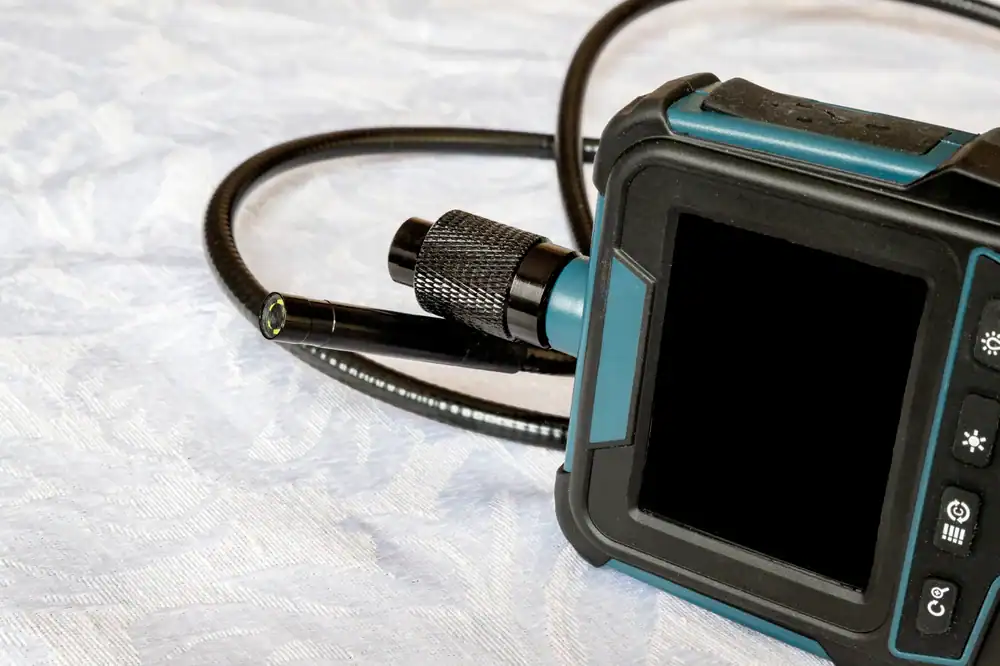
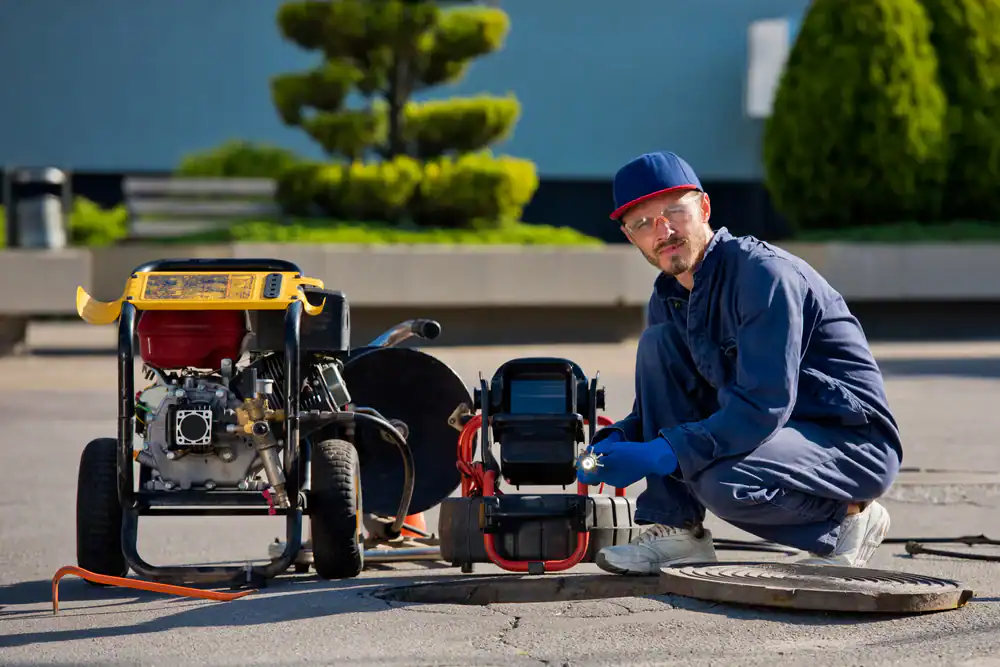
We start by accessing your system through an existing cleanout or entry point—no digging required at this stage. The camera is a flexible, high-resolution unit that can navigate bends and turns in pipes ranging from 2 to 36 inches in diameter, covering up to 300 feet of line.
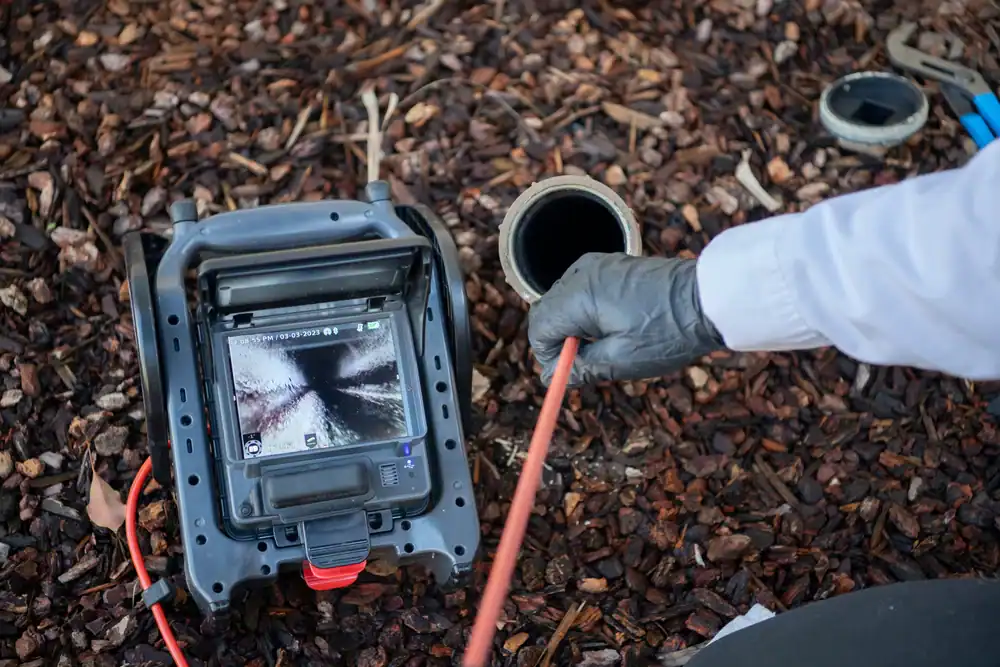
As the camera moves through your pipes, you can watch the live feed with us. We’re looking for cracks, root intrusion, bellied sections where water pools, offset joints, and any blockages forming. The camera has a radio transmitter that marks the exact depth and location of any issues we find.
You get a full video recording and a written report that documents everything. If we find a problem, we’ll explain what it is, why it’s happening, and what your options are for fixing it. Some issues need immediate attention. Others you can monitor and address during your next scheduled maintenance.
The whole process typically takes an hour or two depending on the length of line we’re inspecting. You walk away knowing the real condition of your system, not someone’s educated guess.
Ready to get started?
The inspection covers your entire system from the house to the cesspool or septic tank. We’re checking the main line, any branch lines you want inspected, and the condition of connections and joints throughout.
You receive real-time clog detection as we move through the system. If there’s a blockage forming, we see it immediately and can often clear it during the same visit before it becomes a backup in your home.
The digital footage gets saved and dated. That’s useful if you’re buying or selling a property and need documentation of system condition. Insurance companies accept it. Buyers want to see it. It’s proof of what’s actually there, not just someone’s word.
In Muttontown, where properties average nearly $2 million, protecting your investment means knowing what’s happening with major systems before problems surface. Long Island’s sandy soil and high water table mean issues can develop quickly, and what starts as a small crack can become a contamination issue that affects your property value and the local groundwater everyone depends on.
This inspection gives you the information you need to maintain your system properly and avoid the kind of emergency replacements that start at $10,000 and go up from there.
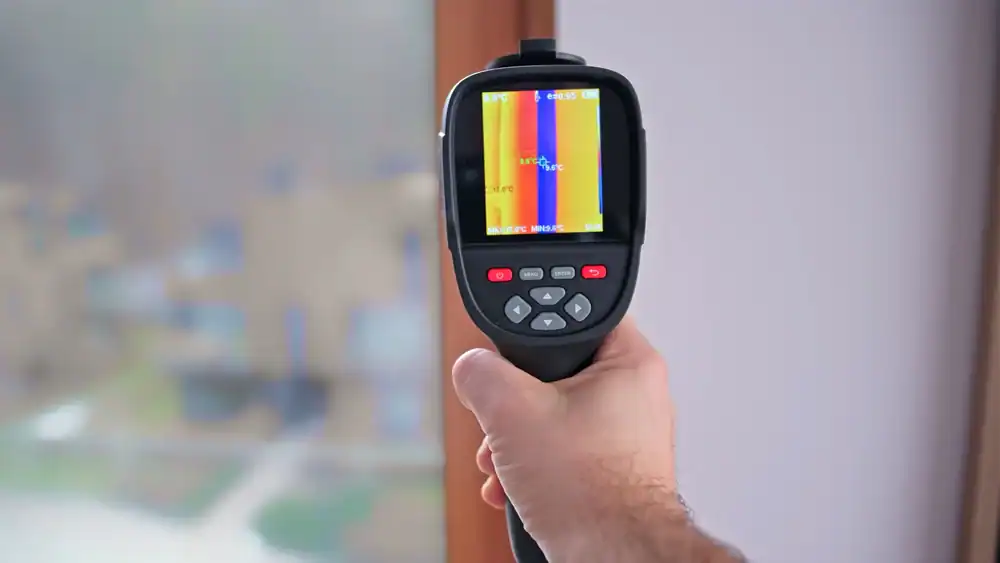
A camera inspection typically runs between $200 and $400 depending on the length and complexity of your system. That’s a fraction of what you’ll pay if a hidden problem turns into an emergency.
Here’s the math that matters: clearing a simple clog costs a few hundred dollars. Repairing a cracked pipe costs $3,000 to $5,000. Replacing a failed system starts at $10,000 and can hit $20,000 or more depending on your property.
The inspection pays for itself the first time it catches something early. You’re not just avoiding repair costs—you’re avoiding the damage that happens when a system fails. Sewage backing up into your basement. Contaminated groundwater. Landscaping destruction from emergency excavation. A camera inspection is the cheapest insurance you can buy for an expensive system.
Get one before you buy a property. Most home inspections don’t include a camera inspection of the sewer or cesspool lines, and you need to know what you’re inheriting before you close.
Get one if you’re experiencing slow drains, gurgling sounds, or frequent backups. Those are early warning signs that something’s restricting flow, and a camera shows you exactly what and where.
Get one every three to five years as part of regular maintenance, especially if your system is over 20 years old. Many Muttontown homes have original systems from the ’70s and ’80s that are reaching the end of their design life. Catching deterioration early means you can plan and budget for repairs instead of dealing with an emergency replacement.
Get one if you’re doing major landscaping or construction work near your lines. You want to know where everything is and what condition it’s in before heavy equipment starts moving around your property.
Yes, and it’s one of the most valuable things the inspection does. We can see cracks, separations at joints, and holes where roots have penetrated the pipe. The camera shows us the exact location and severity of any leak.
That’s critical information because leaking cesspool or sewer lines contaminate the soil and groundwater around your property. On Long Island, where everyone’s drinking water comes from the aquifer beneath us, a leaking system isn’t just your problem—it’s an environmental issue that can result in fines and mandatory repairs.
The camera also has a transmitter that marks the GPS coordinates and depth of any leak we find. If you need to excavate to make a repair, we know exactly where to dig. That saves you money on labor and prevents unnecessary damage to your landscaping, driveway, or other structures.
Finding and fixing leaks early protects your property value, keeps you compliant with Nassau County regulations, and prevents small problems from becoming expensive emergency situations.
Root intrusion is one of the most common issues we find, especially in older systems. Trees and shrubs send roots toward any source of water and nutrients, and even a tiny crack in your pipe is an invitation.
When we spot roots on camera, we can see how extensive the intrusion is and whether it’s causing a blockage yet. Small root growth can often be cleared mechanically during the same visit. We cut the roots out, restore flow, and you’re back in business.
But here’s what matters more: we can see where the roots are getting in. That tells us whether you have a crack or separation that needs repair. If you just cut the roots without fixing the entry point, they’ll grow back within a year or two and you’ll have the same problem again.
The camera inspection gives you the full picture so you can make an informed decision. Sometimes a targeted repair is all you need. Sometimes the pipe section is deteriorated enough that replacement makes more sense than repeated root clearing. Either way, you’re making that choice based on what’s actually happening in your system, not guesswork.
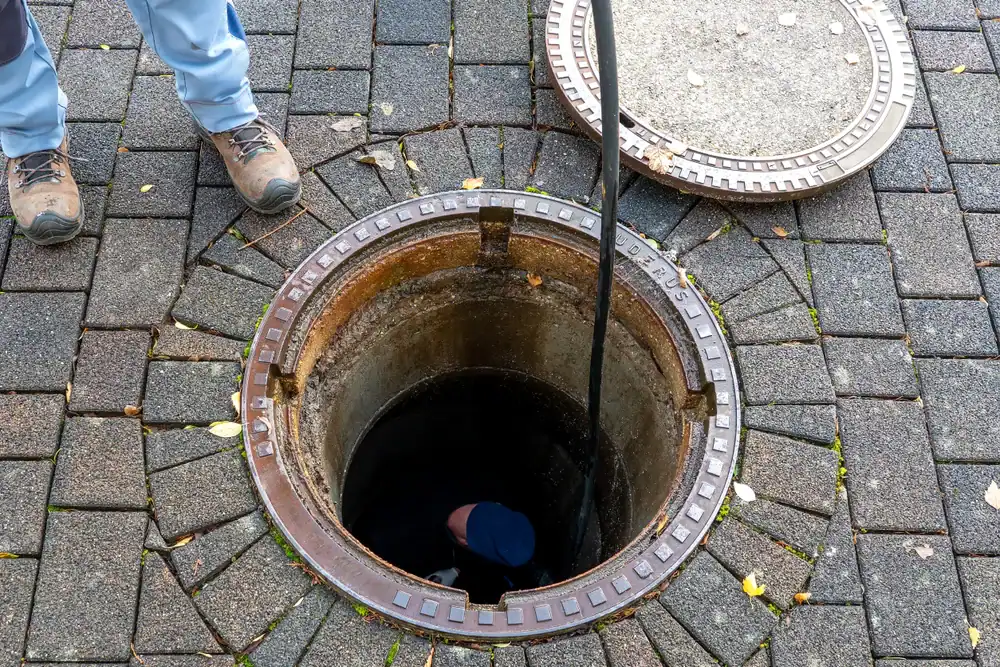
No. That’s the entire point of camera inspection technology. We access your system through existing cleanouts, drain openings, or access ports that are already part of your setup.
The camera is flexible and can navigate the bends and turns in your pipes without any excavation. We can inspect hundreds of feet of line without touching your landscaping, driveway, or lawn.
If we find a problem that needs repair, then yes, some excavation might be necessary to fix it. But even then, we know exactly where to dig because the camera’s transmitter marked the precise location. That means we’re opening one small area to make a targeted repair instead of digging exploratory trenches across your property hoping to find the problem.
Before camera technology, plumbers had to guess where issues were and dig multiple holes to locate them. That’s expensive, destructive, and inefficient. Now we know exactly what we’re dealing with before anyone picks up a shovel.
Most inspections take one to two hours depending on how much line we’re covering and whether we find any issues that need closer examination. It’s not a quick in-and-out service because we’re doing a thorough assessment of your entire system.
You can absolutely watch the camera feed in real time. We encourage it. This is your property and your system, and you should see exactly what we’re seeing. We’ll walk you through what you’re looking at, point out any concerns, and answer questions as we go.
You’ll get a recording of the full inspection and a written report that documents everything we found. That report includes timestamps, location markers, and notes on any issues that need attention now or monitoring for the future.
The inspection isn’t rushed. We’re not trying to get to the next job. We’re making sure you have complete information about the condition of your system so you can make smart decisions about maintenance and repairs.
Other Services we provide in Muttontown