
Hear from Our Customers
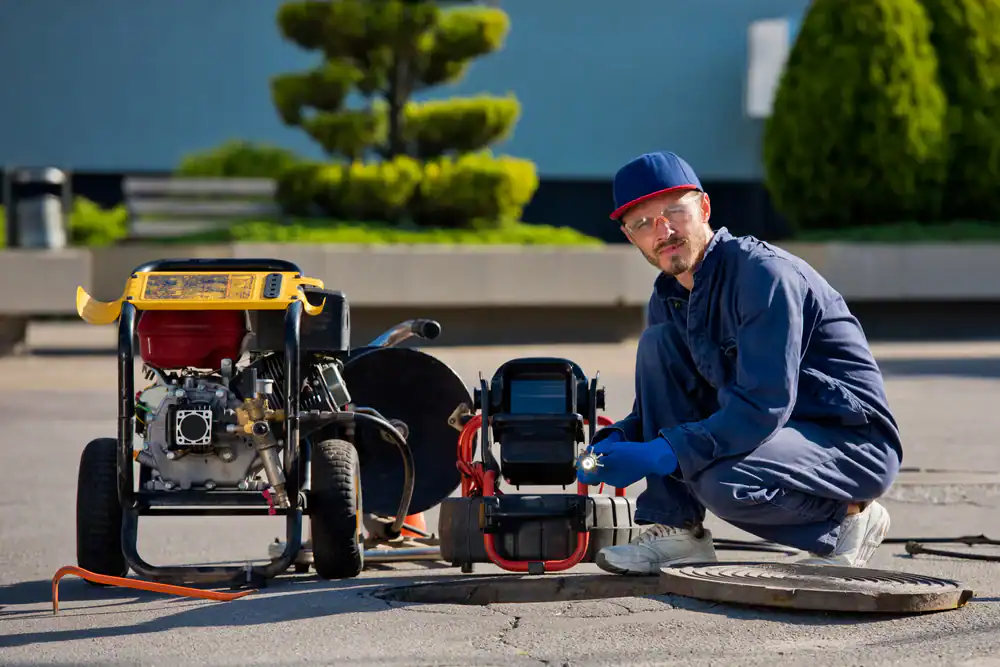
Most homeowners don’t think about what’s happening underground until something backs up or stops draining. By then, you’re looking at emergency pricing and limited options.
A camera inspection changes that timeline completely. You get a full view of your sewer line’s condition while there’s still time to plan, budget, and avoid the panic of a Saturday morning sewage backup.
The camera travels through your entire line and transmits live footage. Cracks, root intrusions, bellied sections, deteriorating pipes—it all shows up on screen in real time. That means you’re not paying for exploratory digging or fixing the wrong section of pipe because someone made an educated guess.
This is especially useful if you’re buying a home in North Bellport, NY. Most inspections don’t include the sewer line because inspectors can’t see underground. That leaves you vulnerable to inheriting a $15,000 problem the day after closing. A camera inspection before you sign gives you leverage to negotiate repairs or walk away if the system’s shot.
We’ve spent years working with cesspool and septic systems across Long Island. That means we know how North Bellport’s sandy soil shifts, how the high water table affects drainage, and which tree roots cause the most damage to underground lines.
Our team is licensed and insured. We use high-resolution cameras designed specifically for sewer and drain inspection—not repurposed equipment that gives you blurry footage and vague answers.
You’re not getting a salesperson who’s going to upsell you on repairs you don’t need. You’re getting technicians who understand these systems and can explain what you’re looking at in plain terms.
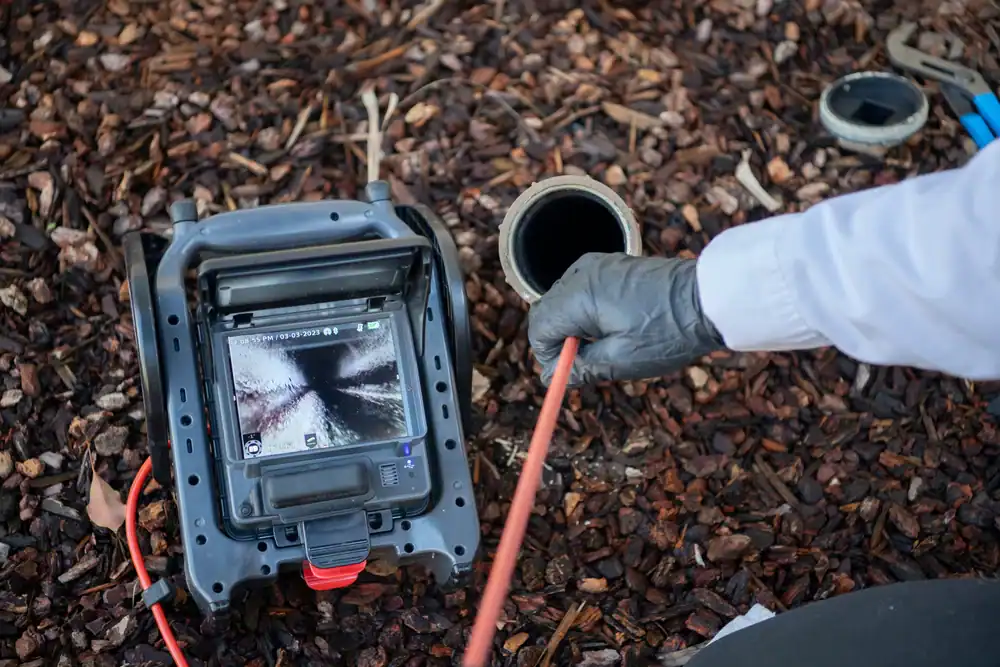
We start by locating your cleanout access point—that’s where the camera enters your sewer line. If your system doesn’t have one or it’s buried, we’ll find the best entry point without tearing up your yard.
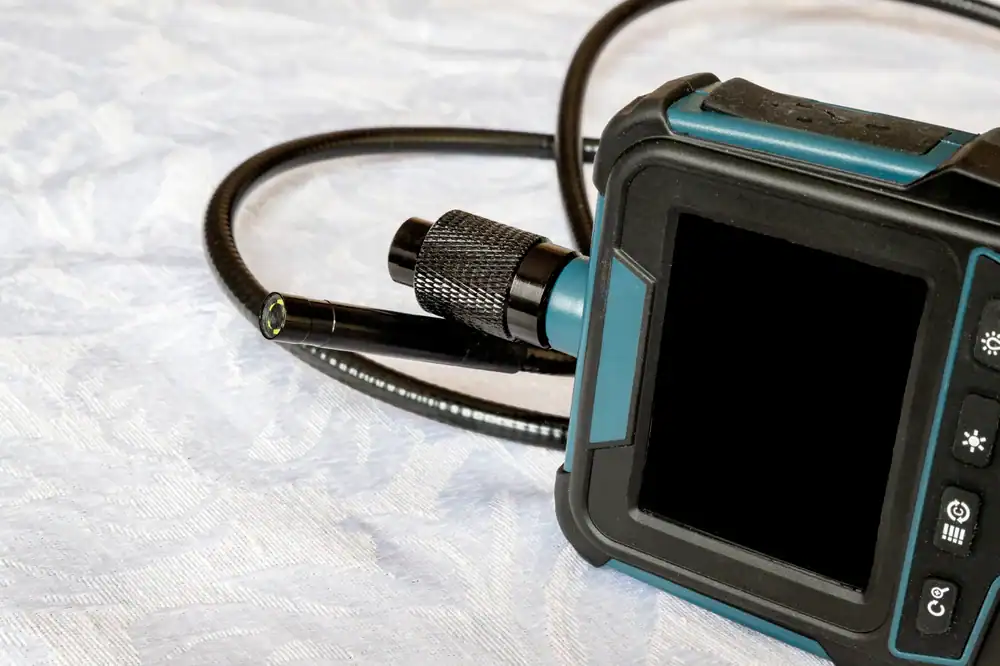
The camera is mounted on a flexible rod that feeds through your pipes. It’s waterproof, equipped with its own lighting, and sends live video back to a monitor. As it moves through the line, we’re watching for cracks, blockages, root intrusion, corrosion, and any sections where the pipe has shifted or collapsed.
The camera also has a radio transmitter that records the exact depth and location of any issues we find. That means if you do need a repair, we know precisely where to dig—no trial and error, no unnecessary excavation.
Most residential inspections take between 45 minutes and an hour, depending on the length of your line and what we find. You’ll get digital footage and a clear explanation of what’s going on. If there’s a problem, we’ll walk you through your options and what each one costs. If everything looks good, you’ll have documentation and peace of mind.
Ready to get started?
You’re not just paying for someone to run a camera through your pipes and leave. You get a full assessment of your system’s condition, digital footage you can review, and a written report that breaks down what we found.
That documentation matters if you’re dealing with insurance claims, real estate transactions, or planning a repair with another contractor. Many insurance companies will cover the cost of the inspection if it’s related to a claim, and they’ll accept the video as proof of the problem.
In North Bellport, NY, where more than 360,000 homes rely on cesspools and septic systems, this kind of proactive maintenance makes a difference. The soil here is porous, the water table is high, and older systems weren’t built to last forever. A camera inspection every few years helps you stay ahead of expensive failures.
If we find tree roots growing into your line—common with the oak and maple trees around here—you’ll know before they completely block the pipe. If there’s a section that’s starting to crack or separate, you can plan a repair during the off-season when pricing is better and schedules are flexible. And if your system is in good shape, you’ll know that too.
Most residential camera inspections in Suffolk County run between $200 and $400. That’s the typical range for a standard sewer line inspection where we access the cleanout, run the camera through the system, and provide you with footage and a report.
The price can go up if your property doesn’t have an accessible cleanout and we need to locate or create an entry point. It can also vary depending on the length of your line and whether we’re inspecting a cesspool system, septic tank, or municipal sewer connection.
Here’s the thing: even at $400, a camera inspection is cheap compared to what you’d pay if you skip it. Emergency sewer repairs start around $3,000 and can easily hit $10,000 or more if the line needs replacement. Catching a problem early can turn a $15,000 emergency into a $2,500 planned repair. That’s not an exaggeration—it’s what happens when you have time to fix things before they fail completely.
If you’re buying a home, get it done before you close. Most home inspections don’t include the sewer line because inspectors can’t see underground. That leaves you exposed to problems the seller might not even know about. A camera inspection gives you documentation you can use to negotiate repairs or adjust the sale price.
If you already own your home, schedule an inspection every three to five years as part of regular maintenance. If you have large trees near your sewer line—especially oaks or maples—bump that up to every two years. Root intrusion is one of the most common causes of sewer line damage on Long Island, and it’s a lot easier to clear roots early than to replace a pipe they’ve destroyed.
You should also get an inspection if you’re noticing slow drains, gurgling sounds, bad smells, or any signs of a backup. Those are warning signs that something’s restricting flow, and a camera will show you exactly what and where. Don’t wait until you have sewage coming up through your basement floor.
The camera shows us everything inside your sewer line. That includes cracks, breaks, and sections where the pipe has separated at the joints. We can see root intrusion—which is extremely common in North Bellport, NY because of the mature trees and the way roots seek out moisture in sewer lines.
We’ll also spot bellied sections where the pipe has sunk or shifted due to soil movement. Long Island’s sandy soil doesn’t provide the most stable base, and over time pipes can settle unevenly. When that happens, waste and water pool in the low spot instead of draining properly. That leads to recurring clogs and eventually a full blockage.
Corrosion and deterioration show up clearly on camera, especially in older cast iron or clay pipes. We can see buildup from grease, soap scum, or mineral deposits that’s restricting flow. And if there’s a foreign object stuck in the line—tree roots, construction debris, or something that got flushed and didn’t make it through—the camera will find it. The transmitter on the camera records the exact location and depth, so if you need a repair, we’re not guessing where to dig.
No. Camera inspection is completely non-invasive. The camera is designed to travel through your pipes without causing any damage—it’s waterproof, flexible, and sized to fit lines from 2 inches to 36 inches in diameter.
We access your sewer line through an existing cleanout or entry point. There’s no digging, no excavation, and no damage to your landscaping, driveway, or yard. That’s one of the main advantages of using a camera instead of the old method, which involved digging up sections of pipe to visually inspect them.
If we do find a problem that requires a repair, the camera footage tells us exactly where to dig. That means we’re only excavating the specific section that needs work, not tearing up your entire yard to locate the issue. The inspection itself leaves everything intact. You’re getting information, not construction.
Most residential inspections take 45 minutes to an hour. That includes locating the access point, running the camera through your sewer line, reviewing the footage, and walking you through what we found.
The timeline can vary depending on the length of your line and what we encounter. If your sewer line runs 100 feet from your house to the street, that takes longer to inspect than a 40-foot line. If we find a blockage or a problem area that needs a closer look, we’ll spend extra time documenting it so you have clear footage and an accurate assessment.
You don’t need to do anything to prepare. We handle the access and the equipment. You’re welcome to watch the live footage as we run the camera—most homeowners find it helpful to see what’s actually happening inside their pipes. Once we’re done, you’ll get a full explanation of the condition of your system and digital footage you can keep for your records.
Yes. The digital footage and written report we provide are accepted by insurance companies and can be used in real estate transactions. If you’re filing a claim for sewer line damage, the video serves as documentation of the problem and its cause. Many insurance companies will even cover the cost of the inspection if it’s related to a claim.
For real estate, the footage gives buyers proof of the sewer line’s condition before they close. If the inspection reveals problems, that documentation can be used to negotiate repairs, request a credit, or adjust the sale price. Sellers can also use a clean inspection report as a selling point—it shows the system has been professionally evaluated and is in good working order.
The footage includes a timestamp, location data from the camera’s transmitter, and a clear view of any issues we found. That makes it reliable evidence whether you’re dealing with an insurance adjuster, a real estate attorney, or a contractor who’s bidding on a repair. You’re not relying on someone’s word or a written estimate—you have video proof of what’s happening underground.
Other Services we provide in North Bellport