
Hear from Our Customers
You’re dealing with slow drains, recurring backups, or you’re about to buy a property and want to know what you’re getting into. The last thing you need is someone telling you it “might be” a clog or “could be” a crack somewhere in the line.
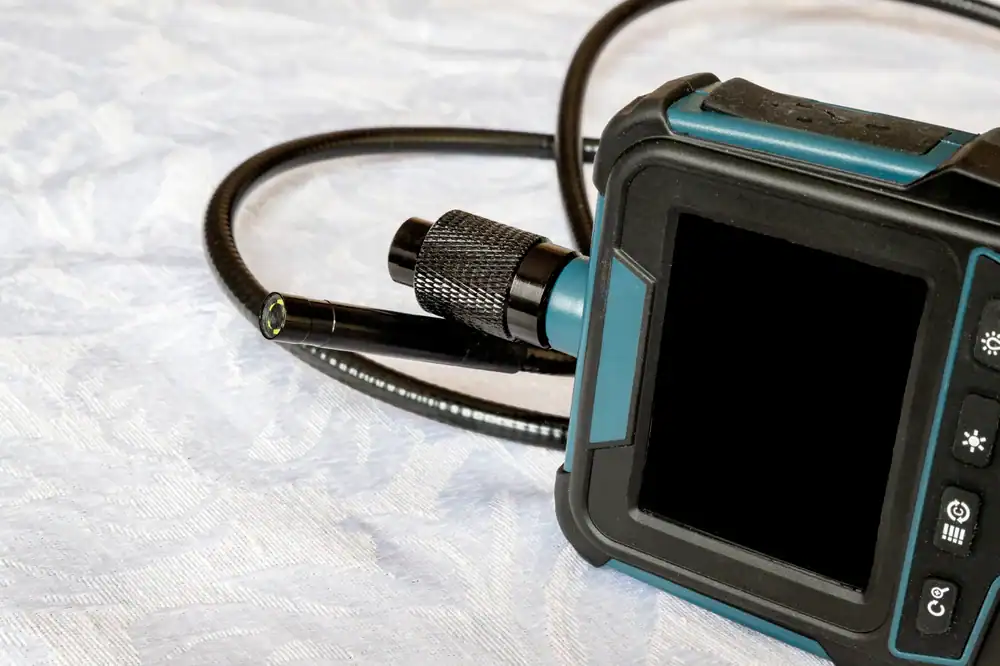
A camera inspection shows you the actual condition of your pipes. We feed a high-resolution camera through your sewer line and you see what we see—roots growing through joints, bellied sections holding water, cracks that are letting groundwater seep in. The footage is recorded, so you’re not taking anyone’s word for it.
Most inspections wrap up in under an hour. You walk away with digital footage, a written report, and a clear understanding of whether you need a repair, a cleaning, or nothing at all. That’s the difference between spending $400 on a targeted fix and $7,000 on an emergency excavation because no one knew where the problem actually was.
We work throughout Oakdale and the surrounding Long Island area. We know the soil conditions here, the age of most cesspool systems in the neighborhood, and what typically goes wrong after 15 to 20 years of use.
Suffolk County has some of the strictest regulations around cesspool and septic systems in New York. More than 70% of homes here rely on underground waste systems, and most of them are aging. We’ve seen what happens when homeowners wait too long—contaminated groundwater, foundation damage, and repair bills that climb into five figures.
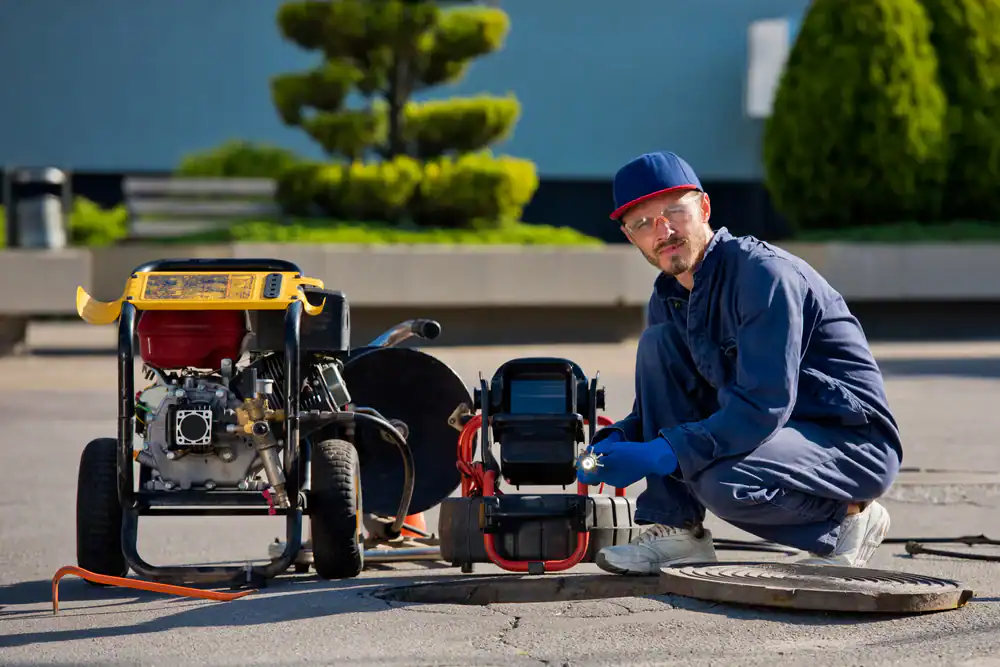
Our job is to catch problems early. We’re licensed, insured, and we use professional-grade equipment that handles pipes from 2 inches to 36 inches in diameter. You’re not getting a smartphone on a stick—you’re getting clear, accurate footage that holds up if you need it for insurance, a sale, or a permit application.
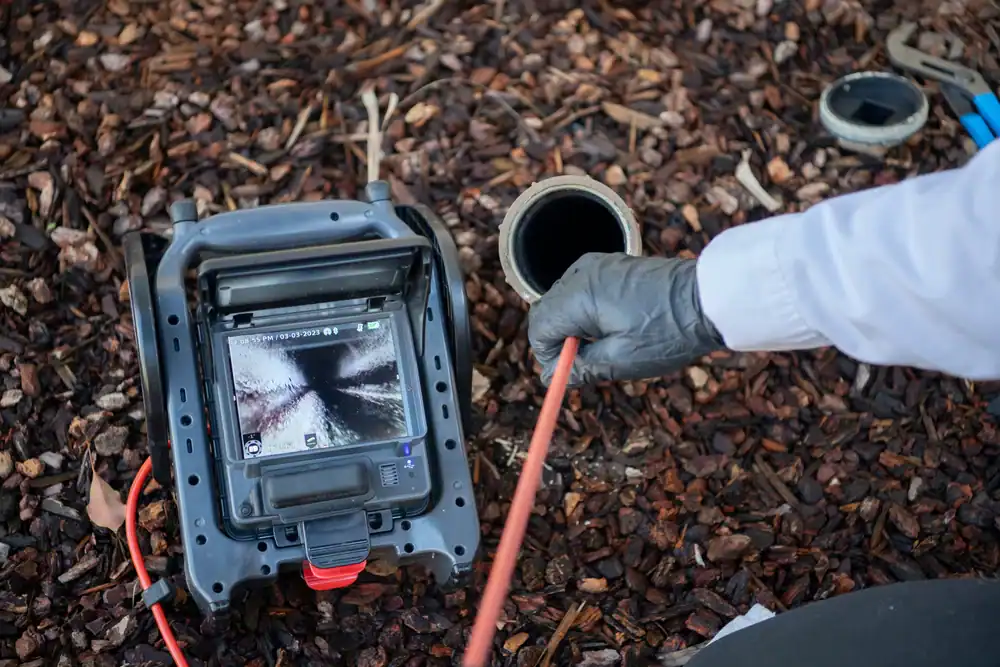
We start by locating your cleanout access point—that’s the entry to your sewer line. If your property doesn’t have one or it’s buried, we’ll find another access route. Once we’re in, we feed a flexible camera line through the pipe. The camera head has its own lighting and records everything as it moves through.
You can watch the feed in real time. We’ll point out anything that looks off—cracks, blockages, root intrusion, corrosion, separated joints. The camera also has a locator beacon, so if we find a problem deep in the line, we can mark the exact spot above ground. No need to dig up your whole yard hoping we’re in the right place.
After the inspection, you get a copy of the footage and a report that breaks down what we found. If there’s an issue, we’ll explain what needs to happen next—whether that’s a hydro jetting session to clear roots, a spot repair, or in some cases, a full line replacement. You’ll have the information you need to make a decision that actually makes sense for your situation.
Ready to get started?
The inspection itself includes the camera run, real-time viewing, and digital footage you can keep. We also provide a written report with screenshots of any problem areas and their locations. If you’re buying or selling a home, this documentation is often required during the inspection period.
In Oakdale, we’re also dealing with high water tables and sandy soil that shifts over time. That means older cesspools and sewer lines are more likely to have bellied sections where waste pools instead of flowing. The camera picks that up. It also shows us if tree roots have infiltrated the line—common here with older oak and maple trees whose roots seek out moisture.
If you’re preparing for a sale, this inspection can save you from surprise repair demands during closing. If you’re buying, it tells you whether the system is in decent shape or if you’re looking at a $10,000+ replacement in the next few years. And if you’re just a homeowner trying to figure out why your drains are acting up, this is the fastest way to get a real answer instead of paying for multiple service calls that don’t solve anything.
Most camera inspections in the Oakdale area run between $270 and $500 depending on the length of the line and how accessible your cleanout is. If we need to locate a buried access point or run the camera through a longer commercial line, the price can go up to around $1,000.
That might sound like a lot if nothing’s actively broken yet. But compare that to what happens without one. A sewer backup cleanup averages $3,000 to $7,000 once contamination spreads. A full cesspool or septic replacement in Suffolk County can hit $17,000 or more, especially with the newer nitrogen-reducing systems the county now requires.
The inspection pays for itself if it catches even one issue early. You’re either confirming everything’s fine and buying yourself peace of mind, or you’re finding a $400 repair before it turns into a $4,000 emergency. Either way, you’re making decisions based on facts instead of guesses.
The camera shows us clogs, cracks, root intrusion, corrosion, bellied pipe sections, separated joints, and buildup along the pipe walls. It also reveals whether your line is sagging, which creates low spots where waste gets stuck instead of flowing to the tank or street connection.
Root intrusion is one of the most common issues we find in Oakdale. Tree roots grow toward moisture, and even a hairline crack in your sewer line is enough to let them in. Once they’re inside, they expand and create blockages that get worse every year. The camera shows us exactly where the roots are and how much of the pipe they’ve compromised.
We also catch problems that aren’t causing symptoms yet. A small crack might not be backing up your drains today, but it’s letting groundwater into your line. Over time, that extra water overloads your cesspool or septic system and causes premature failure. Spotting it early means you can patch it before the whole system goes down.
Most residential inspections take 30 minutes to an hour. If your line is longer, if there’s a significant blockage we need to work around, or if access is tricky, it might stretch to 90 minutes.
We’re not rushing through it. The camera moves slowly enough to capture clear footage of the entire pipe. If we see something that needs a closer look, we’ll stop and examine it from multiple angles. You’re getting a thorough assessment, not a quick pass that misses half the problems.
After the camera work is done, we’ll spend a few minutes walking you through what we found. If there’s an issue, we’ll show you the footage, explain what’s happening, and talk through your options. You’ll leave with the video file, a written summary, and a realistic idea of what comes next—whether that’s scheduling a repair, doing nothing for now, or just keeping an eye on a spot that’s not critical yet.
If your system is over 15 years old, it’s worth doing at least once. Most cesspools and sewer lines in Oakdale are aging, and problems don’t always announce themselves with a backup. You might have a crack that’s slowly letting contaminated water seep into the soil around your foundation. You might have roots growing in that haven’t fully blocked the line yet.
An inspection gives you a baseline. You’ll know what condition your pipes are in, and if something does go wrong later, you’ll have documentation showing what changed. That’s useful for insurance claims and for understanding whether a problem is new or something that’s been building for years.
It’s also smart if you’re planning any major landscaping, adding onto your house, or installing a pool. You don’t want to find out your sewer line runs directly under your new deck after you’ve already poured the footings. The camera shows you exactly where your line is and whether it can handle the additional load you’re about to put on your property.
No. The camera is designed to move through pipes without causing harm. It’s a flexible line with a small, smooth camera head that navigates bends and turns without scraping or applying pressure to the pipe walls.
If your pipes are already severely damaged—like on the verge of collapse—we’ll see that during the inspection and stop before making anything worse. But the camera itself isn’t going to crack a pipe or dislodge anything that wasn’t already loose. It’s a diagnostic tool, not a cleaning or repair tool.
The only time we’d recommend against an inspection is if your line is completely blocked and nothing’s flowing. In that case, we’d need to clear the blockage first, then run the camera to see what caused it. But for the vast majority of situations—slow drains, recurring issues, pre-purchase checks—the camera inspection is the safest, least invasive way to figure out what’s going on underground.
We’ll show you exactly what we found, explain what it means, and lay out your options. If it’s a localized crack or a root intrusion in one section, we can often handle that with a spot repair or a hydro jetting service to clear the roots. Those fixes usually run a few hundred to a couple thousand dollars depending on depth and access.
If the line is failing in multiple places or the pipe material has deteriorated beyond repair, you might be looking at a partial or full replacement. That’s a bigger job, but at least you’ll know the scope before anyone starts digging. We’ll give you a realistic estimate and a timeline, and you can decide how you want to move forward.
The camera footage also gives you leverage if you’re in the middle of buying a home. You can go back to the seller with documentation of the problem and negotiate a credit or ask them to handle the repair before closing. Without that footage, you’re just guessing—and sellers aren’t motivated to fix problems you can’t prove exist.
Other Services we provide in Oakdale