
Hear from Our Customers
You’re not paying someone to dig up your property hoping they find the problem. A sewer line video inspection shows you the exact condition of your pipes in real time.
The camera travels through your entire system and records everything. Cracks, root intrusion, collapsed sections, grease buildup—you see it all on screen while the inspection happens. No guesswork. No unnecessary excavation. No wondering if the diagnosis is accurate.
This matters in Old Westbury because most properties here can’t connect to county sewer. Your cesspool system is it. And with Nassau County now requiring documented inspections every five years, you need more than a technician’s best guess. You need footage, depth markers, and a report that holds up when you’re selling your home or pulling a renovation permit.
Real-time clog detection means we’re not just clearing a blockage and hoping for the best. We’re identifying why it happened, where the damage is, and what’s likely to fail next. That’s the difference between a $400 inspection and a $7,000 surprise six months later.
Quality Cesspool is a fourth-generation family business. We’ve been servicing cesspool systems in Old Westbury for nearly two decades, back when camera inspections were rare and most companies still relied on digging to find problems.
We know how Long Island soil behaves. We know what Nassau County inspectors expect in your documentation. And we know that in a community where the median home is worth $2 million, you’re not looking for the cheapest option—you’re looking for someone who won’t waste your time or create bigger problems.
Our team has seen what happens when systems aren’t maintained properly. We’ve also seen how a single camera inspection saves homeowners from spending five figures on repairs that could’ve been caught early. That’s why we don’t just run the camera and leave. We walk you through the footage, explain what you’re looking at, and give you a clear picture of what needs attention now versus what can wait.
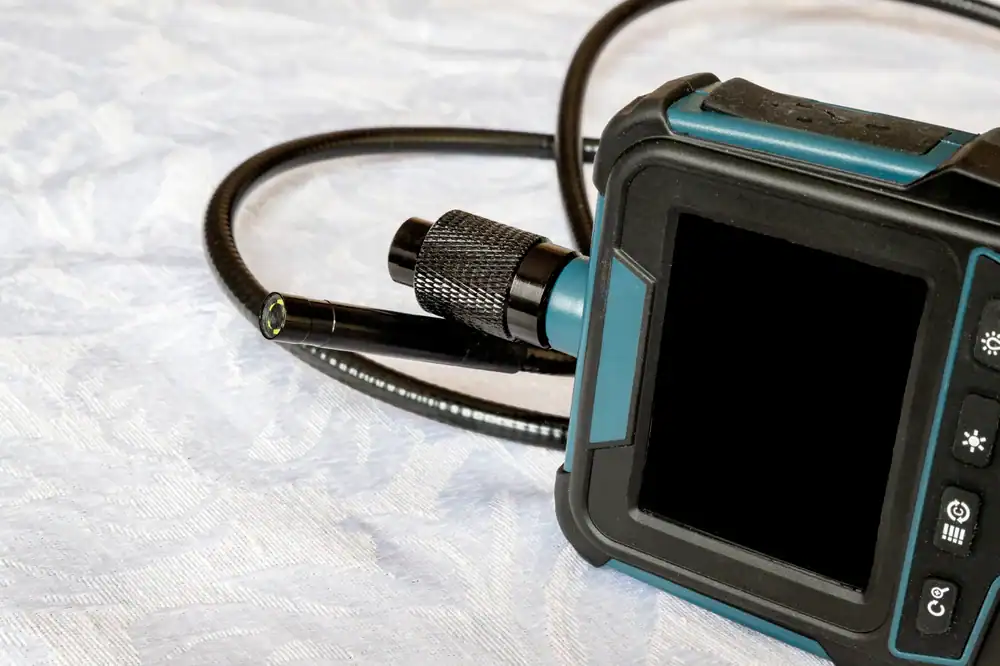
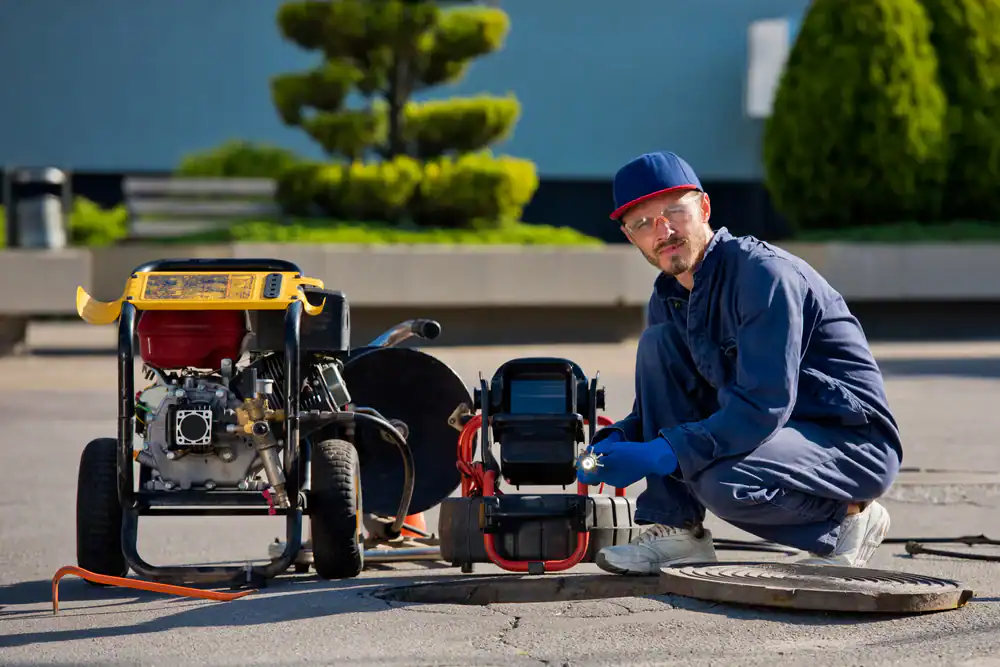
We start by locating your access points. Depending on your property layout, that’s usually your cleanout or main line entry. The camera head is small, waterproof, and equipped with a transmitter that records depth and exact location as it moves through your pipes.
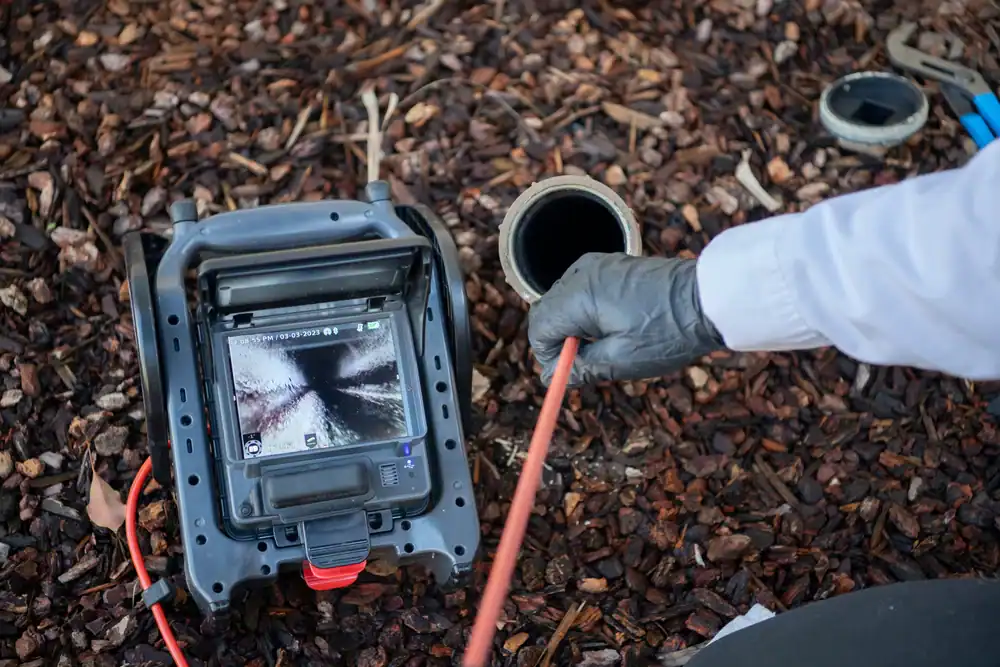
You’re welcome to watch the footage in real time. Most homeowners do. The camera shows the interior condition of your pipes as it travels—you’ll see any cracks, separations, root penetration, or buildup that’s restricting flow. We’re also marking the precise location of any issues using the locating equipment, so if repairs are needed, we know exactly where to dig.
The inspection typically takes 30 to 60 minutes depending on your system size. Afterward, you get digital footage and a written report that documents everything we found. That report includes depth measurements, GPS coordinates for problem areas, and our assessment of what needs immediate attention versus what you can monitor.
This is the documentation Nassau County wants to see. It’s also what buyers and their lenders ask for when you’re selling. And it’s the only way to know for sure whether that slow drain is a minor clog or a collapsing pipe.
Ready to get started?
Every camera inspection includes a full video recording of your cesspool lines, a written report with findings, and documentation that meets Nassau County’s inspection requirements. You’re not getting a verbal summary—you’re getting footage you can review, share with contractors, or submit to the county when needed.
We also provide locating services for underground pipe leaks. If the camera identifies a problem area, we mark the exact surface location so you’re not paying for exploratory digging. The transmitter in the camera head tells us how deep the issue is and where it sits on your property. That precision saves you money and minimizes disruption to your landscaping.
In Old Westbury, where properties sit on larger lots with mature landscaping, that matters. You’re not tearing up your front yard hoping to find a cracked pipe. You’re digging in one spot because we’ve already pinpointed the problem.
The inspection also catches issues you didn’t call us about. Most of the time, homeowners schedule a camera inspection because of a backup or slow drain. Four out of five times, we find additional concerns—root intrusion in a section that’s not causing problems yet, early-stage cracks that will fail in the next year or two, or improper connections that don’t meet current code. Finding those issues early is the entire point.
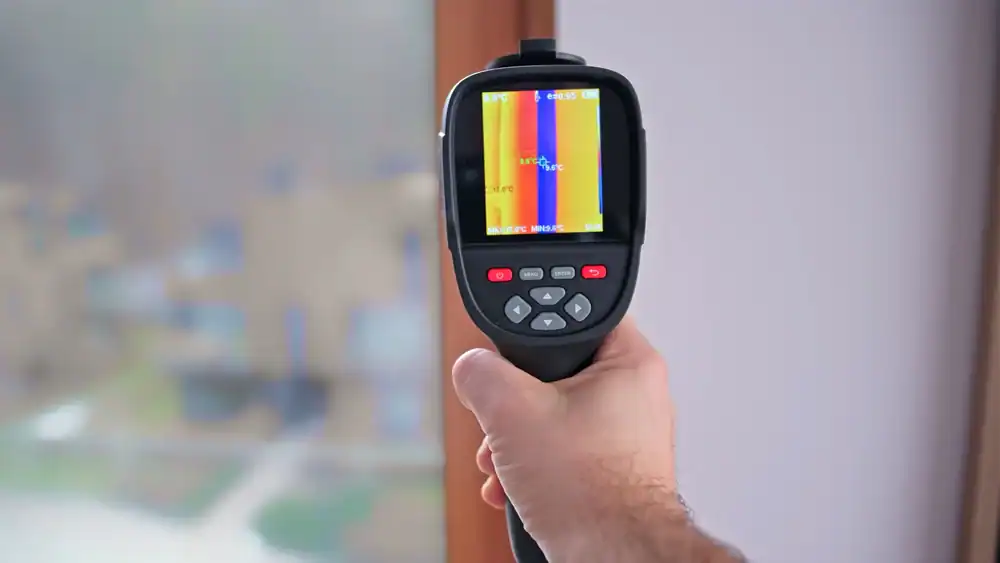
A camera inspection runs between $200 and $400 depending on your system size and access points. That’s a fraction of what you’d pay for excavation-based diagnostics, which start around $1,500 just to locate a problem.
Here’s the bigger picture. If you skip the camera and go straight to digging, you’re paying a crew to trench, locate the issue, and then repair it. If they dig in the wrong spot first, you’re paying for that too. A camera inspection eliminates that guesswork entirely.
And if the inspection reveals a problem that needs repair, you’re looking at costs between $3,000 and $10,000 depending on the severity. But homeowners who catch issues early through regular camera inspections report saving up to 90% on long-term maintenance costs because they’re fixing small problems before they become total system failures.
If you’re planning to sell, refinance, or pull a permit for renovation work, you’ll need documentation of your cesspool’s condition. Buyers and lenders request it during due diligence. Nassau County requires it for certain permits. And if you can’t produce that documentation, you’re delaying your closing or your project.
Even if none of that applies right now, Nassau County regulations require inspections every five years. That’s not a suggestion—it’s mandatory. Failing to maintain proper records can result in fines between $250 and $2,000.
But the practical reason to inspect is simpler. Most cesspool problems don’t announce themselves until they’re expensive. A small crack lets roots in. Those roots grow. Eventually, they block your line or collapse a section of pipe. By the time you notice slow drains or backups, you’re past the point of a simple fix. The camera catches those issues while they’re still manageable.
The most common issues we see are root intrusion, pipe separation, cracks from ground settling, and buildup that restricts flow. Tree roots are the biggest culprit in Old Westbury because of the mature landscaping on most properties. Roots find their way into even small cracks and grow until they block the entire line.
We also find improper connections, especially in older systems that were installed before current regulations. Sometimes that’s a section of pipe that doesn’t meet code. Sometimes it’s a connection that’s failing because it wasn’t done right in the first place.
Grease and sediment buildup show up frequently too. That’s less about system failure and more about maintenance, but it’s still something you want to address before it causes a backup. The camera shows us exactly where the buildup is and how severe it is, so we can clear it effectively instead of just pushing it further down the line.
Most inspections take between 30 and 60 minutes depending on the length of your lines and how many access points we’re checking. There’s no digging involved unless we’re creating a new cleanout access, which is rare.
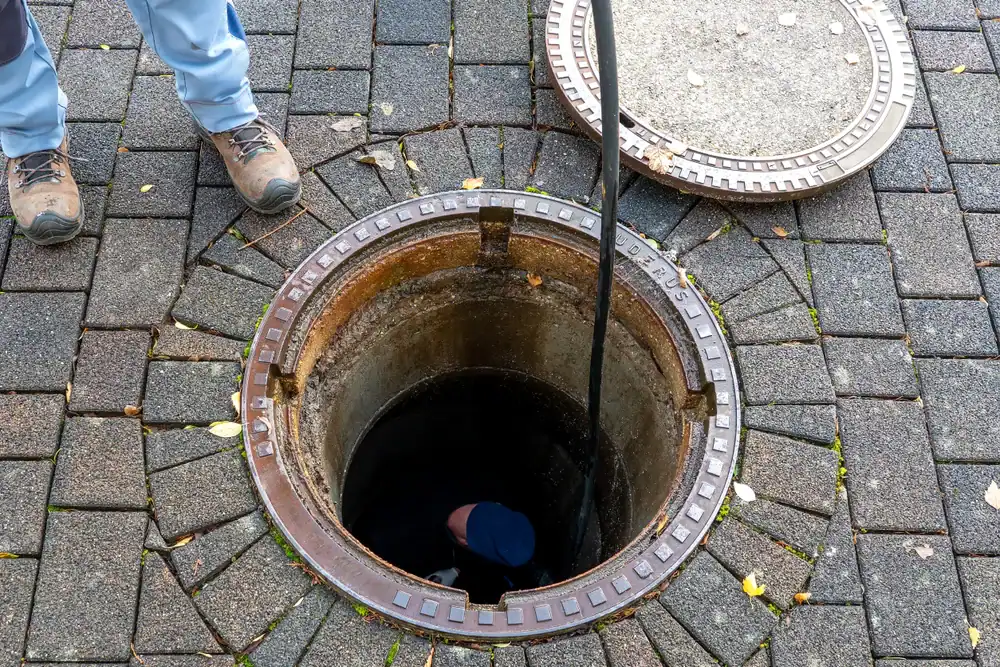
We access your system through existing cleanouts or entry points. The camera is small and flexible—it travels through your pipes without causing damage or requiring us to excavate. You won’t have trenches in your yard or heavy equipment tearing up your landscaping.
If we do find a problem that requires repair, we’ll mark the exact location on the surface before we leave. That way, if you decide to move forward with repairs, the excavation is minimal and targeted. You’re digging in one spot, not exploratory trenching across your property hoping to find the issue.
You get a full video recording and a written report that documents everything we found. The report includes the location and depth of any issues, our assessment of severity, and recommendations for what needs attention immediately versus what you can monitor over time.
That documentation is yours to keep. Use it for your records, share it with other contractors if you’re getting repair quotes, or submit it to Nassau County when you need to show compliance. It’s also valuable when you’re selling your home—buyers want to see that your cesspool system has been maintained and inspected properly.
If we found issues that need repair, we’ll walk you through your options. Some problems require immediate attention to prevent system failure. Others are early-stage concerns that you can address on your timeline. We’re not going to pressure you into unnecessary work, but we will tell you honestly what’s urgent and what’s not.
That’s exactly what it’s designed to do. Emergency cesspool repairs start around $3,000 and quickly climb to $10,000 or more when you’re dealing with collapsed pipes or extensive root damage. Most of those emergencies are preventable if you catch the problem early.
A camera inspection shows you what’s deteriorating before it fails completely. You see cracks while they’re still small. You see root intrusion before it blocks your entire line. You see sections of pipe that are separating before they collapse. That gives you time to plan repairs, budget appropriately, and avoid the premium you pay for emergency service.
Old Westbury homeowners who invest in regular camera inspections report significantly lower long-term maintenance costs because they’re addressing issues proactively instead of reactively. You’re spending $300 every few years on inspections instead of $10,000 once a decade on emergency replacements. The math is straightforward.
Other Services we provide in Old Westbury