
Hear from Our Customers
You shouldn’t have to take someone’s word that your lines are broken or full of roots. A camera inspection shows you exactly what’s happening inside your pipes—cracks, blockages, root intrusion, or nothing at all.
That matters because in Port Jefferson, where most properties rely on cesspools or septic systems instead of public sewers, a wrong diagnosis can cost you $15,000 to $30,000 in unnecessary replacements. A $300 to $500 inspection can save you from that.
You get real-time footage of your entire system, a written report with time-stamped video clips, and the exact location and depth of any problem we find. No excavation required until you actually know what needs fixing.
If your drains are slow, your yard’s wet in spots, or you’re buying or selling property in Suffolk County, this is how you know what you’re dealing with before it becomes an emergency.
We’ve worked with cesspool and septic systems across Port Jefferson and Suffolk County long enough to know what fails, when, and why. Long Island’s sandy soil and aging infrastructure create specific problems that need local experience to diagnose correctly.
We’re licensed, insured, and familiar with Suffolk County Health Department regulations—including the 2019 cesspool installation ban that changed how failing systems must be replaced. That means when we inspect your system, you’re getting advice that accounts for what’s legal, what’s practical, and what actually needs attention.
You’re not getting a sales pitch. You’re getting a camera, a report, and someone who knows the difference between a real problem and a manageable issue.
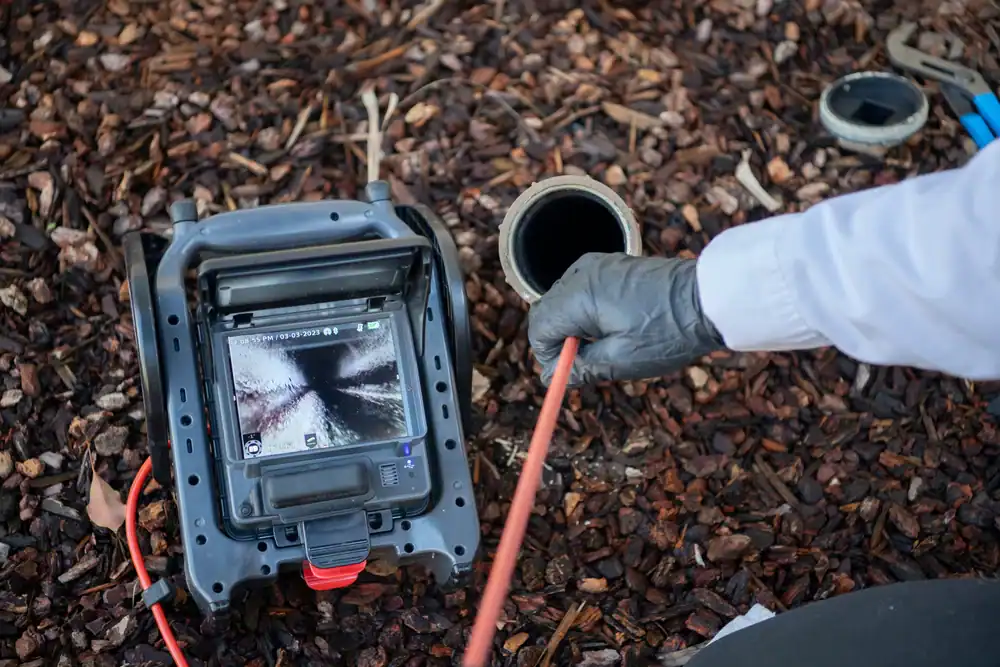
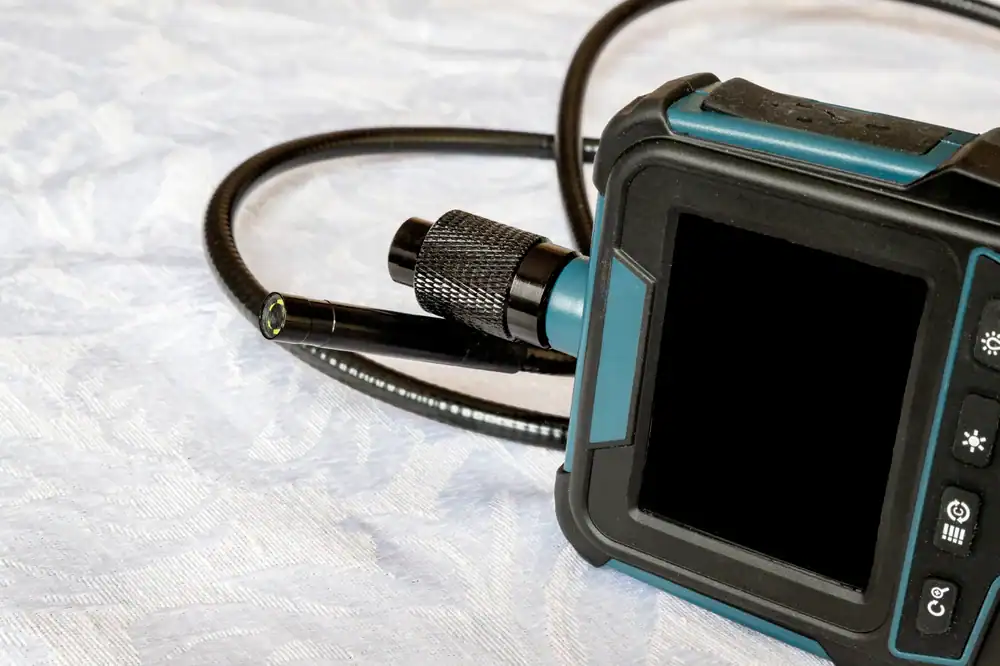
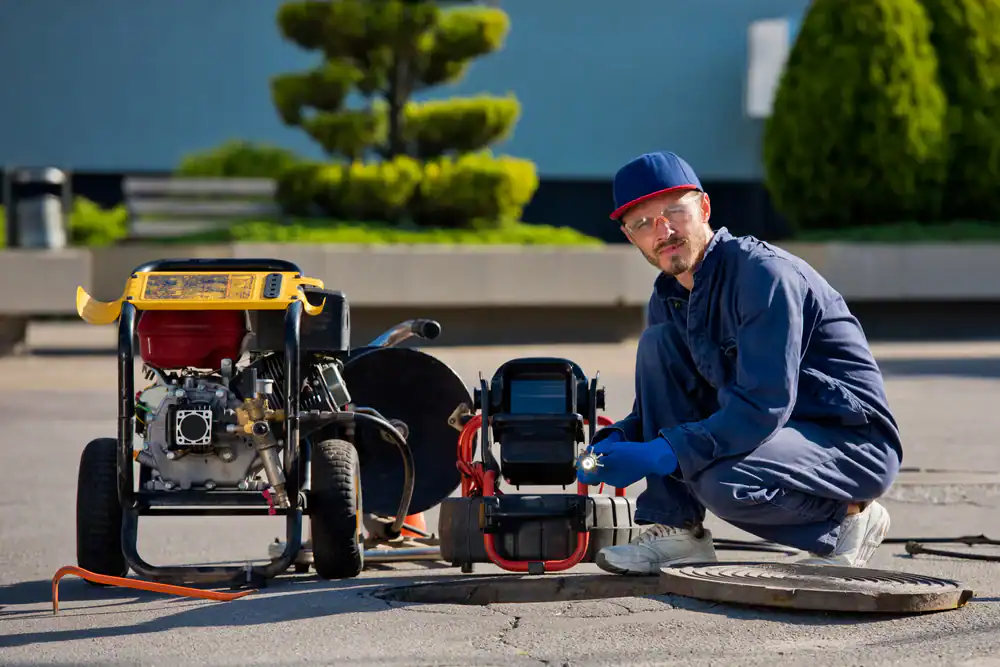
We start by accessing your system through existing cleanouts or access points—no digging required at this stage. A small waterproof camera on a flexible line goes into your pipes and sends live video back to a monitor where you can watch alongside us.
The camera moves through your distribution lines, main sewer line, and cesspool connections while recording everything. We’re looking for cracks, root intrusion, blockages, corrosion, bellied pipes, or structural damage. The footage includes a distance counter so we know exactly how many feet from the access point any issue sits.
If we find something, an integrated locator pinpoints its exact underground location and depth. You get a written report, video clips of problem areas, and a clear explanation of what needs repair, what can wait, and what’s actually fine.
The whole process usually takes an hour or two depending on your system size. You walk away knowing whether you need a $200 rooter service, a $2,000 pipe repair, or nothing at all right now.
Ready to get started?
You get high-definition footage of your entire underground system with clear visuals of any damage, blockages, or wear. The video includes time stamps and distance measurements so there’s no confusion about where problems are located.
Our equipment includes electronic locating that maps your system’s layout and marks problem spots aboveground. That’s critical in Port Jefferson where older properties often have undocumented cesspool locations or distribution lines that shifted over decades.
Your written report breaks down what we found, what it means for your system’s function, and what action (if any) makes sense. If you’re buying or selling property, this documentation satisfies Suffolk County’s inspection requirements and gives you leverage in negotiations if issues appear.
We also provide cost estimates for any repairs we identify, and if you move forward with us, the inspection cost often gets credited toward the work. But there’s no pressure—plenty of inspections reveal systems that just need routine maintenance, not major repairs.
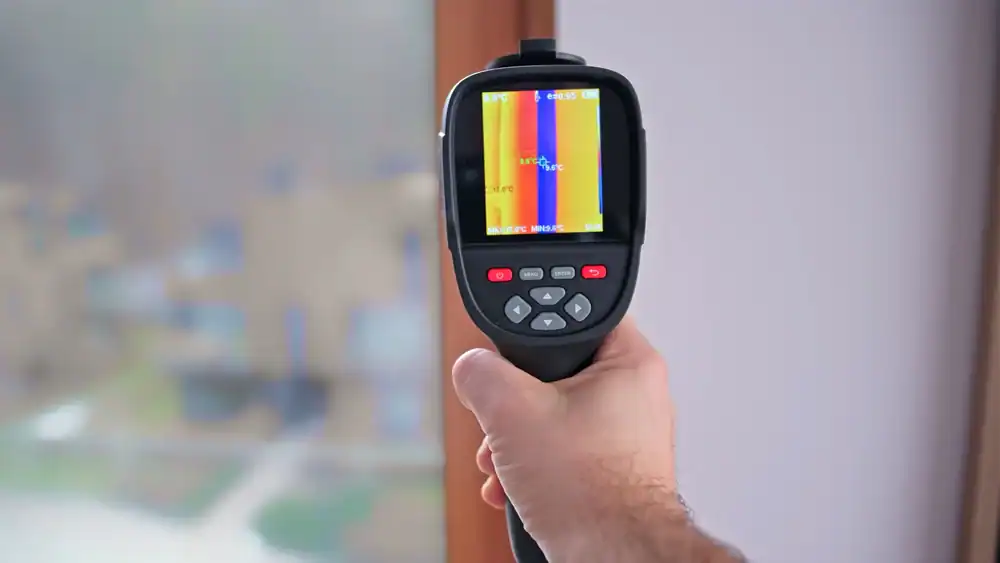
Most camera inspections run between $300 and $500 depending on your system’s size and complexity. That’s a fraction of what you’d spend on emergency repairs or unnecessary replacements.
For context, cesspool replacement in Suffolk County costs $15,000 to $30,000 or more with the new advanced treatment requirements. A sewer backup repair averages several thousand dollars once you factor in cleanup and restoration. Spending a few hundred to know what’s actually wrong—or confirm nothing’s wrong—makes sense.
If we find issues and you hire us for the repair work, we typically credit the inspection cost toward your total. But even if you don’t move forward, you’ve got documentation of your system’s condition that’s useful for maintenance planning, insurance claims, or property transactions.
The camera shows root intrusion, which is common in Port Jefferson’s older systems where tree roots infiltrate pipes through joints or cracks. You’ll see exactly how much blockage exists and where it’s happening.
We also catch structural damage—cracked pipes, collapsed sections, corroded metal, or separated joints that let soil infiltrate your lines. Bellied pipes where sections have settled create low spots that trap waste and cause recurring backups.
Blockages from grease buildup, foreign objects, or sediment accumulation show up clearly on camera. We can tell whether a clog is recent and easily cleared or if it’s hardened scale that needs more aggressive treatment. The footage also reveals your pipe material and condition, which helps predict future problems and plan replacements before they fail completely.
In Suffolk County, most property sales require cesspool or septic inspection to verify the system works and meets current regulations. A camera inspection goes beyond basic pumping to show you the actual condition of underground components.
That matters because a system might pass a basic flow test but have cracked distribution lines, root-damaged pipes, or a deteriorating cesspool that’ll fail within a year or two. Finding that before closing gives you negotiating power to reduce the purchase price or require the seller to make repairs.
Given that Suffolk County banned new cesspool installations in 2019, any failing system must be replaced with an advanced treatment system costing $20,000 or more. Knowing that expense is coming lets you make an informed decision about the property or adjust your offer accordingly. A $400 inspection can save you from inheriting a $25,000 problem.
Most residential inspections take one to two hours depending on your system’s size and how many distribution lines need checking. Larger properties with multiple cesspool systems or extensive pipe runs take longer.
The actual camera work moves fairly quickly—we’re advancing through your pipes at a steady pace while recording. If we find blockages or damage, we slow down to document the issue thoroughly and use locating equipment to mark its position aboveground.
You can watch the live feed during the inspection, which most homeowners find helpful because you’re seeing the same thing we are in real time. After the camera work finishes, we review findings with you on-site and discuss what makes sense for next steps. The written report and video clips usually get delivered within a day or two.
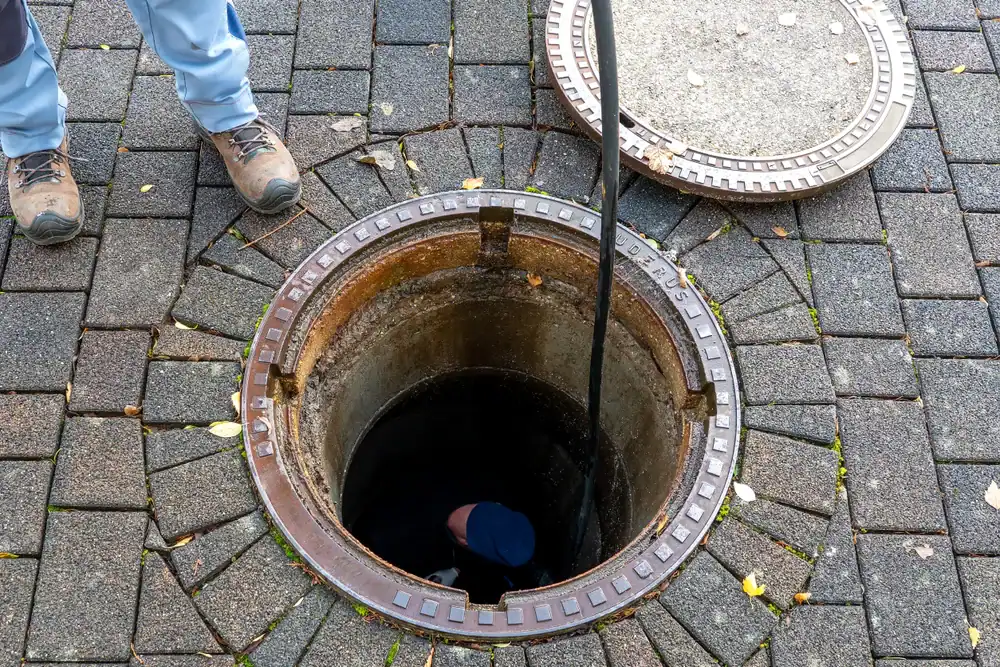
No digging is required for the inspection itself. We access your system through existing cleanouts, inspection ports, or in some cases by removing a toilet to reach the main line. The camera equipment is designed to navigate pipes without causing damage.
That’s actually one of the main benefits—you get a complete diagnosis without tearing up your yard, driveway, or landscaping. We only recommend excavation after the camera shows exactly what’s wrong and where it’s located, which means any digging that does happen later is targeted and minimal.
In Port Jefferson where many properties have mature landscaping and established yards, avoiding unnecessary excavation saves you money on restoration and protects your property’s appearance. If repairs are needed, the camera footage shows the crew exactly where to dig instead of exploratory trenching across your yard hoping to find the problem.
You get a clear explanation of what we found, how serious it is, and what your options are for addressing it. Some issues need immediate attention—like a collapsed pipe causing backups. Others can be monitored and planned for down the road.
We provide cost estimates for repairs so you know what you’re looking at financially. Many problems have multiple solution approaches with different price points, and we’ll walk through what makes sense for your situation and budget.
If you decide to move forward with repairs, the inspection footage guides the work so there’s no guesswork involved. If you want a second opinion or prefer to hire someone else, you’ve got documentation showing exactly what needs fixing. And sometimes the camera reveals your system is actually fine—maybe you just need routine maintenance or a simple cleaning, not the major repair someone else quoted you for.
Other Services we provide in Port Jefferson