
Hear from Our Customers
You’re dealing with slow drains, weird smells, or backups that keep coming back. Someone could dig up half your yard trying to find the issue. Or you could see exactly what’s wrong in the next hour.
That’s what camera inspections do. A waterproof HD camera goes into your line and shows you—in real time—where roots are growing, where pipes are cracked, or where that clog actually is. Not somewhere in a 50-foot section. The exact five-foot spot.
You’re not paying for trial and error. You’re getting a clear answer, digital footage you can review, and a plan that makes sense. If there’s a problem, you’ll see it. If your system’s fine, you’ll know that too. No more wondering if the next flush is going to flood your basement.
We’ve been handling cesspool and septic issues across Long Island for nearly two decades. We’re a family-owned company—four generations deep—and we’ve seen just about every pipe problem Quogue properties can throw at us.
Quogue homes sit in a coastal area with older infrastructure, shifting soil, and aggressive root systems near the water. Your pipes deal with conditions that require someone who knows what they’re looking at. We’ve inspected hundreds of systems in this area, and we know what normal wear looks like versus what needs immediate attention.
When we show up with our camera equipment, you’re getting straight answers. We’ll walk you through what we find, explain what it means, and tell you what needs to happen next. No upselling. No scare tactics. Just clear information so you can make the right call for your property.
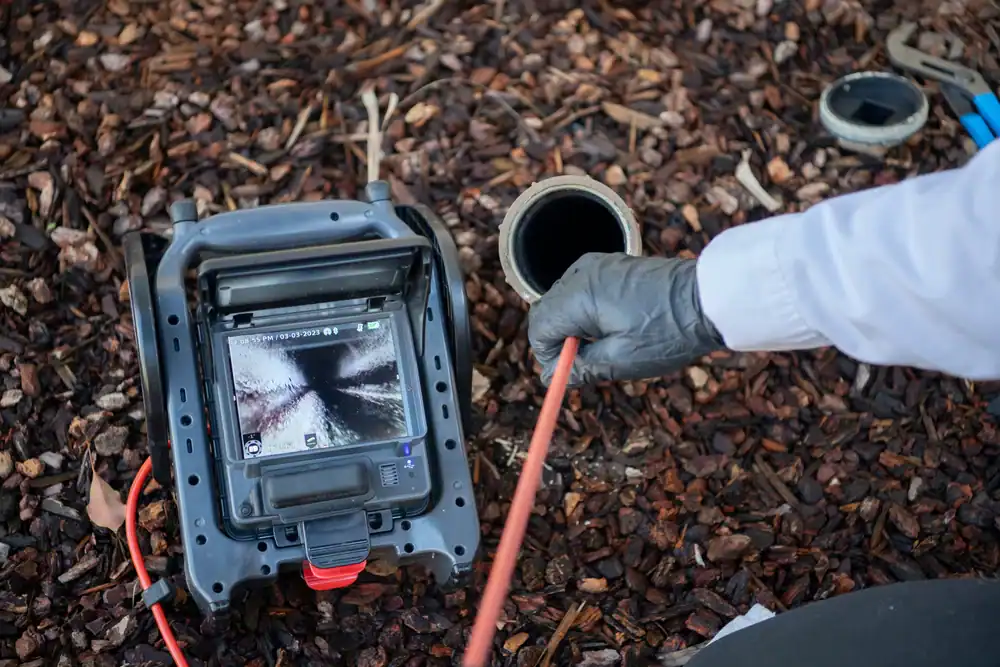
We start by locating your cleanout access point—usually near the house or at the property line. That’s where the camera enters your system. The camera itself is attached to a flexible cable that can navigate bends and reach up to 300 feet through pipes ranging from 2 to 36 inches in diameter.
As the camera moves through your line, you’re watching live footage on our monitor. We’re looking for cracks, root intrusion, blockages, pipe deterioration, bellied sections, or any separation in the joints. The camera has LED lights and a self-leveling head, so the image stays clear even as it moves through water or around corners.
When we spot an issue, we mark the exact location. The camera has a transmitter that lets us pinpoint the problem from above ground—down to the foot. That means if you need a repair, the crew knows exactly where to dig. No exploratory trenches. No tearing up your entire driveway.
After the inspection, you get a full report with digital footage and our assessment. We’ll explain what we found, what’s urgent, what can wait, and what your options are. Most inspections take under an hour, and your property stays intact the entire time.
Ready to get started?
Real-time clog detection means you’re not waiting days for results. We identify blockages as we move through the line and show you exactly what’s causing the backup—whether it’s grease buildup, foreign objects, or root masses.
Pipe condition assessment goes beyond finding clogs. We’re evaluating the structural integrity of your entire system. You’ll see if your pipes are cast iron that’s rusting through, clay that’s cracking with age, or PVC that’s holding up fine. In Quogue, many properties still have original clay pipes from decades ago, and they don’t age gracefully near coastal water tables.
Locating underground pipe leaks becomes simple when you can see water seeping through cracks or joints separating under pressure. These are the leaks that turn into sinkholes or contaminate your well water if left alone. Catching them early saves you from emergency repairs that start around $3,000 and climb fast.
You also get digital footage and reporting that works for more than just your records. If you’re buying a home in Quogue, mortgage lenders often require camera inspections before approving loans on properties with cesspool systems. If you’re filing an insurance claim, video documentation backs up your case. If you’re selling, clean inspection footage removes buyer objections before they start.
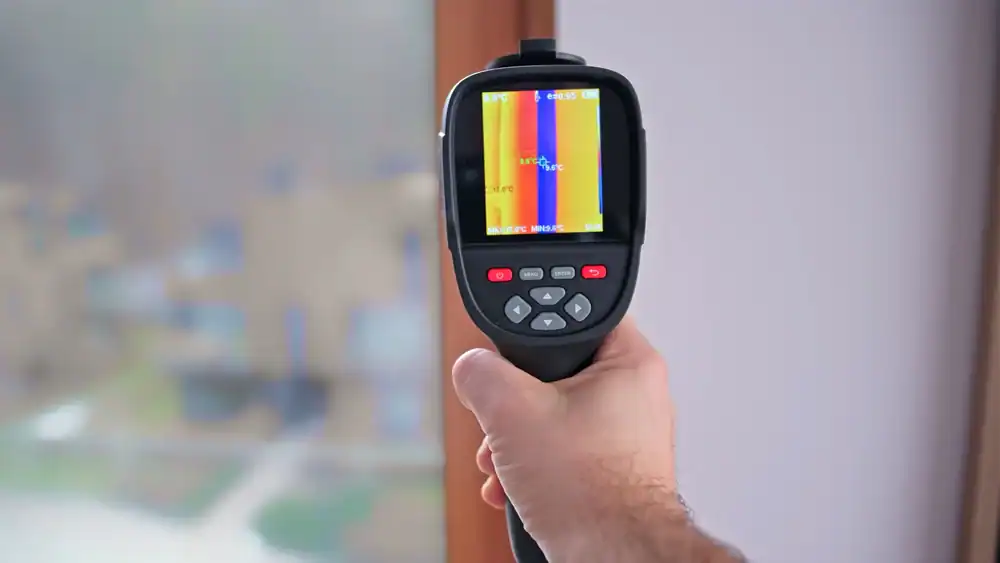
Camera inspections typically run $200 to $400. Compare that to what happens without one.
If a crew shows up to fix a “backup somewhere in your line,” they’re guessing where to dig. That means excavating large sections of your property—sometimes 20 or 30 feet of trench—trying to find the problem. You’re paying for labor, equipment, and restoration on all that digging. Then if they don’t find it in the first spot, they dig another section.
Emergency cesspool repairs average $1,775 when you catch problems early. If the system fails completely, you’re looking at $7,350 or more for replacement, plus fixing whatever damage the failure caused. A camera inspection finds the issue in the first hour and tells you exactly what fix you need. You’re spending a few hundred to potentially save thousands.
That’s the entire point. Most pipe failures don’t happen overnight—they develop over months or years.
You’ll see root intrusion while it’s still small and manageable, before roots completely block the line and cause a backup into your house. You’ll catch cracks while they’re hairline fractures that can be sealed, not full breaks that require replacing entire sections. You’ll spot bellied sections where pipes have settled and are collecting waste, before they create a complete blockage.
Long Island properties, especially in coastal areas like Quogue, deal with soil shifting and aggressive root systems. Regular inspections every 3-5 years catch deterioration while it’s still a minor repair. The alternative is waiting until sewage surfaces in your yard or backs up into your basement—and at that point, you’re in emergency mode paying premium rates for immediate service.
You get a clear explanation of what’s wrong, how urgent it is, and what your options are for fixing it.
If it’s a simple clog, we can often clear it the same day with hydro jetting or mechanical snaking. If it’s a crack or root intrusion, we’ll tell you whether it needs immediate attention or if you can schedule it for later. If it’s a failing section of pipe, we’ll explain whether you need a spot repair or a larger replacement.
Because we marked the exact location during the inspection, any repair work is targeted. Instead of digging up a 50-foot section of your yard, we’re accessing a specific 5-foot area. That saves you money on labor and restoration. You’re also not dealing with surprise costs—you know what the problem is before anyone starts work, so you can get accurate estimates and make informed decisions about how to proceed.
If the property has a cesspool or septic system, yes. And most mortgage lenders will require it before approving your loan.
Suffolk County banned new cesspool installations in 2019, which means any existing cesspool that fails needs to be upgraded to a modern septic system or advanced treatment technology. That’s expensive—often $10,000 or more depending on the property. You need to know what condition the system is in before you close.
A camera inspection reveals problems that surface inspections miss. You’ll see if pipes are deteriorating, if there’s root damage, if the system is near failure. That information gives you negotiating power. You can ask the seller to make repairs, adjust the purchase price, or walk away if the system needs complete replacement. Without the inspection, you’re buying blind—and if the system fails six months after you move in, that’s your problem to solve.
Our cameras extend up to 300 feet, which covers the entire private sewer line for most Quogue properties—from your indoor plumbing connections all the way to where your line meets the municipal system or your cesspool.
The camera navigates through bends, around corners, and through pipes of different sizes. It works in lines from 2 inches (like your indoor drains) up to 36 inches (like main sewer lines). The flexible cable pushes through water, waste, and minor obstructions while transmitting live HD video back to our monitor.
If we hit a complete blockage that stops the camera, we’ll note that location and clear it before continuing the inspection. The goal is to see your entire system in one visit. That gives you a complete picture of what’s happening underground—not just one section, but the whole line from your house to the street.
No. The camera is designed specifically to move through pipes without causing damage, and nothing gets dug up during the inspection itself.
The camera head is smooth and rounded, and the cable is flexible enough to navigate your system without scraping or catching on anything. We’re not forcing anything through—if there’s a blockage, we note it and clear it properly before continuing. The entire process is non-invasive.
Your landscaping, driveway, and yard stay completely intact during the inspection. We’re accessing your system through existing cleanouts or access points. The only time any digging happens is if the inspection reveals a problem that needs repair—and even then, you’re making that decision after seeing exactly what’s wrong and where it is. The inspection itself leaves zero mark on your property.
Other Services we provide in Quogue