
Hear from Our Customers
You shouldn’t have to guess what’s happening underground. When your drains back up or your cesspool shows signs of trouble, the old approach meant digging based on hunches—tearing up landscaping, cracking driveways, and hoping the crew found the problem before the bill got out of control.
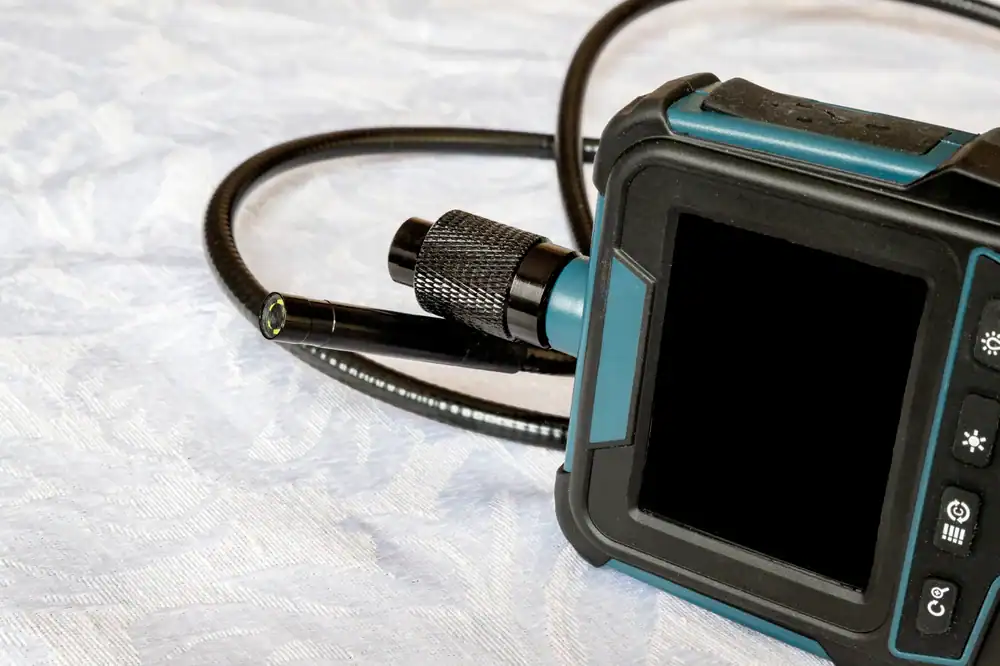
Camera inspections change that completely. A waterproof camera travels through your pipes and sends real-time footage to a monitor above ground. You see tree roots wrapping around your main line. You watch the exact spot where your pipe cracked. You understand why water isn’t draining the way it should.
That footage eliminates the guesswork. Instead of excavating half your yard to locate a blockage, you know its exact position before anyone picks up a shovel. The camera records depth and physical location using radio transmitters, so repairs happen faster and cost less. Most inspections run between $200 and $400. Compare that to emergency repairs starting around $3,000 and climbing past $10,000 when extensive pipe replacement becomes necessary.
You make decisions based on what’s actually there, not what someone thinks might be wrong.
We’ve handled cesspool and septic systems across Ridge and Long Island for years. We understand how systems perform in Ridge’s soil conditions and what typically goes wrong with older cesspools in this area.
Ridge sits on clay-heavy soil that doesn’t absorb liquids quickly. That affects how your system functions and how often it needs attention. We account for those conditions when we inspect your pipes and explain what we find.
We’re licensed and insured. We handle permits and inspections that come with septic work in New York. When we show up, we look at your system first to understand what you’re dealing with. We’re not interested in selling services you don’t need—we’d rather you call us back because we were straight with you the first time.
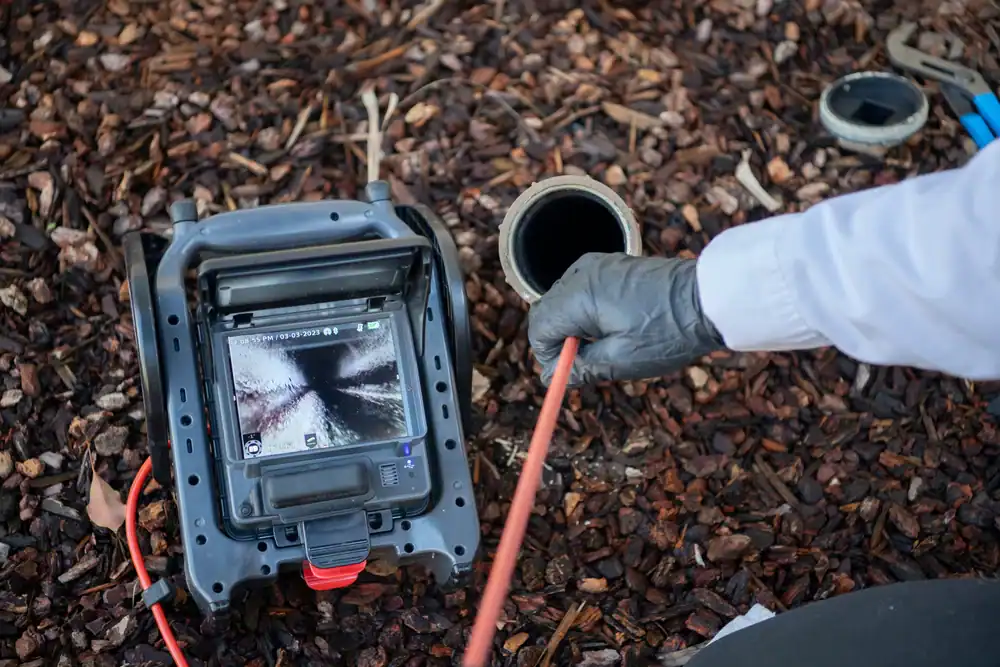
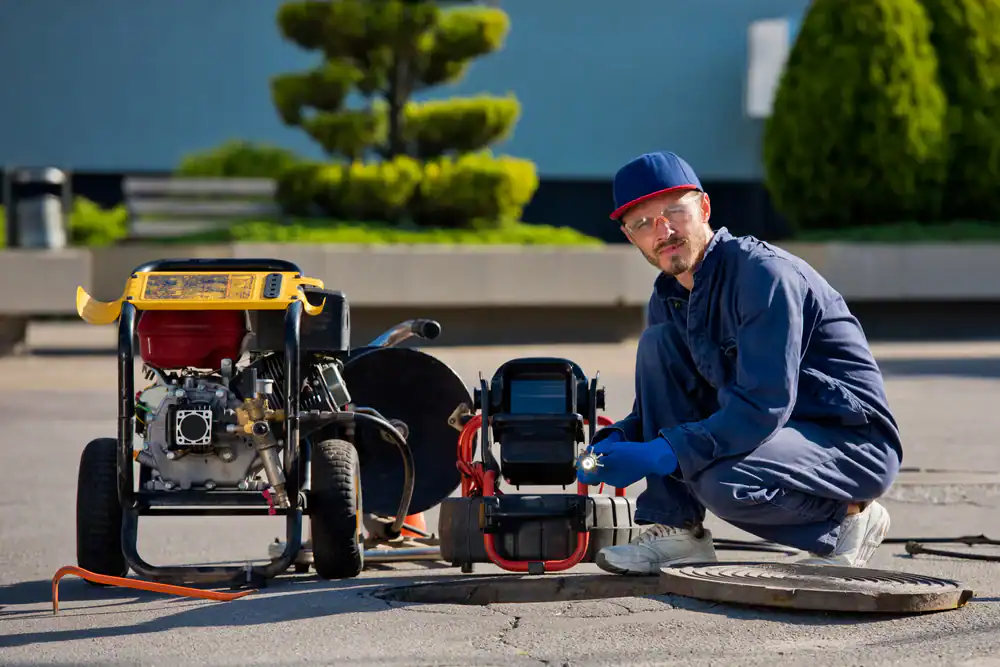
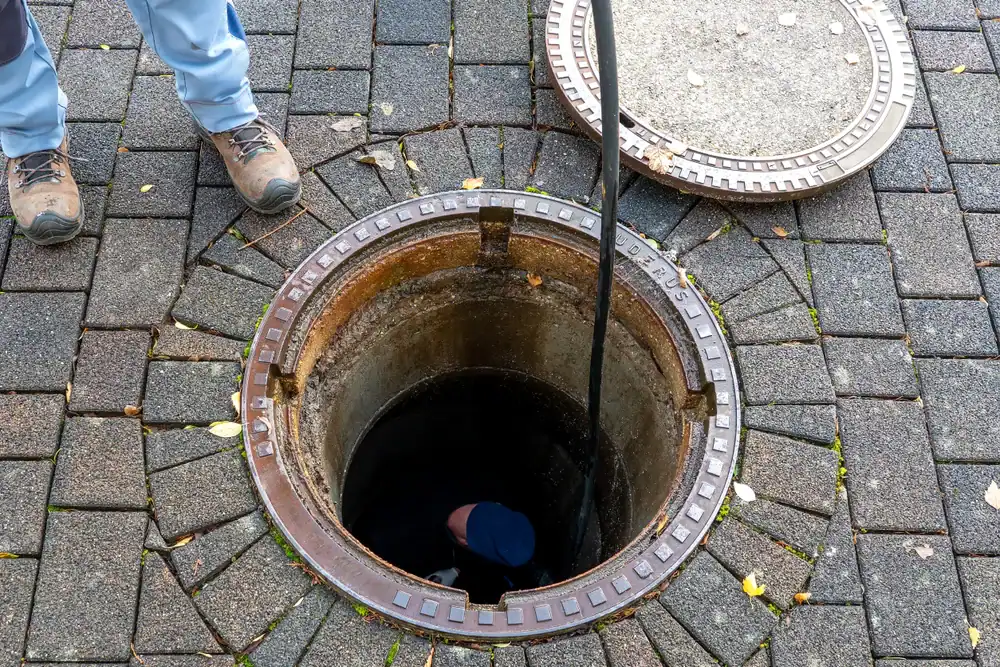
We access your system through existing cleanouts—no digging required to start. The camera is small, flexible, and encased in waterproof housing. It attaches to a cable that we guide through your pipes while watching live footage on a monitor.
As the camera moves through your system, it captures high-resolution video of your pipe’s interior. We’re looking for cracks, blockages, root intrusion, corrosion, and anything else affecting flow. The camera extends up to 300 feet, covering your entire private sewer line in one inspection.
Radio transmitters on the camera record the depth and exact location of any problem we spot. That means if we find a crack 47 feet from your house at a depth of 4 feet, we know precisely where to dig if repairs become necessary. Most residential inspections take one to two hours depending on your system’s length and complexity.
You watch the footage with us. We explain what you’re seeing and what it means for your system. You get a copy of the video for your records or insurance purposes. Then we give you transparent pricing for any repairs before work starts—no surprise fees or charges we didn’t discuss upfront.
Ready to get started?
Our camera inspection covers your entire pipe system from indoor plumbing connections to where your lines meet the municipal system or your cesspool. You receive real-time clog detection as we move through your pipes, with immediate identification of blockages, root intrusion, and structural damage.
The inspection includes pipe condition assessment that documents cracks, corrosion, joint separation, and any deterioration affecting your system’s performance. We’re locating underground pipe leaks you can’t see from the surface—problems that could be contaminating groundwater or creating sinkholes in your yard.
Ridge homeowners deal with specific challenges. Suffolk County has roughly 250,000 cesspools discharging untreated waste directly into the ground. The water table depth varies significantly between north and south shores across Long Island. Clay soil common in this area doesn’t absorb liquids quickly, meaning your system works harder than it would in sandier locations.
We provide digital footage and reporting that documents everything we find. That video evidence supports insurance claims when necessary and gives you proof of your system’s condition. In about four out of five inspections, cameras reveal additional issues beyond the original complaint—problems you can address now while they’re still manageable instead of waiting for an emergency.
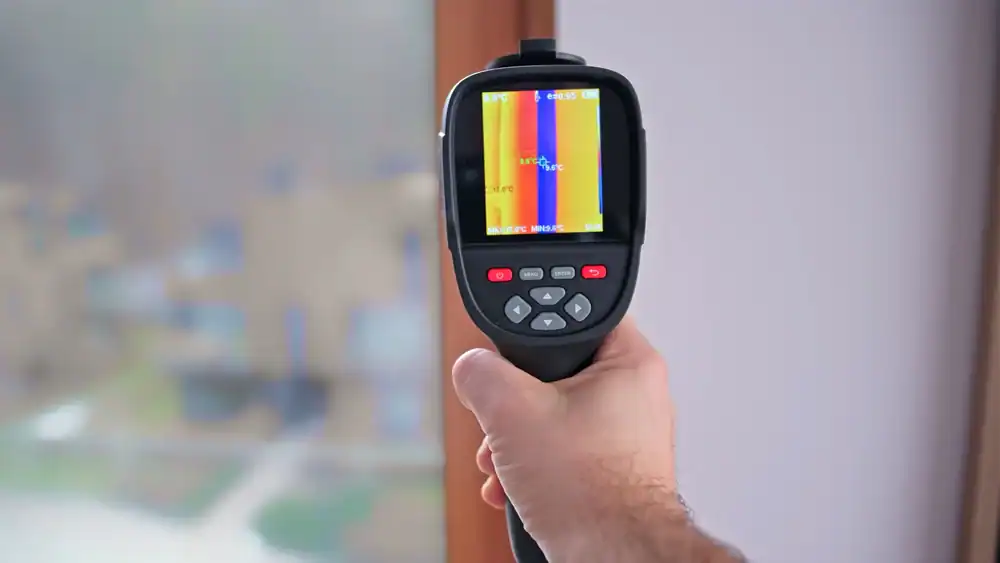
Camera inspections typically cost between $200 and $400 for residential properties in Ridge. That covers the full inspection, video documentation, and a clear explanation of what we found.
Digging without a camera means excavating based on educated guesses. Crews identify general areas where problems might exist, then start tearing up your yard until they find the actual issue. You’re paying for labor, equipment, and restoration for every spot they dig—even the ones that turn out fine.
Emergency cesspool repairs start around $3,000. When extensive pipe replacement becomes necessary, costs quickly reach $10,000 or more. A camera inspection costs a fraction of that and tells you exactly where the problem sits before anyone touches a shovel. You save money on unnecessary excavation, faster repairs, and landscaping restoration. Most homeowners who invest in regular camera inspections report up to 90% reduction in long-term maintenance costs because they catch problems early while they’re still affordable to fix.
No. Camera inspection is completely non-invasive and won’t damage your pipes or property. We access your system through existing cleanouts—the same access points used for routine maintenance.
The camera is designed specifically for pipe inspection. It’s small, flexible, and moves smoothly through your lines without forcing or scraping. We’re not pushing rigid equipment through tight spaces or applying pressure that could crack older pipes. The waterproof housing protects the camera while keeping your pipes safe.
Your landscaping, driveway, and yard stay untouched throughout the entire process. We don’t dig to perform the inspection. We only excavate if you decide to move forward with repairs, and by that point, we know the exact location to dig. That precision means minimal disruption to your property compared to the old method of digging multiple test holes to locate a problem.
Camera inspections reveal the full range of issues affecting your cesspool or sewer system. We identify blockages from grease buildup, foreign objects, or collapsed pipes. We spot tree roots that have infiltrated your lines—one of the most common problems in Ridge where mature trees are everywhere.
The camera shows structural damage like cracks, joint separation, corrosion, and sections where pipes have shifted or settled. We see bellied pipes where sections have sunk and created low spots that trap water and waste. We catch early signs of deterioration before they become complete failures.
In Ridge’s clay soil conditions, we often find issues related to poor drainage and system overload. The camera helps us assess whether your cesspool is sized appropriately for your household or if soil conditions are preventing proper absorption. We document everything with high-resolution footage, so you’re not taking our word for it—you see the problem yourself. That visual evidence eliminates any doubt about what’s happening underground and why we’re recommending specific repairs.
Most residential camera inspections in Ridge take one to two hours depending on your pipe system’s complexity and length. Simple drain line inspections checking a single problem area might take 30 to 45 minutes.
Comprehensive sewer line inspections from your house to the street typically require one to two hours. We’re not rushing through your system. We move the camera slowly enough to capture clear footage and identify every issue affecting your pipes.
The inspection time includes setup, running the camera through your lines, reviewing footage with you, and explaining what we found. If your system is particularly long or we discover multiple issues that need closer examination, the inspection might run slightly longer. We give you a copy of the video, so you have documentation of your system’s condition. Then we discuss next steps and provide transparent pricing for any repairs before you make decisions about moving forward.
Yes. The video documentation from your camera inspection meets insurance company evidence requirements when you’re filing claims related to sewer or cesspool damage.
Some insurance companies cover inspection costs when investigating claims. The high-resolution footage provides clear proof of what caused the damage, when it likely occurred, and what repairs are necessary. That visual evidence supports your claim much more effectively than written estimates alone.
You receive a copy of the complete inspection video for your records. Keep that footage with your home maintenance documentation. If you need to file a claim months or even years later, you have dated proof of your system’s condition at the time of inspection. Insurance adjusters appreciate clear documentation because it speeds up the claims process and reduces disputes about what actually needs repair. The video also protects you if questions arise about whether damage was pre-existing or resulted from a specific event.
Systems that seem fine on the surface often hide problems developing underground. By the time you notice slow drains, sewage odors, or wet spots in your yard, damage has usually progressed beyond early-stage repairs.
Camera inspections catch issues while they’re still small and affordable to fix. A tiny crack in your pipe might not affect drainage today, but tree roots find that crack and exploit it. What starts as a minor repair becomes a major excavation project when roots completely block your line.
Ridge homeowners face specific risks. Suffolk County reports median groundwater nitrogen levels in the Upper Glacial Aquifer rising 40% since 1987, largely due to failing cesspools. Long Island’s sandy soil and high water table mean contamination spreads quickly through the ground, potentially affecting your neighbors’ wells and the broader community water supply. Regular camera inspections help you stay ahead of problems before they become health hazards or environmental issues. Most homeowners who schedule preventive inspections every few years avoid the emergency calls that happen at the worst possible times—usually right before hosting family or during holiday weekends when repair costs double.
Other Services we provide in Ridge