
Hear from Our Customers
You’re dealing with a backup, slow drain, or wet spot in the yard. Someone could start digging and hope they find it. Or you could see the actual problem first.
A sewer line video inspection gives you a live look inside your pipes. The camera travels through your system and sends back real-time footage showing cracks, clogs, root intrusion, or deterioration. You see what we see, right there on the screen.
That means no unnecessary excavation. No wasted time chasing the wrong issue. And no surprise costs once the work starts. You know what’s wrong, where it is, and what fixing it will actually involve before anyone picks up a shovel.
In roughly four out of five inspections, the camera reveals something beyond the original complaint. Catching those issues early keeps a small repair from turning into an emergency that costs thousands more down the line.
We’ve been handling cesspool and septic work across Long Island for nearly two decades. We’re a family-owned company, now in our fourth generation, and we’ve built our reputation on showing up on time and doing the work right.
Smithtown sits in the heart of Suffolk County, where roughly 75% of homes still rely on cesspools or septic systems. That means most of your neighbors are dealing with the same underground infrastructure you are. We know the soil conditions here, the common failure points, and what happens when systems age in this area.
We use the latest camera technology because it gives you answers fast. You’re not paying for hunches. You’re getting digital footage, accurate depth readings, and a clear explanation of what needs to happen next.
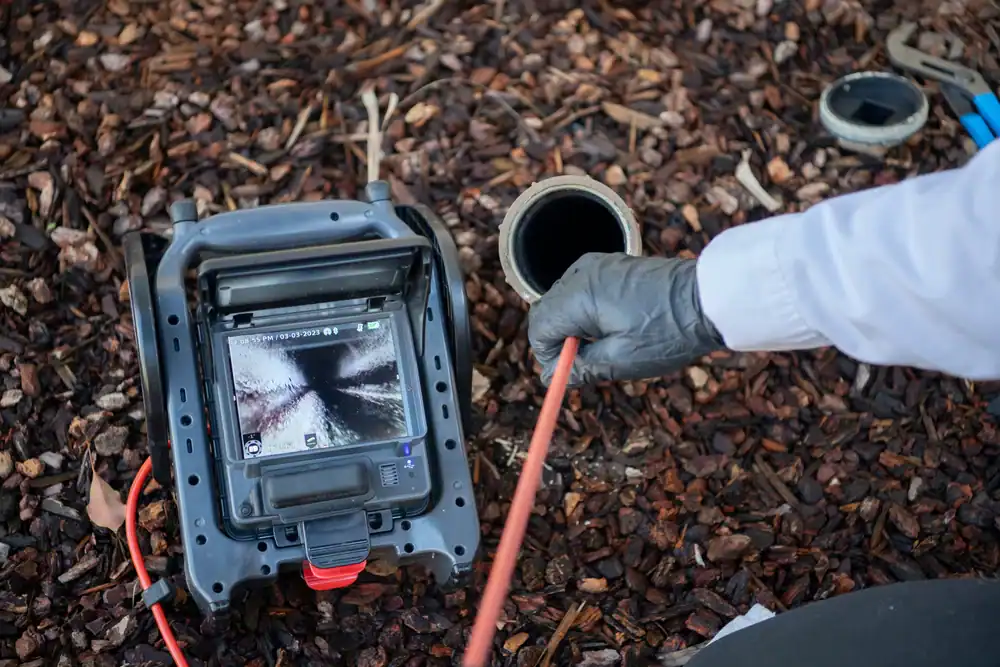
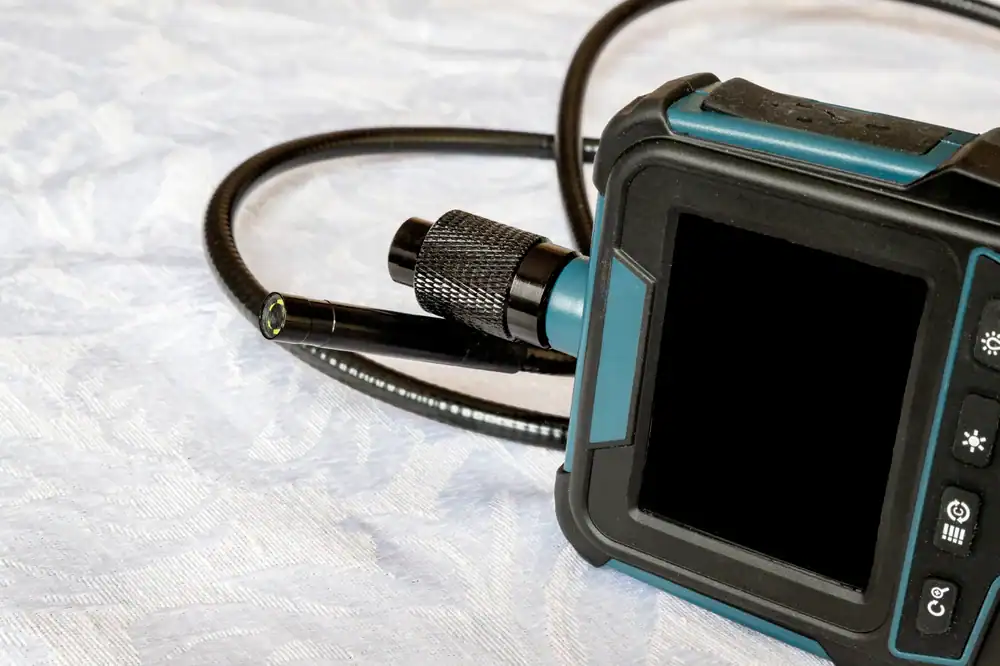
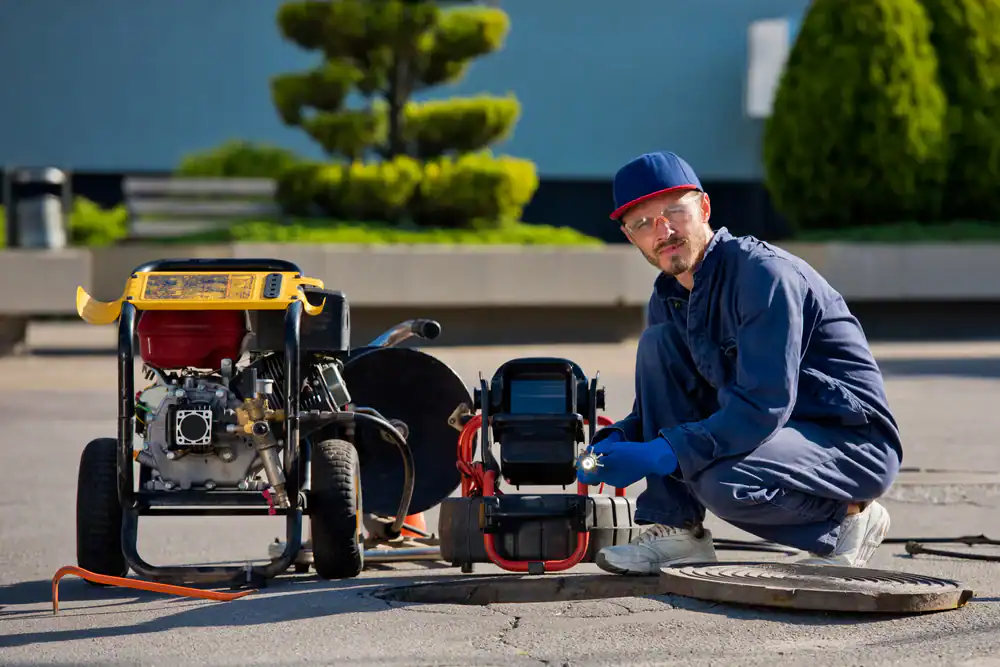
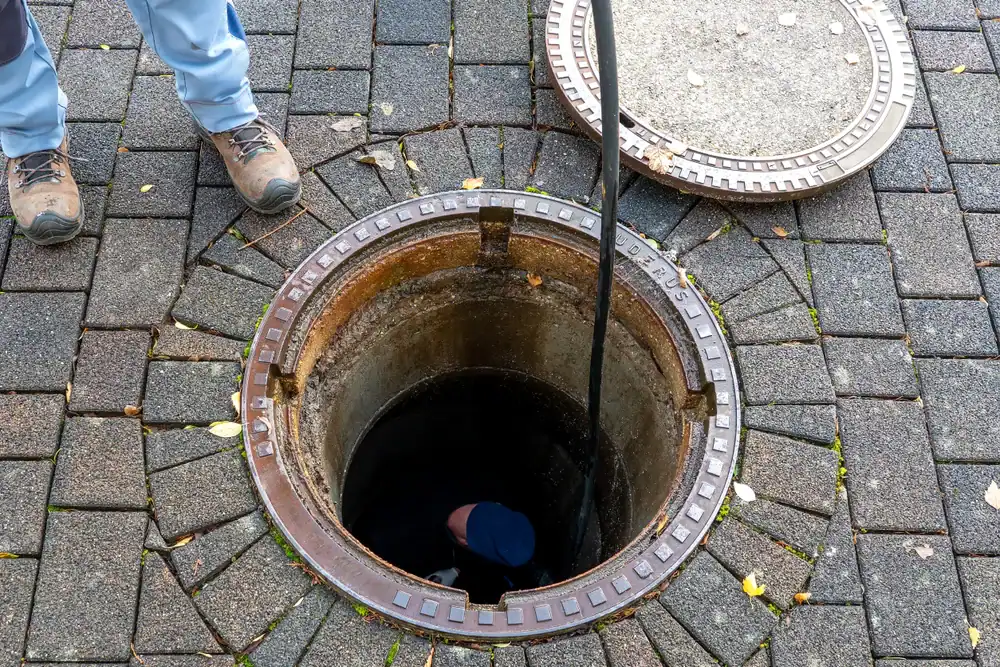
We start by locating the access point to your system—usually a cleanout or an existing opening. From there, we feed a waterproof camera attached to a flexible cable down into the pipe. The camera has its own light source and sends live video back to a monitor above ground.
As the camera moves through your lines, we’re watching for clogs, cracks, root penetration, bellied sections, or any kind of structural damage. The equipment also uses a radio transmitter to record the exact depth and location of any problem we find. That means if you need a repair, we know precisely where to dig.
The whole process is non-invasive. We’re not cutting into walls or tearing up your landscaping just to figure out what’s going on. Most inspections take less than an hour, and you walk away with a full understanding of your system’s condition.
You also get digital footage and a written report. If you’re buying or selling a home in Smithtown, that documentation matters. Most Long Island property sales now require a cesspool inspection to verify the system is functioning and compliant with local regulations.
Ready to get started?
Every camera inspection includes a complete video walkthrough of your system, a measurement of sludge levels if applicable, and an assessment of how well your lines are draining. We’re checking for blockages, but we’re also looking at the overall health of the pipes—things like joint separation, corrosion, or shifting that could cause problems later.
You receive a copy of the footage and a detailed report that explains what we found. If there’s an issue, we’ll tell you what’s causing it, where it’s located, and what your options are for fixing it. If your system looks good, you’ll have documentation proving that.
This matters more than ever in Suffolk County. Since 2019, new cesspool installations have been banned here, and any system that fails has to be replaced with an advanced treatment unit. That’s a $15,000 to $30,000 expense. A camera inspection can show that your existing system is still functioning properly, which can save you from a premature replacement.
For homeowners in Smithtown dealing with a sale or refinance, lenders and buyers want proof the system has been maintained. A professional inspection report gives you that proof and keeps the transaction moving.
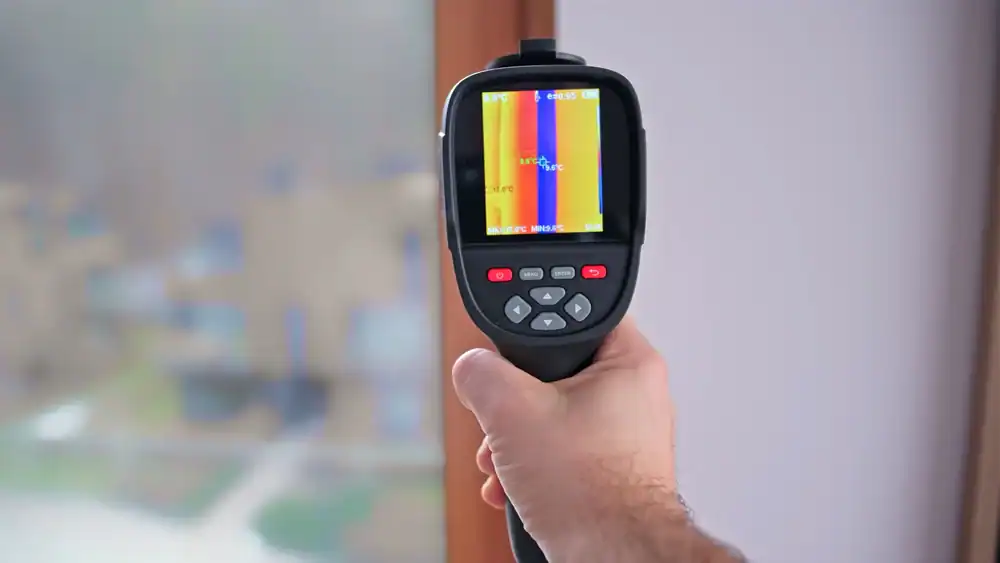
A camera inspection typically runs between $200 and $400. Compare that to what happens when you skip it.
If a crew has to dig in multiple spots trying to locate a problem, you’re paying for labor, equipment, and restoration every time they open a new hole. That can easily add $1,000 to $3,000 to the job. And if they guess wrong, you’re also dealing with torn-up landscaping, damaged driveways, or ruined garden beds that need to be fixed afterward.
The camera removes the guesswork. We know exactly where the issue is before any excavation starts, so you’re only digging once and only where it’s necessary. For most homeowners, that difference in cost and disruption pays for the inspection several times over.
Yes, and that’s one of the biggest reasons to schedule one before you’re dealing with a backup.
Pipes don’t fail overnight. Cracks develop slowly. Roots work their way in over months or years. Joints separate as the ground shifts. By the time you notice slow drains or soggy spots in the yard, the damage is often significant.
A camera inspection catches those early warning signs while they’re still small. Maybe there’s a hairline crack that hasn’t caused a problem yet, or a section where roots are just starting to penetrate. Fixing that now—before it turns into a full blockage or collapse—saves you from an emergency repair that costs five or ten times more.
This is especially useful if you’re buying a home in Smithtown. The system might be working fine today, but a camera inspection can show you whether it’s likely to need major work in the next few years. That information gives you leverage in negotiations or at least lets you budget for what’s coming.
Pumping removes the solids and liquids that have accumulated in your tank. It’s maintenance, and it needs to happen every few years depending on your household size and usage.
A camera inspection is diagnostic. It’s about looking inside the pipes and tank to see their actual condition. Pumping keeps your system running. A camera inspection tells you whether your system is healthy or heading toward failure.
You might pump your cesspool and still have problems afterward—slow drains, backups, or odors. That’s when a camera inspection makes sense, because it shows you what’s happening in the lines between your house and the tank, or between the tank and the leach field. Pumping won’t fix a cracked pipe or a root-clogged line, but a camera will show you exactly where those issues are.
In a lot of cases, we’ll recommend doing both during the same visit. Pump the system to clear it out, then run the camera to check for damage or blockages. It’s efficient, and it gives you a complete picture of what you’re working with.
Most buyers and lenders are going to require documentation that your cesspool or septic system is in working order. A camera inspection provides that documentation.
Suffolk County regulations are strict, and failed inspections can delay or kill a sale. If the buyer’s inspector finds an issue and you don’t have a recent report showing the system was maintained, you’re negotiating from a weak position. You might end up covering the cost of repairs or replacement as a condition of closing, and that can run into the tens of thousands.
A camera inspection done before you list the property gives you control. If there’s a problem, you can address it on your timeline and your budget. If the system checks out, you’ve got proof to show buyers that the property has been cared for.
It also speeds up the transaction. Buyers are less likely to ask for concessions or request additional inspections if you can hand them a recent video report showing a clean bill of health. In a competitive market, that can be the difference between a smooth closing and weeks of back-and-forth.
The camera equipment we use includes a radio transmitter that records the exact depth and physical location of any defect from the surface. That means we’re not estimating. We’re giving you precise coordinates.
Once we’ve identified a crack, blockage, or collapsed section on the video, we use a locating device above ground to pinpoint exactly where that spot is in your yard. We can mark it with spray paint or a flag so the repair crew knows where to dig.
This level of accuracy is a big deal when you’re trying to avoid unnecessary excavation. If your problem is 47 feet from the house under the driveway, we’re not digging up the lawn or the patio. We’re going straight to the spot that needs attention.
It also matters for cost control. The less digging involved, the lower your labor and restoration expenses. And if the damaged section is in a tough spot—under a deck, near a mature tree, or close to your foundation—knowing the exact location lets us plan the repair carefully instead of making it up as we go.
First, you’ll get a clear explanation of what the camera found, where the issue is located, and what’s causing it. From there, we’ll walk you through your options.
Some problems have a simple fix. A clog caused by grease buildup or a foreign object might just need a thorough cleaning or hydro jetting. A small crack in a pipe might be repairable without replacing the whole line. We’ll always recommend the least invasive solution that actually solves the problem.
If the damage is more extensive—like a collapsed pipe, severe root intrusion, or a failing tank—we’ll explain what’s involved in a repair or replacement and give you an accurate estimate. You’re not locked into anything on the spot. You’ll have time to review your options, get a second opinion if you want one, and make a decision that works for your budget and timeline.
The advantage of finding the problem with a camera is that you’re making that decision based on facts, not fear. You know what’s broken, how bad it is, and what it’ll cost to fix. That puts you in control, and it keeps a manageable repair from turning into a crisis because it went unnoticed for too long.
Other Services we provide in Smithtown