
Hear from Our Customers
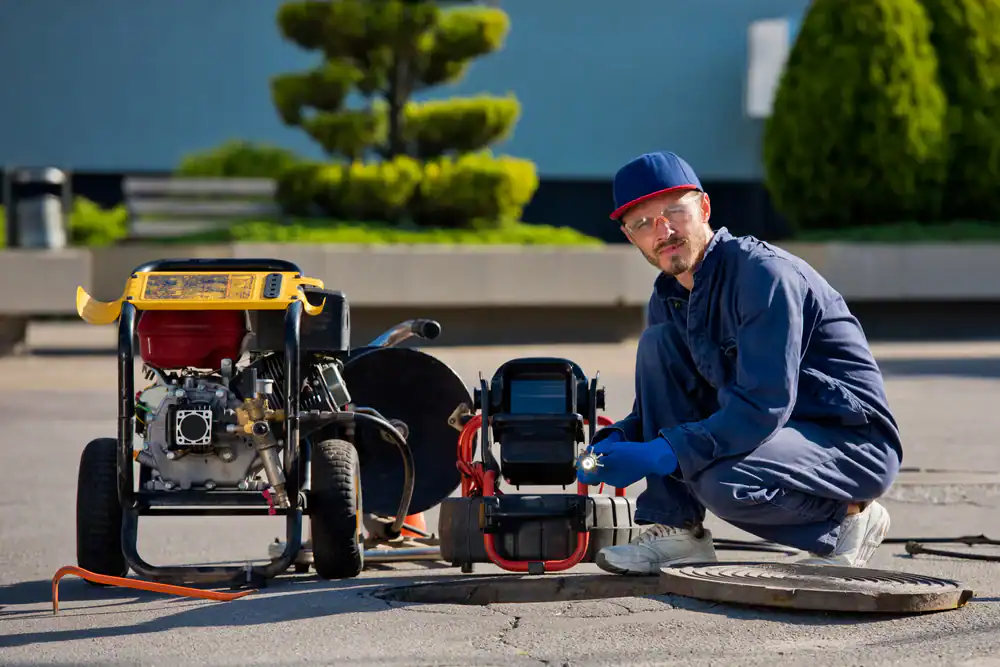
You’re not calling because everything’s fine. Something’s backing up, draining slow, or smelling like it shouldn’t. Maybe you’re buying a home and the inspector flagged the cesspool. Maybe your realtor said you need documentation before closing.
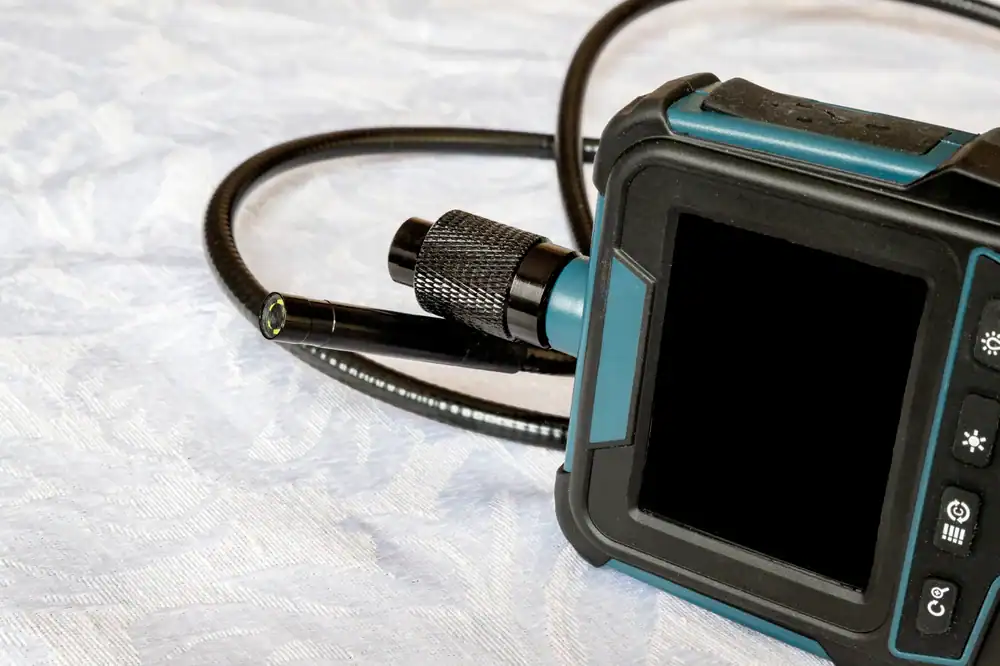
A camera inspection shows you what’s happening inside your pipes in real time. You see the clog, the crack, the root invasion, or the collapsed section—whatever it is. No digging first to “see what we find.” No estimating based on age or luck.
The camera goes in through an access point, travels the line, and records everything. You get digital footage and a report that tells you what needs fixing, what can wait, and what’s actually fine. That’s how you make a decision that doesn’t cost you twice what it should.
We’ve been handling cesspool and septic issues across Long Island for nearly two decades. We’re a family-owned operation—four generations deep—so we’ve seen what works, what fails, and what homeowners in Speonk deal with when systems go sideways.
Most homes here run on septic. A lot of them were installed decades ago when regulations were looser and materials were cheaper. Orangeburg pipe, cinder block cesspools, undersized tanks—we’ve seen it all. We know what breaks, when it breaks, and how to prove it without ripping up your driveway.
We’re available around the clock because backups don’t wait for business hours. And we use the same camera technology that larger commercial outfits use, because accurate diagnostics save you money.
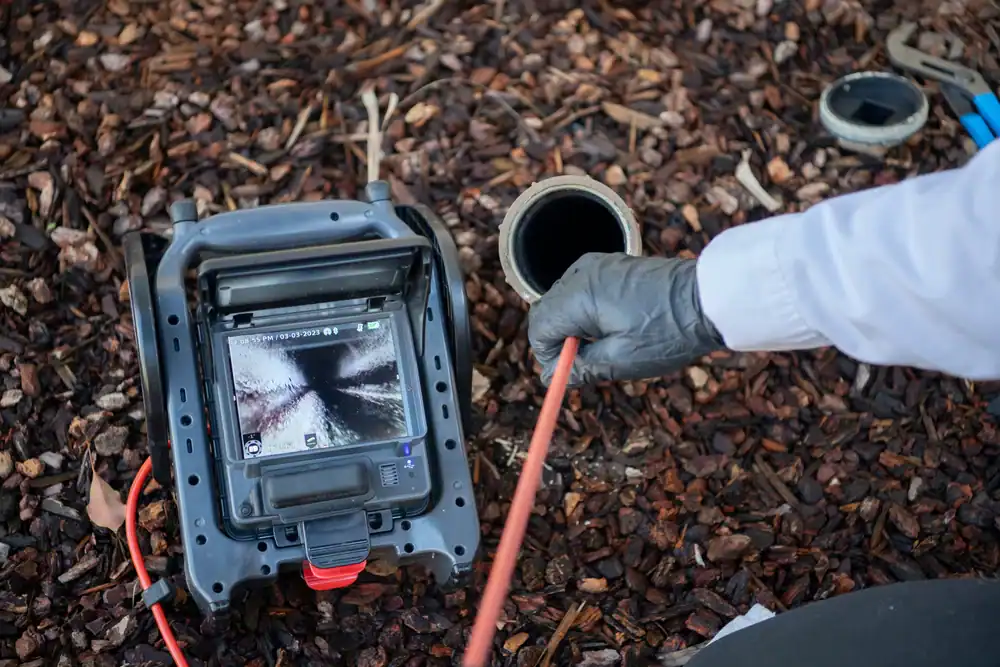
We start by locating the best access point—usually a cleanout or an existing opening. The camera is small, waterproof, and built to travel through your sewer or cesspool line without causing damage.
As it moves through the pipe, it sends back a live feed. You can watch it with us if you want. We’re looking for blockages, cracks, root intrusion, bellied sections, or any separation in the line. The camera also has a locator so we can mark the exact spot on your property where the problem sits—depth and all.
Once we’ve covered the full line, we review the footage and walk you through what we found. If there’s a problem, we explain what it is, why it’s happening, and what your options are. If the line’s clear, you’ve got documentation to prove it.
You leave with a copy of the video and a report. That’s useful if you’re selling, buying, or just want a record of your system’s condition.
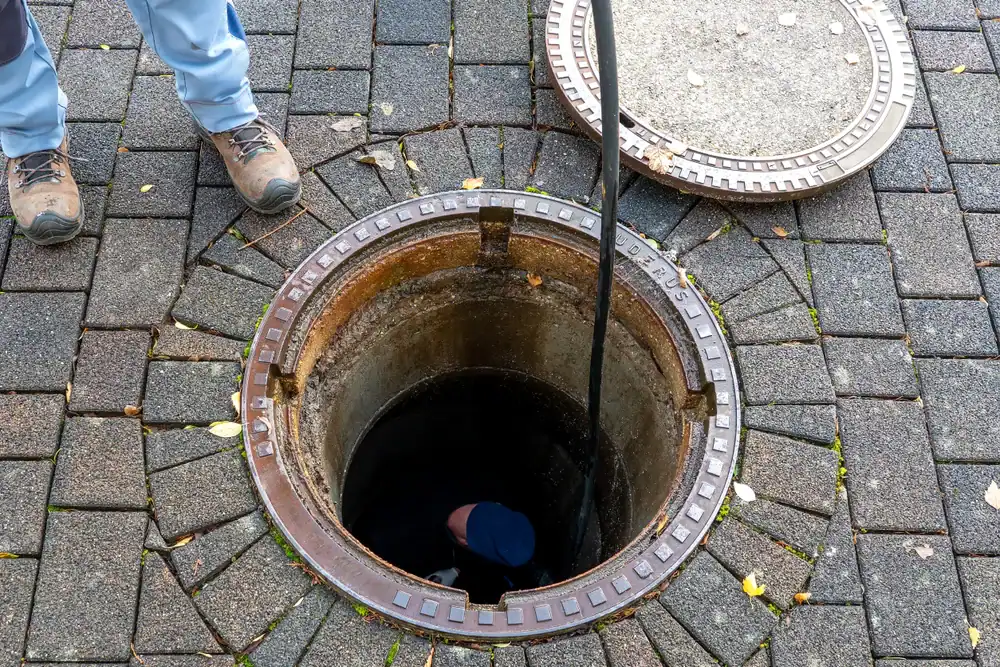
Ready to get started?
The inspection includes a full video recording of your sewer or cesspool line from access point to tank or street connection. We’re checking for blockages, structural damage, root infiltration, and anything else that might cause a backup or failure.
You get digital footage and a written report that breaks down what we found. If there’s a problem, we’ll mark the location on your property using the camera’s transmitter. That means if you need a repair, you’re not digging blind.
This is especially useful in Speonk, where a lot of homes have older systems and soil conditions that accelerate root growth. Suffolk County also has stricter regulations now around septic upgrades, so having documentation of your system’s condition can help you plan ahead—or prove you’re in compliance.
If you’re in a real estate transaction, this inspection gives you leverage. Buyers use it to negotiate repairs. Sellers use it to show the system’s sound. Either way, it’s a few hundred dollars that can save you thousands in surprise costs after closing.
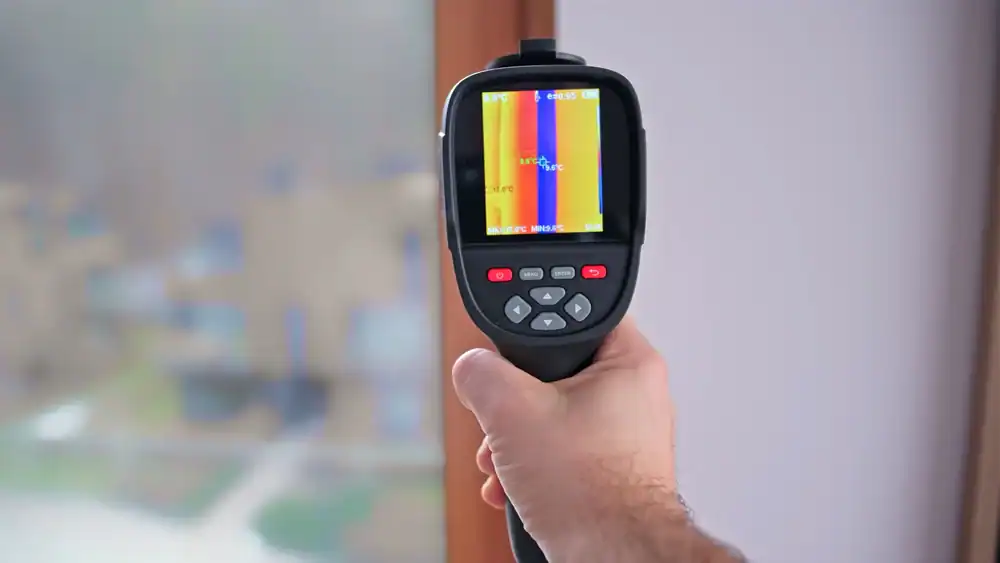
Most residential camera inspections run between $200 and $400, depending on how much line you need checked and how accessible your system is. If it’s an emergency call after hours, expect an additional fee—usually $150 to $300.
That’s a small cost compared to what you’d spend on a repair that didn’t need to happen, or on digging up the wrong section of your yard. The camera tells you exactly where the issue is, so you’re only fixing what’s broken.
If you’re buying a home, this cost is almost always worth it. Cesspools and septic systems can fail without obvious signs, and a camera inspection is the only way to see what’s really going on before you own the problem.
The camera picks up clogs, cracks, root intrusion, collapsed sections, bellied pipe, and any separation or offset in the line. It also shows us the pipe material, which matters if you’ve got older Orangeburg or clay that’s prone to failure.
We can see buildup from grease or sediment, and we can tell if a section of pipe is sagging or holding water when it shouldn’t. If tree roots have broken through, the camera shows exactly where and how bad it is.
The footage is clear enough that you’ll see it too. We’re not interpreting shadows or guessing. You’re looking at the inside of your pipe in real time, and that makes it a lot easier to understand what needs to happen next.
If the home has a cesspool or septic system, yes. A standard home inspection doesn’t cover what’s happening underground, and that’s where expensive problems hide.
A lot of homes in Speonk were built in the 50s and 60s. The cesspools and sewer lines from that era are reaching the end of their lifespan, and many are already failing. A camera inspection shows you the condition of the system before you close, so you’re not stuck with a $10,000 repair a month after moving in.
Mortgage lenders sometimes require a septic inspection anyway, especially if the system’s older. Even if they don’t, it’s smart to know what you’re buying. The footage also gives you negotiating power if something’s wrong—you’ve got proof, and you can ask the seller to fix it or adjust the price.
No. The camera is designed to move through your pipes without scraping, cutting, or putting pressure on weak spots. It’s small, flexible, and waterproof, and it’s built specifically for this kind of work.
If your pipe is already in bad shape—cracked, collapsed, or full of roots—the camera will show us that, but it won’t make it worse. We’re just documenting what’s there.
The only time we can’t run a camera is if the line is completely blocked and we can’t get past the obstruction. In that case, we’d need to clear the clog first, then inspect the line to see what caused it.
Most inspections take between 30 minutes and an hour, depending on how much line we’re checking and whether we run into any access issues. If your system is straightforward and we’ve got a clean path, it’s closer to 30 minutes.
We’re not rushing it. The goal is to cover the full line and catch anything that might cause problems later. Once we’re done, we’ll go over the footage with you and explain what we found.
You’ll leave with a copy of the video and a report, so you’ve got everything documented. If you need to show it to a contractor, a buyer, a lender, or the health department, you’ve got it.
We’ll show you exactly what the issue is, where it’s located, and what it’s going to take to fix it. The camera’s locator tells us the depth and position, so if you need a repair, we’re not guessing where to dig.
Depending on what we find, you might need a simple cleanout, a spot repair, or a full line replacement. We’ll walk you through your options and give you a realistic idea of cost and timeline.
In some cases, the problem can be fixed with trenchless methods, which means little to no digging. In others, you’ll need excavation. Either way, you’re making the decision with full information, and that’s a lot better than finding out mid-project that the damage is worse than anyone thought.
Other Services we provide in Speonk