
Hear from Our Customers
You’re dealing with slow drains that keep coming back. Or maybe you’re buying a home in Springs and the inspector recommended checking the cesspool system before closing. Either way, you need to know what’s actually happening underground before committing to expensive repairs or a major purchase.
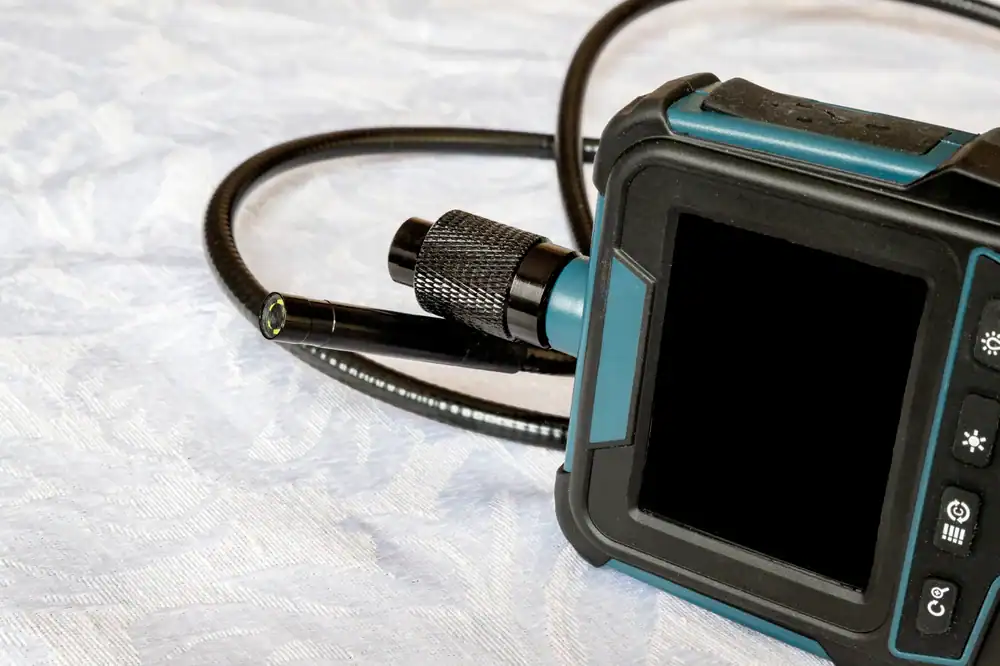
A sewer line video inspection gives you that answer. We send a high-resolution camera through your pipes and you watch the footage in real time. Root intrusion, cracks, bellied pipes, blockages—whatever’s causing the issue shows up on screen with its exact location marked.
That means you’re not paying someone to dig up your yard hoping they find the problem. You’re making decisions based on what you can actually see. And in Springs, where many homes sit on older cesspool systems installed decades ago, that clarity matters. Small issues caught early cost a few hundred dollars to fix. The same problems left undetected turn into $10,000 emergencies when pipes collapse or sewage backs up into your home.
We’ve served Springs homeowners for over a decade. We’re a family-owned company, fully licensed by Suffolk County Consumer Affairs, and we carry comprehensive insurance because this work matters.
Springs sits in an area where public sewers don’t reach most properties. That means your cesspool or septic system handles everything, and when it fails, you’re looking at serious money and disruption. We’ve inspected hundreds of systems across the South Fork, and we know what goes wrong with the older infrastructure common in this area.
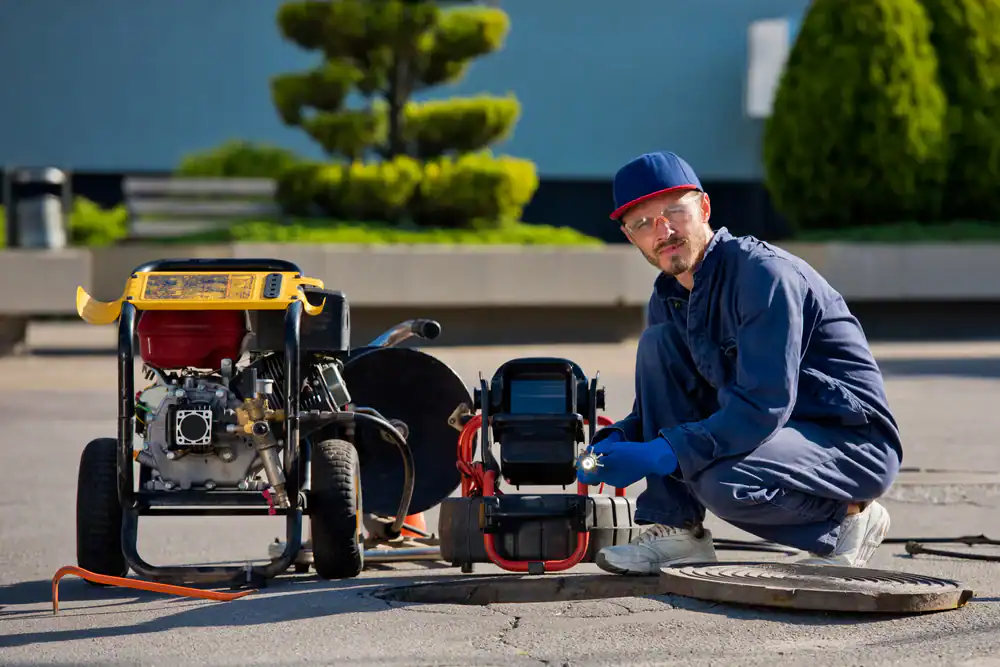
Our camera equipment extends 300 feet and captures footage clear enough to spot hairline cracks before they become breaks. You get a copy of the inspection video and a straightforward explanation of what we found. No upselling, no scare tactics—just the information you need to decide what happens next.
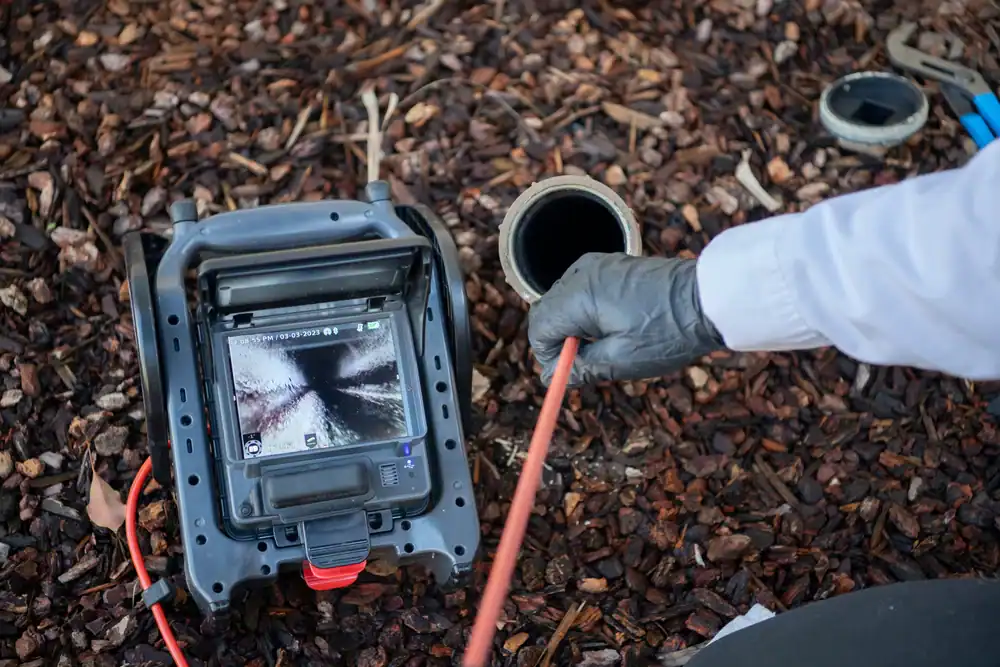
We start by locating your system’s cleanout or access point. Most Springs homes have these, but if yours doesn’t, we can access through a vent or create a temporary access point without major excavation.
Once we’re in, we feed a flexible camera line through your pipes. The camera head has its own lighting and transmits live video to our monitor. You’re welcome to watch alongside us as we move through the system. We’re looking at pipe condition, checking for obstructions, measuring any damage, and noting the depth and location of problem areas.
The camera records everything. When we spot an issue—say, tree roots breaking through a joint or a section of pipe that’s started to collapse—we mark the exact distance from the access point. That gives you a precise location if repairs become necessary.
The whole process typically takes 30 to 90 minutes depending on your system’s size and complexity. When we’re done, you’ll have digital footage and a clear explanation of what we found. If everything looks good, you have documentation proving your system’s condition. If there are problems, you know exactly what needs attention and where it’s located.
Ready to get started?
Every camera inspection includes the full video recording, delivered digitally so you can share it with contractors, insurance companies, or real estate agents as needed. You also get our written assessment noting any damage, blockages, or areas that need monitoring.
For Springs homeowners dealing with Suffolk County’s evolving cesspool regulations, this documentation matters. As of 2019, you can’t simply replace a failed cesspool with another cesspool—you’re required to upgrade to a modern septic system. That’s a $17,000 expense on average, though county and state grants up to $30,000 are available. A camera inspection helps you understand your system’s current condition so you can plan for that eventual upgrade on your timeline, not during an emergency.
The inspection also catches problems that wouldn’t be obvious from the surface. A pipe might be draining fine now but show significant root intrusion that’ll cause a blockage within months. Catching that early means scheduling a root treatment for a few hundred dollars instead of an emergency call when your basement floods.
In Suffolk County, where more than 360,000 homes rely on on-site wastewater systems, this kind of preventive information saves homeowners thousands. A standard camera inspection here runs $200 to $400. Compare that to emergency cesspool repairs starting at $3,000 and frequently hitting $10,000 or more when extensive pipe replacement becomes necessary.
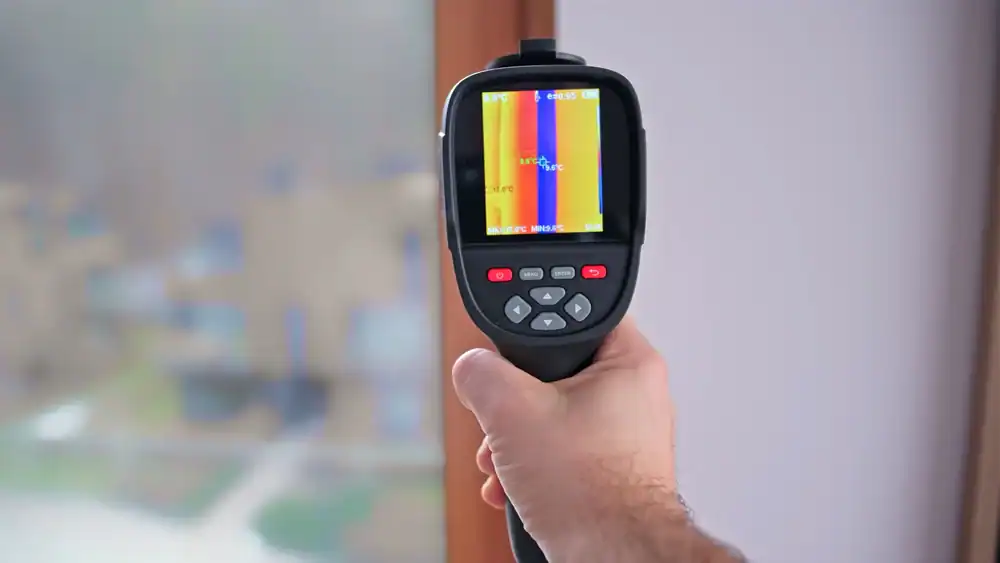
Most camera inspections in Springs run between $200 and $400. The exact price depends on your system’s complexity and how much line needs to be inspected.
If you have a straightforward setup with easy access and standard pipe lengths, you’re looking at the lower end of that range. Larger properties with longer runs or systems that require accessing multiple cleanouts cost more because they take additional time and equipment.
That price includes the inspection itself, real-time video you can watch during the process, a digital copy of the footage, and our written assessment of what we found. If you need the inspection for a real estate transaction and require specific documentation or a dye test, let us know upfront—that affects the scope and cost.
The camera catches anything affecting your pipes’ interior condition or flow. Root intrusion is common in Springs because of the mature trees throughout the area. You’ll see roots that have penetrated joints or cracked sections, and we can measure how much they’re restricting flow.
We also spot structural issues like bellied pipes that have settled and now collect water and debris, cracks or breaks in the pipe walls, and sections where the pipe has started collapsing. Blockages show up clearly—whether it’s grease buildup, foreign objects, or sediment accumulation.
The camera also identifies connection problems where pipes don’t line up properly and leaks where wastewater is escaping into the surrounding soil. For older Springs properties, we frequently find pipes that have simply deteriorated past their functional lifespan. The camera documents all of this with footage showing exactly what’s happening and where.
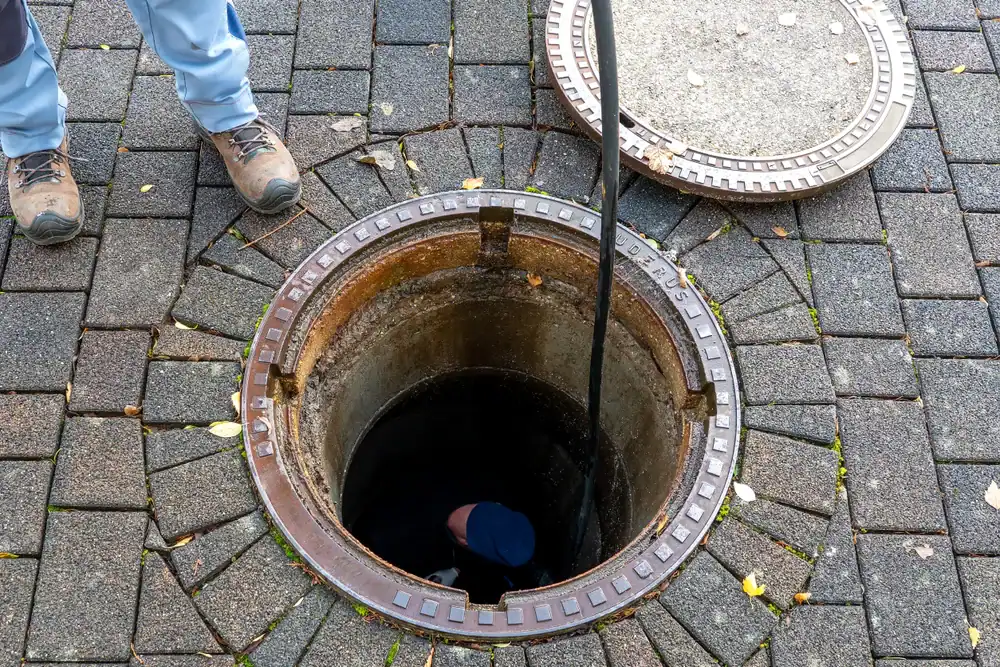
No. Camera inspection is completely non-invasive. We access your system through existing cleanouts, which are the capped pipes you might see in your yard or basement specifically designed for maintenance access.
If your property doesn’t have a cleanout or we can’t locate it, we can sometimes access through a plumbing vent on your roof. In rare cases where neither option works, we might need to create a small access point, but that’s minimal disruption compared to traditional excavation methods.
Your landscaping, driveway, and yard stay intact throughout the process. We’re not forcing equipment through tight spaces or obstructions—if we hit a blockage or collapse that stops the camera, we note that location and discuss options for clearing it before continuing. The whole point of camera inspection is to see what’s happening without the trial-and-error digging that used to be standard practice.
Plan on 30 to 90 minutes for most residential inspections in Springs. The timeline depends on how much pipe we’re inspecting and what we find along the way.
A basic inspection of your main sewer line from the house to the cesspool or septic tank typically takes 30 to 45 minutes. If you have a larger property with longer pipe runs, or if we’re inspecting multiple lines, it takes longer. When we find significant problems, we spend extra time documenting the damage and getting clear footage of the issue.
We’re not rushing through your system. The camera moves slowly enough to capture detailed video of the pipe condition, and we stop to examine anything that looks concerning. You’re welcome to watch the monitor during the inspection and ask questions as we go. Some homeowners want the full walkthrough, others just want the results—either way works.
Yes, especially if the home relies on a cesspool or septic system. Most Springs properties do, and many of those systems were installed 30, 40, or 50 years ago. A home inspection doesn’t tell you what’s happening inside those pipes.
A camera inspection shows you the actual condition before you’re financially committed. If the system is failing or near failure, you’re looking at major expenses soon after closing. A new septic system in Suffolk County runs around $17,000 on average. Knowing that before you buy gives you negotiating power or lets you walk away from a problem property.
The inspection also provides documentation if you need to make a claim against the seller or if your lender requires proof of system condition. Many banks now request video camera inspection for properties with private wastewater systems, and we can provide that documentation directly to your financial institution. Spending $200 to $400 now can save you from discovering a $10,000 problem after you’ve already moved in.
The camera shows current condition, which helps estimate remaining lifespan, but we can’t give you an exact expiration date. What we can do is identify signs that your system is deteriorating and give you a realistic sense of whether you’re looking at years or months before problems develop.
If we see significant cracking, root intrusion, or structural damage, that system is closer to failure than one with clean pipes and solid joints. A cesspool that’s draining slowly or showing signs of collapse might last another year, or it might fail next month during heavy rain when the ground is saturated.
For Springs homeowners, this information matters because of Suffolk County’s replacement rules. When your cesspool fails, you can’t install another cesspool—you’re required to upgrade to a modern septic system. Knowing your current system’s condition lets you plan for that upgrade, apply for available grants, and schedule the work during a season that works for you instead of dealing with an emergency replacement in the middle of winter.
Other Services we provide in Springs