
Hear from Our Customers
You don’t need another estimate based on assumptions. You need to see what’s actually happening inside your pipes.
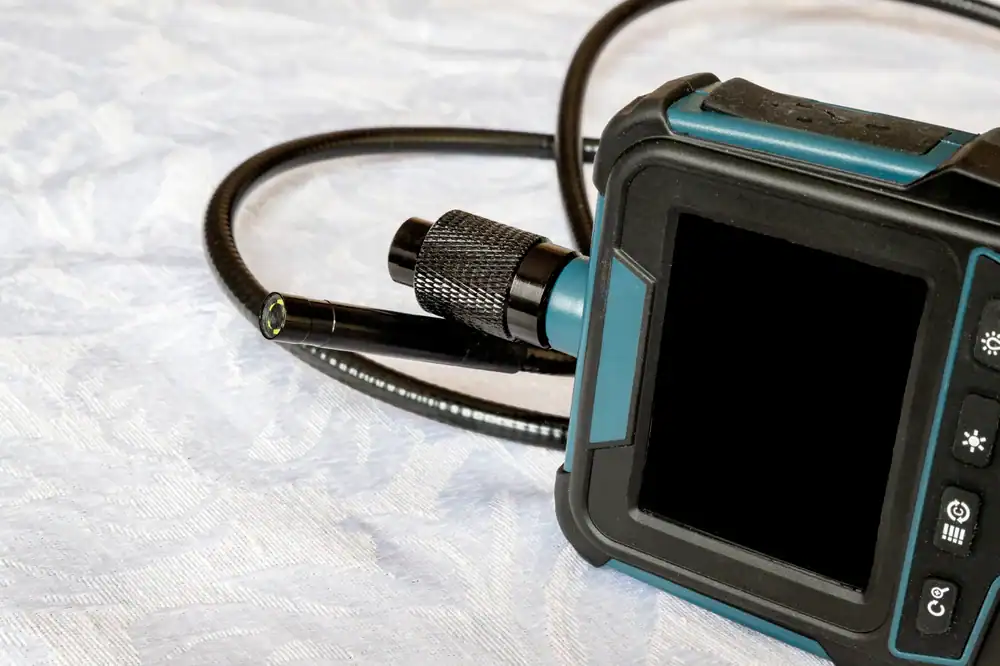
A sewer line video inspection gives you real answers. We send a high-resolution camera through your cesspool lines and show you live footage of clogs, cracks, root intrusion, or deteriorating pipes. You see what we see—no translation required.
That means no unnecessary digging. No inflated repair bills based on worst-case scenarios. Just a clear diagnosis that lets you make an informed decision about what comes next.
If there’s a problem, you’ll know exactly where it is and what’s causing it. If your system’s fine, you’ll have documentation proving it—helpful for inspections, property sales, or just peace of mind.
We’ve spent over a decade working on cesspool and septic systems across West Bay Shore, NY. We know the soil conditions here. We know how older systems behave. We know what fails first and why.
Most homes in this area sit on high water tables with clay or sandy soils that don’t always play nice with aging cesspools. That’s not a problem you solve with generic advice—it takes local experience.
We’re licensed, insured, and we don’t upsell services you don’t need. If your system’s working fine, we’ll tell you. If something needs attention, we’ll show you the footage and explain what we’re seeing in plain terms.
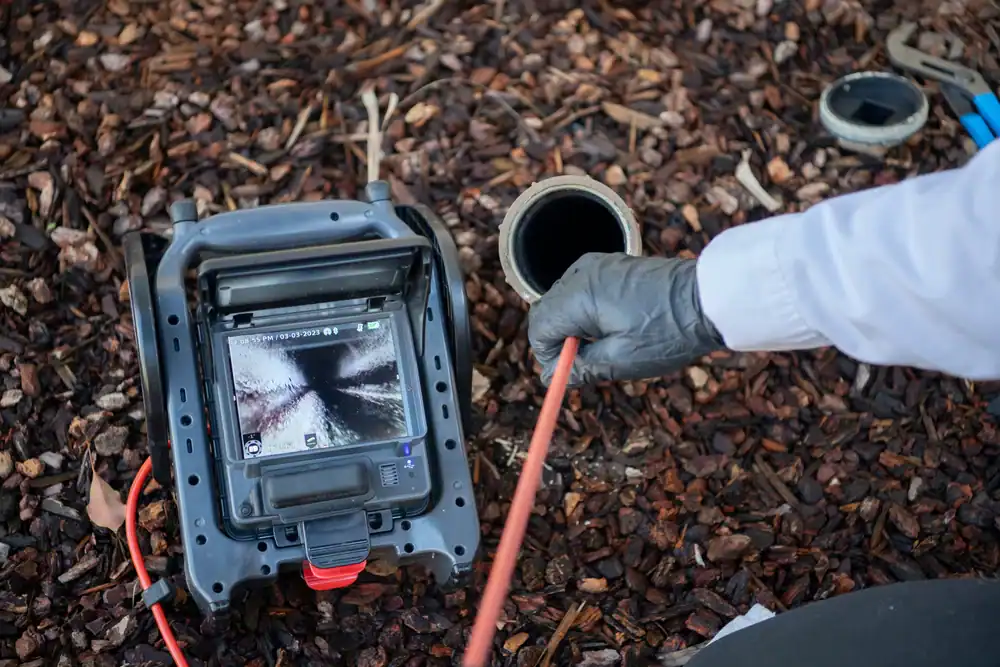
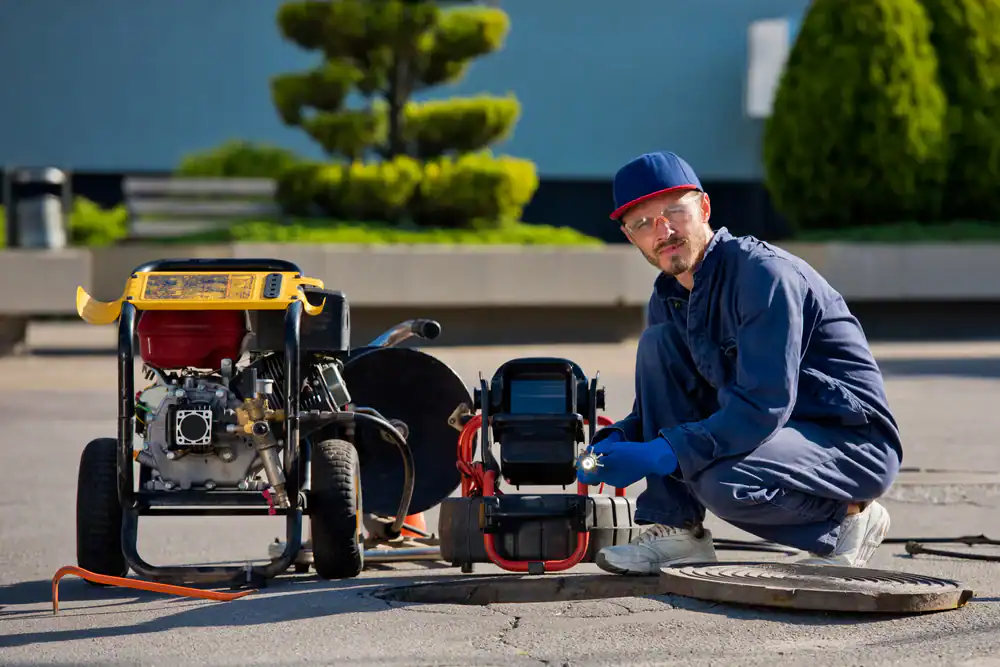
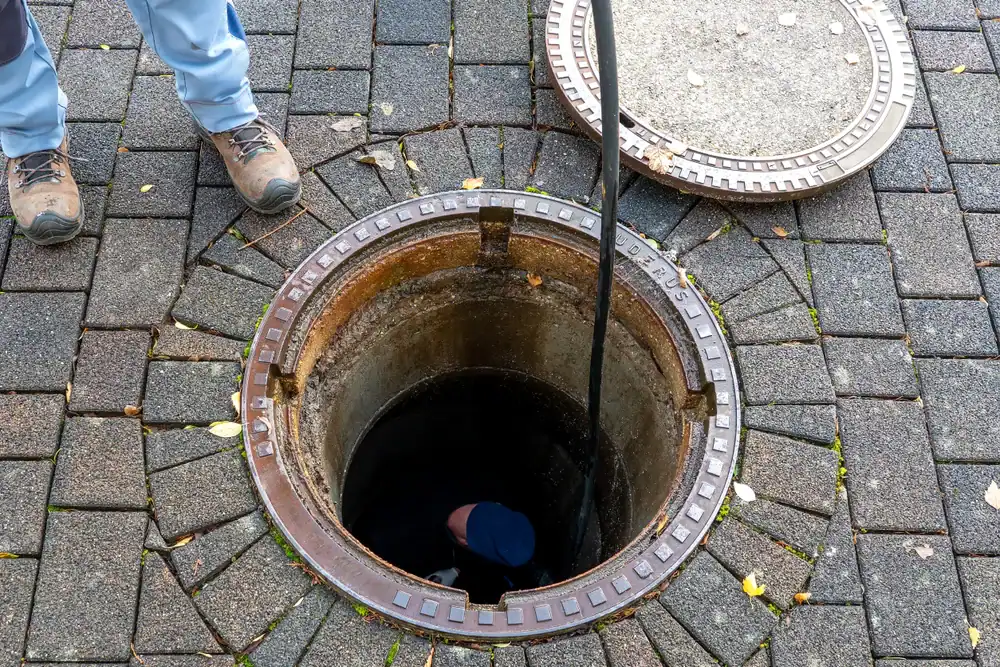
We start by accessing your cesspool system through an existing cleanout or access point—no digging required at this stage. Then we feed a flexible cable with a waterproof camera attached through your pipes.
The camera sends live footage to a monitor so you can watch in real time. We’re looking for blockages, cracks, root intrusion, collapsed sections, or any signs your pipes are deteriorating. The camera head has its own light source and can navigate bends and turns to give us a complete picture.
As we move through the system, we’re noting depth, location, and the nature of any issues we find. That footage gets saved and included in your report—digital footage and reporting you can reference later or share with contractors if repairs are needed.
Once we’ve covered the full line, we pull the camera out and walk you through what we found. You’ll know exactly what’s going on, where the problem is, and what your options are. No jargon. No pressure. Just clear information so you can decide what makes sense for your property.
Ready to get started?
Every camera inspection includes live video footage of your entire cesspool line, a detailed report with findings, and a recording you can keep for your records. We’re not just looking—we’re documenting everything so you have proof of your system’s condition.
In West Bay Shore, that matters. Older neighborhoods here have cesspools installed decades ago, and many are dealing with root intrusion from mature trees, shifting soil, or pipes that were never built to last this long. A camera inspection catches those issues early, before a small crack becomes a full system failure.
We also use this service for locating underground pipe leaks that aren’t obvious from the surface. If you’ve got soggy spots in your yard, foul odors, or slow drains, the camera will show us if there’s a break or separation letting wastewater escape.
You’ll walk away knowing whether your system needs immediate attention, routine maintenance, or nothing at all. And if you’re buying or selling property in West Bay Shore, this inspection gives you leverage—or peace of mind—depending on which side of the transaction you’re on.
Most camera inspections in West Bay Shore run between $300 and $600, depending on the length of your lines and how accessible your system is. If we’re already on-site for another service—like a pump-out or cleaning—we can usually bundle it for less.
The cost covers the inspection itself, live footage review, and a digital report you can keep. That’s a small price compared to digging up your yard based on a guess, which can easily run into thousands if the problem isn’t where someone thought it was.
We give free estimates upfront, so you’ll know the exact cost before we start. No surprises, no hidden fees.
A camera inspection catches clogs, root intrusion, pipe cracks, collapsed sections, improper slope, and deteriorating materials. It also shows us buildup from grease or sludge that’s restricting flow, and any separations where pipes have shifted or pulled apart.
In West Bay Shore, root intrusion is one of the most common issues we find. Older cesspools weren’t always sealed well, and tree roots grow toward moisture. Once they get inside a pipe, they expand and create blockages or break the line completely.
We also catch problems that don’t show symptoms yet—small cracks that will get worse, sections starting to sag, or areas where the pipe’s lining is breaking down. Finding those early means you can plan repairs on your schedule instead of dealing with an emergency backup at the worst possible time.
The EPA recommends inspecting your cesspool or septic system every three to five years. If your system’s older, you’ve had problems before, or you’ve got large trees near your lines, inspecting every two to three years makes more sense.
You should also get a camera inspection if you’re buying or selling property in West Bay Shore. Buyers want proof the system’s in good shape, and sellers want to avoid surprises during negotiations. It’s a small investment that can save thousands in unexpected repairs or price reductions.
If you’re experiencing slow drains, backups, foul smells, or wet spots in your yard, don’t wait for the next scheduled inspection. Get a camera in there now so you know what you’re dealing with before the problem gets worse.
Yes. If there’s a crack, separation, or collapsed section in your cesspool lines, the camera will show it. We can see where wastewater is escaping the system and potentially contaminating the surrounding soil or groundwater.
That’s especially important in West Bay Shore, where high water tables mean leaks can spread contamination quickly. If your cesspool’s leaking, you’re not just risking your property—you’re risking your neighbors’ wells and the local environment.
A camera inspection gives you visual proof of the leak’s location and severity. From there, you can make an informed decision about repairs. Ignoring a leak doesn’t make it go away—it just gets more expensive and more dangerous the longer it sits.
Pumping removes the waste that’s built up in your cesspool tank. A camera inspection shows you the condition of the pipes leading to and from that tank. They serve completely different purposes.
You need pumping every two to three years to keep your system functional. You need a camera inspection when something’s wrong, when you want to verify your system’s condition, or when you’re buying or selling property.
Think of it this way: pumping is maintenance. A camera inspection is diagnostics. If you’re having recurring backups even after pumping, the problem’s likely in your pipes—and the only way to know for sure is to look inside them with a camera.
Most camera inspections take between 45 minutes and two hours, depending on how much line we’re inspecting and whether we run into any complications. If your system’s straightforward and accessible, we’re usually done in under an hour.
We’re not rushing through it. We’re moving slowly enough to catch every detail and document anything that looks off. You’re welcome to watch the footage in real time—most homeowners in West Bay Shore want to see what’s going on down there.
After the inspection, we’ll walk you through the findings and answer any questions. If repairs are needed, we’ll explain your options and give you an honest assessment of urgency. You’ll leave with a full report and video file you can reference anytime.
Other Services we provide in West Bay Shore