
Hear from Our Customers
You’re not thinking about your cesspool system until something goes wrong. Then it’s all you can think about.
A proper line change means your drains work like they should. No slow drainage before guests arrive. No sewage smell greeting you in the yard. No panic when you hear water backing up in the basement.
Bay Shore homes deal with high water tables and soil that doesn’t always cooperate. Clay-heavy areas don’t drain well. Sandy spots drain too fast. Your sewer line to cesspool connection has to handle both, plus decades of settling, root intrusion, and wear.
When the pipe pitch and slope are corrected properly, wastewater flows the way it’s supposed to. When trenching and excavation are done right the first time, you’re not paying someone else to dig it all up again in two years. You get a system that handles busy weekends, heavy rain, and daily use without giving you something else to worry about.
We’ve been handling cesspool systems across Long Island long enough to know that Bay Shore properties come with their own challenges. Older neighborhoods mean older infrastructure. Homes built in the ’50s and ’60s often have original lines that were never designed for modern water use.
We’re licensed, insured, and we’ve seen every type of line failure Bay Shore can throw at us. That means faster diagnosis and fewer surprises when we open up the ground.
You’ll get a straight answer about what’s wrong, what it costs, and how long it takes. No upselling services you don’t need. No disappearing after we quote the job. We show up when we say we will and charge exactly what we quoted.
First, we locate the problem. That means finding where your main waste line runs from the house to the cesspool, checking the depth, and identifying what’s causing the backup or failure.
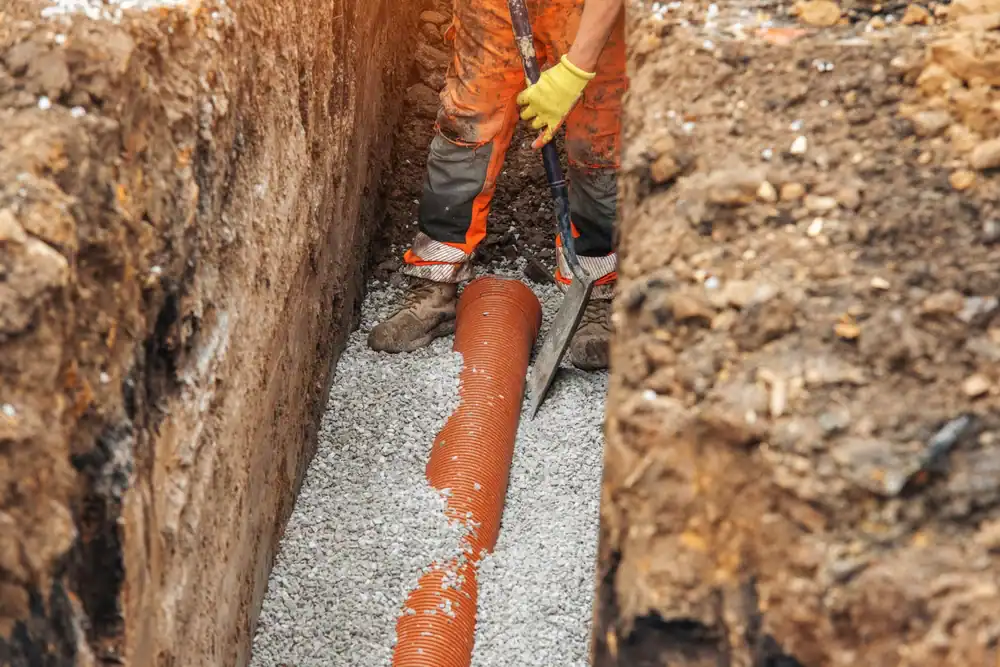
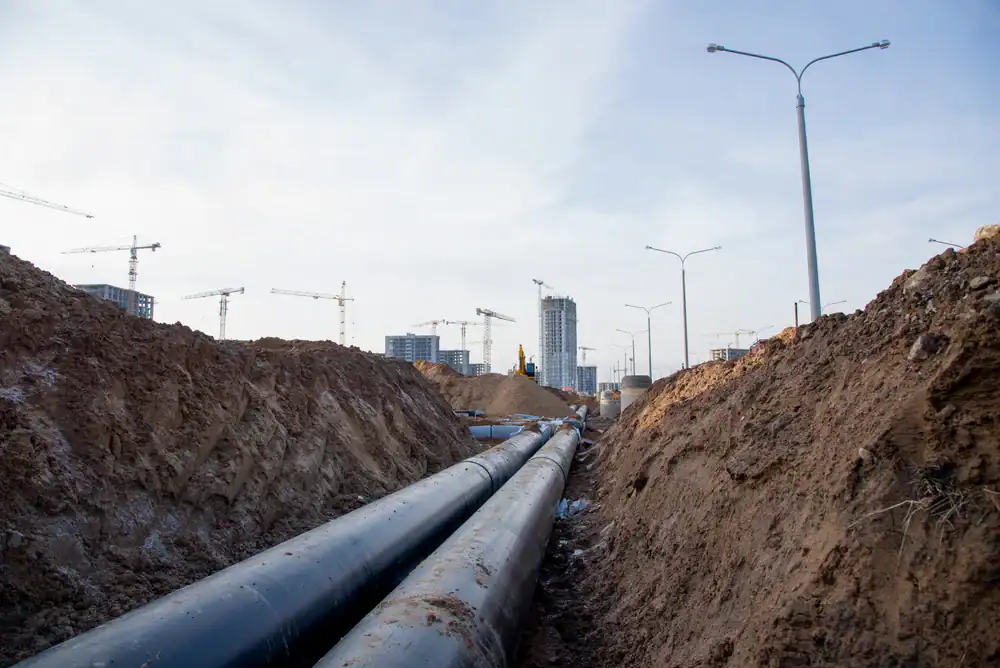
Next comes excavation. We dig an open trench so we can see exactly what we’re working with. No guessing. This also lets us check the surrounding soil, confirm there’s no utility interference, and make sure the new line goes in at the right depth.
Then we remove the damaged or failing pipe and install the new line. This is where proper slope matters. Even a small error in pitch means wastewater won’t flow correctly, and you’ll be dealing with slow drains or backups again.
We make sure the connection between your home’s waste line and the cesspool is secure and properly sealed. Once the new line is in and tested, we backfill the trench, compact the soil, and restore the surface. You’re left with a system that works and ground that’s stable.
Ready to get started?
A complete line change covers everything from locating the problem to restoring your property after the work is done.
You get full trenching and excavation to access the damaged line. We handle the removal of old, broken, or deteriorating pipe and install new, durable pipe designed to last. The new line is set at the correct pitch and slope so wastewater flows without pooling or backing up.
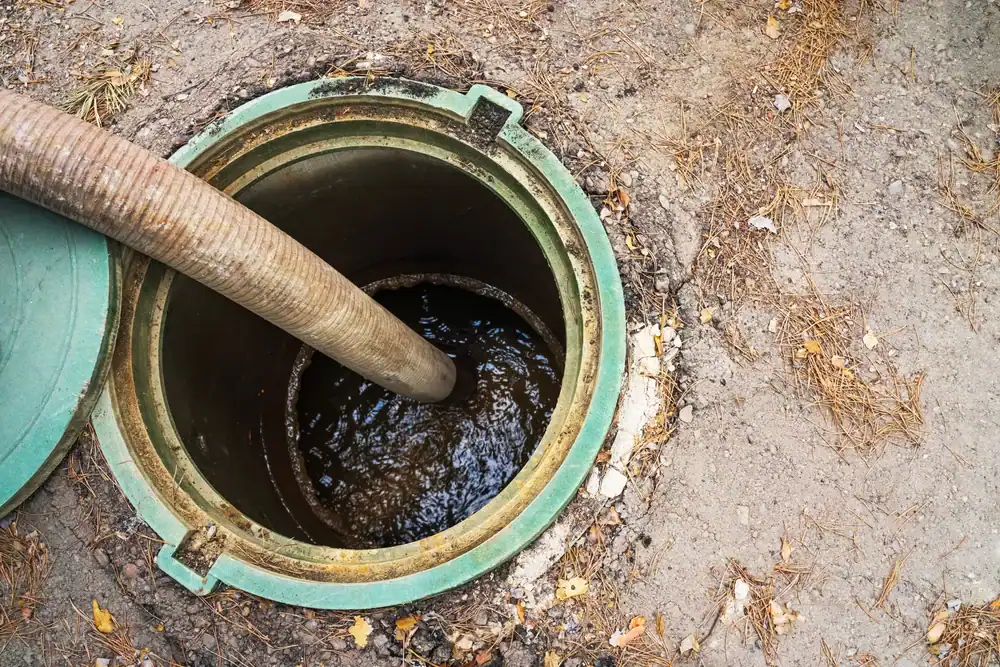
We also inspect the connection point at your cesspool to make sure it’s sound. If there’s damage at the inlet, we address it so you’re not dealing with leaks or structural issues down the road.
Bay Shore’s soil conditions mean we adjust our approach depending on what we find. Clay-heavy soil requires different backfill techniques than sandy soil. High water table areas need extra attention to prevent future settling. We account for all of it so the repair holds up long-term, not just until the next heavy rain.
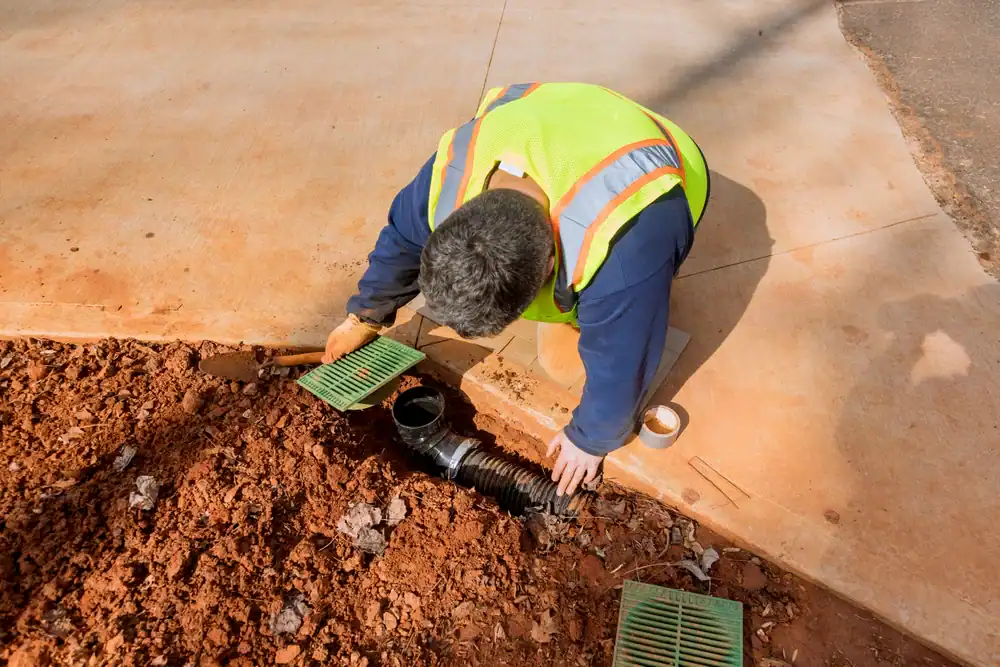
If you’re dealing with recurring backups even after pumping, that’s a sign the line itself is compromised. A single backup might mean your cesspool is full. Multiple backups, slow drains throughout the house, or sewage surfacing in your yard usually point to a broken or collapsed pipe.
Older homes in Bay Shore often have clay or cast iron lines that crack over time. Tree roots find their way into small cracks and expand them. Ground settling can cause pipes to sag or separate at the joints.
A camera inspection shows us exactly what’s happening underground. If the pipe is partially blocked but structurally sound, a cleaning or spot repair might be enough. If we see cracks, collapses, or severe root intrusion, a full line change is the only fix that lasts. Patching a failing line just buys you a few months before the next problem shows up.
Most residential line changes in Bay Shore take one to three days depending on the length of the run, soil conditions, and how deep the line sits.
Straightforward jobs where the line runs a short distance and the ground is accessible can be done in a day. Longer runs, lines that sit deeper than standard depth, or properties with challenging access take more time.
Weather also plays a role. Heavy rain turns clay soil into a mess that’s hard to work with and even harder to compact properly after backfill. We’d rather wait a day for conditions to improve than rush a job that won’t hold up.
You’ll have limited water use during the work, so plan accordingly. Once the new line is in and tested, you’re back to normal. We’ll walk you through what to expect before we start so there are no surprises.
Ground settling is the main culprit. Bay Shore sits close to the water, and soil composition varies across neighborhoods. Over time, the ground shifts. Pipes that were installed level or at the correct slope 30 or 40 years ago can end up sagging or sitting at the wrong angle.
When a pipe loses its slope, wastewater doesn’t flow. It pools in low spots, solids settle, and you get blockages that pumping won’t fix. You might notice drains that work fine for a while, then suddenly back up for no clear reason.
Tree roots also cause problems. As roots grow into joints or cracks, they can shift the pipe and change the slope. Freezing and thawing cycles in winter can heave pipes upward in some spots and leave them sagging in others.
A proper line change resets everything. We dig down to the pipe, remove the old line, and install the new one at the correct pitch from end to end. That means consistent flow and no more pooling or backups caused by improper slope.
Trenchless methods exist, but they’re not always the right choice for Bay Shore properties. Trenchless repair works best when the existing pipe is mostly intact and you’re just relining it. If your line is collapsed, severely offset, or has major root intrusion, trenchless won’t solve the problem.
Open trench excavation gives us full visibility. We can see the soil conditions, check for other issues, and make sure the new line goes in at the exact depth and slope it needs. We can also inspect the cesspool connection and fix any damage there.
Trenchless sounds appealing because it’s less invasive, but it costs more and doesn’t always deliver a better result. If your line needs a full replacement, open trenching is more reliable and often more affordable.
We’ll assess your specific situation and tell you which method makes sense. If trenchless is a good fit, we’ll say so. If it’s not, we’ll explain why and give you a realistic picture of what open excavation involves.
Most residential line changes in Bay Shore run between $3,000 and $8,000 depending on the length of the line, depth, soil conditions, and site access. Shorter runs with easy access cost less. Longer runs, deeper lines, or properties with obstacles like driveways or landscaping cost more.
The price includes excavation, removal of the old pipe, installation of the new line, proper backfill and compaction, and surface restoration. If we need to repair the cesspool inlet or address other issues we find during excavation, that’s discussed before any additional work happens.
Emergency line changes cost more because you’re paying for immediate response and after-hours labor. A $200 maintenance visit now prevents a $5,000 emergency repair later. If you’re seeing slow drains or minor backups, don’t wait until it becomes a crisis.
We’ll give you an exact price after we assess the job. No hidden fees. No surprise charges. You’ll know what it costs before we dig.
A properly installed line with the right materials and correct slope should last decades. Failures after replacement usually come from external factors like major ground shifting, new tree root intrusion, or damage from heavy equipment driving over the line.
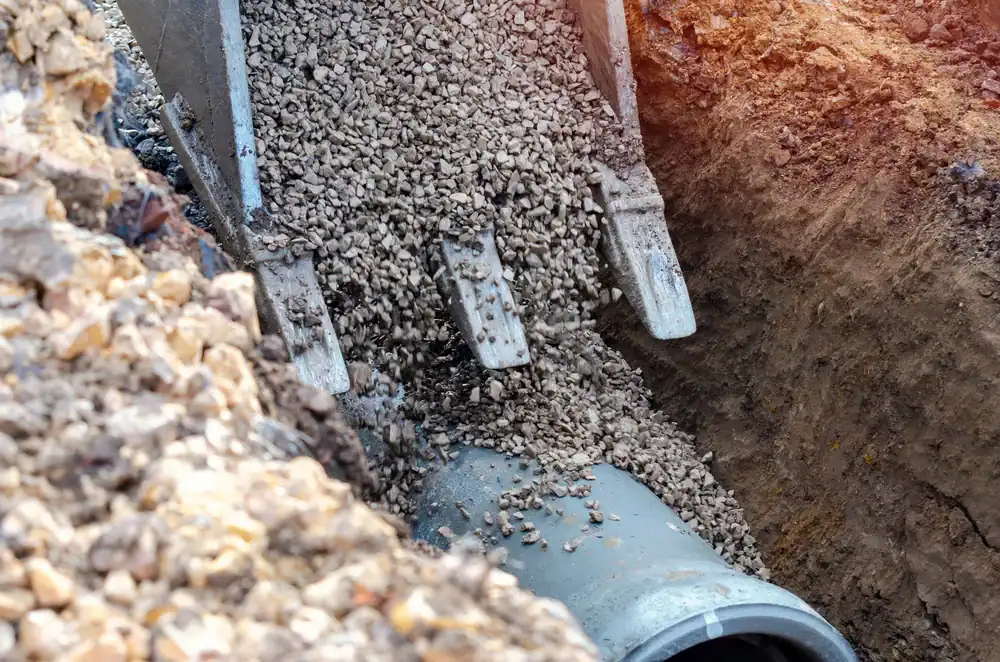
We install durable pipe designed for Long Island soil conditions. The connections are sealed to prevent leaks and root entry. The trench is backfilled and compacted in layers so the ground doesn’t settle unevenly and stress the pipe.
If you’re concerned about longevity, ask us about the materials we’re using and how we’re addressing the specific conditions on your property. Bay Shore’s high water table and varying soil types require adjustments that not every contractor makes.
Regular cesspool pumping also protects your line. When a cesspool overfills, wastewater backs up into the line and sits there. Over time, that accelerates wear and increases the chance of blockages. Pumping every two to three years keeps the system flowing and reduces stress on the line.
Other Services we provide in Bay Shore