
Hear from Our Customers
The difference between a planned line change and an emergency one isn’t just timing. It’s thousands of dollars, contaminated property, and the nightmare of raw sewage backing up into your home during a family gathering.
When your main waste line fails, you’re looking at $5,000 or more in emergency repairs. When you address pipe pitch problems, bellied lines, or aging connections before they collapse, you’re talking about routine maintenance in the hundreds. The math isn’t complicated.
Here’s what actually happens when your sewer line to cesspool connection works the way it should: waste flows downhill without collecting in low spots, your system gets pumped on schedule instead of every few months, and you’re not calling for emergency service because your toilets won’t flush. That’s the difference between a system that’s failing and one that’s been corrected properly.
We’ve been doing this for over 10 years across Long Island, but our family’s been in this business for four generations. That means we’ve seen every type of cesspool system Bayville has, including the ones installed in the 1960s that are now older than most homeowners.
We’re licensed and insured, which matters more than you might think when someone’s digging up your property. We also know the Nassau County Health Department’s permit requirements and inspection standards because we work with them regularly. When your line change passes inspection the first time, that’s not luck.
Most of our work in Bayville involves replacing brittle old main drains that were never positioned for easy access. We know how to re-route lines, correct improper slopes, and restore your property after excavation because we’ve done it hundreds of times in neighborhoods exactly like yours.
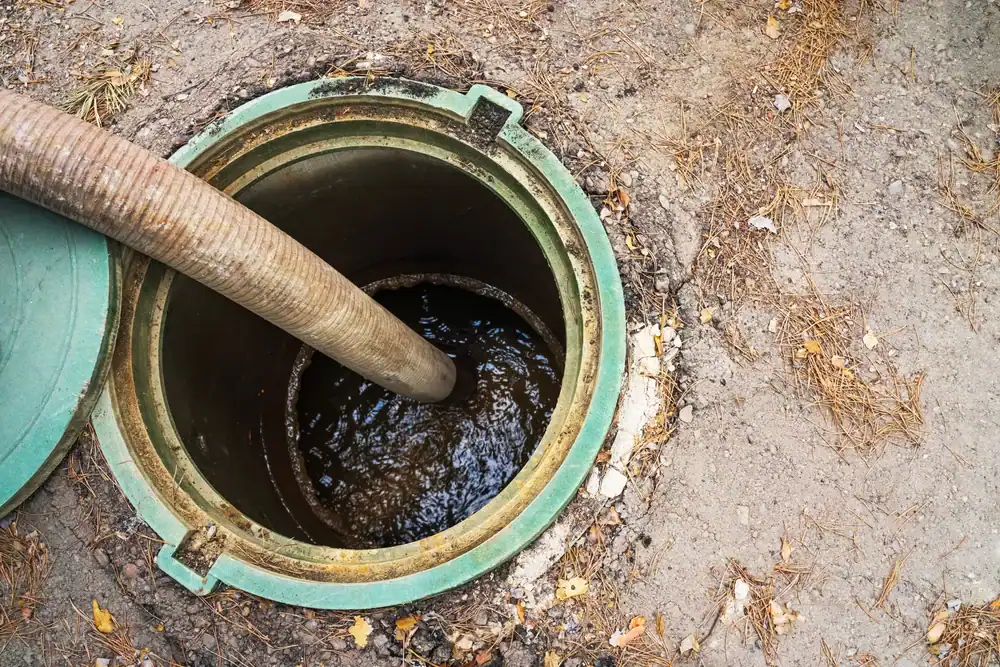
First, we assess where your current line is failing. Usually it’s a pipe pitch problem where the slope isn’t steep enough, or a bellied section where the pipe has settled and waste collects instead of flowing. Sometimes the whole main drain needs replacement because the material has deteriorated past the point of repair.
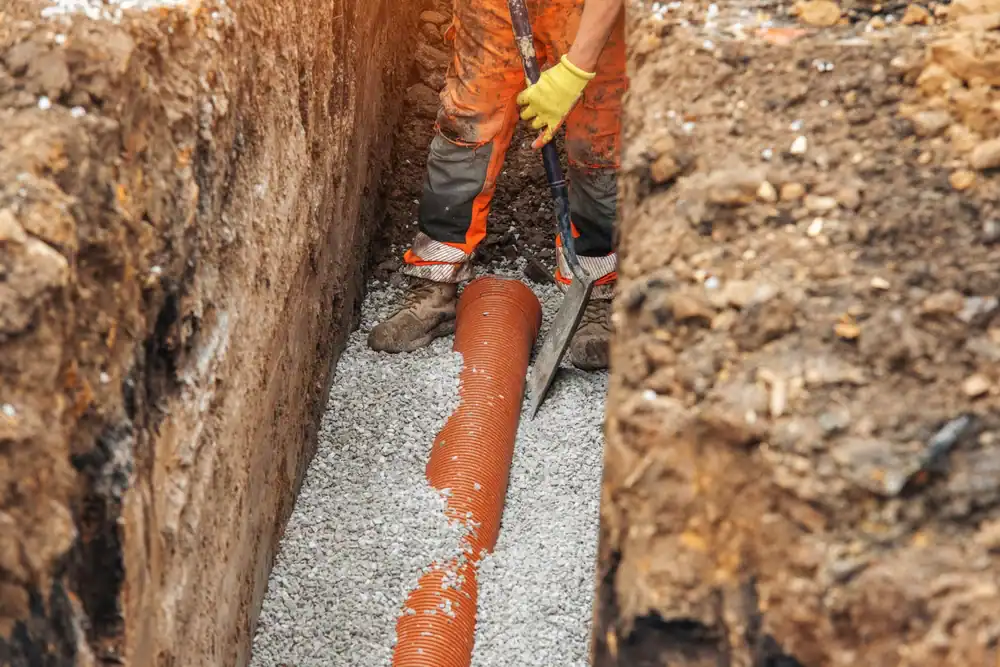
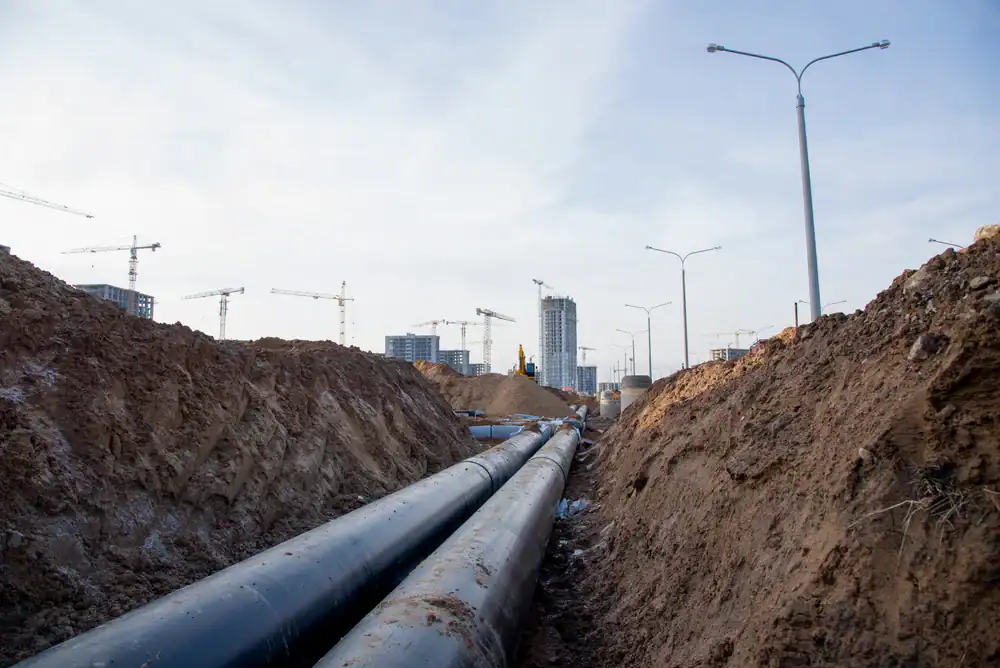
Once we know what needs fixing, we handle the permit from Nassau County Health Department and schedule the work. Then comes trenching and excavation, which means digging down to expose the failed section or the entire run from your house to the cesspool. If your property is terraced or has access issues, we plan the route that makes sense for long-term function, not just what’s easiest to dig.
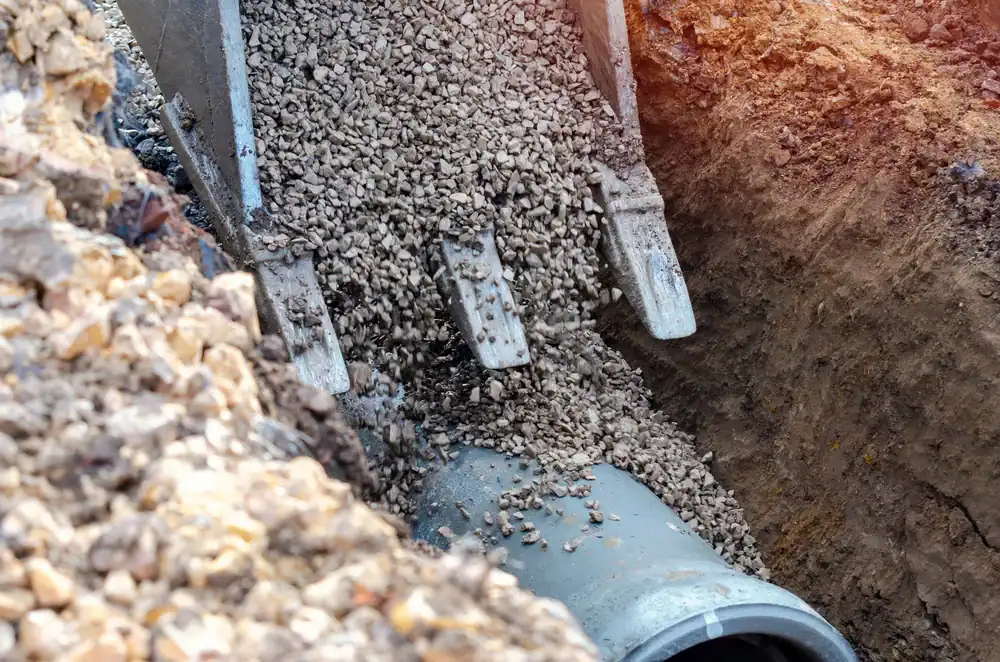
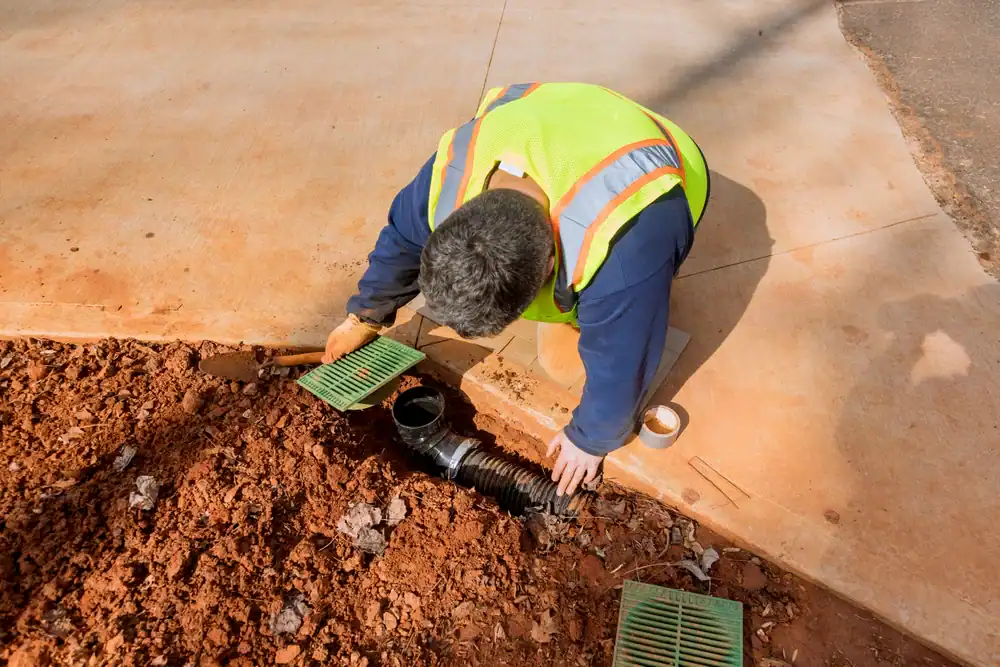
The actual line replacement involves setting new pipe at the correct pitch, typically a quarter-inch drop per foot of run. This isn’t negotiable if you want waste to flow properly. We connect everything from your house’s main drain to the cesspool inlet, test the connections, and then backfill the trench. Finally, we grade and restore the excavated area so you’re not left with a mud pit in your yard.
Ready to get started?
This isn’t just about swapping old pipe for new pipe. You’re getting proper slope correction so waste actually flows instead of sitting in low spots. You’re getting a system that’s positioned for access, which means future maintenance doesn’t require digging up your entire yard again. And you’re getting work that passes Nassau County’s inspection requirements, which matters if you ever sell your home.
In Bayville specifically, we’re dealing with properties where the original cesspool might be in a terrible location by today’s standards. Many were installed before regulations tightened up in 1973. That means we’re often re-routing the main waste line to connect to a more accessible or compliant location. This involves more excavation, but it’s the difference between a system you can maintain and one that’s going to keep causing problems.
You’re also getting someone who knows how to handle backups and pipe failure emergencies. When your system fails completely and sewage is backing up into multiple fixtures, we respond 24/7 because that’s not something you can wait on. But the smarter play is addressing the warning signs before it gets to that point: slow drains, gurgling sounds, frequent pumping needs, or wet spots in your yard near the cesspool.
Nassau County also offers grants up to $20,000 through their S.E.P.T.I.C. program for system upgrades. If your line change is part of a larger cesspool replacement or upgrade to meet current standards, that funding can offset a significant portion of the cost.
If your system is backing up frequently, requires pumping every few months instead of every few years, or has visible settling or wet spots along the line path, you’re probably past the point of simple repairs. A repair makes sense when you have a localized break or root intrusion in an otherwise sound line.
Line changes become necessary when the pipe material itself has deteriorated, when the pitch is wrong and causing chronic drainage problems, or when the original installation route is causing access or maintenance issues. In Bayville, where most systems date back to the 1960s, the pipe material often hasn’t held up to 60+ years of use. Cast iron corrodes, clay cracks, and even early plastic becomes brittle.
The real test is whether fixing one section solves the problem or just delays it. If your main waste line has failed in multiple spots, or if the slope is fundamentally wrong, patching it is just buying time. We’ll tell you honestly which situation you’re in after we assess the system.
Planned line changes typically run from $3,000 to $8,000 depending on distance, depth, access difficulty, and whether we’re just replacing the line or also relocating the cesspool connection point. Emergency repairs when your system has already failed start around $5,000 and go up from there because of the urgency and the additional damage that’s often occurred.
The biggest cost variables are how much excavation is required and whether your property has access challenges. A straight shot from your house to an accessible cesspool is simpler than re-routing around landscaping, decks, or elevation changes. Bayville properties with terracing or mature landscaping often require more careful excavation and restoration work.
Here’s the part most people don’t factor in: the cost of not fixing it. If you’re pumping your cesspool every three months instead of every three years because waste isn’t flowing properly, you’re spending $1,500+ annually just on pumping. A line change that corrects the pitch problem pays for itself in a few years just in reduced pumping costs, not counting the avoided emergency repair when the system finally fails completely.
Most line changes take two to four days once we start work. Day one is usually excavation and exposing the old line. Day two involves removing the old pipe, setting the new line at proper pitch, and making all connections. Days three and four cover testing, backfilling, and site restoration.
The timeline gets longer if we’re waiting on permits from Nassau County Health Department, which can take a week or two depending on their inspection schedule. We handle all the permit paperwork, but it’s worth planning ahead rather than waiting until you have an emergency.
Weather also affects the timeline since we can’t backfill trenches properly in heavy rain or frozen ground. If you’re planning this work, spring and fall are typically the best windows. Summer works too, but that’s our busiest season for emergency calls, so scheduled work sometimes gets pushed if we’re responding to system failures.
Sometimes, but not usually. Pipe pitch problems typically mean the line was installed at the wrong slope from the beginning, or the ground has settled unevenly and created bellies where waste collects. Fixing the pitch means re-setting the pipe at the correct grade, which requires excavating the entire run.
The proper slope for a cesspool line is about a quarter-inch drop per foot of run. Too flat and waste doesn’t flow. Too steep and liquids run ahead of solids, which causes its own problems. If your line has multiple low spots or the pitch varies along the run, you can’t just fix one section and expect the whole system to drain properly.
In rare cases where the pitch problem is localized to one short section and the rest of the line is sound and properly sloped, we can excavate just that area, re-set it, and tie back into the existing line. But in Bayville’s older homes, if one section has failed or settled, the rest of the line is usually not far behind. We’ll assess your specific situation and tell you whether a partial fix makes sense or if you’re better off replacing the whole run now.
The most obvious sign is sewage backing up into your lowest fixtures, usually toilets or basement drains. But you’ll typically get earlier warnings: slow draining throughout the house, gurgling sounds when you flush or run water, or needing your cesspool pumped far more frequently than you used to.
Outside, look for wet spots, unusually green grass, or settling along the path from your house to the cesspool. These indicate the line is leaking, which means waste isn’t making it to the cesspool and is instead saturating your soil. You might also notice foul odors near the cesspool or along the line path.
If you’re in a Bayville home built in the 1960s and you’ve never had the main waste line inspected or replaced, you’re statistically overdue. These systems weren’t designed for modern water usage from dishwashers, washing machines, and multiple bathrooms. The pipe material has been underground for 60+ years. Even if you’re not seeing obvious problems yet, having it assessed now means you can plan the work on your timeline instead of dealing with an emergency when the line fails completely.
Yes. Any work on your cesspool system including line changes requires permits from the Nassau County Department of Health. They need to inspect the work to ensure it meets current code requirements for pipe material, slope, depth, and connections.
We handle all the permit applications and coordinate the inspections as part of our service. The county wants to see that the work is being done by a licensed contractor, that the new line is installed at proper pitch, and that all connections are sealed correctly. They’re particularly focused on preventing groundwater contamination, which is a major issue across Nassau County’s North Shore.
The permit process typically takes one to two weeks from application to approval for the work to begin. After installation, the inspector needs to see the work before we backfill the trench. This is actually in your interest because it ensures the work is done right and documented, which matters for your property records and any future sale. Trying to skip permits is a risk that’s not worth taking, especially since buyers’ home inspectors and title companies often check for proper permitting on septic and cesspool work.
Other Services we provide in Bayville