
Hear from Our Customers
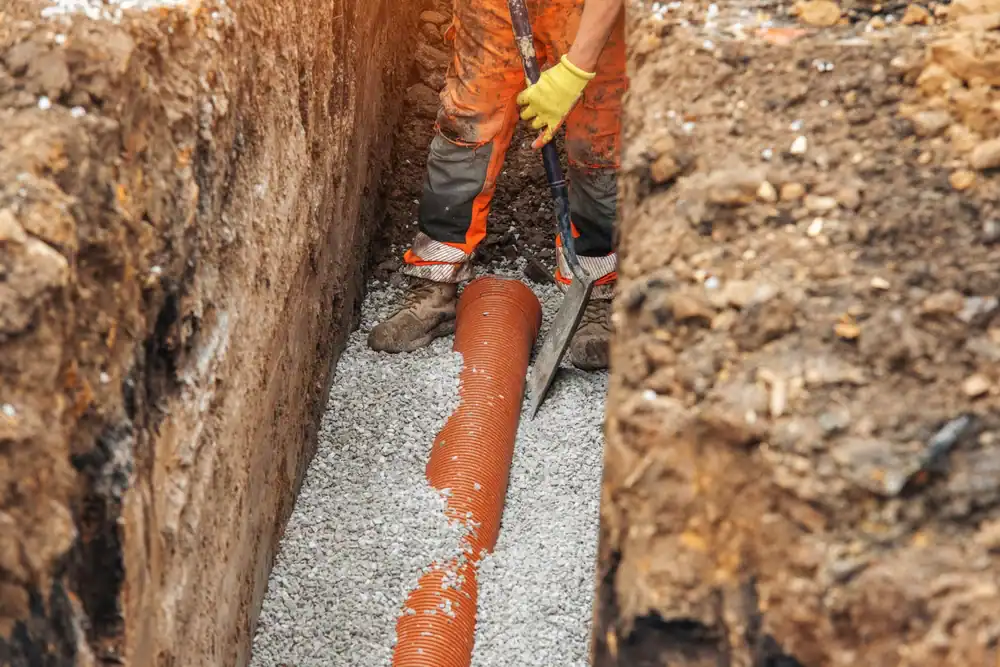
A proper line change means your toilets flush without hesitation. Your drains clear fast. And you stop wondering if today’s the day your basement floods.
When we replace your sewer line to cesspool connection, we’re correcting the pitch, replacing collapsed sections, and installing pipe that won’t shift or crack under Long Island’s sandy soil. You’re not paying for a temporary fix. You’re getting a system that works the way it should have from day one.
Most line changes in Baywood come after years of slow drains, recurring backups, or a camera inspection that shows roots, bellies, or broken sections. Once the line’s replaced, those problems disappear. The system drains like it’s supposed to. And you stop paying for emergency pump-outs every few months.
We’ve been serving Suffolk County families since 1998. We’re licensed through the county’s septic program, and we’ve dug, replaced, and repaired thousands of sewer lines across Baywood and the surrounding towns.
We know which systems fail first and why. We know how Long Island’s high water table affects pipe slope. And we know what Suffolk County inspectors expect when they show up to sign off on your work.
You’re not hiring a crew from out of town who’s guessing at local codes. You’re hiring neighbors who’ve built a reputation by doing right by people who live here.
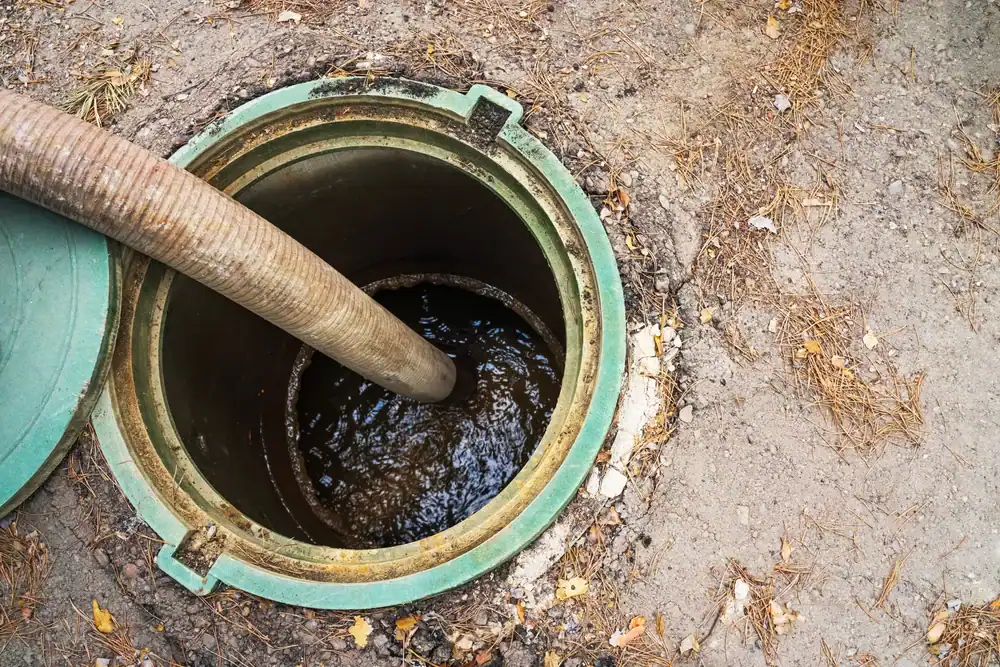
First, we locate your existing line and mark out the path from your house to the cesspool or septic tank. If we haven’t already scoped it with a camera, we’ll confirm where the failure is and what’s causing it—roots, collapse, bad pitch, or age.
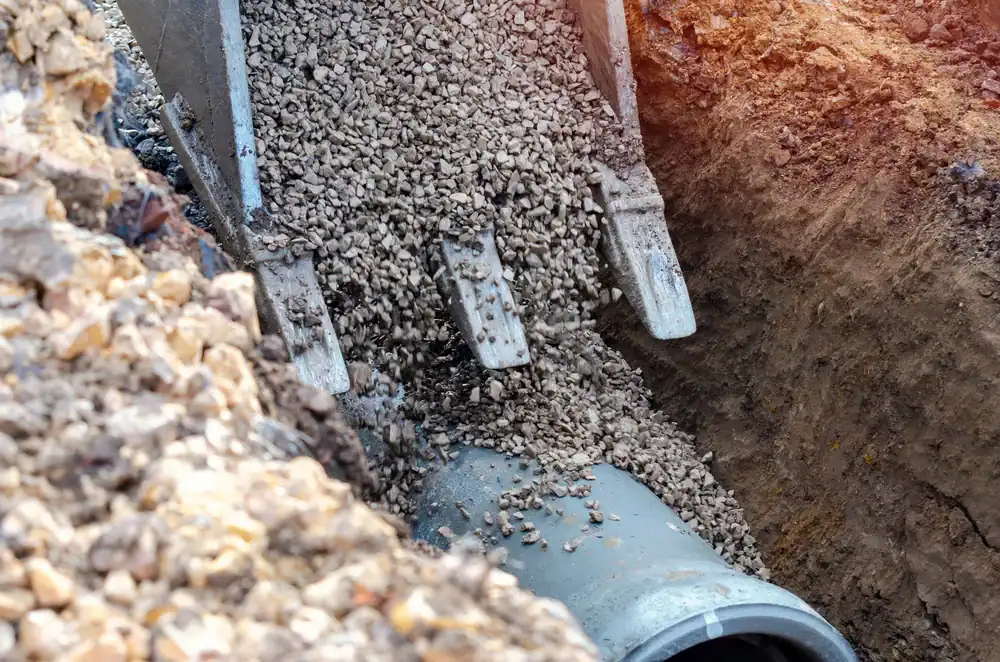
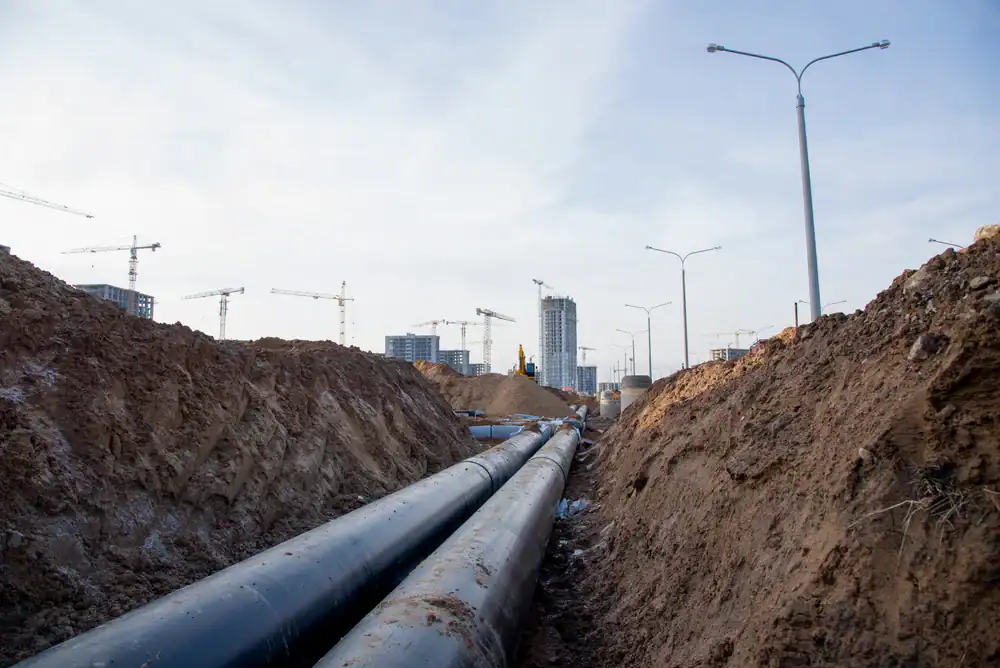
Then we dig. Trenching and excavation for a line change typically runs 18 to 36 inches deep, depending on your system and local code. We remove the old pipe, grade the trench to the correct slope, and lay new pipe that’s rated to last decades.
Once the new line’s in and connected, we backfill the trench, compact the soil, and restore your yard as close to original condition as possible. Then we call for inspection if required, and you’re done. The whole job usually takes one to three days, depending on distance and access.
Ready to get started?
A line change isn’t just digging and dropping in new pipe. It’s about correcting the problems that caused the failure in the first place. That means proper slope so waste flows downhill without pooling. It means durable pipe that won’t crack under pressure or shift when the ground settles. And it means connections that stay sealed so you’re not dealing with leaks or root intrusion five years from now.
In Baywood, most line failures happen because the original pipe was installed without enough pitch, or because roots found a weak joint and grew in over time. Suffolk County’s sandy soil doesn’t help—it shifts, settles, and lets water move around in ways that put pressure on old clay or cast iron lines.
When we replace your main waste line, we’re accounting for all of that. You get a system that drains correctly, meets current code, and comes with a 10-year guarantee. No maintenance. No surprises. Just a line that works the way it’s supposed to.
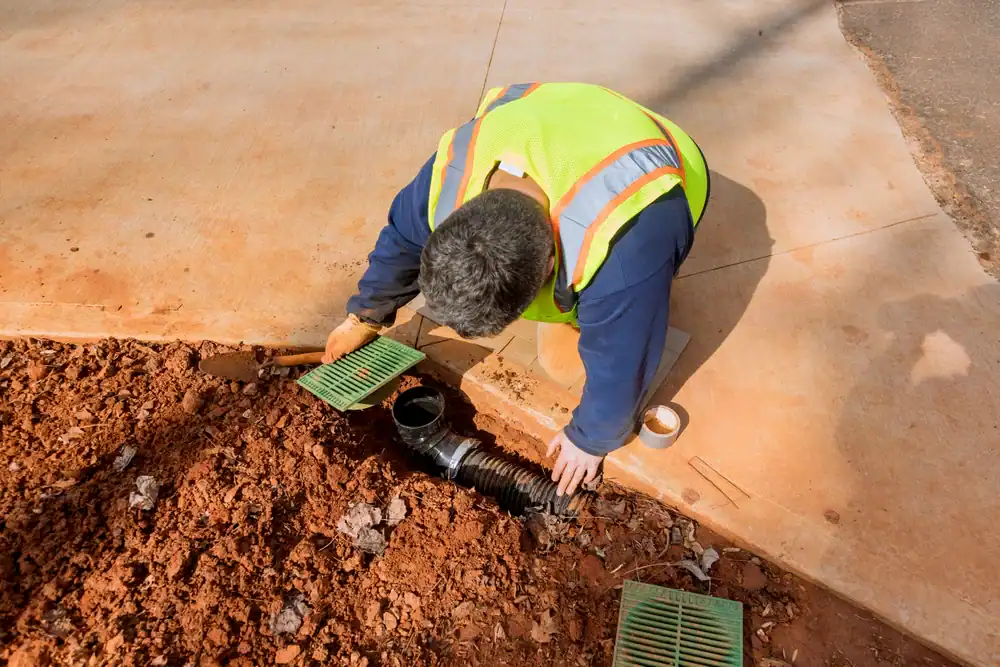
If your line has a single crack or a small root intrusion in one spot, a repair might be enough. But if the camera shows multiple problem areas, a bellied section where water pools, or pipe that’s deteriorated along most of the run, you’re better off replacing the whole thing.
A repair can sometimes buy you a few years. But if the pipe’s old, it’s usually just delaying the inevitable. And every time you patch it, you’re paying for labor, excavation, and disruption—without actually solving the underlying issue.
A full line change costs more upfront, but it’s a one-time fix. You’re not wondering when the next section will fail. You’re not calling us back in two years because a different spot collapsed. You’re done.
Most residential line changes take one to three days, depending on how far the run is and whether we hit any obstacles like ledge, utilities, or tough access. If your cesspool is close to the house and we have clear access, we can often finish in a day.
Longer runs or tricky sites—like tight side yards, steep grades, or areas where we need to work around landscaping—can add time. We’ll give you a realistic timeline once we’ve seen the site and know what we’re working with.
During the job, your water stays on, but you won’t be able to use toilets, sinks, or drains while the line’s disconnected. We work as fast as we can to minimize downtime, and we’ll walk you through what to expect before we start.
Most line failures in Baywood come down to age, poor installation, or root intrusion. Older homes often have clay or cast iron pipe that cracks, shifts, or corrodes over time. If the line was installed without proper slope, waste doesn’t flow the way it should—it pools, builds up, and eventually causes a backup.
Tree roots are another common culprit. They’re drawn to moisture, and once they find a weak joint or crack, they grow in and block the line. Long Island’s sandy soil makes this worse because it shifts and settles, putting stress on rigid pipe that wasn’t designed to flex.
Sometimes it’s just time. A line that’s been in the ground for 40 or 50 years has done its job. Replacing it before it fails completely saves you from dealing with a basement full of sewage or an emergency call at 2 AM.
We dig a trench from your house to your cesspool or septic tank, so yes, there’s excavation involved. But we’re not tearing up your entire property. The trench is typically 18 to 36 inches wide, and we follow the most direct path we can.
Once the new line’s in and inspected, we backfill the trench, compact the soil, and restore the surface as close to original condition as possible. If we go through lawn, you’ll need to reseed or lay sod. If we cross pavement or hardscape, we’ll discuss options for patching or repaving.
Most homeowners are surprised at how quickly the yard recovers. Within a few weeks, you won’t even notice where we dug—especially compared to the alternative of dealing with recurring backups and emergency repairs.
Yes. Suffolk County requires permits for most cesspool and septic work, including sewer line replacements. The permit ensures the work meets current code and gets inspected before it’s covered up.
We handle the permit application for you. We know what the county requires, and we schedule the inspection once the line’s installed and ready for review. You don’t need to deal with the paperwork or chase down approvals.
Skipping the permit might seem like a shortcut, but it causes problems down the road. If you ever sell your home, missing permits can delay the sale or cost you negotiating power. And if the work wasn’t done to code, you could be on the hook for redoing it.
Cost depends on the length of the run, depth of excavation, site access, and whether we’re connecting to a cesspool or septic tank. A straightforward residential line change typically ranges from a few thousand dollars to several thousand, depending on those factors.
Longer runs, difficult access, or sites that require extra restoration work will cost more. But you’re paying for a system that lasts 50+ years, comes with a 10-year guarantee, and eliminates the recurring costs of emergency pump-outs and temporary fixes.
We’ll give you a clear estimate once we’ve assessed your property and know exactly what’s involved. No surprises, no upselling. Just honest pricing for work that’s done right the first time.
Other Services we provide in Baywood