
Hear from Our Customers
Your sewer line connects your home to your cesspool. When it fails, everything stops working. Toilets back up. Showers won’t drain. And if you’re unlucky, you’re dealing with sewage in your basement.
A proper line change means you’re not calling for emergency service every six months. It means the correct pipe pitch—that quarter-inch drop per foot that actually moves waste where it needs to go. It means excavation done by people who know what’s under Brookville properties and how to work around it.
Most homes in this area were built decades ago. Those original lines weren’t meant to last forever. Tree roots find cracks. Galvanized steel corrodes from the inside. The ground shifts. You don’t need a temporary fix—you need a main waste line replacement that handles your household’s actual demands and lasts.
We’ve been handling line changes in Brookville, NY for nearly two decades. We’re a family-owned operation—four generations of experience dealing with Long Island’s unique infrastructure challenges.
We know Nassau County’s permit process. We know which materials meet code and which inspectors will flag. We know that Brookville properties often have mature landscaping that costs tens of thousands to replace, so our excavation work respects what you’ve built.
When you call at 2 a.m. because your basement is flooding, we answer. When you need someone who won’t disappear after cashing your check, we’re still here. That’s what nearly twenty years in the same community gets you—accountability that actually means something.
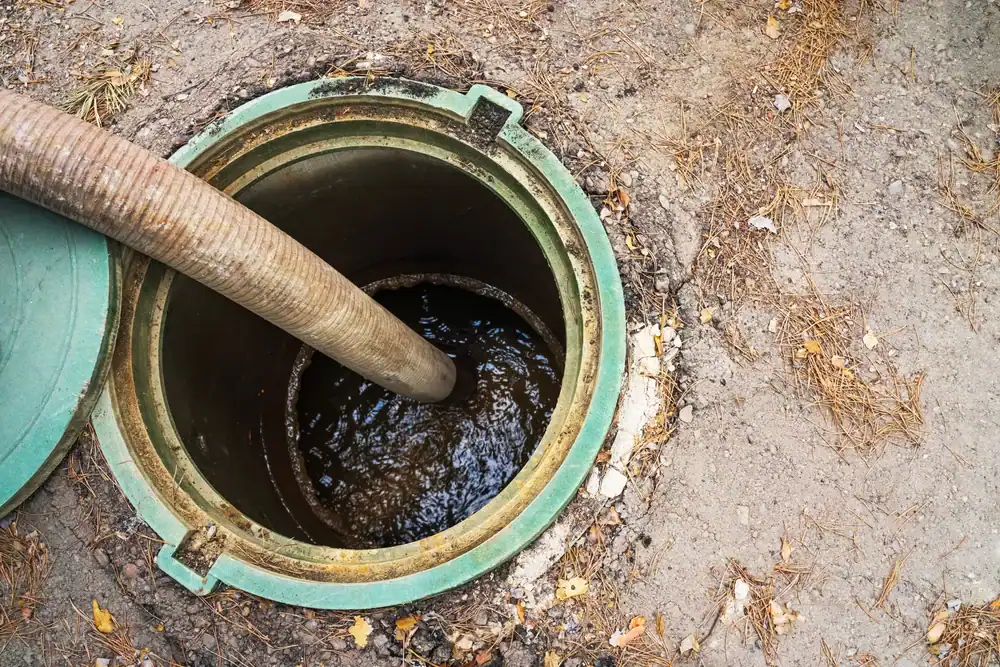
First, we locate your existing line and assess the damage. That means finding where your sewer line connects to your cesspool and identifying what failed. Sometimes it’s a single section. Sometimes the whole run needs replacement.
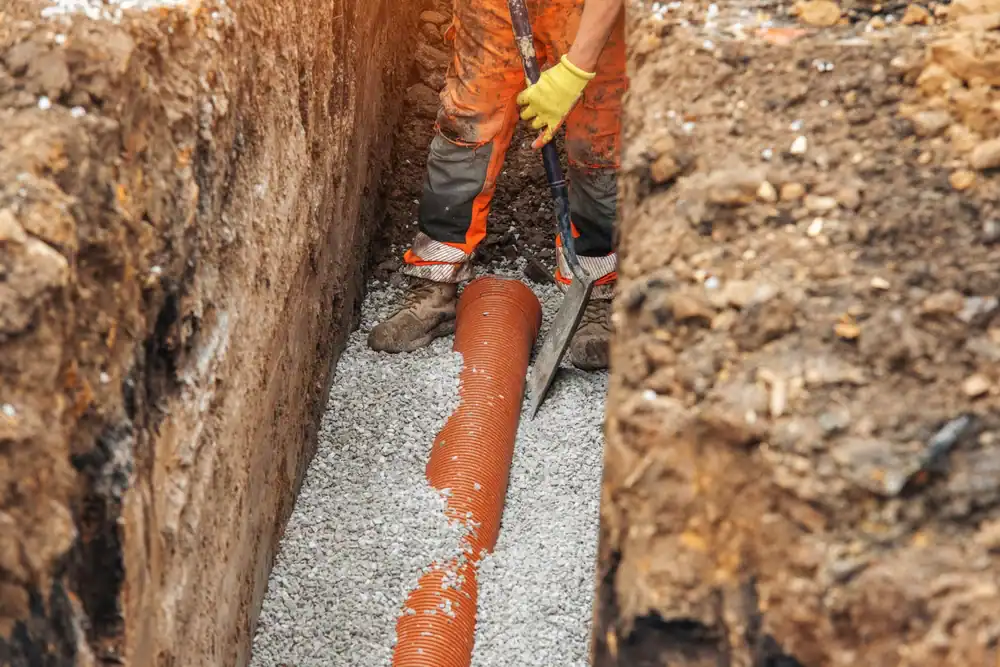
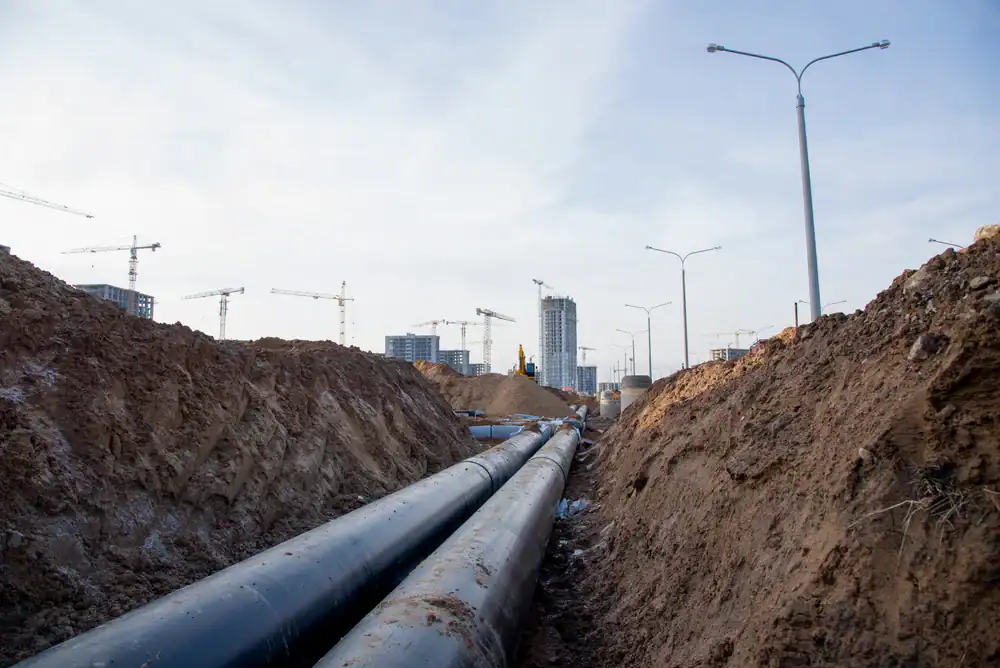
Next comes trenching and excavation. We dig down to expose the damaged pipe, working carefully around your property’s existing features. If you’ve got a paved driveway or established landscaping in the way, we plan the route that makes sense—not just what’s easiest for us.
Then we install the new line with proper pipe pitch and slope. That quarter-inch per foot isn’t a suggestion—it’s what keeps waste flowing and prevents clogs. We use materials that meet current Nassau County codes and will actually last.
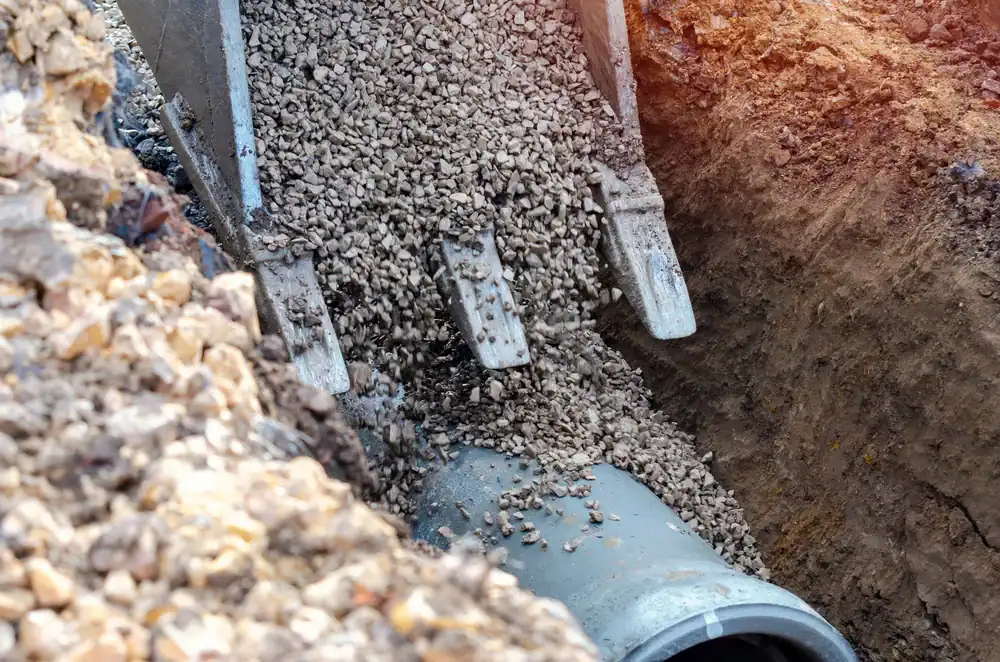
Finally, we backfill, compact, and restore the surface. The job isn’t done until your property looks like we were never there. We haul away old materials and dispose of waste at approved facilities, because that’s what protects Long Island’s groundwater.
Ready to get started?
You’re getting the full scope—line location, excavation, new pipe installation with correct pitch, backfill, and site restoration. We handle the Nassau County permits and inspections that come with this work. You’re not coordinating three different contractors or wondering who’s responsible when something goes wrong.
Brookville properties often deal with mature oak and maple trees. Those root systems are aggressive, and they’re usually what damaged your line in the first place. We account for that during installation, routing new lines away from problem areas when possible and using materials that resist root intrusion.
The median home value in Nassau County sits around $658,700. That means your landscaping, hardscaping, and property features represent serious investment. Our excavation work minimizes disruption. We’re not tearing up your entire yard because we don’t know what we’re doing—we’re making surgical cuts that get the job done and restore properly.
Most importantly, you’re getting installation that prevents the same failure from happening again in three years. Proper slope, quality materials, and placement that accounts for Long Island’s soil conditions and water table. That’s the difference between a line change and a temporary patch.
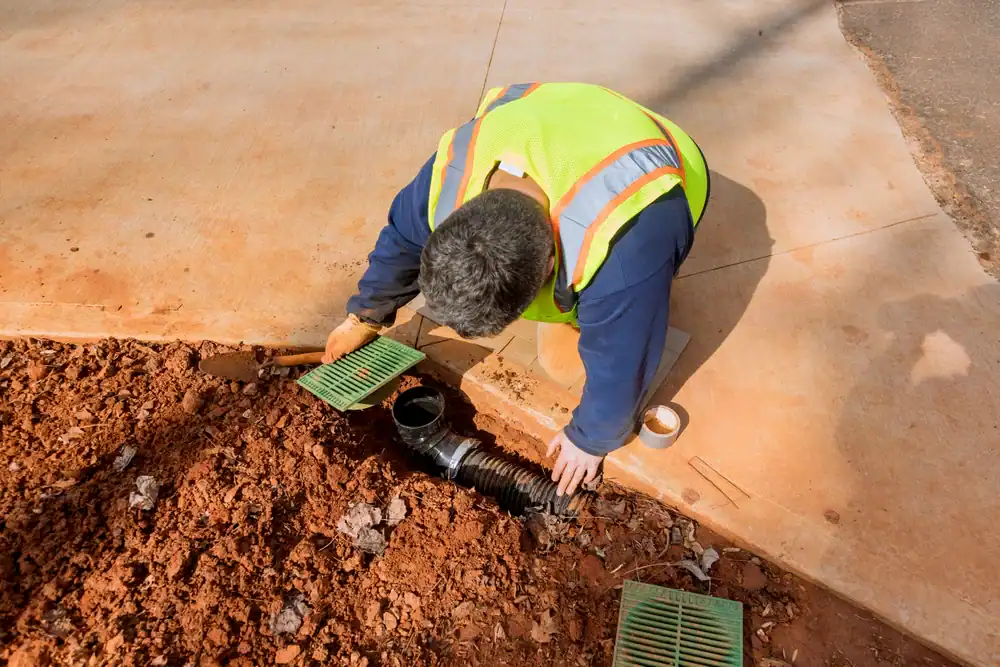
If you’re dealing with recurring backups in the same area, that’s usually a sign the pipe itself has failed—not just a simple clog. When tree roots break through, when old galvanized steel corrodes, or when the ground shifts and cracks your line, a repair is just buying time.
We’ll assess the damage honestly. Sometimes a section can be repaired if the rest of the line is solid. But if your home was built in the 1960s or 70s and you’re still running original pipes, you’re likely looking at replacement. Those lines weren’t designed to last fifty-plus years.
The real question is whether you want to pay for emergency service calls every few months or handle it once. A proper line change costs more upfront, but it’s less than three or four emergency visits plus the water damage you’re risking each time that line fails.
Pipe pitch is the slope of your sewer line—specifically, a quarter-inch drop for every foot of horizontal pipe. That gradient is what moves waste from your house to your cesspool using gravity. Too flat, and waste sits in the pipe causing clogs. Too steep, and liquid runs faster than solids, leaving buildup behind.
Most homeowners don’t think about pitch until their line fails. But it’s the difference between a system that works for decades and one that backs up constantly. When we install a new line, we’re measuring and confirming that slope throughout the entire run.
Nassau County inspectors check this during permitting. If the pitch is wrong, you fail inspection and the work gets redone. We get it right the first time because we’ve been doing this for nearly twenty years and understand exactly what local codes require.
Most residential line changes take one to three days depending on distance, depth, and what we encounter during excavation. If your cesspool is fifty feet from your house with clear access, that’s faster than a hundred-foot run under a paved driveway.
Brookville properties often have complications—mature landscaping, underground utilities, or rocky soil that slows digging. We can’t give you an exact timeline until we assess your specific situation, but we will give you a realistic estimate before starting work.
The permit process adds time on the front end. Nassau County requires permits for this work, and inspections happen at specific stages. We handle that coordination, but it means the job doesn’t start the same day you call. Emergency repairs are different—if your basement is flooding, we’re there fast to stop the immediate problem, then schedule the proper replacement.
Excavation means digging, and digging means some disruption. But there’s a difference between careful trenching that follows the existing line and tearing up your entire yard because the crew doesn’t know what they’re doing.
We locate the line first, plan the route, and dig a trench wide enough to work—not wider. If your landscaping is established and valuable, we take extra care. We can often work around mature trees and shrubs rather than through them. Grass gets restored. Pavers get reset. Topsoil goes back on top.
What we won’t do is promise zero impact. If your sewer line runs under your prize rosebushes, we need access to that line. But we’ve worked on enough high-value Nassau County properties to understand what’s at stake. Our excavation work respects your investment, and our site restoration is part of the job—not an afterthought.
Line changes typically run anywhere from a few thousand dollars to significantly more, depending on distance, depth, access, and site conditions. A straightforward thirty-foot replacement with easy access costs less than a hundred-foot run under a driveway with ledge rock in the way.
We don’t quote prices over the phone because every property is different. Brookville homes vary widely in age, layout, and existing infrastructure. What we will do is assess your situation, explain exactly what needs to happen, and give you a clear price before any work starts.
Here’s what matters: a proper line change costs less than repeated emergency calls plus the water damage you’re risking. Emergency service during off-hours carries premium rates. Property damage from sewage backups—ruined flooring, furniture, temporary housing—adds up fast. Spending a few thousand now beats spending twenty thousand later on emergency repairs and restoration.
Yes. Nassau County requires permits for main waste line replacement, and inspections happen at specific stages of the work. This isn’t optional—it’s code, and it protects you.
Permits ensure the work meets current standards for materials, installation, and safety. They create a paper trail if you ever sell your home, proving the work was done legally by licensed contractors. They also protect Long Island’s groundwater by making sure waste systems are installed correctly.
We handle the permit process as part of the job. You’re not standing in line at the county office or coordinating inspector visits. We know what Nassau County requires, we know which inspectors cover Brookville, and we know how to get approvals without delays. That’s part of what you’re paying for—someone who knows the local system and gets it done right.
Other Services we provide in Brookville