
Hear from Our Customers
You know something’s wrong when wastewater backs up into your house or you hear gurgling from the drains. That’s your main waste line telling you it’s failing—and it won’t get better on its own.
A proper line change means your waste flows exactly where it should, every time. No more standing water in your yard. No more calling emergency plumbers at 2 AM because sewage is coming up through your basement floor.
The difference is in the details: correct pipe pitch and slope, the right materials for Long Island soil conditions, and excavation work that doesn’t destroy your property. When the job’s done right, you forget the line even exists. That’s what you’re paying for.
We’ve been handling line changes in Carle Place and across Nassau County for almost two decades. Four generations of family experience means we’ve seen every type of failure, every soil condition, and every property layout this area can throw at us.
We’re not the biggest operation on Long Island—we’re the one that shows up on time and doesn’t leave until your system works. Carle Place homeowners deal with older properties, tight lot lines, and cesspool systems that weren’t built to modern standards. We know how to work within those constraints without cutting corners.
You’re not getting a sales pitch from us. You’re getting a straight answer about what’s failing, why it’s failing, and what it takes to fix it permanently.
First, we locate your existing main waste line and identify exactly where the failure is happening. Could be root intrusion, could be collapsed pipe, could be improper slope from a bad install years ago. We don’t guess—we find the problem.
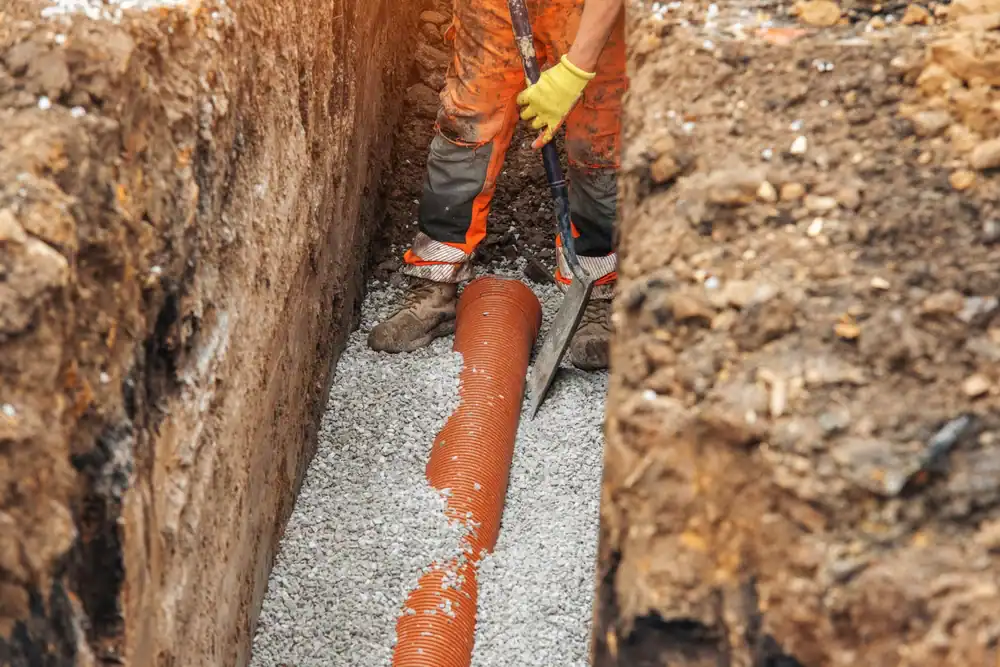
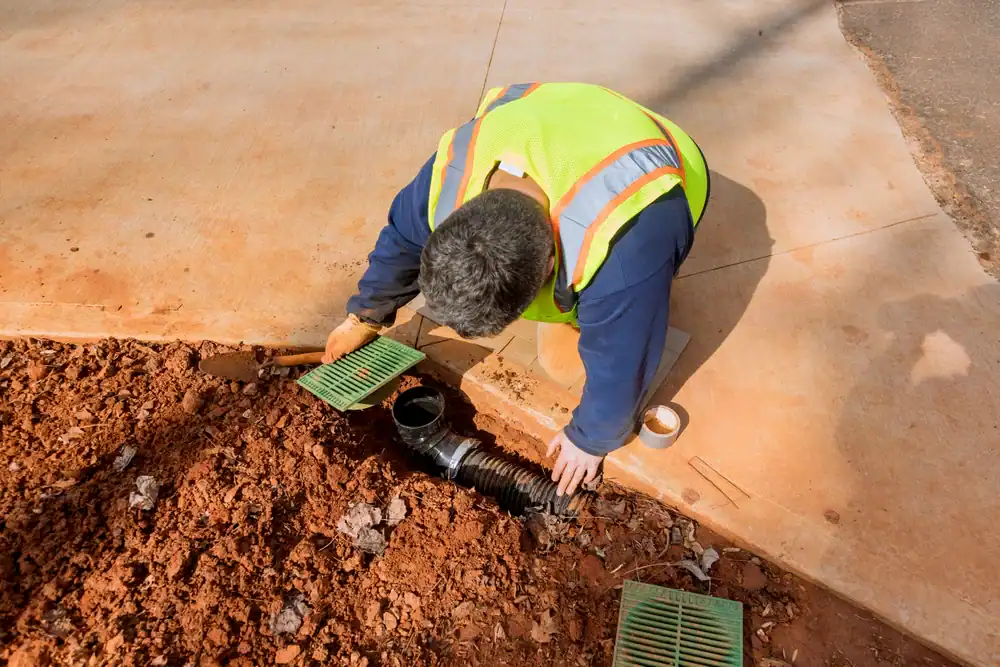
Next comes excavation. We dig only what’s necessary to access the damaged section, and we do it in a way that protects your landscaping, driveway, and foundation. If your property allows for trenchless repair methods, we’ll use them. If it requires full trenching and excavation, we’ll map it out so you know exactly what to expect.
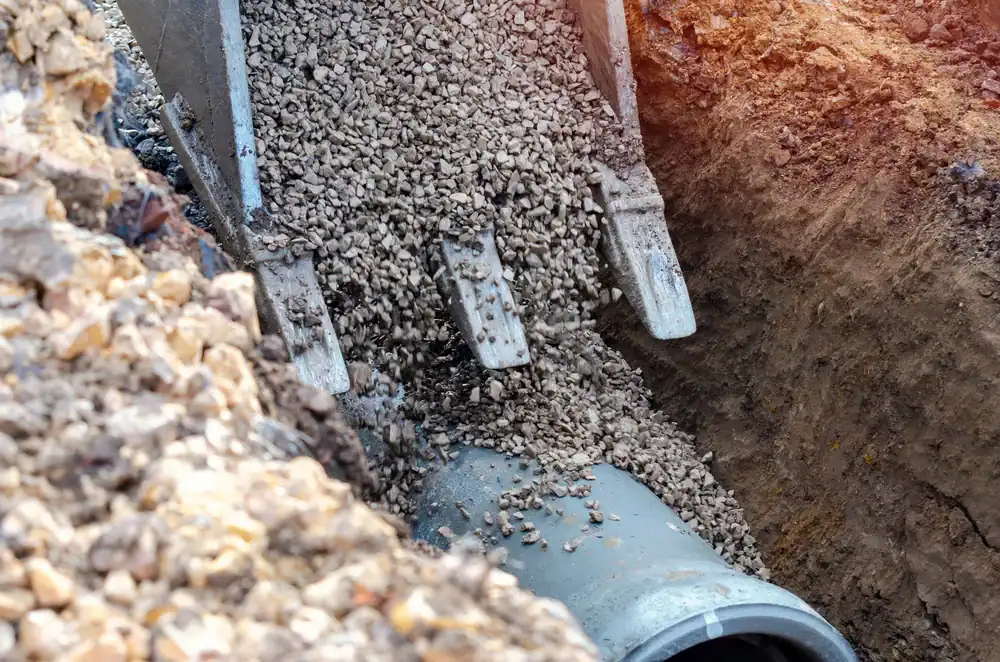
Then we install the new line with proper pipe pitch—that quarter-inch drop per foot that ensures waste flows by gravity alone. Wrong pitch means future clogs. Right pitch means decades of trouble-free operation. We backfill, compact, and restore your property so you’re not left with a mud pit.
The whole process typically takes one to three days depending on length and access. You’ll know the timeline before we start, and we don’t leave until your sewer line to cesspool connection is tested and working.
Ready to get started?
You’re getting a complete main waste line replacement, not a spot repair that fails in two years. That includes excavation, removal of the old line, installation of new pipe with correct slope, proper backfill, and site restoration.
In Carle Place, most line changes involve connecting your home’s main drain to an existing cesspool or upgraded septic system. Nassau County has specific setback requirements and environmental restrictions we follow to keep your system compliant. If your cesspool is aging out, we’ll tell you now—not after we’ve already dug up your yard.
We also handle the reality of Long Island properties: shallow bedrock, high water tables, and mature trees with root systems that love to invade sewer lines. Your new line gets installed with those factors in mind, which is why it lasts.
If your property qualifies for county grants toward system upgrades, we’ll point you in that direction. Nassau County offers up to $20,000 for qualifying replacements, which can turn a $15,000 project into something far more manageable.
If you’re dealing with frequent backups, multiple clogged drains at once, or sewage pooling in your yard, you’re likely past the point of a simple repair. A camera inspection shows us exactly what’s happening inside the pipe—whether it’s a small crack, a collapsed section, or a line that’s rotted through.
Repairs make sense when the damage is isolated and the rest of the pipe is still in good shape. But if your line is old cast iron or Orangeburg pipe (that tar paper stuff from the 1950s), patching one spot just means another failure six months down the road. At that point, replacing the whole line costs less than multiple repair calls.
We’ll show you the camera footage and give you both options with honest pricing. If a repair will actually hold, we’ll tell you. If it’s throwing good money after bad, we’ll tell you that too.
Proper pipe pitch is a quarter-inch drop for every foot of horizontal run. That’s the minimum slope needed for waste and water to flow by gravity without leaving solids behind. Too flat, and waste sits in the pipe until it clogs. Too steep, and water runs ahead of solids, leaving them stuck.
This is where a lot of cheaper installations fail. Someone eyeballs the slope or rushes the job, and you end up with a line that clogs constantly even though it’s brand new. We use a laser level to set exact grade before any pipe goes in the ground.
In Carle Place, where lot sizes are tight and cesspool locations don’t always line up perfectly with your house, getting that pitch right sometimes means creative routing. But it’s not optional—it’s the difference between a system that works and one that doesn’t.
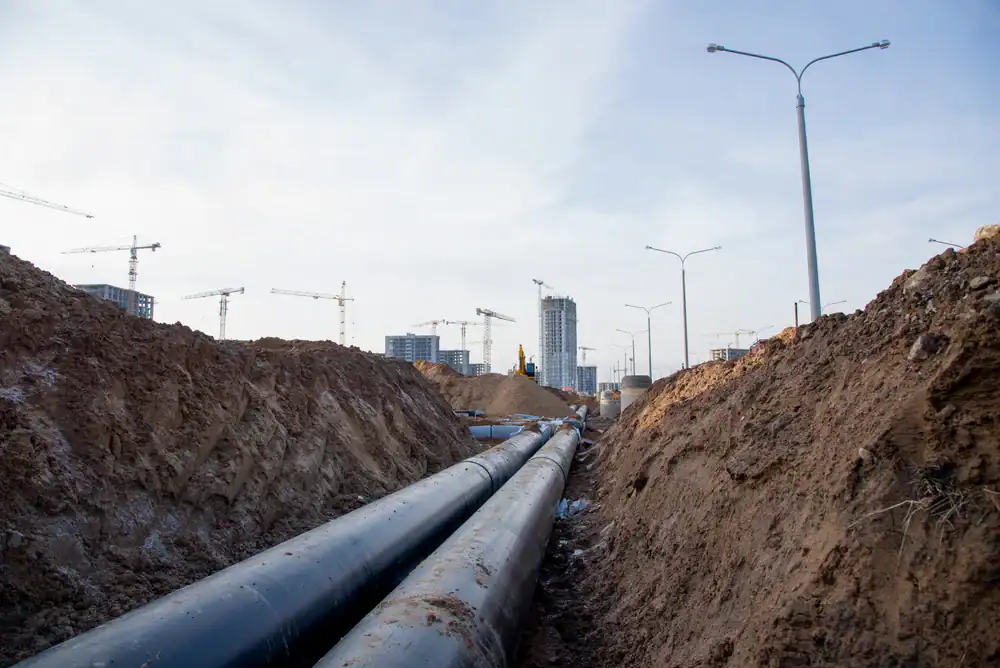
That depends on where your line runs and how deep it’s buried. Most main waste lines in Carle Place run from the house foundation out to a cesspool in the yard, which means we’re digging a trench through grass, possibly under a driveway or walkway.
We keep the trench as narrow as possible—usually 18 to 24 inches wide—and we shore it properly so there’s no cave-in risk. If your line runs under concrete, we’ll saw-cut clean edges and repour after the pipe is in. If it’s through landscaping, we’ll work around plantings where we can and restore sod when we’re done.
Trenchless methods like pipe bursting can minimize digging in some situations, but they don’t work for every property. We’ll assess your layout and tell you upfront what kind of disruption you’re looking at. No surprises once we start.
Absolutely. Tree roots seek out moisture, and even a hairline crack in your sewer line is enough to let them in. Once they’re inside, they grow into a thick mat that catches waste and eventually breaks the pipe apart completely.
Older clay or cast iron pipes are especially vulnerable because the joints aren’t sealed—roots slip right through the gaps. Even newer PVC can fail if it wasn’t installed properly or if ground settling creates a crack. Willow, maple, and oak trees are the worst offenders, and plenty of Carle Place properties have mature trees close to sewer lines.
If roots caused your current failure, just replacing the pipe isn’t enough. We’ll route the new line away from major root zones when possible, or install root barriers if the tree’s too close to avoid. Otherwise, you’re just setting yourself up for the same problem in five years.
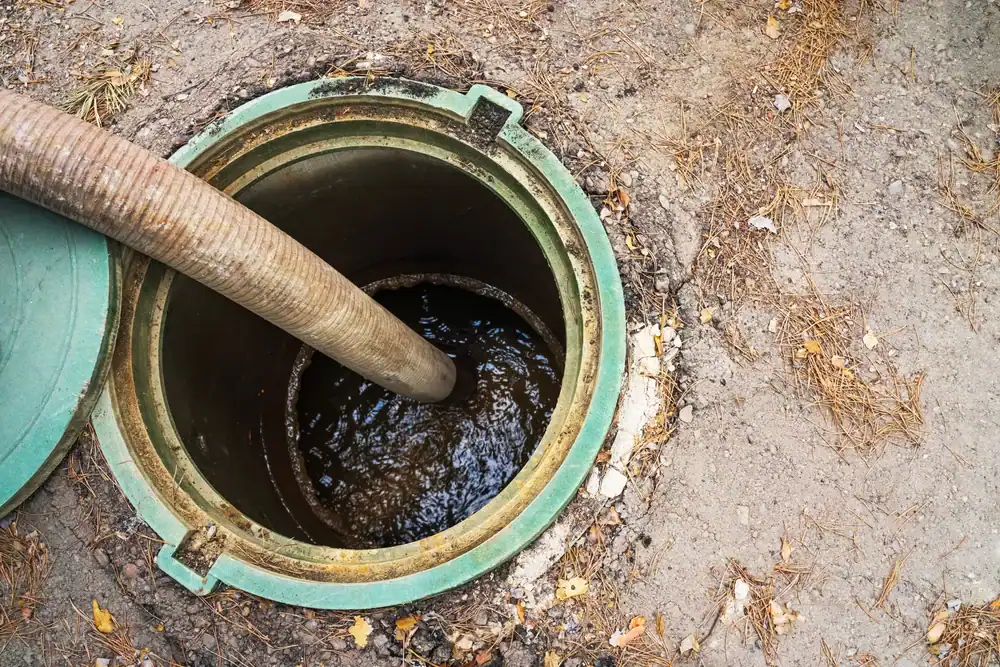
If your cesspool is failing, replacing just the line won’t solve your problem—you need both. We’ll tell you that upfront during the inspection, not after we’ve already started digging.
Suffolk County banned new cesspool installations back in 2019, and Nassau County is moving in the same direction due to groundwater contamination concerns. If your cesspool is shot, you’re looking at an upgrade to a septic system with advanced treatment, which is a bigger project than a simple line change.
The good news is that doing both jobs at once saves you money on excavation and site work. And if you qualify for county grants—Nassau offers up to $20,000, Suffolk offers over $10,000—your out-of-pocket cost drops significantly. We’ll walk you through the whole process and handle the permitting so you’re not stuck dealing with the county yourself.
A main waste line installed with the right materials and correct slope should last 50 years or more. Modern PVC pipe doesn’t corrode, doesn’t attract roots at the joints, and holds up to ground movement better than older materials.
The failures we see in Carle Place are almost always from lines installed decades ago—cast iron that’s rusted through, clay pipe that’s cracked from settling, or Orangeburg pipe that’s literally disintegrating. When we replace those with proper PVC at the right pitch, you’re done worrying about it for the rest of the time you own the house.
That said, even the best line can fail if a tree root finds a weak spot or if major ground settling happens. But those are rare exceptions, not the norm. Most homeowners who get a proper line change never think about it again.
Other Services we provide in Carle Place