
Hear from Our Customers
When your sewer line to cesspool connection fails, it doesn’t give you much warning. You’ll notice slow drains, then backups, then raw sewage where it shouldn’t be. By that point, you’re dealing with an emergency that costs more and disrupts more than it ever had to.
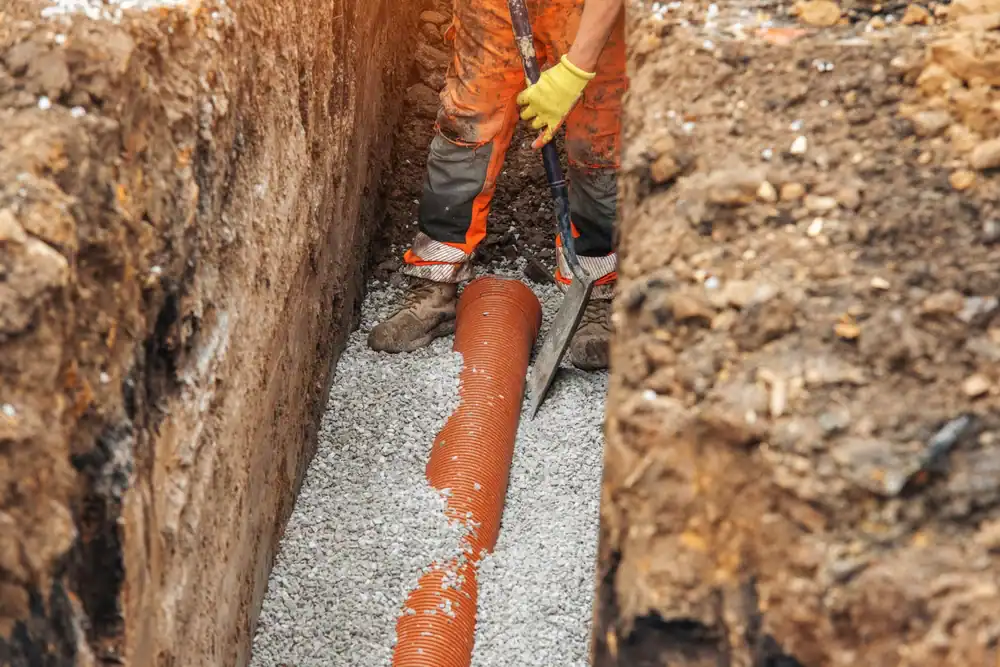
Proper line changes fix the problem at the source. That means trenching and excavation done right, pipes installed with the correct pitch and slope so waste actually flows, and connections that hold up under Long Island’s soil conditions. You’re not patching a leak or hoping it lasts another year.
What you get is a system that works the way it’s supposed to. No more frequent backups. No more calling for emergency pumping every few months. No more wondering if today’s the day your main line finally gives out. Just a waste system that does its job without making itself your problem.
We work with homeowners across Deer Park, NY who need their cesspool systems to actually function. We’re licensed, insured, and equipped to handle everything from routine maintenance to full main waste line replacement.
Most homes in Deer Park rely on cesspools because that’s what was standard when they were built. Those systems work fine until they don’t, and when a main line fails, you need someone who knows how to diagnose the real problem and fix it correctly the first time.
We’re not the company that shows up, pumps your tank, and leaves without checking why you’re backing up in the first place. We look at the whole system, find where the failure is, and give you a straight answer about what needs to happen.
First, we figure out where the problem actually is. That means inspecting your system to see if it’s a pipe failure, improper pitch and slope, or a connection that’s deteriorated over time. You’re not paying for guesswork.
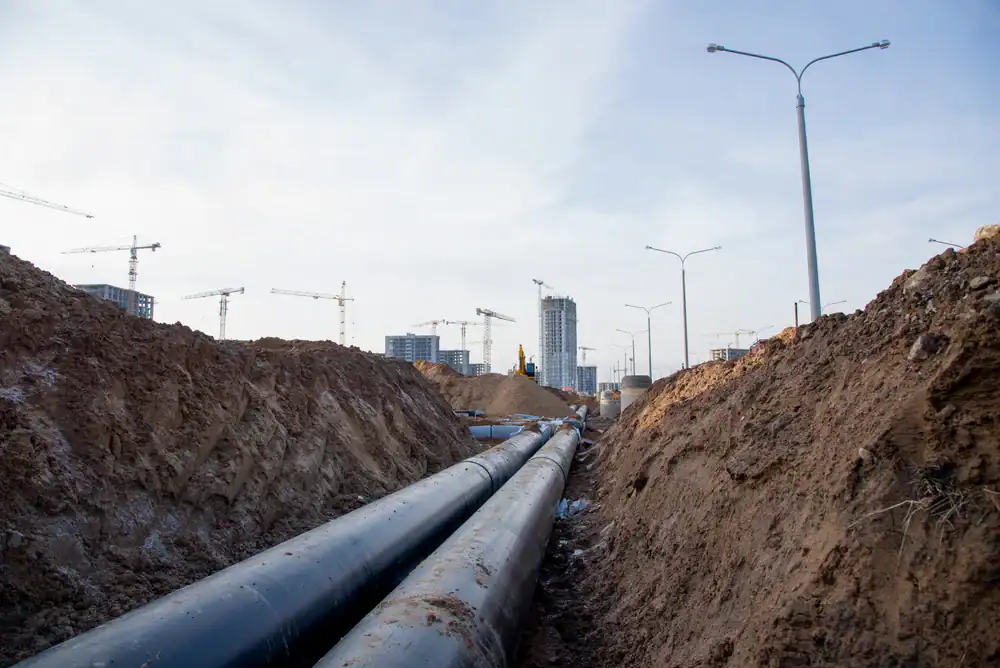
Once we know what’s failing, we map out the excavation. If your main line runs under your driveway or across your yard, we plan the trenching to minimize disruption and get the job done efficiently. We’re not tearing up more property than necessary.
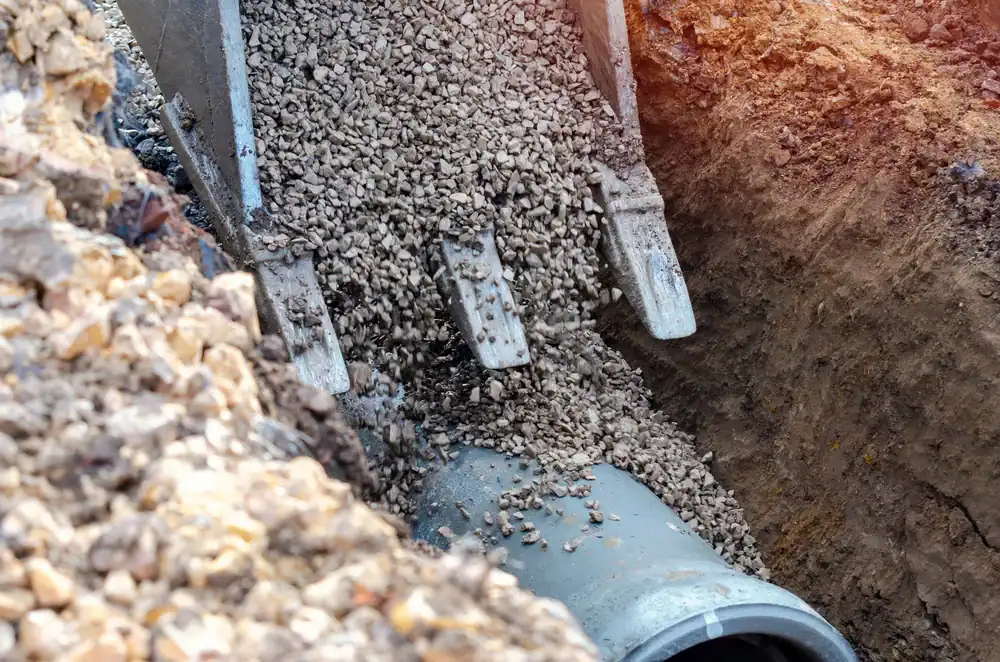
Then we install the new line with the correct slope so waste flows properly into your cesspool. Pipes need to be pitched right or you’ll have the same problem again in a few years. We make sure the connection is solid, the backfill is done correctly, and your system is ready to handle decades of use.
After installation, we test everything to confirm flow and check for any issues before we’re done. You’re not left wondering if it’s going to hold up.
Ready to get started?
You get a full system inspection before any digging starts. We locate the failure point, assess the condition of your existing lines, and determine whether you need a partial replacement or a full main waste line replacement. That assessment tells you exactly what you’re paying for.
The excavation and trenching work is done with equipment that gets the job done without destroying your property. Deer Park homes often have lines running under driveways, walkways, or landscaping, and we work around those obstacles as much as possible. When we do need to dig, we restore the area properly.
Installation includes new piping with proper pitch and slope, secure connections to your cesspool, and backfill that won’t settle and cause problems later. Many older Deer Park cesspools were installed decades ago, and connecting new lines to older systems requires knowing how those systems were built. We’ve worked on enough of them to know what holds up and what doesn’t.
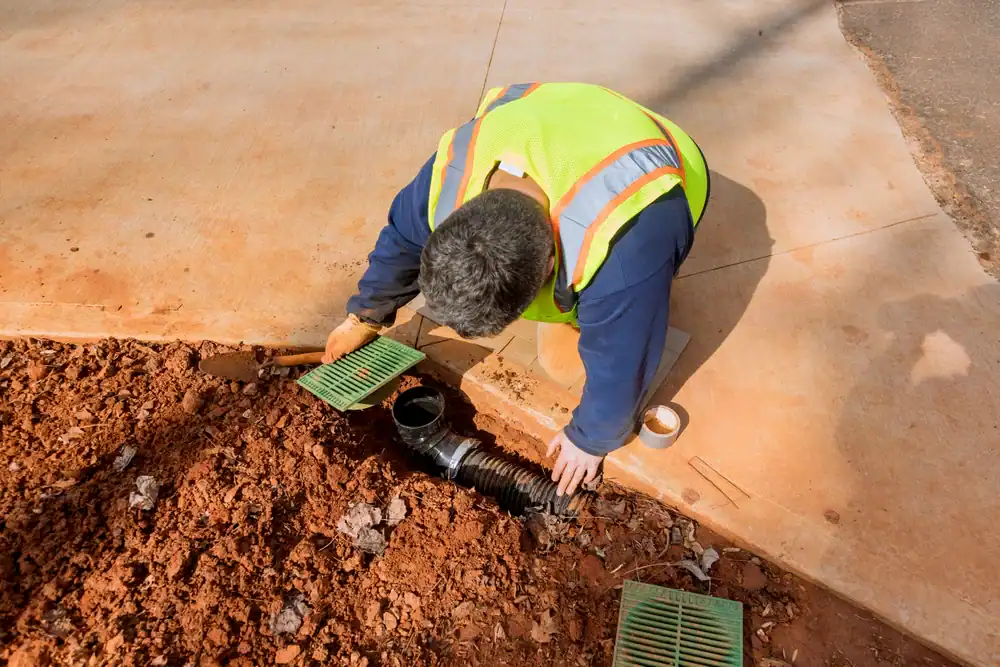
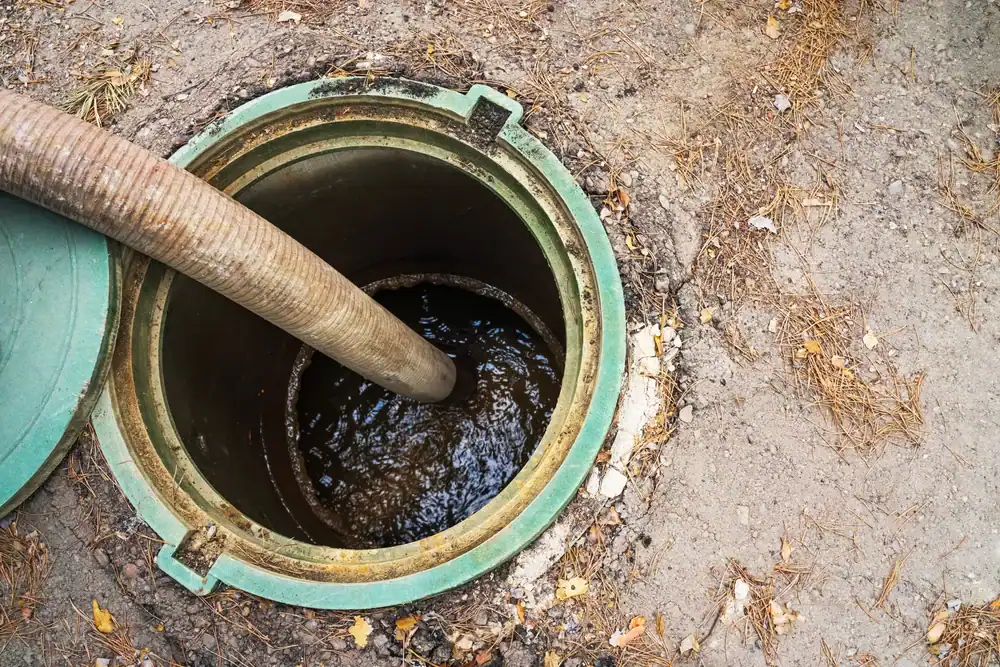
If you’re backing up frequently even after pumping, the problem isn’t your tank. It’s your lines. Pumping removes what’s in the cesspool, but it doesn’t fix pipes that are cracked, collapsed, or installed with the wrong slope.
You’ll notice the difference when backups keep happening in the same spot, when certain drains are slower than others, or when you’re calling for service way more often than you used to. That’s a line problem, not a tank problem.
We can inspect your system and tell you exactly where the failure is. Sometimes it’s a small section that needs replacement. Sometimes the whole main line is deteriorating and you’re better off replacing it now instead of dealing with emergency repairs every few months.
Age is the biggest factor. Many Deer Park homes were built decades ago, and the pipes installed back then weren’t designed to last forever. Cast iron corrodes, clay cracks, and even older PVC can fail under shifting soil conditions.
Tree roots are another common cause. If you have mature trees anywhere near your sewer line to cesspool connection, roots will find their way into pipes through even small cracks. Once they’re in, they grow and block flow until you’re dealing with constant backups.
Improper installation also causes failures. If the original line wasn’t pitched correctly or the backfill wasn’t compacted right, you’ll see settling, sagging, and eventually pipe failure. That’s why proper pitch and slope matter during installation. If it’s not done right the first time, you’re going to deal with problems until someone fixes it correctly.
Most line changes take one to three days depending on the length of the run, the depth of the line, and what we’re digging through. If your main line runs under a driveway, that adds time. If we’re working around landscaping or other utilities, that affects the timeline too.
The actual installation work moves quickly once the trench is open. The time-consuming part is the excavation and making sure everything is done right so you don’t have problems later. We’re not rushing through a job just to get to the next one.
You’ll have access to your plumbing during most of the work, but there will be periods where you can’t use water while we’re connecting the new line. We’ll tell you exactly when that’s happening so you can plan around it. Once we’re done, your system is back online and you’re not dealing with restrictions.
We only excavate where the line runs and where we need access to make connections. If your main waste line runs straight from your house to your cesspool, that’s the path we trench. We’re not digging up areas we don’t need to access.
For lines that run under driveways or paved areas, we assess whether we can work around them or if we need to cut through. Sometimes we can bore under obstacles, which minimizes disruption. Other times, cutting through and repaving is the most practical option.
After the new line is installed and tested, we backfill the trench and restore the surface as close to original condition as possible. If we dig through your lawn, we’ll grade it properly and you can reseed or lay sod. If we cut pavement, we’ll repave that section. You’re not left with a torn-up yard and a pile of dirt.
Cost depends on the length of the line, the depth we’re digging, what we’re digging through, and whether we’re replacing a section or the entire run. A straightforward replacement with easy access costs less than a line running under a driveway or through difficult soil.
Most line changes in Deer Park range from a few thousand dollars to significantly more for complex jobs. That includes excavation, new piping, proper installation with correct pitch and slope, backfill, and site restoration. You’re paying for work that lasts, not a quick fix that fails in a few years.
We’ll give you a clear estimate after inspecting your system and understanding what needs to happen. You’ll know what you’re paying for before any work starts, and there aren’t surprise charges for things we should have anticipated. If we find something unexpected once we’re in the ground, we’ll discuss it with you before proceeding.
Proper installation is the best prevention. When your new line is pitched correctly, installed with quality materials, and connected properly, it’s going to last decades without major issues. That’s why doing it right the first time matters more than doing it cheap.
Regular pumping helps too. Even with perfect lines, your cesspool needs to be pumped every few years depending on household size and usage. Keeping up with that maintenance prevents solids from building up and causing backups that stress your lines.
If you have trees near your line, keeping an eye on root growth can help you catch problems early. Roots don’t invade properly sealed pipes easily, but if you notice slow drains or minor backups starting years after installation, it’s worth having us inspect before it becomes a major issue. Catching it early means a simpler fix instead of another full replacement.
Other Services we provide in Deer Park