
Hear from Our Customers
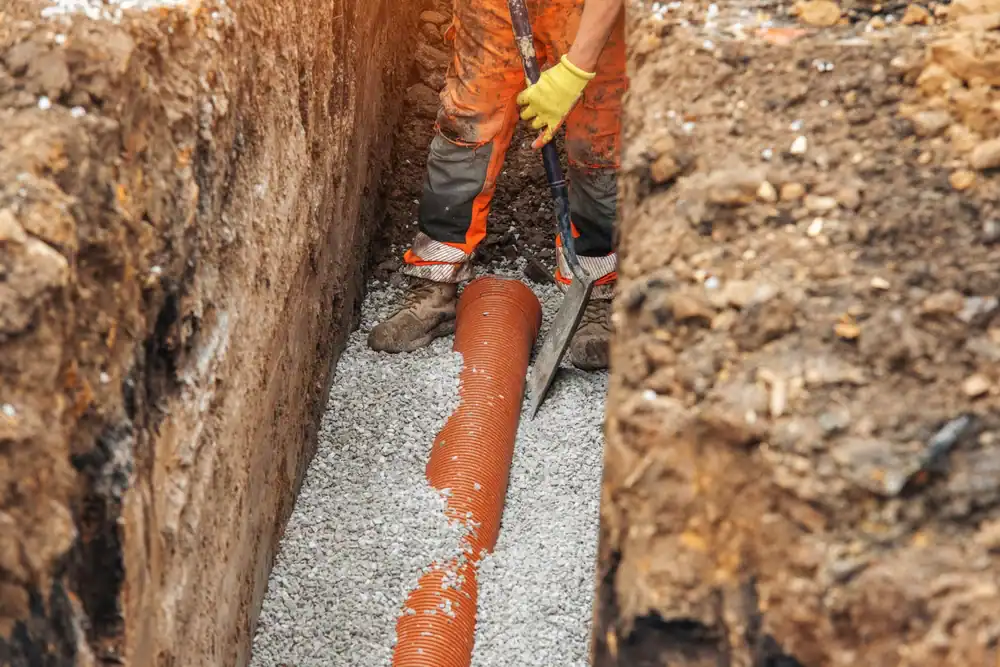
Your waste line either works or it doesn’t. When it fails, you’re dealing with sewage backups in your home, wet spots in your yard, and the constant worry that it’s going to happen again.
A proper line change means your cesspool system moves waste the way it’s supposed to. No slow drains. No foul smells creeping into your house. No standing water where it shouldn’t be.
You get a system that’s sized correctly for your property, installed with the right pitch and slope, and built to last 20 to 30 years. That’s what happens when the work is done by someone who knows Dix Hills soil conditions and actually pulls the permits. Your home stays protected, your system stays compliant, and you stop wondering when the next problem is coming.
We’ve been handling cesspool systems across Long Island long enough to know what works and what doesn’t. We’re licensed, insured, and we’ve seen every type of line failure you can imagine.
Most of Suffolk County doesn’t have public sewer access. That means your cesspool isn’t optional—it’s critical. And when something goes wrong with your main waste line, you need someone who understands local codes, knows how to work with the town, and can get the job done without tearing up half your property.
We don’t upsell. We don’t guess. We assess your system, tell you what needs to happen, give you a price before we start, and handle everything from trenching to final inspection.
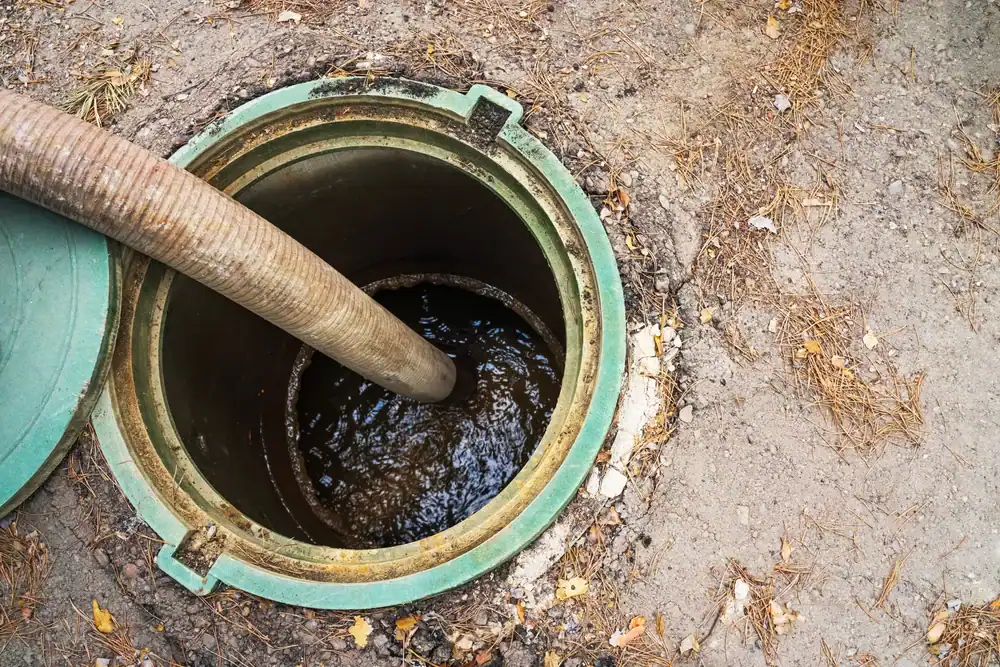
First, we come out and evaluate your system. We’re looking at your existing line, the condition of your cesspool, the soil, and whether your current setup even meets code. If your pipe pitch is off or your line is collapsed, we’ll tell you.
Next, we handle the permits. Every sewer line project in Dix Hills requires approval because of sanitary and biohazard regulations. We coordinate with local authorities so you don’t have to.
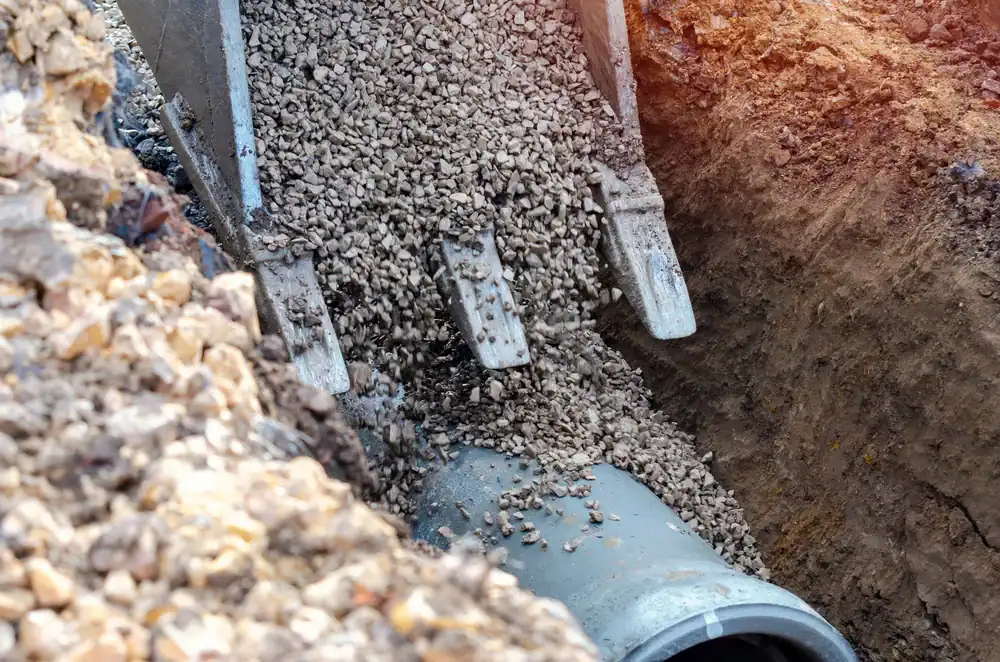
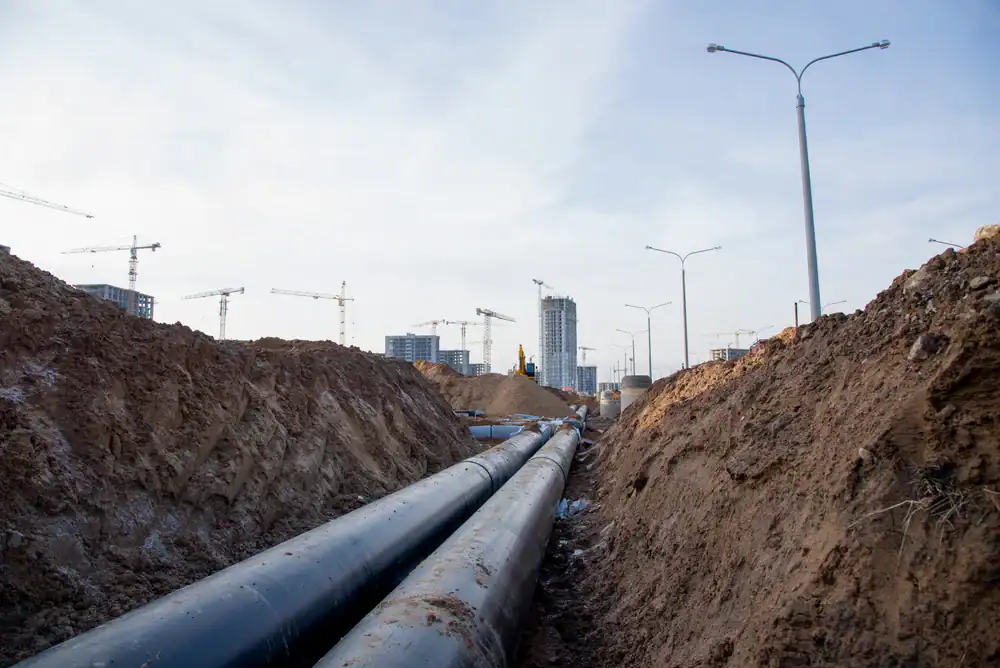
Then we do the work. That means trenching and excavation to access the line, removing the old pipe, and installing new connections with the correct slope. We make sure waste flows properly from your house to your cesspool without pooling or backing up. Once the line is in, we backfill, compact, and restore your property as close to original condition as possible.
Finally, we schedule the inspection and make sure everything passes. You’re not done until the town signs off, and we don’t leave until that happens.
Ready to get started?
You’re getting a full main waste line replacement, not a patch job. That includes site evaluation, permit applications, trenching and excavation, removal of the failed line, and installation of new piping with proper pitch and slope.
In Dix Hills, soil conditions matter. Clay-heavy soil doesn’t drain the same way as sand, and that affects how we set your line. We account for that during installation so your system doesn’t fail again in five years.
We also handle the connection between your home’s sewer line and your cesspool. If your cesspool itself is damaged or undersized, we’ll tell you that too. Some contractors will replace your line and ignore a failing tank. We don’t do that because it doesn’t solve your problem.
Pricing for line changes depends on distance, depth, and site access. Most residential jobs in Dix Hills fall between $2,300 and $10,000 depending on linear footage and complexity. We give you an upfront price after the evaluation so there’s no surprise when the bill comes.
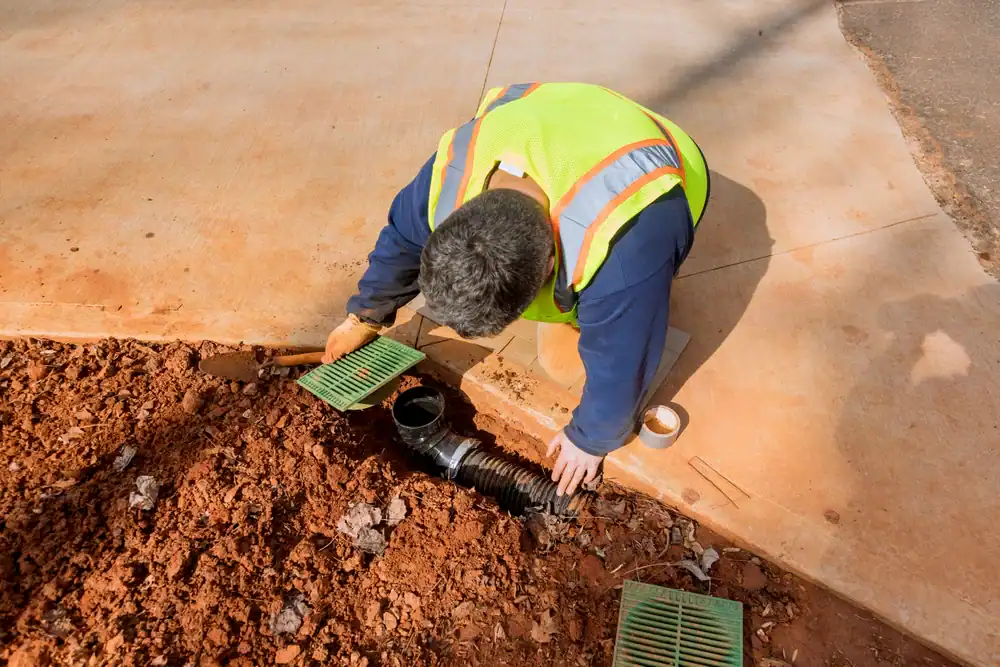
Most line changes in Dix Hills run between $2,300 and $10,000. The cost depends on how many linear feet of pipe need replacing, how deep we have to dig, and whether there are obstacles like driveways, landscaping, or utility lines in the way.
If your line runs under a paved surface, expect to pay more because we have to cut through asphalt or concrete and then restore it. If the line is shallow and runs through open yard space, the job is faster and costs less.
We give you a firm price after we evaluate your property. That price includes permits, labor, materials, excavation, backfill, and the final inspection. No hidden fees. No change orders unless you ask us to do something different mid-job.
Slow drains throughout your house are the first warning. If multiple fixtures are draining slowly at the same time, that’s not a clog—it’s a line problem.
Sewage odors inside or outside your home mean waste isn’t moving through your system properly. You might also see wet spots or pooling water in your yard, especially near where your line runs to the cesspool. That’s a sign the pipe is cracked, collapsed, or disconnected.
Backups are the final stage. If sewage is coming up through your drains or toilets, your line has failed and you need emergency service. Waiting at that point just increases the damage to your home and the cost to fix it.
Most residential line changes take one to three days depending on the scope of work. If we’re replacing 40 feet of pipe in open yard space with no complications, we can finish in a day.
If the line runs under a driveway, through heavily landscaped areas, or if we hit unexpected issues like a collapsed cesspool or ledge rock, it takes longer. Permit approval can also add time on the front end, but we handle that process for you.
Emergency line repairs can often be done faster because we prioritize them, but the tradeoff is higher cost for after-hours service. If your system is still functional and you’re planning ahead, scheduling during normal business hours saves you money.
Yes. Every sewer line project in Dix Hills requires a permit because of sanitary and biohazard regulations. The town needs to verify that your new line meets code, that the work is done by a licensed contractor, and that the final installation passes inspection.
We handle the permit application for you. That includes submitting plans, coordinating with the building department, and scheduling the inspection once the work is complete. You don’t have to deal with the town—we do.
Skipping the permit isn’t an option. If you sell your home later and the buyer’s inspector finds unpermitted sewer work, it becomes your problem again. Do it right the first time and you won’t have to worry about it.
Sometimes, but not always. Trenchless methods like pipe lining can work if your existing pipe is still intact and just cracked or leaking. But if your line is collapsed, disconnected, or installed at the wrong slope, we have to dig.
In Dix Hills, most cesspool line failures involve old clay or cast iron pipes that have completely deteriorated. Trenchless repair doesn’t fix that. You need a full replacement with new PVC or ABS piping installed at the correct pitch.
We minimize disruption as much as possible. We dig only where we need to access the line, and we restore your property afterward. But if someone tells you they can fix a collapsed sewer line without any excavation, they’re not being honest about what the job requires.
You’ll deal with repeated backups, property damage, and health hazards. Sewage backing up into your home creates contamination risks and destroys flooring, drywall, and anything else it touches. The longer you wait, the worse it gets.
Outside, waste pooling around your property can damage your foundation and contaminate your soil. If it reaches groundwater, you’re looking at environmental violations and potential fines from the county.
The cost of ignoring the problem is always higher than fixing it. A $5,000 line change is cheaper than $20,000 in water damage restoration, mold remediation, and emergency repairs. And if your system fails completely, you’re paying for emergency service rates on top of everything else.
Other Services we provide in Dix Hills