
Hear from Our Customers
You stop worrying about backups during dinner parties. You stop calculating how much a flooded basement will cost you. You stop wondering if that slow drain is about to become an emergency.
When your main waste line is installed correctly—with the right pipe pitch and slope, proper trenching depth, and a solid connection to your cesspool—your system just works. Water flows where it should. Your property stays dry. Your weekends stay yours.
Most line changes in East Farmingdale happen because the original installation was rushed or done without understanding how Suffolk County soil behaves. Clay-heavy ground doesn’t drain like sand. Older properties have mystery pipes that weren’t documented. One wrong angle and you’re dealing with chronic backups that no amount of pumping will fix.
A proper line change means you’re not calling someone back in six months. It means your system handles normal use without drama. And if you ever sell, you’re not explaining away red flags during inspection.
We’ve handled enough line changes in East Farmingdale to know where the problems usually hide. We know which streets still have cast iron from the 1960s. We know how deep the frost line goes. We know that the commercial zone near Route 110 has different soil composition than the residential blocks closer to Melville.
That matters because every trench we dig accounts for what’s actually underground—not what the outdated plot map says. We’re licensed, we’re insured, and we’ve been doing this long enough that we don’t guess.
You’re not getting a crew that learned cesspool work last month. You’re getting people who’ve seen what happens when corners get cut, and who’d rather do it right than do it twice.
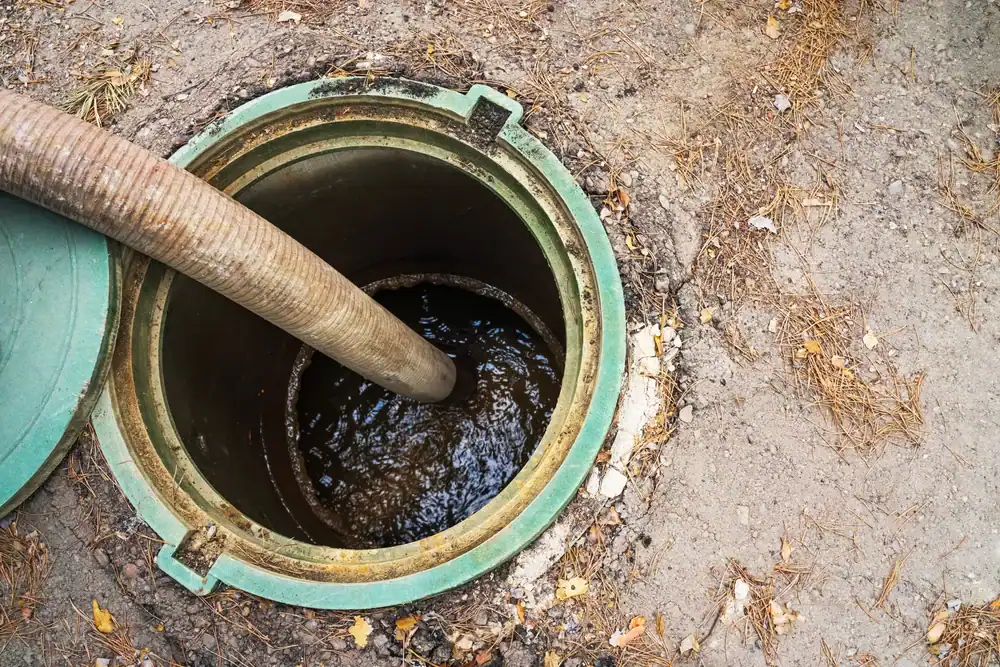
First, we locate your existing main waste line and cesspool. That means more than eyeballing it—we’re checking county records, using locating equipment, and making sure we’re not about to hit a water main or electric line that someone forgot to mark.
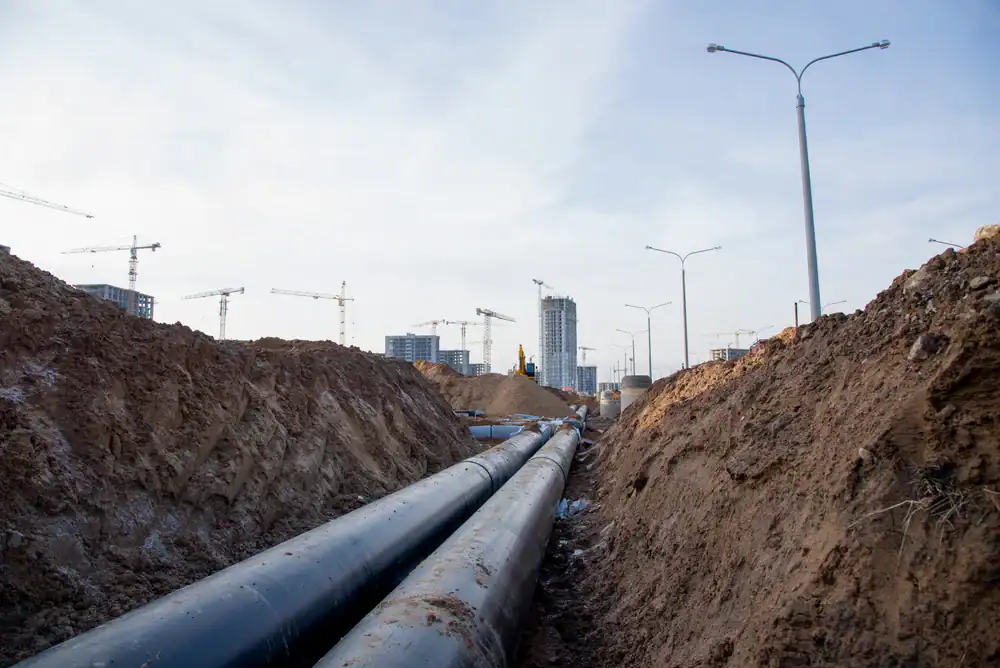
Then comes excavation. We trench to the depth your system needs, accounting for pipe pitch and slope requirements. In East Farmingdale, that usually means going deeper than you’d expect because of how the water table behaves. The goal is gravity-fed flow that doesn’t pool or back up.
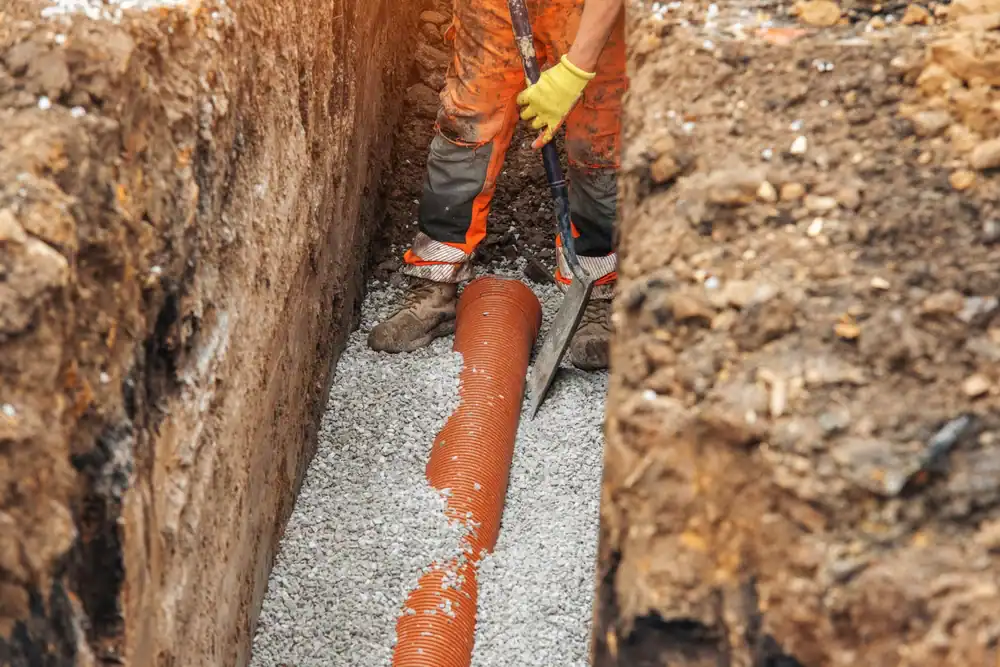
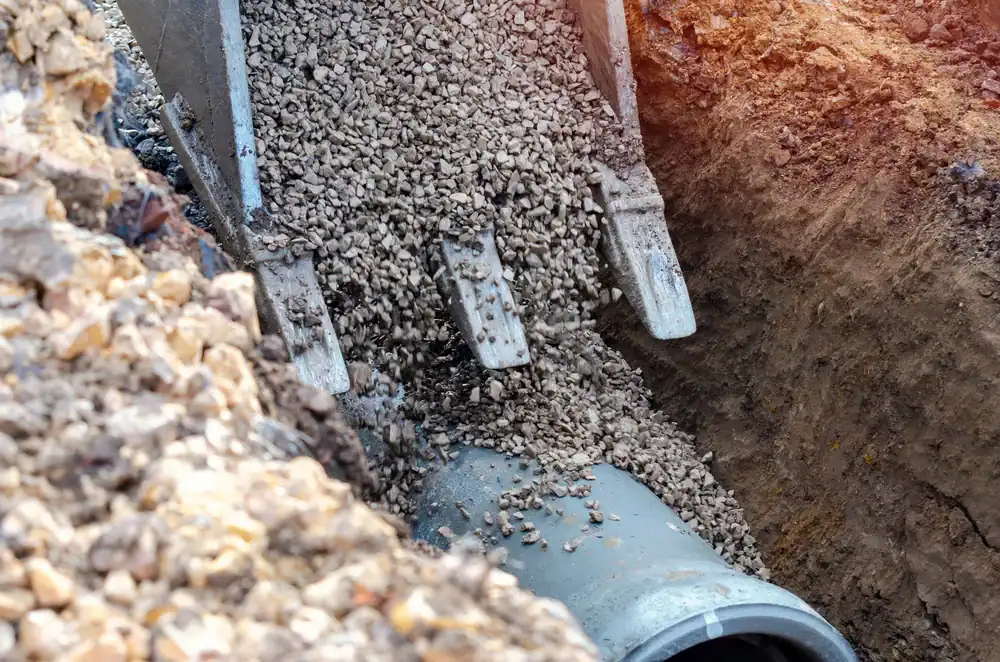
Once the trench is ready, we install the new line with proper bedding material. That’s not just dirt—it’s graded stone that supports the pipe and allows for drainage. We check the slope with a level because even a quarter-inch off over ten feet can cause problems.
After the line is connected to your cesspool, we test it before backfilling. You don’t want to discover a leak after we’ve already buried everything. Once we confirm it’s working, we backfill carefully, compact the soil, and restore your property as close to original condition as possible.
The whole process usually takes one to two days depending on distance and site conditions. You’ll know the timeline before we start.
Ready to get started?
You get a full site assessment before we dig. That includes utility locating, soil evaluation, and a clear explanation of what we’re going to do and why. No surprises once the equipment shows up.
The excavation itself is done with equipment sized for the job—not a massive backhoe that destroys your driveway when a smaller machine would work. We trench to proper depth, install the new main waste line with correct pipe pitch, and make sure the connection to your cesspool is watertight.
In East Farmingdale, we’re also dealing with Suffolk County regulations that got stricter after 2019. If your cesspool is old enough, a line change might trigger inspection requirements or upgrade mandates. We’ll tell you that upfront, not after we’ve already started digging. Some properties near the commercial corridor have additional stormwater rules. Some older residential blocks have easement issues that affect where we can trench.
We handle the permit process, coordinate inspections if needed, and make sure everything is documented properly. You’re not left holding paperwork you don’t understand or dealing with county offices on your own.
After the line is in and tested, we backfill with proper compaction and restore landscaping where we worked. That doesn’t mean we’re landscapers, but we’re not leaving you with a mud trench either.
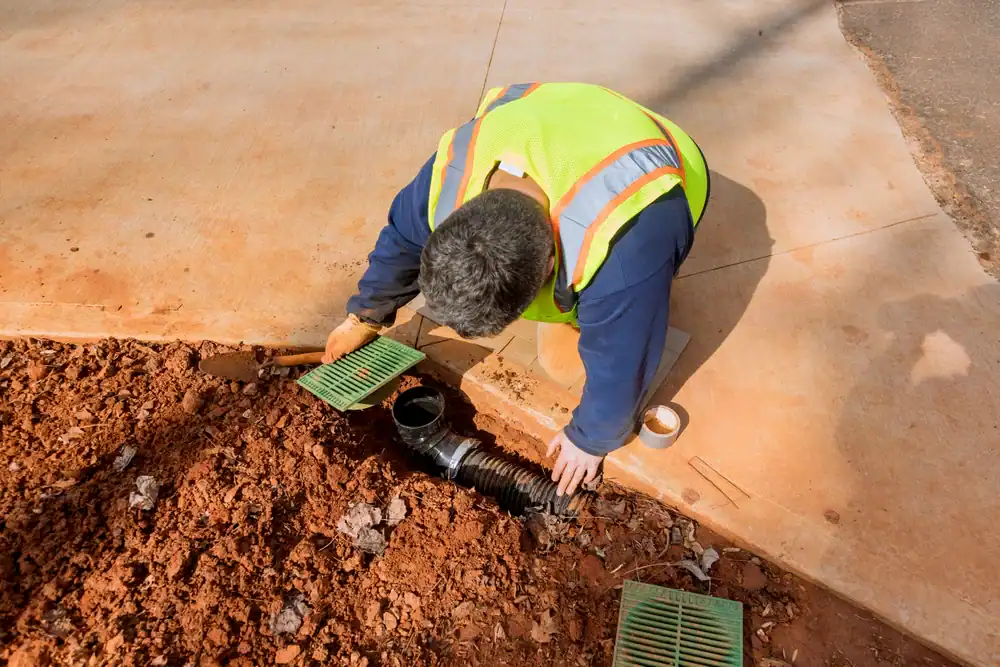
If you’re dealing with repeated backups even after pumping your cesspool, that’s usually a line problem. Same if you’ve got slow drains throughout the house, sewage odors in your yard, or wet spots that won’t dry even when it hasn’t rained.
A repair makes sense when the damage is localized—maybe tree roots cracked one section, or a small area collapsed. But if your main waste line is old cast iron or clay tile, or if you’ve already patched it multiple times, you’re better off replacing the whole run. Patchwork repairs on a failing line just buy you a few months before the next problem.
We can camera-inspect your line to show you exactly what’s happening underground. You’ll see the cracks, the root intrusion, the sagging sections—whatever’s causing the issue. Then you can make an informed decision instead of guessing.
Your main waste line needs to slope between 1/4 inch and 1/2 inch per foot of run. Too flat and waste doesn’t flow—it sits in the pipe and causes backups. Too steep and liquid rushes ahead while solids get left behind, which clogs the line.
In East Farmingdale, soil conditions sometimes require us to adjust depth to maintain that slope, especially if your cesspool is shallow or your house sits higher than the tank. We’re also accounting for frost depth, which is about 36 inches in Suffolk County. If the line is too shallow, winter freezing can crack it.
Proper slope isn’t something you can eyeball. We use a laser level and check it at multiple points during installation. It’s one of those details that doesn’t seem important until your system backs up every other month because someone rushed the job.
Most residential line changes in East Farmingdale take one to two days. That includes excavation, installation, testing, and backfill. If your property has access issues, underground obstacles, or a long run from house to cesspool, it might take three days.
Commercial properties or multi-unit buildings usually take longer because the lines are bigger and the runs are longer. If we hit unexpected problems—like an undocumented utility line or a collapsed section of old pipe—that adds time.
Weather matters too. Heavy rain turns clay soil into a mess that’s hard to work with and even harder to compact properly. We’d rather delay a day than backfill a trench that’s going to settle and sink later. You’ll get a realistic timeline during the estimate, and we’ll keep you updated if anything changes once we’re on site.
If your main waste line runs under your driveway, we’ll need to cut through it—there’s no way around that. But we cut only as much as necessary, and we can coordinate with a paving contractor to repatch it properly if you want.
For landscaping, we trench as narrow as possible and try to route around mature trees and established garden beds when we can. Sometimes the straight shot is through your lawn, and that’s the reality. We’ll restore the grade and reseed, but you’ll see where we worked for a few months until grass grows back.
Trenchless methods exist, but they don’t work for full line replacements or situations where we need to correct the slope. If your line is relatively new and you just have a short damaged section, trenchless repair might be an option. We’ll tell you if that’s feasible during the assessment.
We call 811 before every job to get utility lines marked. That’s not optional—it’s the law, and it’s common sense. But marking services don’t catch everything, especially on older East Farmingdale properties where records are incomplete or lines were installed before documentation requirements existed.
That’s why we also use private locating equipment and dig carefully in areas where utilities are likely. If we do hit something—and it’s rare—we stop immediately, secure the area, and call the utility company. Most utility companies respond quickly for emergencies.
You’re not liable for damage if we’re following proper procedures and the line wasn’t marked. That’s part of why you hire licensed contractors instead of someone with a shovel and a low price. We carry insurance specifically for this, and we know how to handle it without turning your project into a disaster.
Usually, yes. Suffolk County requires permits for most cesspool work, including main waste line replacement. The permit process involves submitting site plans, getting inspections at certain stages, and filing completion reports with the county database.
If your cesspool was installed before 2019 and you’re just replacing the line, the permit process is straightforward. But if your system is old enough or if the work triggers upgrade requirements, you might need to install a compliant septic system instead of reconnecting to a cesspool. That’s a much bigger project with different costs.
We handle the permit application and coordinate inspections so you’re not dealing with the county directly. We’ll also tell you upfront if your property is likely to trigger upgrade requirements. Some homeowners find out mid-project that they can’t just replace their line—they need a whole new system. We make sure you know that before we start digging.
Other Services we provide in East Farmingdale