
Hear from Our Customers
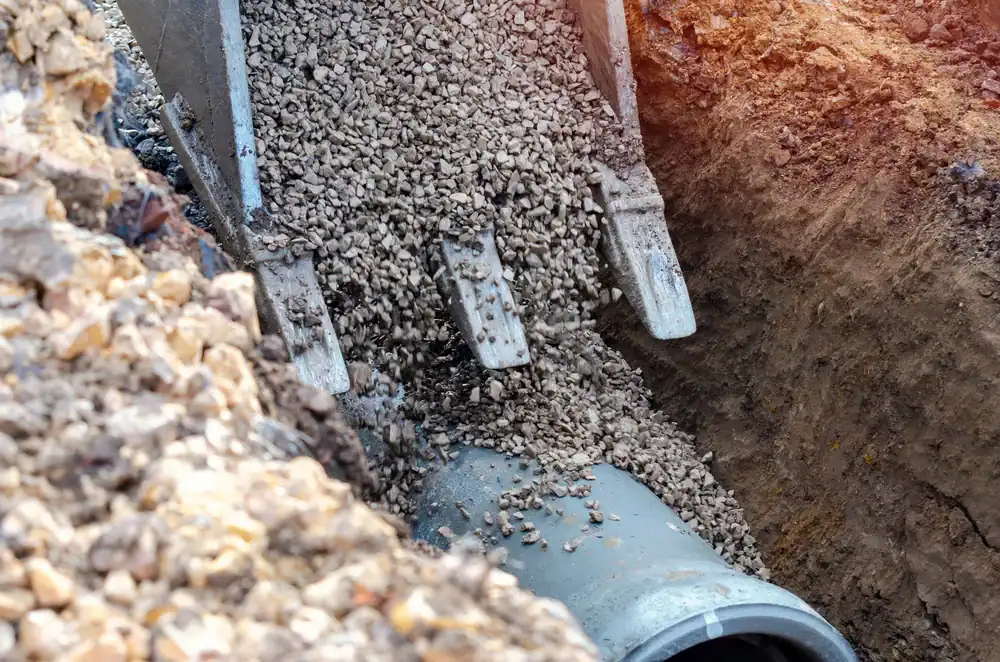
Your main waste line is buried. You can’t see it failing until sewage backs up into your home or your yard turns into a swamp. By then, you’re looking at emergency rates, water damage cleanup, and a mess that could’ve been avoided.
Line changes aren’t just about digging up old pipe. It’s about proper pipe pitch and slope so waste actually flows to your cesspool instead of sitting in the line. It’s about connecting everything correctly so you’re not dealing with the same problem six months later.
Most homes in East Islip were built in the 1950s and 60s. If your pipes are original, they’re past their lifespan. Cast iron corrodes. Clay cracks. Tree roots find every weak spot. You might not see it happening, but it’s costing you every time you flush.
When we replace your main waste line, you get a system that drains properly, doesn’t leak into your soil, and won’t fail during the next heavy rain. That’s the difference between spending money once or spending it every year on patches that don’t hold.
We’ve been handling line changes and cesspool repairs across Long Island for years. We’re licensed, insured, and we’ve seen every type of pipe failure your neighborhood can throw at us.
East Islip sits on soil that shifts between sandy and clay-heavy depending on where you are. That matters when you’re setting pipe slope and choosing materials. We’re not guessing. We know what works here because we’ve done it hundreds of times.
You’re not getting a crew that learned about cesspools last month. You’re getting technicians who understand Suffolk County regulations, know how to handle high water tables, and can tell you exactly what’s wrong before we dig.
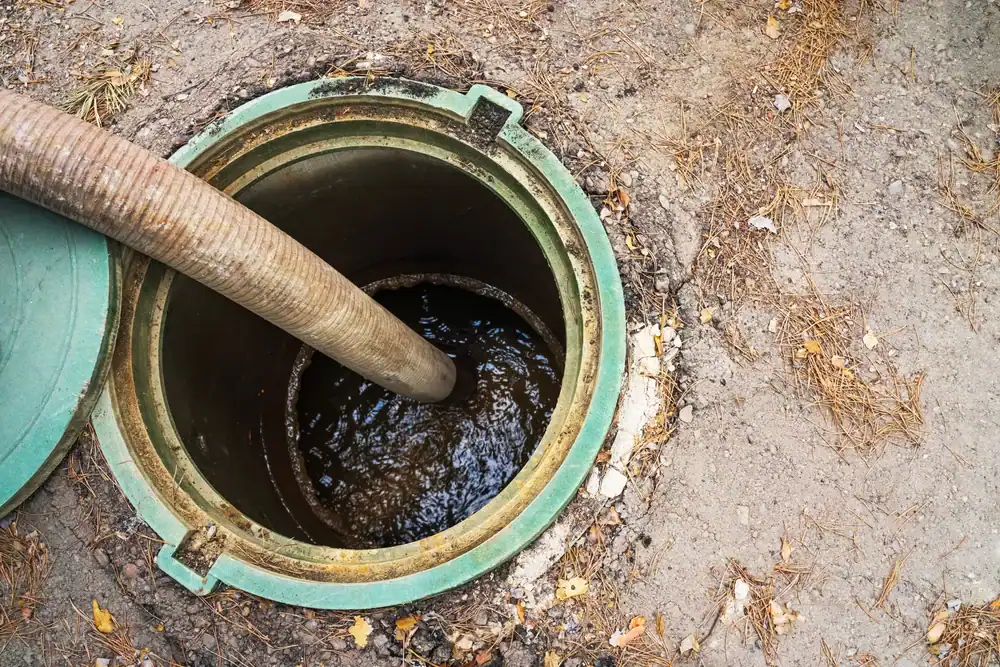
First, we locate your existing main waste line and cesspool. We’re not digging blind. We map everything so we know exactly where to excavate and how deep we need to go.
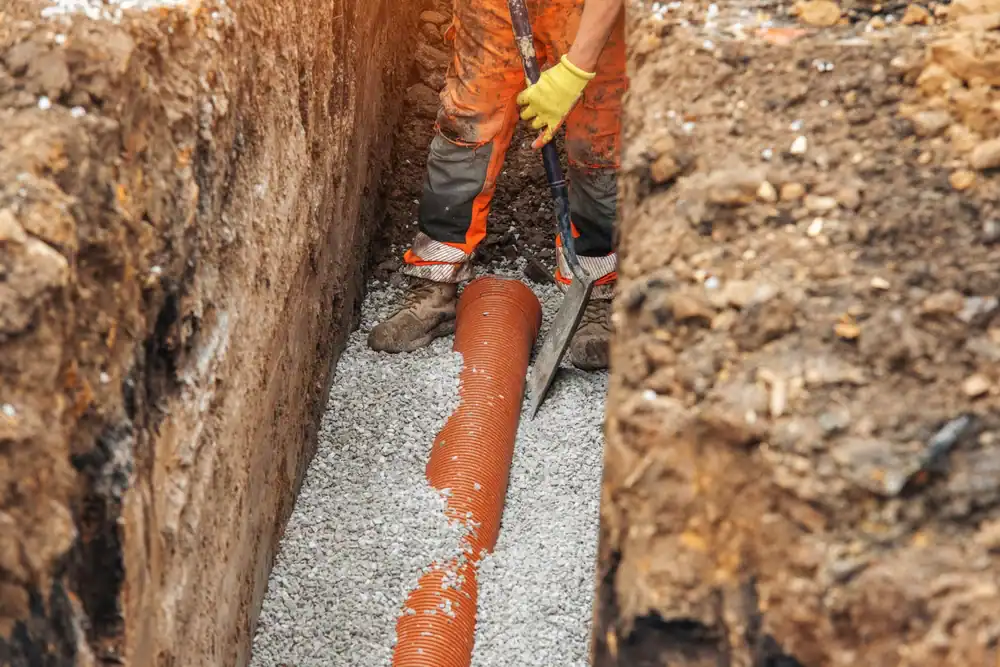
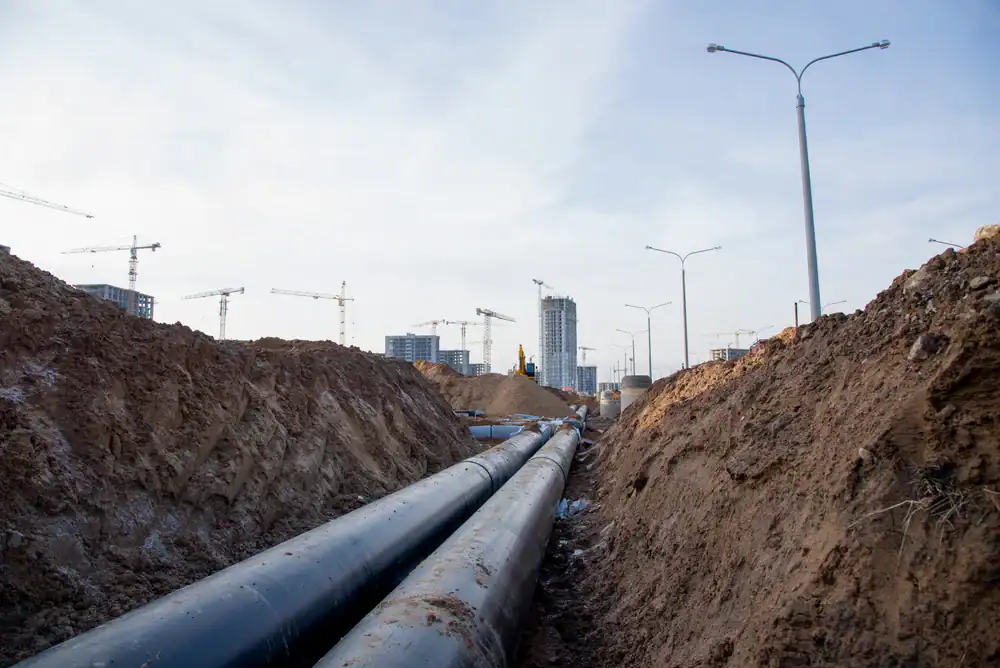
Then comes trenching and excavation. We use backhoes and trenchers sized for residential properties, not massive equipment that destroys your landscaping. The trench follows the path from your home’s main drain to your cesspool, and we dig to the depth needed for proper drainage.
Next is setting the new pipe. This is where pipe pitch and slope matter most. Waste needs a minimum 1/8 inch drop per foot to flow correctly. Too flat and it sits in the line. Too steep and liquids run ahead of solids. We measure and set it right.
We connect your new sewer line to cesspool using proper fittings that won’t leak or separate. Everything gets inspected before we backfill. Once the line is tested and we know it’s draining correctly, we fill the trench, compact the soil, and restore your yard as close to original as possible.
The whole process typically takes one to three days depending on distance and soil conditions. You’ll know the timeline upfront, and we’ll tell you if we hit anything unexpected before we proceed.
Ready to get started?
You get complete main waste line replacement from your home’s foundation to your cesspool. That includes excavation, new pipe installation with correct pitch and slope, proper connections at both ends, and site restoration when we’re done.
We handle the permitting requirements for Suffolk County. East Islip falls under regulations that require licensed contractors for this type of work, and we make sure everything is documented correctly so you don’t have issues down the road.
Most East Islip homes need between 30 and 100 feet of new pipe depending on where your cesspool sits. We use schedule 40 PVC for residential line changes because it lasts 75 to 100 years, doesn’t corrode like cast iron, and handles Long Island’s soil conditions without cracking.
If we find your cesspool is also failing during the line change, we’ll tell you. Sometimes the problem isn’t just the pipe. A collapsed cesspool or saturated drain field means replacing the line won’t solve your backup issues. We’re upfront about what you actually need, not what makes us the most money.
Your yard gets restored with topsoil and seed or sod depending on what was there. We’re not leaving trenches open or piles of dirt in your driveway. The job isn’t done until your property looks like we were never there.
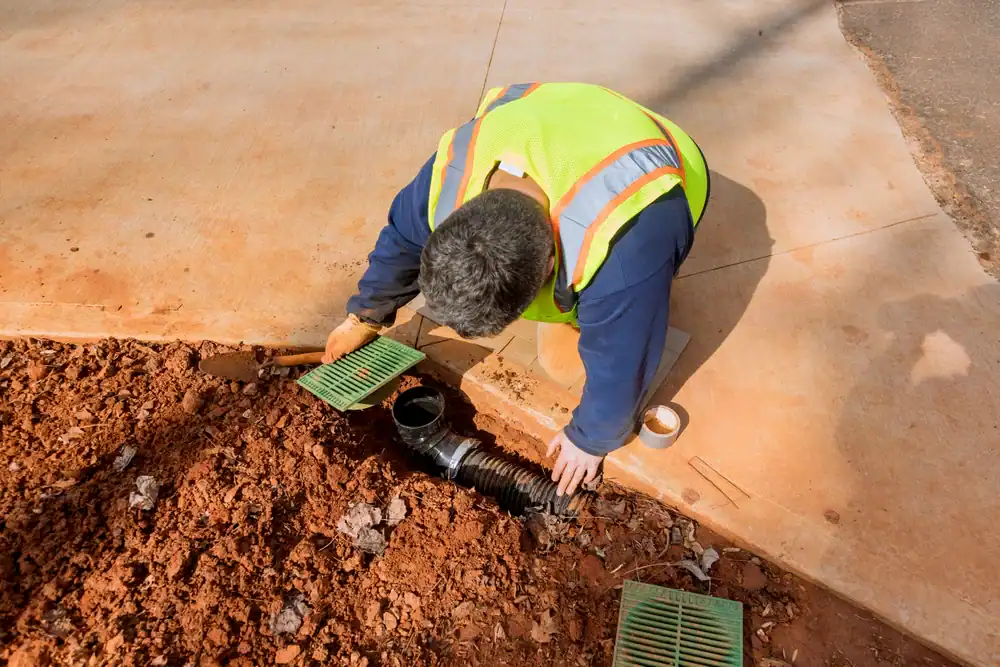
If your main waste line has one crack or root intrusion in a specific spot, a repair might work. But if your pipe is old cast iron or clay that’s been in the ground since the 1950s, you’re likely looking at multiple weak points that will fail one after another.
A camera inspection shows us exactly what’s happening inside your pipe. We can see corrosion, cracks, root damage, and whether the pipe is sagging or holding water. If we’re seeing problems in multiple sections, replacing the whole line saves you from paying for repairs every few months.
Most East Islip homes with original plumbing are past the point where repairs make financial sense. Spending $1,500 on a patch now and another $1,500 in six months costs more than replacing the line once and being done with it. We’ll show you what we’re seeing and let you make the call, but we’re not going to sell you a repair that won’t last.
We stop and talk to you before we do anything else. If your cesspool walls are collapsing or the bottom is saturated and not draining, replacing just the line won’t fix your backup problems. You need to know that before we finish the job and you’re still dealing with sewage issues.
A failing cesspool usually means the surrounding soil is saturated and can’t absorb any more wastewater. That’s common in East Islip where water tables are high and soil conditions vary. Sometimes we can repair the cesspool. Sometimes it needs full replacement. Sometimes you’re looking at converting to a full septic system if Suffolk County regulations require it.
We give you options with upfront pricing for each scenario. You’re not locked into anything until you approve it. If you want a second opinion, that’s fine. We’d rather you understand what you’re dealing with than move forward with a line change that won’t solve the actual problem.
A properly installed PVC line should last 75 to 100 years in East Islip’s soil conditions. That’s assuming it’s set at the correct slope, connected properly at both ends, and not damaged during installation. You’re essentially installing something your grandkids will inherit.
The weak points are usually the connections and any spots where the pipe wasn’t bedded correctly in the trench. That’s why we use proper fittings, not just glued joints that can separate. We also bed the pipe in clean fill, not just backfill with whatever dirt came out of the trench.
Cast iron and clay pipe don’t last that long. Cast iron corrodes from the inside out, especially if you’re using chemical drain cleaners regularly. Clay cracks when soil shifts or tree roots apply pressure. If you’re replacing old pipe with new PVC, you’re making a one-time investment that outlasts the alternative materials by decades.
If your main waste line runs under your driveway, we have to excavate through it. There’s no way around that. We’ll cut the asphalt or concrete cleanly, remove the section we need to access, and restore it after the pipe is installed. You’ll see the patch, but we make sure it’s level and compacted so you’re not dealing with settling later.
For landscaping, we trench as narrow as possible and keep the excavated soil separate from subsoil so we can restore layers correctly. Grass, shrubs, and garden beds get replanted or seeded after we backfill. Most yards recover within a growing season.
If you have specific concerns about mature trees, underground sprinklers, or hardscaping, tell us before we start. We can often adjust the trench path slightly to avoid obstacles, or we’ll let you know if that’s not possible. The goal is to replace your line with minimal disruption, but trenching and excavation always involve some temporary mess. We just make sure it’s temporary.
Most residential line changes in East Islip run between $3,500 and $8,000 depending on distance, depth, and site conditions. A straightforward 50-foot replacement with easy access costs less than a 100-foot run that requires digging through ledge rock or working around mature trees.
We give you a written estimate after we assess your property. That includes excavation, new pipe, connections, backfill, and site restoration. If we hit something unexpected like a high water table or underground utilities that weren’t marked, we’ll discuss it with you before we proceed. No surprise charges after the fact.
Paying for a line change feels expensive until you compare it to emergency cesspool service at $1,200 plus water damage restoration at $5,000 plus a full system replacement at $20,000 when everything fails at once. Replacing a failing line now costs a fraction of what you’ll spend if you wait until it collapses completely. That’s not a sales pitch. That’s just how the math works.
If your line is actively backing up or you’re seeing sewage in your yard, waiting isn’t an option. You’re dealing with a health hazard and potential property damage that gets worse every day. Emergency line changes cost more because we’re working under pressure, and you don’t have time to compare options.
If you’re seeing warning signs like slow drains, gurgling toilets, or wet spots in your yard but nothing catastrophic yet, you have some time. Fall and winter are actually good seasons for this work in East Islip because the ground isn’t frozen yet and contractors aren’t slammed with spring rush jobs. You’ll get scheduled faster and often save money compared to peak season pricing.
Frozen ground makes excavation harder and more expensive. If we’re into January or February and your line is failing, you’re looking at higher costs because the equipment works slower and we might need to bring in additional tools. Get it done before the ground freezes if you can. If you can’t, we’ll still handle it, but your wallet won’t thank you.
Other Services we provide in East Islip