
Hear from Our Customers
You’re not looking for a temporary patch job. You need your waste system working reliably so you can stop worrying about sewage backing up into your home, stop smelling that unmistakable odor around your property, and stop wondering when the next failure is coming.
Proper line changes mean your toilets flush without hesitation. Your drains clear fast. Your property stays dry where it should be dry, and you’re not calling for emergency service every few months because someone cut corners on pipe pitch or used the wrong materials for coastal conditions.
When the work is done right, you’re not thinking about your cesspool system at all. That’s exactly how it should be. Your waste goes where it’s supposed to go, your system handles your household’s daily use without complaint, and you’ve got one less thing demanding your attention and your money.
We’ve been handling line changes and cesspool work across East Marion and Long Island for years. We’re licensed and insured, which matters more than you might think when you’re dealing with Suffolk County health department regulations and permits that need to pass inspection the first time.
East Marion’s sandy coastal soil behaves differently than soil even a few miles inland. It shifts, it drains fast, and it requires specific installation techniques to keep your sewer line to cesspool connection stable for decades. We’ve worked with these conditions long enough to know what fails and what lasts.
You’re working with contractors who show up when scheduled, explain what needs to happen before we start digging, and charge exactly what we quoted. No surprises, no runaround.
First, we assess your current system to determine exactly where the failure is happening and what’s causing it. Sometimes it’s a separated connection between your house line and cesspool. Sometimes the pipe pitch is wrong and waste isn’t flowing properly. Sometimes the entire main waste line needs replacement because it’s collapsed or root-damaged beyond repair.
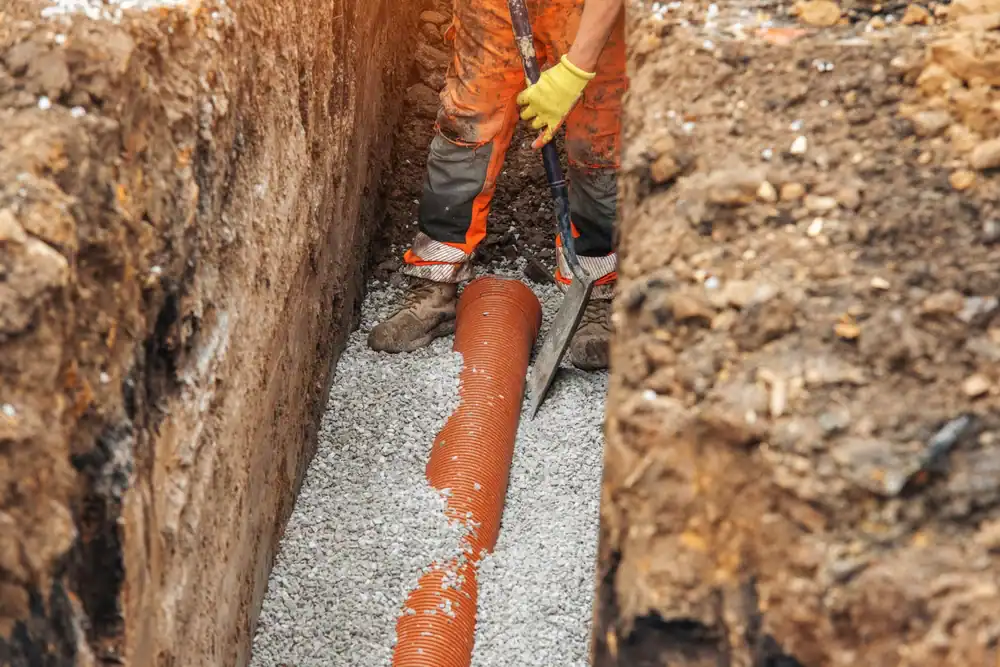
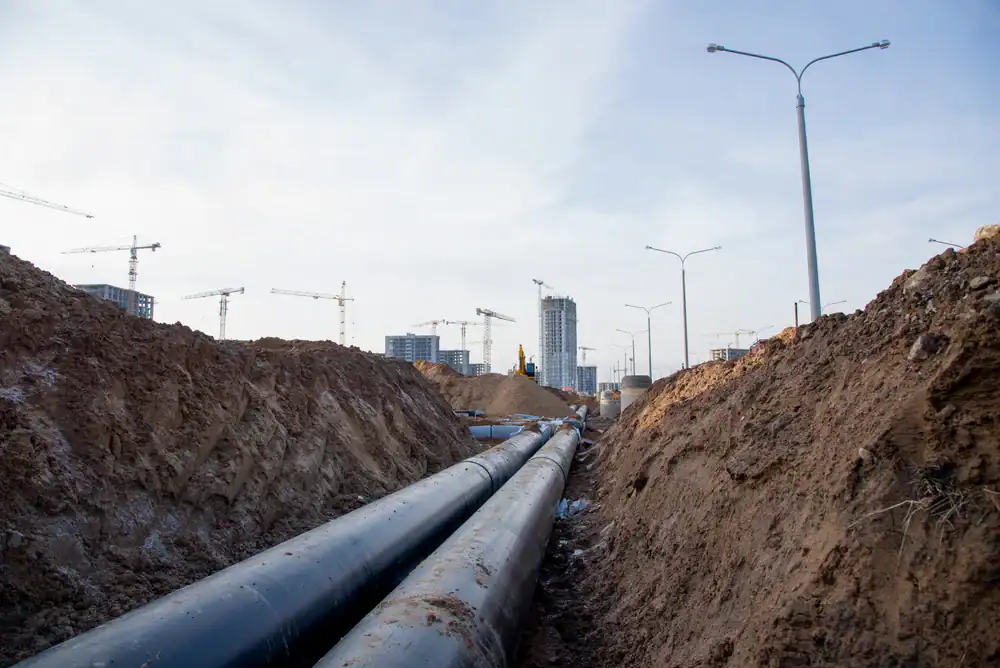
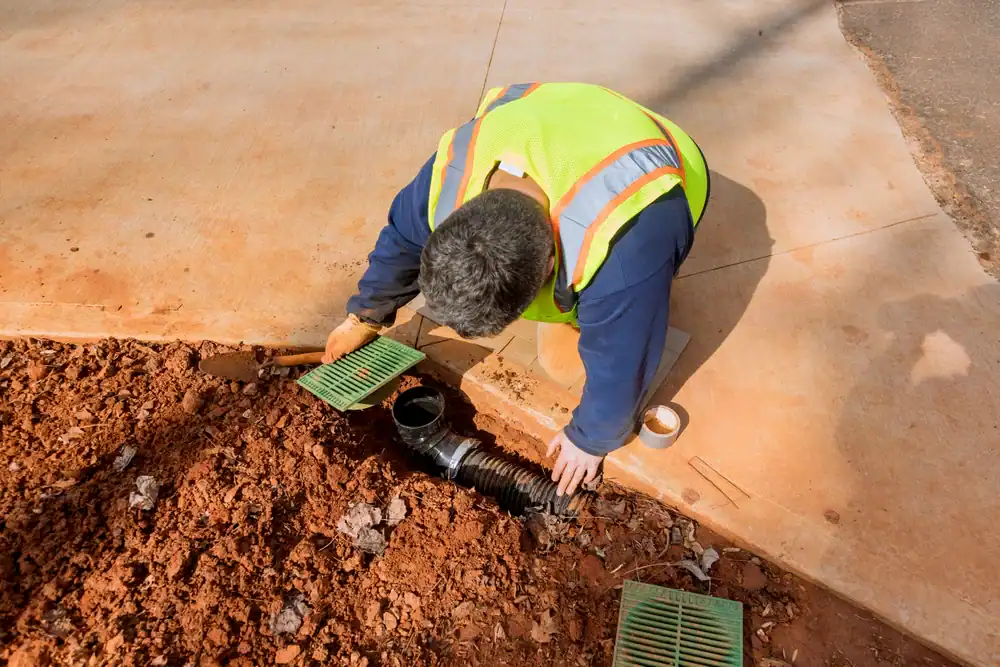
Once we know what you’re dealing with, we handle the Suffolk County permits and schedule the work. Then comes trenching and excavation, which we do carefully to avoid damaging other utilities or structures on your property. We remove the failed sections and install new lines with proper slope and grade so gravity does its job moving waste toward your cesspool.
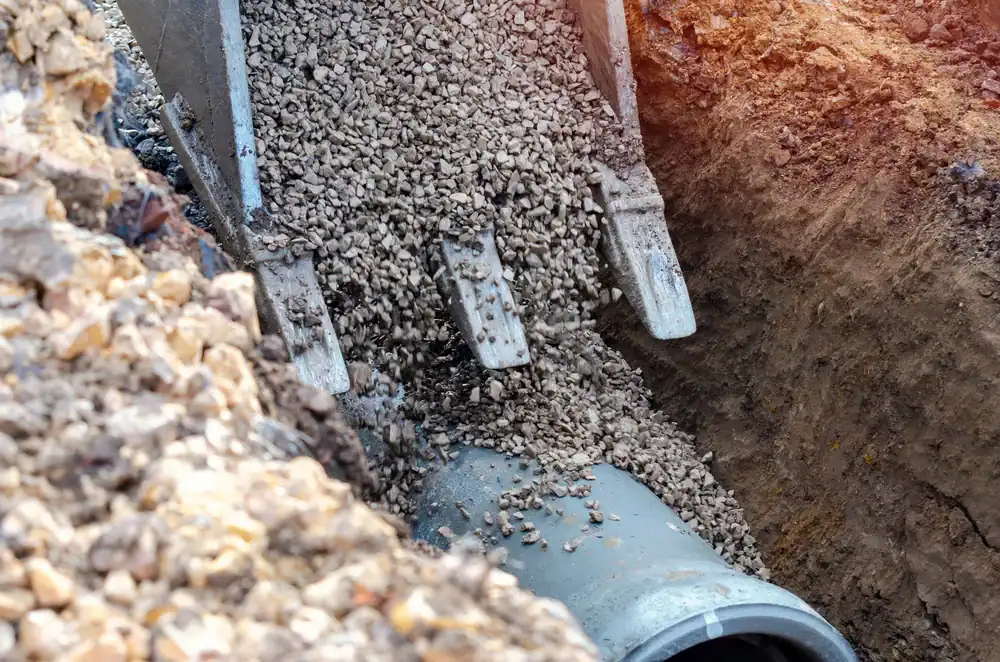
The new sewer line to cesspool connection gets tested before we backfill. We verify the pipe pitch is correct, check all joints and seals, and make sure everything flows the way it should. Then we backfill with graded stone around the pipes and restore your property surface. The final step is the county inspection, which we schedule and attend to make sure everything passes and your system is fully approved and legal.
Ready to get started?
Your line changes service includes permit handling, trenching and excavation, removal of failed pipes, installation of new lines with correct pipe pitch and slope, proper connection to your cesspool, backfill and site restoration, and final inspection coordination. We’re handling the entire job from paperwork to passing inspection.
East Marion’s coastal location creates specific challenges you won’t find everywhere on Long Island. The sandy soil drains rapidly, which sounds good until you realize it also shifts and settles differently than heavier soils. Your new lines need to be installed with this in mind, using techniques that account for seasonal ground movement and the way water moves through coastal properties.
We’re also dealing with a mix of year-round homes and seasonal properties in East Marion. If you’re a summer home owner, your usage patterns are different, and your system experiences different stress cycles than a home occupied all year. We factor this into how we size and install your new lines so they handle peak usage without failing when you need them most.
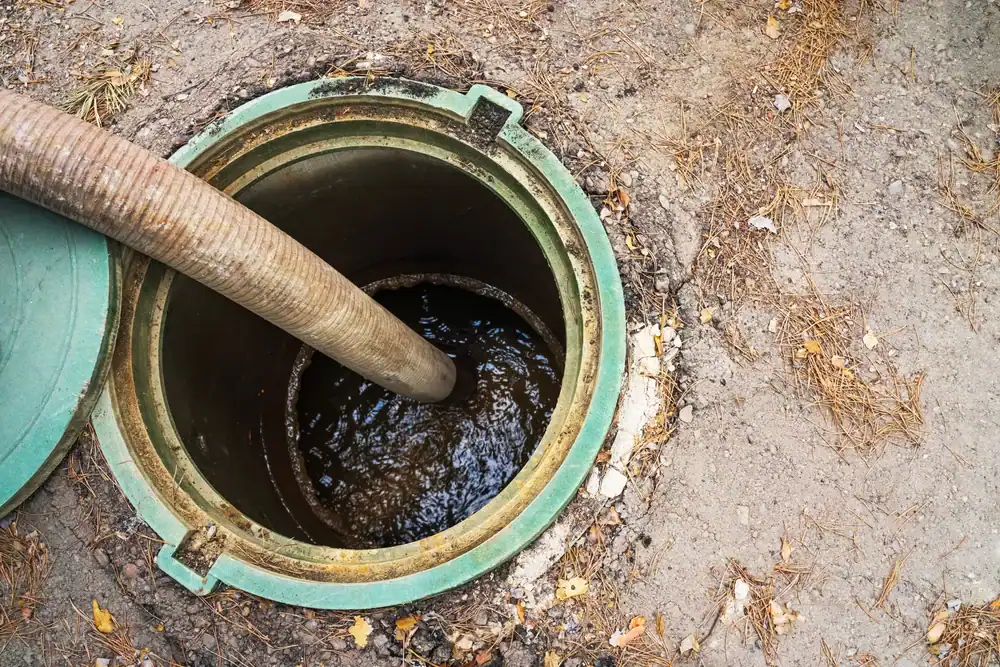
The equipment we use matters too. Modern excavation tools let us work efficiently without tearing up more of your property than necessary. Our trucks are equipped to handle waste removal properly if we need to pump your cesspool during the work, and everything gets disposed of at licensed facilities, never dumped illegally.
If you’re experiencing repeated backups even after pumping your cesspool, that’s usually a line problem, not a tank problem. When waste isn’t flowing from your house to your cesspool properly, pumping the tank won’t fix anything because the issue is in the pipes connecting the two.
Other signs pointing to line changes include sewage odors outside near where your lines run, wet or soggy spots in your yard along the pipe path, or gurgling sounds from multiple drains when you use water. These indicate your sewer line to cesspool connection is compromised, either from pipe failure, incorrect slope, or separation at connection points.
Sometimes a camera inspection can show whether a repair is possible or if you need full replacement. But if your system is over 20 years old and you’re having problems, line changes are usually the smarter move. Patching old pipes in sandy coastal soil often just delays the inevitable and costs you more in the long run when the next section fails six months later.
Gravity is doing all the work moving waste from your house to your cesspool. If the slope isn’t right, waste moves too slowly or not at all, and you get buildup, clogs, and backups. The standard is typically a quarter-inch drop per foot of pipe, but East Marion’s sandy soil sometimes requires adjustments to this.
Too steep is also a problem. If your main waste line drops too fast, liquid waste rushes ahead and solid waste gets left behind, creating clogs. The pitch needs to be consistent along the entire run, which is harder to achieve in coastal soil that shifts and settles over time.
This is why proper trenching and excavation matter during line changes. We’re not just digging a ditch and dropping in pipe. We’re creating a stable base, setting the correct grade, and installing your new lines so they maintain proper slope even as the ground around them moves slightly with seasonal changes and water table fluctuations that happen in coastal areas.
Suffolk County health department requires permits for any cesspool work that involves new installation or major changes to existing systems. Line changes fall into this category because you’re modifying how waste moves through your property and connects to your cesspool.
The permit process includes submitting plans that show your property layout, where the new lines will run, the pipe sizing and materials, and how everything connects to your existing cesspool. The health department reviews this to make sure you’re meeting current codes for proper waste treatment and protecting Long Island’s underground aquifer, which is the drinking water supply for the region.
We handle this entire process as part of your line changes service. You don’t need to figure out what forms to file or what the current regulations require. We submit everything, schedule the required inspections, and make sure your new system passes so you’re fully legal and compliant. Trying to do this work without permits creates serious problems if you ever sell your property or if the county discovers unpermitted work.
Most residential line changes in East Marion take one to three days depending on the distance from your house to your cesspool, how much pipe needs replacement, and what we encounter during excavation. Sandy soil is easier to dig than clay or rocky soil, which works in your favor for timeline and cost.
The actual trenching and excavation usually happen in a few hours with modern equipment. Installing the new lines with proper pitch, making all connections, and testing everything takes longer because we’re being precise about slope and making sure every joint is sealed correctly. Then backfilling and site restoration add time, but we’re not leaving your property torn up.
Weather can affect the timeline if we get heavy rain during the work. Trenches in sandy soil can collapse or fill with water, which means we need to wait for things to dry out before we can continue safely. We’ll give you a realistic timeline before we start and keep you updated if anything changes during the job.
Age is the biggest factor. Pipes that have been in the ground for 20, 30, or 40 years eventually fail from corrosion, ground movement, or root intrusion. East Marion’s coastal environment accelerates this because salt air and sandy soil create conditions that stress pipe materials differently than inland locations.
Incorrect installation is another common cause. If your original lines were installed without proper pitch, or if corners were cut on materials or backfill, you’re dealing with a system that was never quite right and has gotten worse over time. Connections between your house line and cesspool can separate as sandy soil shifts, creating gaps where waste backs up instead of flowing through.
Tree roots seek out any moisture source, and your waste lines are attractive targets. Even small cracks or imperfect joints let roots in, and once they’re inside your pipes, they grow and create complete blockages. You’ll notice this as recurring clogs that temporarily clear with snaking but come back quickly. The only real fix is line changes that remove the root-damaged sections and install new pipes that roots can’t penetrate.
No, and attempting it creates legal and practical problems that will cost you far more than hiring licensed contractors from the start. Suffolk County requires licensed professionals for cesspool work, including line changes. DIY installation won’t pass inspection, won’t get permits, and puts you on the hook for fines and mandatory corrections.
Beyond the legal issues, there’s real expertise required to install lines correctly in East Marion’s sandy coastal soil. Getting the pipe pitch right, choosing appropriate materials, creating stable trenches that won’t collapse, making watertight connections, and understanding how seasonal ground movement affects your system—these aren’t things you figure out from a weekend of online research.
If you install lines incorrectly, you’re creating health hazards for your family and environmental contamination that affects your neighbors and the local aquifer. When you eventually sell your property, unpermitted work gets discovered during inspections and either kills the sale or forces you to pay for complete replacement by licensed contractors anyway, except now you’ve wasted money on the failed DIY attempt plus you’re doing it on the buyer’s timeline with pressure to close the sale.
Other Services we provide in East Marion