
Hear from Our Customers
You’re not just replacing a pipe. You’re eliminating the risk of sewage backing up into your home at the worst possible time.
When your sewer line to cesspool connection fails, it doesn’t give you a convenient warning. It shows up as slow drains, then standing water, then a full backup that can cost thousands in emergency repairs and property damage. Fixing it now means you’re not dealing with raw sewage in your basement during a holiday dinner or scrambling to find a plumber at 2 AM on a Sunday.
The difference between a scheduled line change and an emergency repair isn’t just money. It’s the difference between controlling the situation on your terms and having your week completely derailed by a crisis that could have been prevented. Proper pipe pitch and slope installation means waste flows the way it should, every time, without the constant worry that your system is one flush away from disaster.
We’ve been handling line changes and cesspool work in East Meadow for four generations. That’s not a marketing line—it’s Tommy and his crew who’ve been doing this work in Nassau County long enough to know exactly what East Meadow’s sandy soil and high water table do to cesspool systems.
We’re licensed, insured, and we show up when we say we will. Most emergency calls get a response within 30 minutes because we know cesspool failures don’t wait for business hours. We’re not the biggest operation on Long Island, but we’re local, and we’ve built our reputation on doing the work right the first time so you’re not calling us back six months later with the same problem.
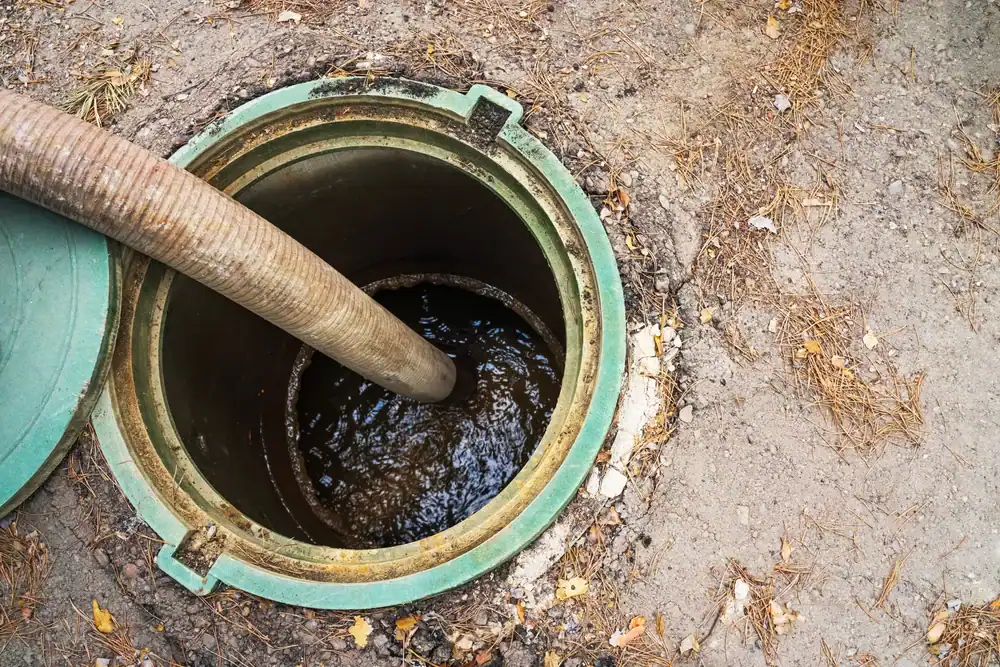
We start with an assessment of your current system. That means looking at where the failure is, what caused it, and whether you need a full line replacement or if there’s a more targeted fix that makes sense.
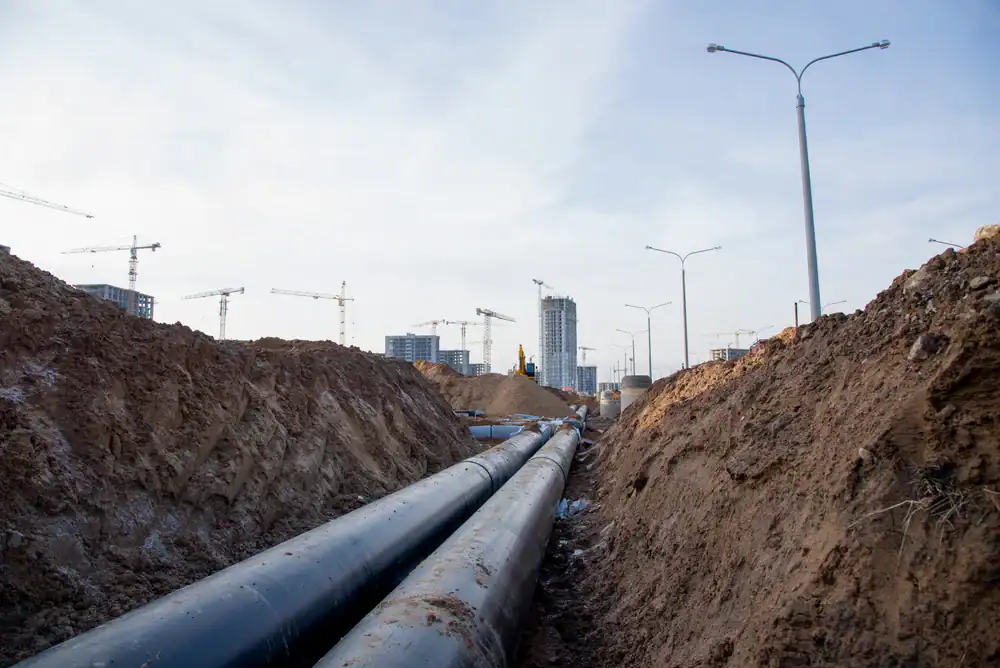
Once we know what you’re dealing with, we map out the trenching and excavation work. In many cases, we can use trenchless methods that save your landscaping and cut down on the disruption to your property. If we need to dig, we’re doing it with the right equipment and the experience to get proper depth and slope so your new line actually works the way it should.
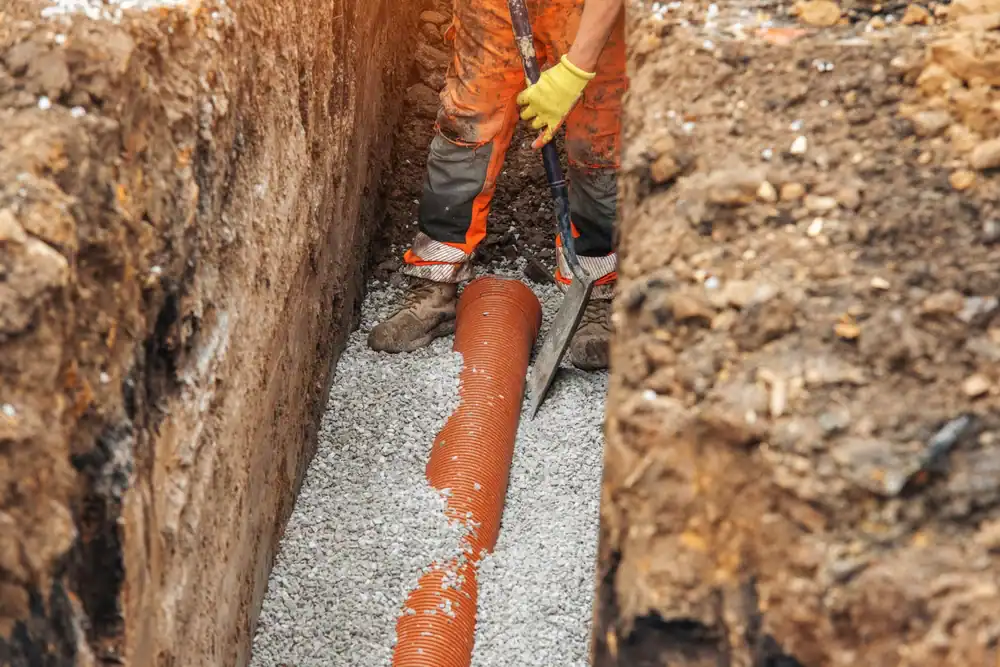
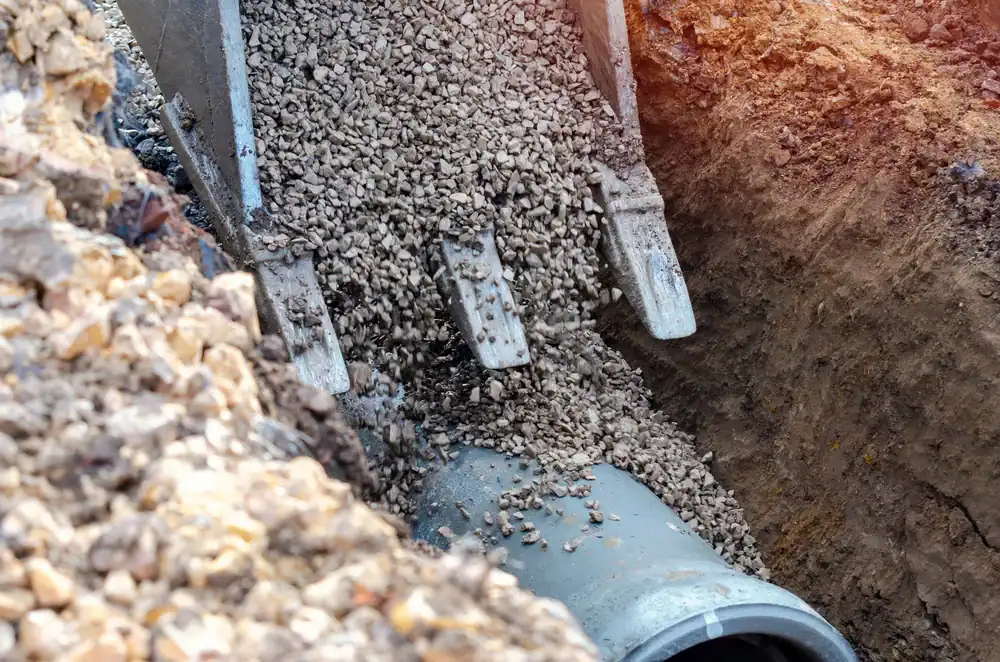
The installation itself focuses on getting the pipe pitch right. That’s not something you eyeball—it requires precision so gravity does its job and waste flows toward your cesspool without pooling or backing up. We backfill properly, compact the soil, and make sure the connection between your main waste line and cesspool is sealed and secure.
After the work is done, we test the system and walk you through what we did. You’re not getting a bill and a handshake—you’re getting an explanation of what was wrong, how we fixed it, and what you should keep an eye on going forward.
Ready to get started?
A proper line change isn’t just swapping out a broken pipe. It’s about addressing the root cause so you’re not back in the same situation a year from now.
That means checking the slope and pitch of your entire line, not just the section that failed. It means making sure your trenching is deep enough to avoid frost heave and shallow enough to avoid your water table issues. In East Meadow, that water table sits high, and if your installer doesn’t account for that, you’re looking at premature failure and standing water where you don’t want it.
We also handle the compliance side. Nassau County has strict regulations about cesspool systems, and if your line change involves any modifications to your cesspool or septic setup, we make sure you’re not getting hit with fines down the road. Some properties qualify for grant money—up to $20,000 in Nassau County—and we’ll walk you through that process if it applies to your situation.
You’re also getting transparency on what the job actually costs. No hidden fees for showing up, no surprise charges because we “found something else” halfway through. The estimate we give you is what you pay unless you approve a change.
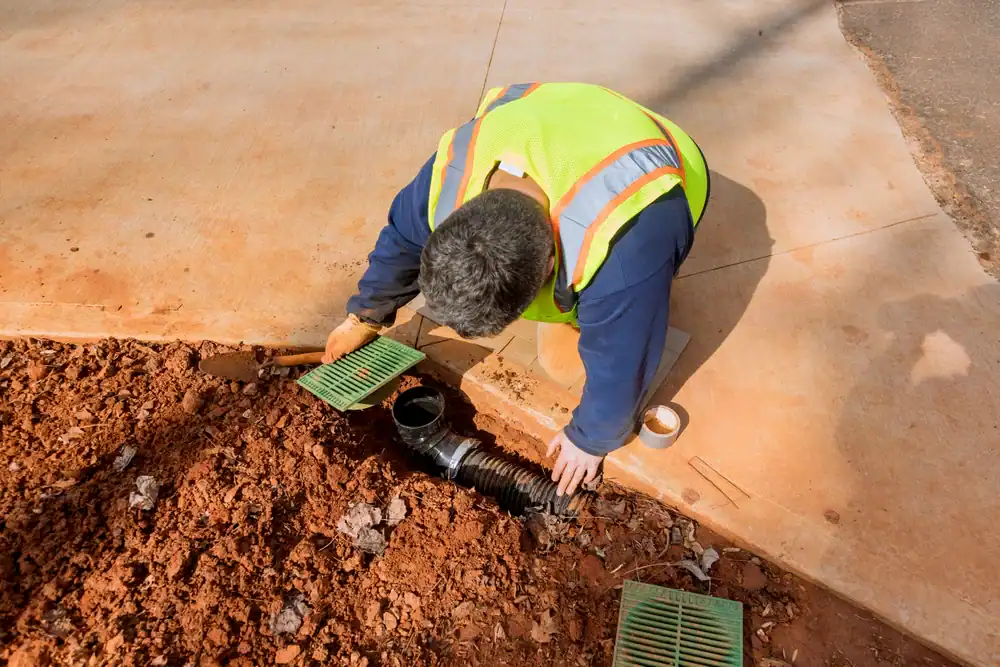
If you’re seeing repeated backups, slow drains throughout the house, or wet spots in your yard near the line, you’re likely past the point where a patch job makes sense. A repair works when the damage is localized—a single crack or a root intrusion in one spot that we can access and fix without tearing up your whole system.
A full line change makes sense when the pipe has multiple failure points, when the slope is wrong and causing chronic backups, or when the line is old enough that fixing one section just means another section fails in six months. Cast iron and clay pipes that have been in the ground for decades tend to fail in stages, and at a certain point you’re throwing money at a losing battle.
We’ll assess your system and tell you honestly what makes sense. If a repair buys you another ten years, we’ll say that. If you’re looking at a full replacement within the next year or two anyway, we’ll tell you that too so you can make the call that fits your budget and timeline.
Traditional line replacement means we’re digging a trench from your house to your cesspool, removing the old pipe, and installing a new one. That works, but it also means tearing up your landscaping, your driveway if the line runs under it, and dealing with the restoration work afterward.
Trenchless replacement uses existing access points to pull a new liner through the old pipe or to burst the old pipe and replace it without a full trench. It’s faster, less disruptive, and in many cases less expensive because you’re not paying for excavation and restoration. The downside is it doesn’t work for every situation—if your line has collapsed or if the slope is fundamentally wrong, we need to dig to fix it properly.
We’ll evaluate your property and your line condition and recommend the approach that actually solves the problem. Trenchless is great when it works, but it’s not a magic bullet, and we’re not going to sell you on it if traditional excavation is the better long-term fix.
Most residential line changes in East Meadow take one to three days depending on the length of the run, the access we have, and whether we’re using trenchless methods or traditional excavation. A straightforward replacement with good access and no complications can be done in a day.
If we’re dealing with a line that runs under a driveway, or if we hit unexpected issues like a high water table that requires dewatering, or if there are utility conflicts we need to work around, it can stretch to two or three days. We’re not rushing the job to hit a timeline—we’re making sure the slope is right, the connections are solid, and the backfill is compacted properly so you’re not dealing with settling and sagging pipes a year from now.
We’ll give you a realistic timeline upfront based on what we see during the assessment. If something changes during the job, we’ll let you know immediately so you’re not left wondering why we’re still there on day three.
East Meadow’s sandy soil and high water table are the two biggest factors. Sandy soil doesn’t provide much support, so if your line wasn’t bedded properly during installation, it can shift and develop low spots where waste pools instead of flowing. That leads to clogs, backups, and eventually pipe failure.
The high water table means your pipes are often sitting in saturated soil, which accelerates corrosion in metal pipes and can cause joint separation in older clay or concrete pipes. Tree roots are another major issue—they seek out water, and a sewer line is a perfect target. Once roots get into a joint or a crack, they expand and cause more damage until the line fails completely.
Age is also a factor. If your home was built before the 1980s and the line has never been replaced, you’re likely dealing with materials that weren’t designed to last 40-plus years in these soil conditions. Cast iron corrodes, clay cracks, and even early PVC can become brittle over time.
Yes. Any work that involves replacing or modifying your sewer line or cesspool connection requires a permit from Nassau County. That’s not red tape—it’s how the county ensures the work meets code and doesn’t create environmental or health hazards.
We handle the permit process as part of the job. That includes submitting the plans, coordinating inspections, and making sure everything is documented properly so you’re not dealing with issues if you ever sell the property. Unpermitted work can come back to haunt you during a home sale, and it can also mean fines if the county finds out.
Nassau County has also tightened regulations around cesspools and septic systems because of nitrogen pollution affecting Long Island’s water supply. If your system is old enough, you may eventually need to upgrade to an innovative alternative onsite wastewater treatment system. We’ll let you know if that applies to your property and what grant programs are available to offset the cost—Nassau County offers up to $20,000 for qualifying upgrades.
Cost depends on the length of the run, the depth of the line, the access we have, and whether we’re using trenchless or traditional methods. A typical residential line change in East Meadow runs anywhere from $3,000 to $10,000, with most jobs falling in the $4,000 to $7,000 range.
Trenchless methods tend to be on the lower end because there’s less labor and restoration involved. Traditional excavation costs more if we’re tearing up landscaping, driveways, or dealing with difficult access. If your line runs under a concrete patio or if we need to coordinate with utility companies because your line is near gas or water mains, that adds to the cost.
We give you a written estimate after we assess your property. That estimate breaks down what you’re paying for—materials, labor, permits, restoration—so you know exactly where your money is going. If you’re comparing quotes, make sure you’re comparing apples to apples. The cheapest bid often skips steps like proper bedding, compaction, or permit compliance, and that comes back to cost you more when the line fails again.
Other Services we provide in East Meadow