
Hear from Our Customers
Your drains empty the way they should. No slow backups in the shower. No sewage smell creeping into your basement when it rains.
When your main waste line to the cesspool is properly pitched and the connections are solid, wastewater flows where it’s supposed to go. You’re not calling plumbers every six months. You’re not dealing with standing water in your yard or raw sewage surfacing near your tank.
Most homes in East Patchogue were built in the 50s and 60s. Those original clay or cast iron pipes weren’t designed to last forever. Tree roots crack them. Ground shifts. Joints separate. What starts as a slow drain turns into a full backup, and suddenly you’re looking at emergency excavation during a holiday weekend.
Fixing your sewer line before it collapses saves you thousands. A planned line change with proper trenching and excavation costs a fraction of what you’ll pay when the system fails completely and you’re forced into a full cesspool replacement under Suffolk County’s current regulations.
We’ve been handling cesspool and septic work on Long Island for nearly two decades. We’re a four-generation family operation, which means we’ve seen every type of system, every type of failure, and every shortcut that comes back to haunt homeowners.
We know East Patchogue. We know the soil conditions, the water table issues, and the older systems that are still limping along in neighborhoods off Montauk Highway. We also know Suffolk County’s regulations inside and out, which matters more now than ever since the 2019 cesspool installation ban.
When we dig, we do it right. Licensed, insured, and equipped with video inspection technology so we’re not guessing about what’s broken underground.
We start with a video camera inspection of your existing pipes. That shows us exactly where the problem is—whether it’s a root intrusion, a collapsed section, or a connection that’s separated from the tank. No guessing, no unnecessary digging.
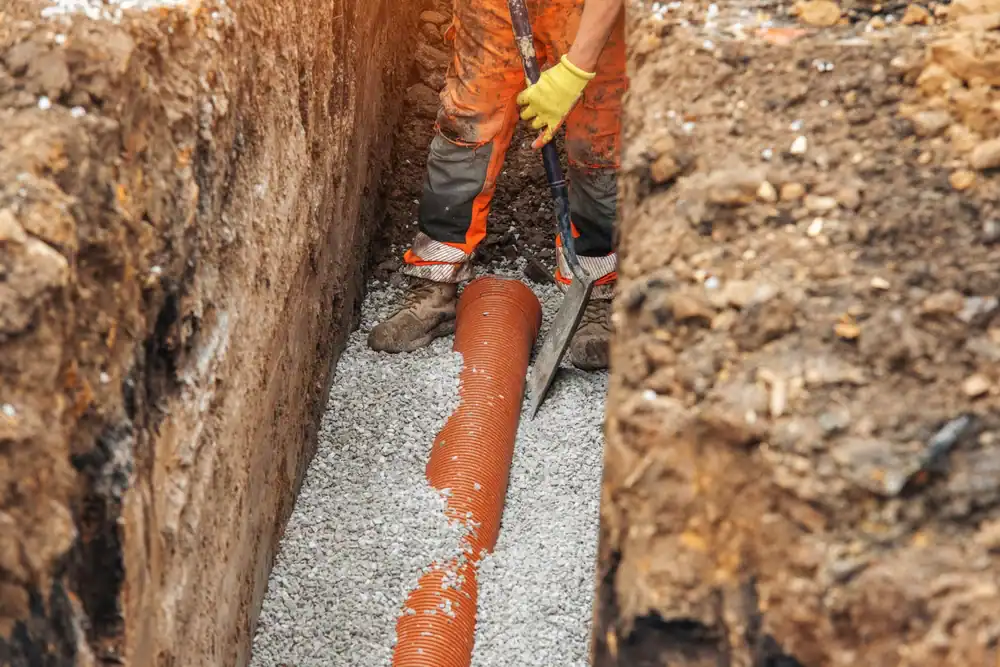
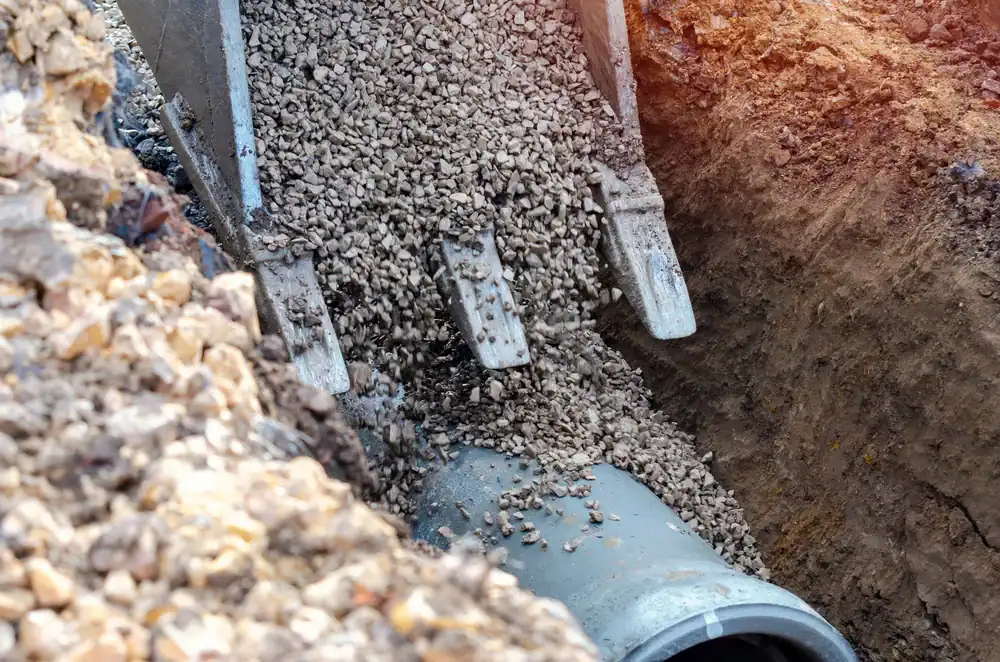
Once we know what’s broken, we map out the excavation. Trenching and excavation are done carefully to avoid damaging your landscaping more than necessary. We expose the damaged section, remove the old pipe, and install new PVC lines with the correct pitch and slope so wastewater flows properly.
The new sewer line gets connected to your cesspool with proper fittings and sealed joints. Everything is inspected before we backfill. If permits are required, we handle that too.
You’re left with a system that works. The whole process usually takes one to two days depending on how much line needs replacing and how deep we have to dig. You’ll know the cost upfront, and there won’t be surprise charges when we hit clay or groundwater.

Ready to get started?
You get a full video inspection before we dig so you see exactly what’s failing. You get proper excavation that doesn’t destroy your entire yard. You get new PVC pipe installed at the correct slope so waste actually flows downhill instead of pooling in low spots.
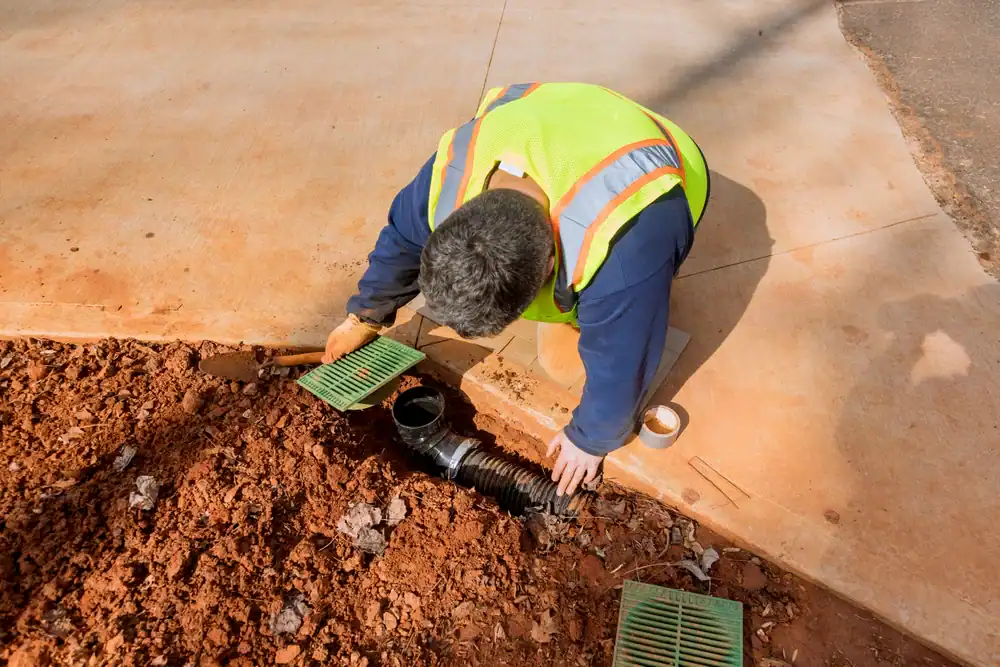
We handle the connection from your house to the cesspool, making sure every joint is sealed and every section is supported properly. If your old lines are shallow or poorly pitched, we fix that. If tree roots have been the problem, we route around them or remove what’s necessary.
In East Patchogue, you’re also dealing with a high water table in some areas and sandy soil in others. We adjust our approach based on your property. That might mean deeper trenching, additional bedding material, or reinforced connections where the ground shifts seasonally.
Everything gets backfilled and compacted so you’re not left with sinkholes six months later. We haul away the old pipe and any contaminated soil. If your system qualifies for county upgrade programs, we provide the documentation you need to apply for grants that cover up to 75% of replacement costs.
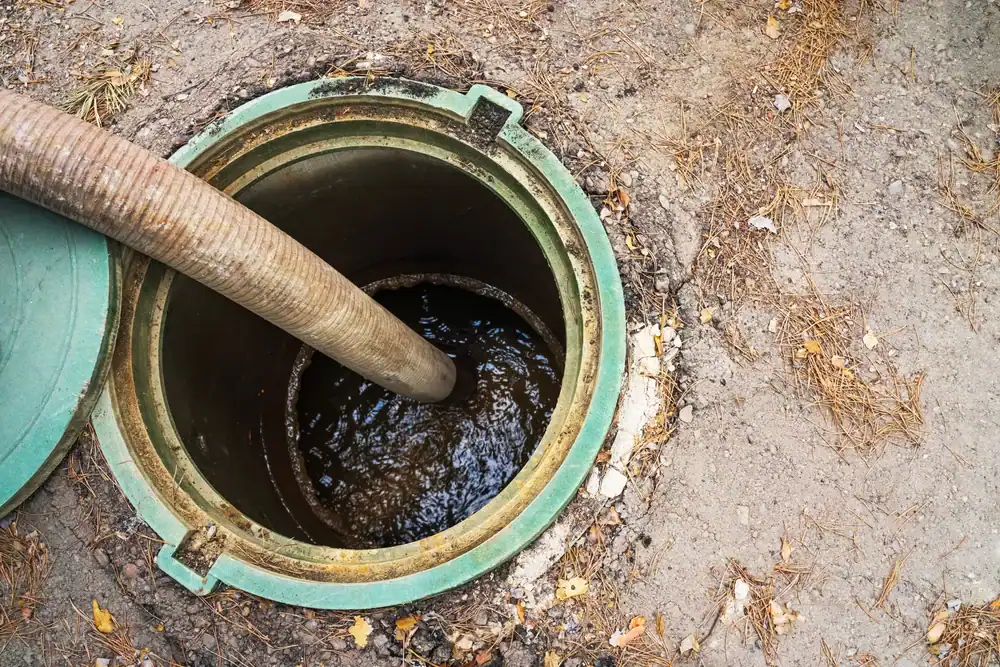
If you’re dealing with frequent backups even after pumping, that’s usually a line problem. Cleaning removes buildup inside the tank, but it won’t fix a cracked pipe or a separated connection between your house and the cesspool.
Slow drains throughout the house, sewage odors in your yard, or wet spots near the tank are signs the line itself is compromised. Tree roots are a common culprit in older East Patchogue neighborhoods where mature oaks and maples have had decades to infiltrate clay pipes.
A video inspection shows us what’s actually happening underground. If the pipe is intact but clogged, we can clear it. If it’s collapsed or full of roots, you need a replacement. We’ll show you the footage so you can see for yourself what needs to be done.
Line changes typically run between $3,000 and $8,000 depending on how much pipe needs replacing and how deep we have to dig. A short section close to the surface costs less than a full run from your house to a tank that’s 100 feet away.
Factors that affect price include the depth of your existing line, soil conditions, and whether we encounter ledge rock or groundwater during excavation. If your property has significant landscaping or hardscaping over the line, that adds complexity.
Emergency replacements cost more because you’re paying for immediate response and weekend or after-hours labor. Planned replacements during normal business hours are always cheaper. That’s why it makes sense to address slow drains and minor backups before they turn into full system failures that can’t wait.
Suffolk County banned new cesspool installations in 2019. If your system fails now, you’re required to upgrade to an advanced treatment system that reduces nitrogen. Those systems cost $15,000 to $30,000 depending on your property and soil conditions.
But if your cesspool itself is still functional and only the line is damaged, you can replace the line without triggering the full upgrade requirement. That’s a huge cost difference—$5,000 for a line change versus $25,000 for a complete system replacement.
This is why catching line problems early matters. A cracked pipe that’s repaired before the tank fails keeps you in compliance without forcing an expensive upgrade. Once the tank itself is compromised, you’re looking at a full replacement under current regulations, and you can’t just install another cesspool.
Most line changes take one to two days. You’ll need to minimize water use during the work, which means short showers, no laundry, and no dishwasher. We’re not asking you to leave your house, but you can’t run water like normal while the line is disconnected.
We’ll let you know the night before when we’re starting so you can plan accordingly. If you have a large family or can’t reduce water use for a day, you might want to arrange a hotel stay. Most of our customers just adjust their routine and get through it.
Once the new line is connected and backfilled, you’re back to normal use immediately. There’s no curing period or waiting time. The system works as soon as we’re done, and you’ll notice the difference right away if you’ve been dealing with slow drains or backups.
If only one section is damaged, we can replace just that section. There’s no reason to tear up your entire yard if the problem is localized to a 10-foot stretch where roots cracked the pipe.
The video inspection tells us exactly where the damage is. We excavate that area, cut out the bad section, and splice in new pipe. The rest of the line stays intact if it’s still in good condition.
That said, if your system is 40 or 50 years old and we find one collapsed section, there’s a good chance other sections are close to failing too. We’ll give you an honest assessment. Sometimes it makes more sense to replace the whole run now rather than doing it in pieces over the next few years as other sections fail.
It depends on the scope of work. Minor repairs usually don’t require permits, but full line replacements often do, especially if you’re changing the depth or route of the line.
Suffolk County has specific requirements for cesspool work, and only licensed professionals can pull the necessary permits. If your work isn’t permitted and documented, you can run into problems when you sell your house or if the county does an inspection.
We handle all permit applications as part of the job. You don’t need to deal with the town or county yourself. We also provide documentation that’s required if you’re applying for grant programs that help cover upgrade costs. Proper permitting protects you and keeps your property in compliance.
Other Services we provide in East Patchogue