
Hear from Our Customers
You’re not thinking about your waste lines until something goes wrong. That’s the point.
When line changes are done right, waste flows away from your house without hesitation. No slow drains. No sewage smell creeping into your yard. No emergency calls because tree roots cracked through old clay pipes and turned your lawn into a biohazard.
Most homes in East Quogue were built in the 1980s and 1990s. If your lines are original, they’re already past the point where small problems turn into expensive ones. Cast iron corrodes. Clay cracks. Roots find every weak spot and exploit it until you’ve got a backup during a holiday weekend when your house is full.
Proper line changes mean your system works like it should. Waste moves downhill at the right pitch, connections between your main line and cesspool stay sealed, and you’re not dealing with contamination that tanks your property value or complicates a future sale.
We’ve been handling line changes and cesspool work across Long Island for nearly two decades. We’re a family operation—four generations deep—so we’ve seen what happens when shortcuts get taken and what it costs to fix them later.
East Quogue properties sit on valuable land. Median home values here push past $800,000, and contamination from failed waste lines doesn’t just create a mess—it creates a legal and financial problem that follows your property. We’ve worked with homeowners who couldn’t close on a sale because a buyer’s inspection found evidence of old leaks. That’s avoidable.
We’re not the cheapest option, and we don’t pretend to be. You’re paying for work that lasts and protects what you’ve invested in. That means proper trenching that doesn’t destroy your landscaping, correct pipe pitch so waste actually flows, and connections that stay sealed under pressure.
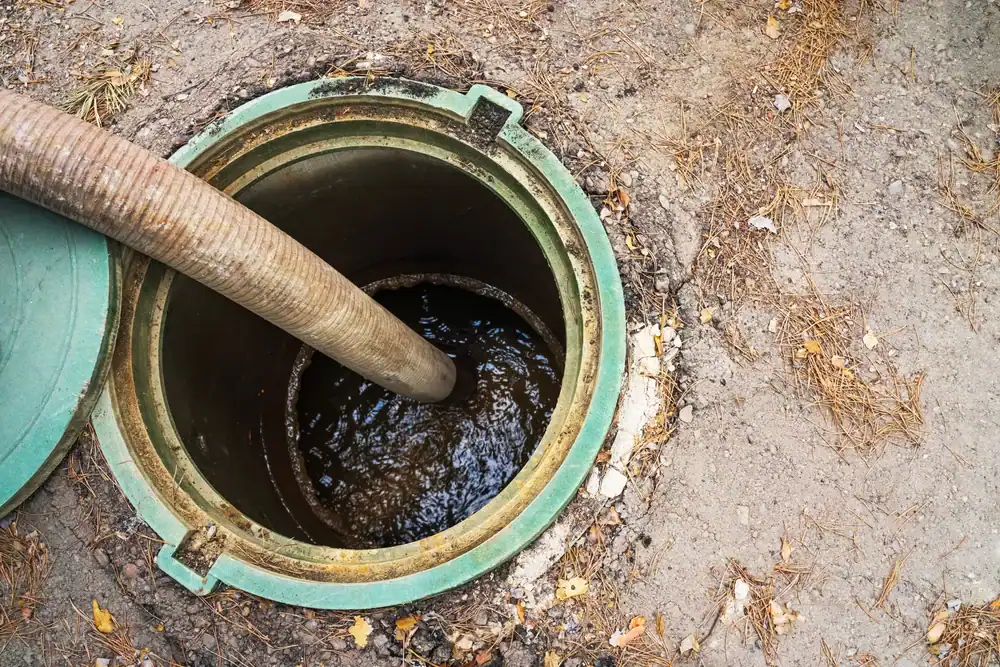
First, we assess what’s failing and why. Most line problems come from root infiltration, corrosion in old cast iron, or improper slope that lets waste sit instead of flow. We’ll tell you what needs replacing and what doesn’t.
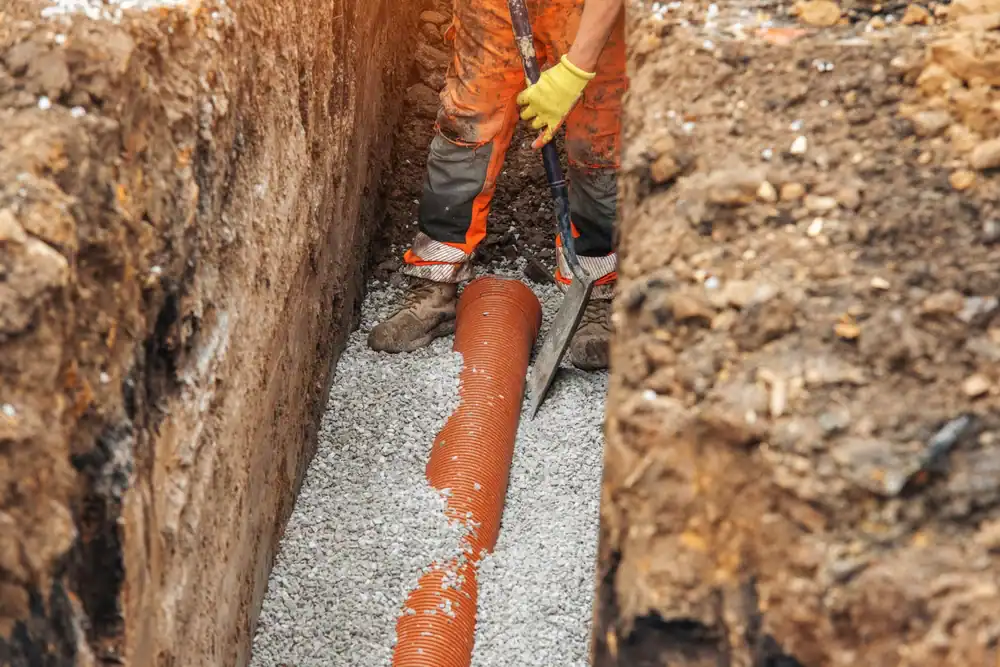
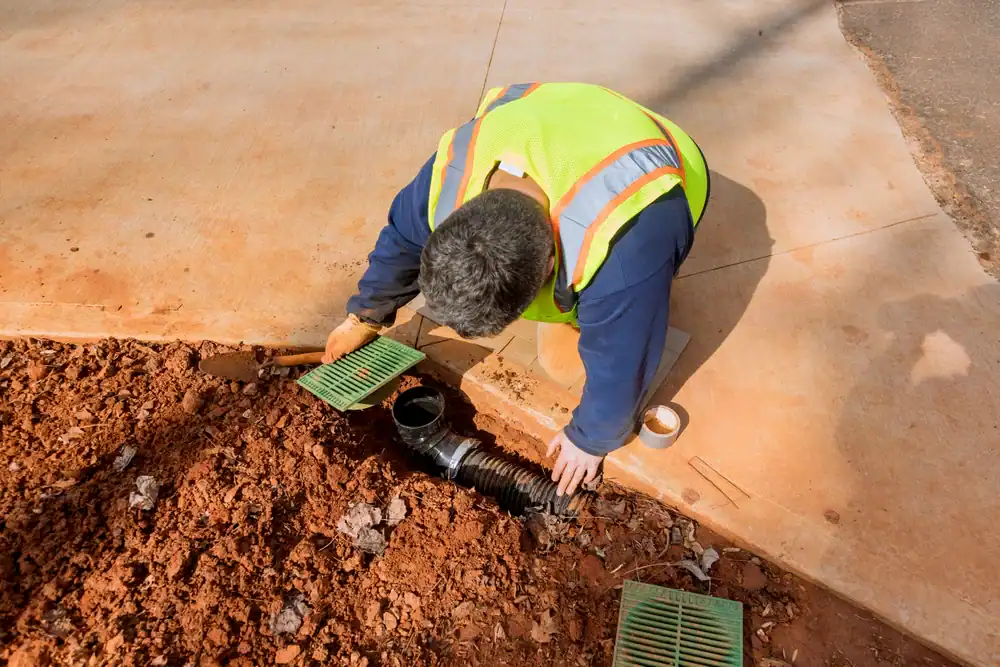
Trenching and excavation come next. We dig access to your main waste line and the connection point at your cesspool. This isn’t about ripping up your entire yard—it’s about precise excavation that gets us to the problem without unnecessary damage. We protect your landscaping where we can and restore what we disturb.
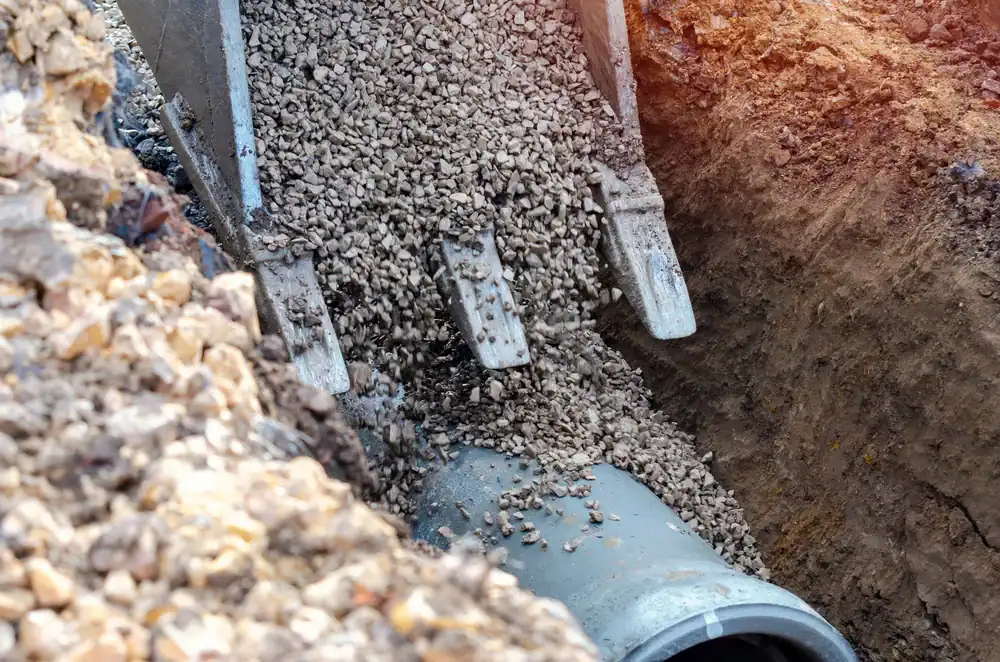
Then we replace the damaged sections with new pipe, set at the correct pitch and slope so gravity does its job. Waste needs to flow downhill at a consistent grade—too flat and it pools, too steep and solids separate from liquids and cause blockages. We make sure the angle is right.
Finally, we connect everything to your cesspool system, test for leaks, backfill the trench, and compact the soil so you’re not left with sinkholes six months later. You’ll know the job is done when waste moves through your system without hesitation and your drains work the way they’re supposed to.
Ready to get started?
Line changes aren’t just about swapping old pipe for new. You’re getting a system that accounts for how waste actually moves and what causes backups and pipe failure in the first place.
We handle main waste line replacement from your house to your cesspool. That includes removing corroded cast iron or cracked clay pipe that’s common in older East Quogue homes. Tree roots are the leading cause of line failure here—they seek out moisture and break through joints and cracks until your line is completely blocked.
Proper pipe pitch and slope are non-negotiable. Waste lines need a consistent downhill grade to keep solids moving. If the slope is off even slightly, you’ll deal with chronic slow drains and backups that seem random but aren’t. We set the grade right the first time.
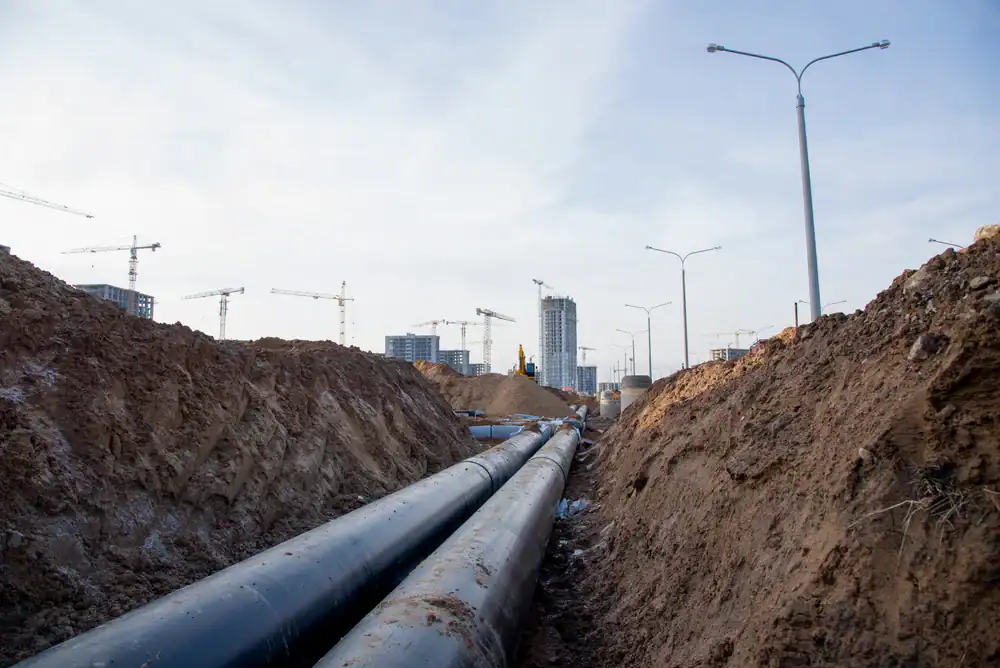
Trenching and excavation are done with precision. We’re not tearing up more of your property than necessary, and we’re not leaving you with a mess that takes months to recover from. You’ll have access to your driveway, your landscaping will be restored, and the work site will be cleaner than you expect.
The sewer line to cesspool connection is where most DIY jobs and cheap contractors fail. If that connection isn’t sealed properly, you’re looking at leaks that contaminate your soil and create ongoing problems. We make sure it’s tight and tested before we call the job done.
Slow drains throughout your house are the first sign. If multiple fixtures are draining slowly—especially lower-level ones—your main waste line is likely compromised.
Sewage odors in your yard or near your cesspool mean waste isn’t flowing properly or you’ve got a leak. That smell doesn’t go away on its own, and it indicates contamination that’s actively happening.
Soggy patches of grass or unusually green areas above your line route often mean wastewater is leaking into your soil. Tree roots follow that moisture and make the problem worse. If your home was built in the 1980s or earlier and you’ve never replaced your lines, you’re on borrowed time. Cast iron and clay pipe deteriorate over decades, and most original installations in East Quogue are past their functional lifespan.
Tree root infiltration is the most common cause. Roots seek water and nutrients, and they’ll exploit any crack or joint in your waste line. Once they’re inside, they expand and create complete blockages.
Corrosion in old cast iron pipe is inevitable. Cast iron was standard in homes built before 1980, and it deteriorates from the inside out. You won’t see the damage until the pipe fails and you’ve got a backup.
Improper slope from original installation or ground settling means waste doesn’t flow downhill like it should. Solids accumulate in low spots, and you’ll deal with chronic slow drains that get worse over time. Clay pipe cracks under pressure from shifting soil or heavy surface traffic. Once it cracks, roots get in and the line fails quickly. Most East Quogue properties have mature trees and landscaping, which accelerates root-related damage.
Most residential line changes take one to three days depending on the length of pipe being replaced and site conditions. Straightforward replacements with easy access are faster.
If we’re dealing with extensive root damage, multiple connection points, or difficult terrain, it takes longer. We’re not rushing through work that needs to be precise. You’ll have limited access to plumbing during the work, so plan accordingly.
We’ll give you a realistic timeline upfront based on what we find during the initial assessment. Weather can delay excavation work—we’re not digging trenches in saturated soil or during heavy rain because it compromises the quality of the work. You’ll know the schedule before we start, and we’ll communicate if anything changes.
Some disruption is unavoidable—we have to excavate to reach your waste line. But we’re not tearing up more than necessary, and we restore what we disturb.
Trenching follows the route of your existing line, which minimizes the footprint. We’ll locate utilities before we dig so there are no surprises. If your line runs under landscaping, we’ll work around plantings where possible and restore sod or ground cover after backfilling.
Driveways require more planning. If your line runs underneath, we may need to cut through pavement to access it. We’ll discuss options upfront—sometimes rerouting is smarter than cutting through new concrete. After backfilling, we compact soil properly so you’re not dealing with settling and sinkholes later. Most properties look recovered within a few weeks, and fully settled within a season.
Patching makes sense if you’ve got isolated damage in an otherwise solid line. If a single section cracked or a joint failed, we can replace that segment without tearing up your entire system.
Full replacement is necessary when your line has multiple failure points, extensive root infiltration, or corrosion throughout. Patching old cast iron or clay pipe that’s deteriorating just delays the inevitable—you’ll be calling us back in a year when another section fails.
Most East Quogue homes with original lines need full replacement. The cost difference between patching now and replacing later is minimal, but the disruption is worse if you’re doing it in stages. We’ll assess your specific situation and tell you what makes sense. If patching buys you a few years and fits your budget, we’ll say so. If you’re throwing money at a system that’s going to fail anyway, we’ll tell you that too.
Cost depends on the length of pipe being replaced, depth of excavation, site access, and what we’re connecting to. A straightforward 50-foot main waste line replacement typically runs between $3,000 and $7,000.
Complex jobs with difficult access, extensive root removal, or multiple connection points cost more. If we’re rerouting around obstacles or working in tight spaces, labor and time increase. We’ll give you a detailed estimate after assessing your property.
You’re not just paying for pipe—you’re paying for proper slope, sealed connections, and excavation that doesn’t leave you with ongoing problems. Cheaper quotes usually mean corners are being cut somewhere, and you’ll pay for it later when the work fails. We price our work to last, and we’re transparent about what you’re getting for that price.
Other Services we provide in East Quogue