
Hear from Our Customers
Your drains are slow. Your yard smells like sewage. You’re calling a plumber every few months just to keep things moving.
That’s not a clog problem. That’s a line problem.
When the main waste line between your house and cesspool collapses, cracks, or shifts out of proper pitch, everything you flush has nowhere to go. It backs up into your basement, pools in your yard, or worse—damages your foundation while you’re trying to figure out what’s wrong.
A line change means digging up the failed section, replacing it with new pipe at the correct slope, and reconnecting everything so wastewater flows the way it’s supposed to. No more emergency calls. No more standing water. Just a system that works when you need it to.
You’re not patching the problem anymore. You’re done with it.
We’ve been handling cesspool and sewer line work on Long Island for nearly two decades. Four generations of family experience means we’ve seen what happens when lines are installed wrong, patched poorly, or ignored too long.
East Setauket’s sandy soil drains fast, but it also shifts. That means your sewer line to cesspool connection can lose its pitch over time, causing backups even when the pipe itself isn’t broken. We know how to account for that.
You’re not getting a crew that learned cesspool work last year. You’re getting people who grew up in this business, on this island, fixing these exact problems.
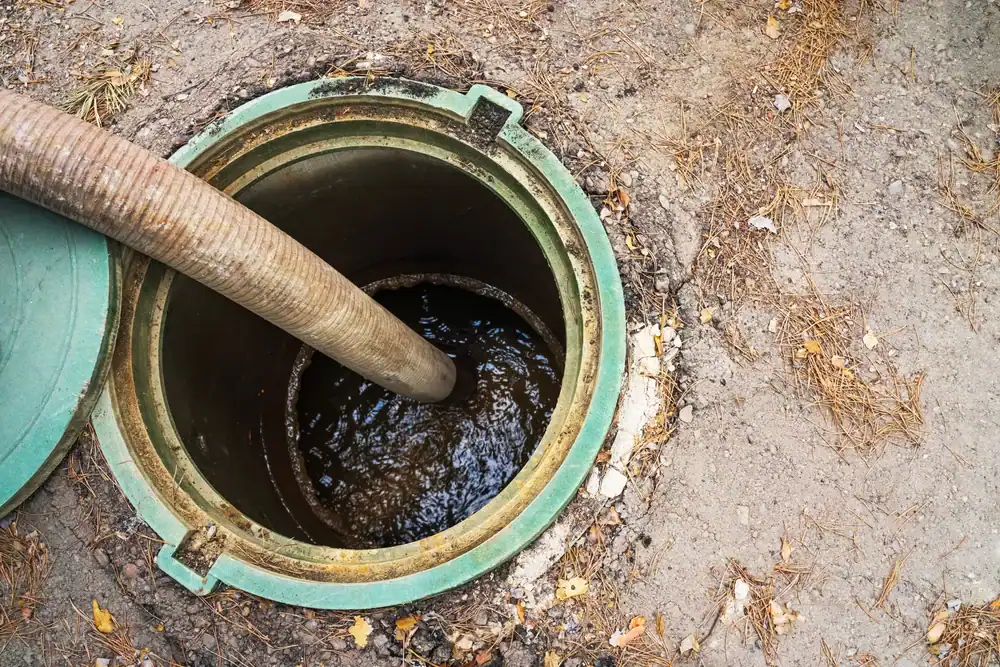
First, we locate the problem. That usually means a camera inspection to see where the pipe cracked, collapsed, or separated. Sometimes it’s roots. Sometimes it’s age. Sometimes the original install was just wrong.
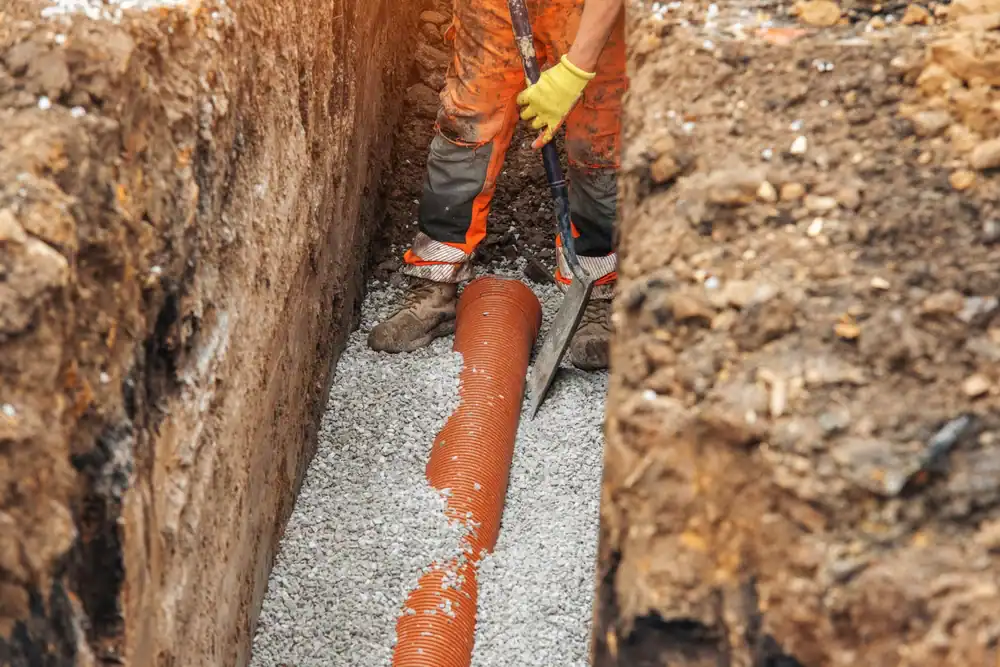
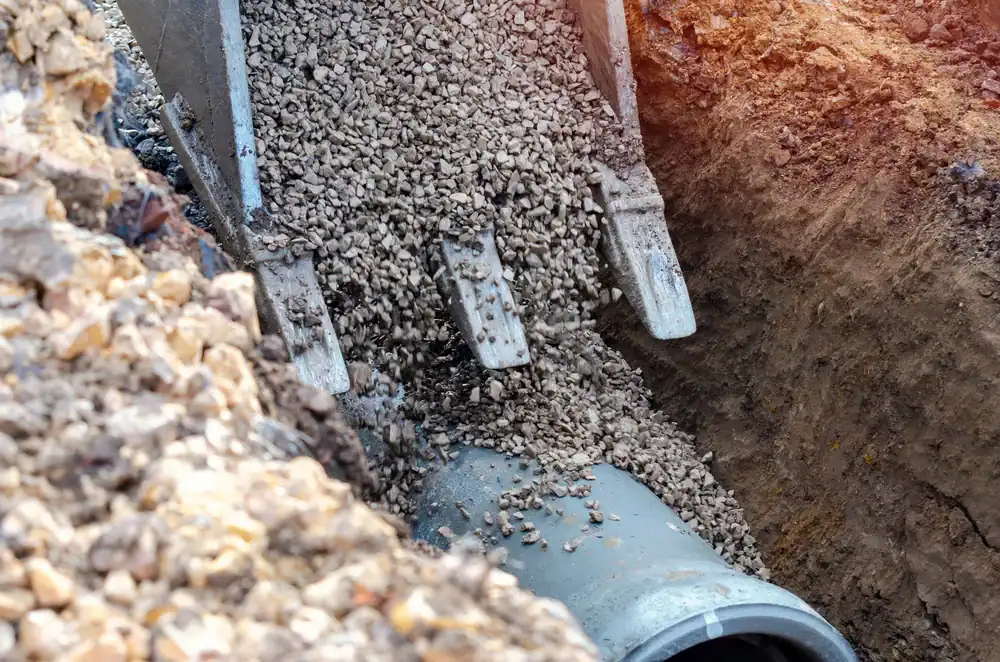
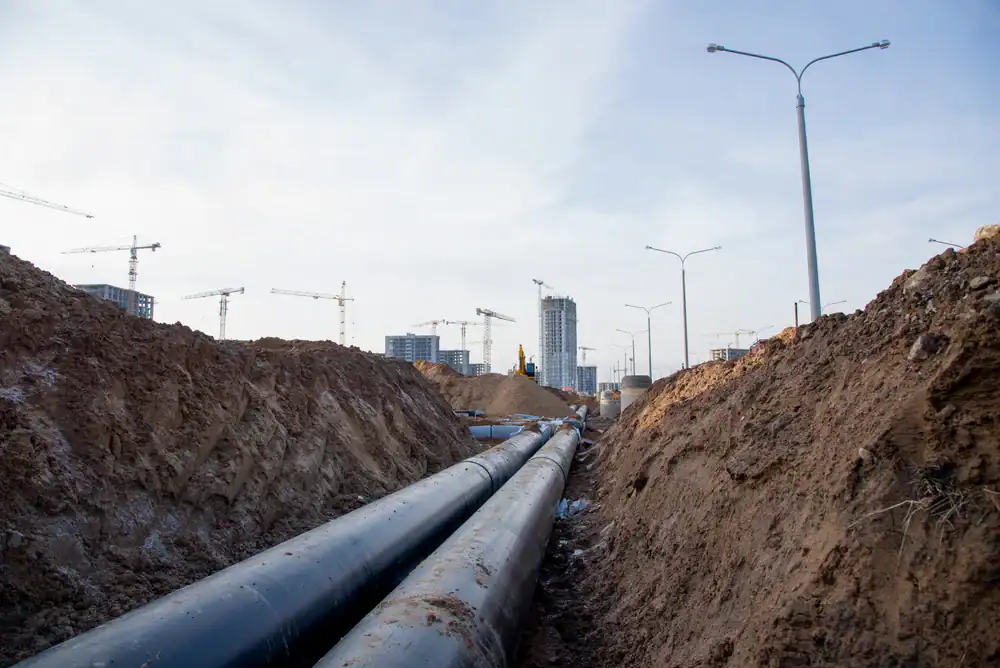
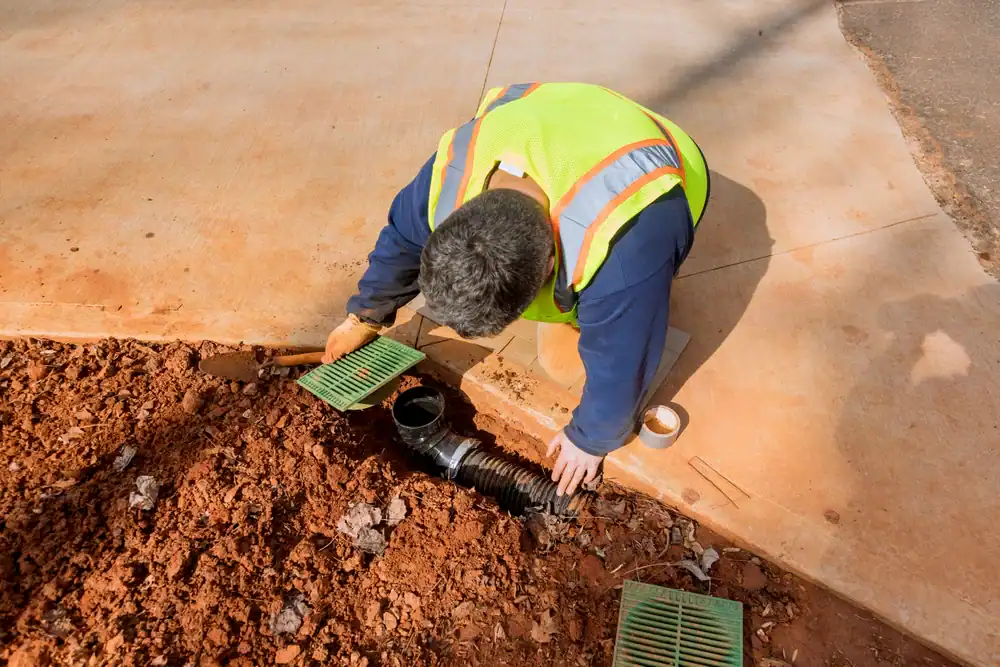
Once we know where the failure is, we start trenching and excavation. We dig down to the damaged section, remove the old pipe, and prep the trench for new material. If the pipe pitch and slope were off, we correct that now—because replacing a broken pipe at the wrong angle just means you’ll have the same problem in two years.
Then we install the new line, backfill the trench, compact the soil, and test the flow. Everything gets inspected to make sure wastewater moves downhill at the right grade with no low spots where solids can settle.
You’ll know the job’s done when your drains move fast again and your yard stops smelling like a treatment plant.
Ready to get started?
A line change isn’t just digging a trench and dropping in new pipe. It’s about diagnosing why the original line failed and making sure the replacement doesn’t do the same thing.
In East Setauket, most line failures happen because of improper slope, root intrusion, or soil settlement. Suffolk County’s high water table and sandy soil mean pipes shift more than they do inland. If your line was installed 20 or 30 years ago, there’s a good chance it wasn’t pitched correctly to begin with.
When we replace your sewer line to cesspool connection, we’re checking grade, clearing roots, installing new pipe at the right depth, and making sure the connection points are sealed. That’s what prevents future backups and pipe failure.
You’re not just getting a new pipe. You’re getting a system that’s built to handle Long Island’s soil conditions and your household’s actual waste load.
If you’re calling for cleanings more than once a year and still dealing with slow drains or backups, the problem isn’t in your cesspool—it’s in the line leading to it.
A camera inspection will show us exactly what’s happening underground. Cracks, collapses, root intrusion, and bellied sections all show up on video. If the pipe’s broken or the slope is wrong, pumping your cesspool won’t fix it.
Most homeowners don’t need a full line replacement. But if you do, you’ll know because the camera doesn’t lie. We’ll show you what we’re looking at and explain what needs to happen next.
Most line changes take one to three days depending on how much pipe needs replacing and how deep we have to dig.
If it’s a short section near the house, we can usually finish in a day. If the failure is closer to the cesspool or involves a long run of pipe, it takes longer. Weather, soil conditions, and access to your yard all affect timing.
We’ll give you a realistic timeline before we start digging. You won’t be left without working plumbing for a week while we figure things out.
Only if the entire line is shot. Most of the time, we’re replacing a specific section where the failure occurred.
We locate the problem area with a camera, mark it, and trench only where we need to. If your driveway or landscaping is in the way, we’ll talk through options before we start digging.
In some cases, trenchless methods can minimize disruption. But if the pipe’s collapsed or the slope needs correcting, traditional excavation is the only way to do it right. We’ll restore the area as close to original condition as possible once the new line is in.
Soil settlement is the main culprit, especially in sandy areas like East Setauket. When the ground shifts, pipes can sag into low spots where wastewater pools instead of flowing downhill.
Roots are another factor. As trees grow, roots push against pipes and shift them out of alignment. Over time, that changes the grade enough to cause drainage problems.
Sometimes the line was never pitched correctly to begin with. Older installations didn’t always follow the standards we use now. If your system is 20+ years old and you’re having chronic backup issues, there’s a good chance the slope was off from day one.
It depends on how much pipe needs replacing, how deep we have to dig, and what’s in the way. Most residential line changes in Suffolk County run between $3,000 and $8,000.
A short section near the house costs less. A full line replacement from the house to the cesspool costs more. If we have to work around landscaping, driveways, or underground utilities, that adds time and expense.
We’ll give you a written estimate after we inspect the line and know exactly what we’re dealing with. No surprises, no upselling, just the work that needs to happen.
Yes. Roots grow toward water, and your sewer line is full of it. Once they find a crack or joint, they work their way inside and expand until the pipe collapses.
Willow, maple, and oak trees are the worst offenders. If you’ve got mature trees near your sewer line to cesspool connection, roots are probably involved in whatever’s going wrong.
Cutting the roots doesn’t solve the problem if the pipe’s already damaged. You need to replace the section, clear the roots, and sometimes install root barriers to keep them from coming back. Otherwise, you’re just buying yourself six months before the same thing happens again.
Other Services we provide in East Setauket