
Hear from Our Customers
When sewage backs up into your home or your drains slow to a crawl, it’s easy to assume the worst. Most homeowners in Eatons Neck hear “cesspool problem” and immediately think they’re looking at a $25,000 replacement. That’s rarely the case.
The connecting line between your house and cesspool takes the beating. It’s buried four to six feet down, constantly moving wastewater, and in many older Eatons Neck homes, it’s made from orangeburg pipe that was never built to last this long. When that line breaks, cracks, or loses its proper pitch, everything backs up—but your cesspool itself might be perfectly fine.
Line changes fix the actual problem. You get your drains working again, your property protected from sewage damage, and you keep thousands of dollars in your pocket. The work usually wraps up in a day, not weeks. Your lawn gets restored. Your system gets back online.
That’s what happens when someone diagnoses the real issue instead of selling you the most expensive fix.
We’ve been handling cesspool maintenance and line repairs in Eatons Neck for over a decade. We’re a family business—four generations of it—and we’ve seen every type of line failure this area throws at homes.
Eatons Neck’s soil conditions, older housing stock, and coastal environment create specific challenges. We know which pipes fail first in homes built in the ’60s and ’70s. We understand how salt air affects your system differently than inland properties. We’ve dug through your soil type hundreds of times.
When you call us, you’re talking to people who’ve actually done this work, not a call center. We show up, assess what’s broken, and tell you exactly what it’ll take to fix it. No upselling to a full replacement when a line change will solve it.
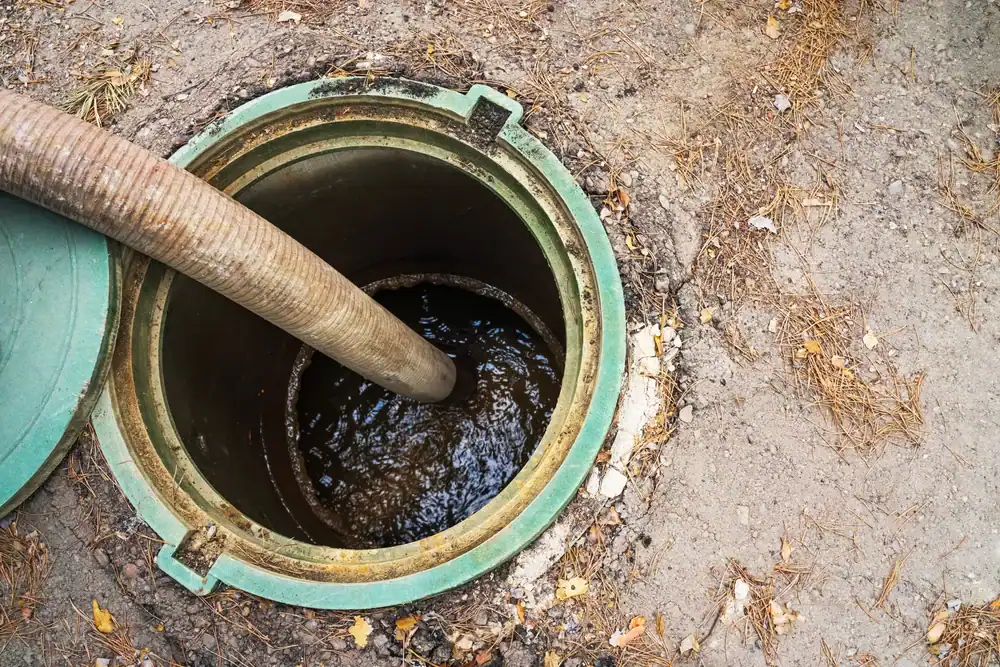
First, we figure out where the problem actually is. That means inspecting the line from your house to your cesspool—checking for breaks, checking the pitch and slope, looking for root intrusion or collapsed sections. Sometimes it’s obvious from the symptoms. Sometimes we need to dig down to confirm.
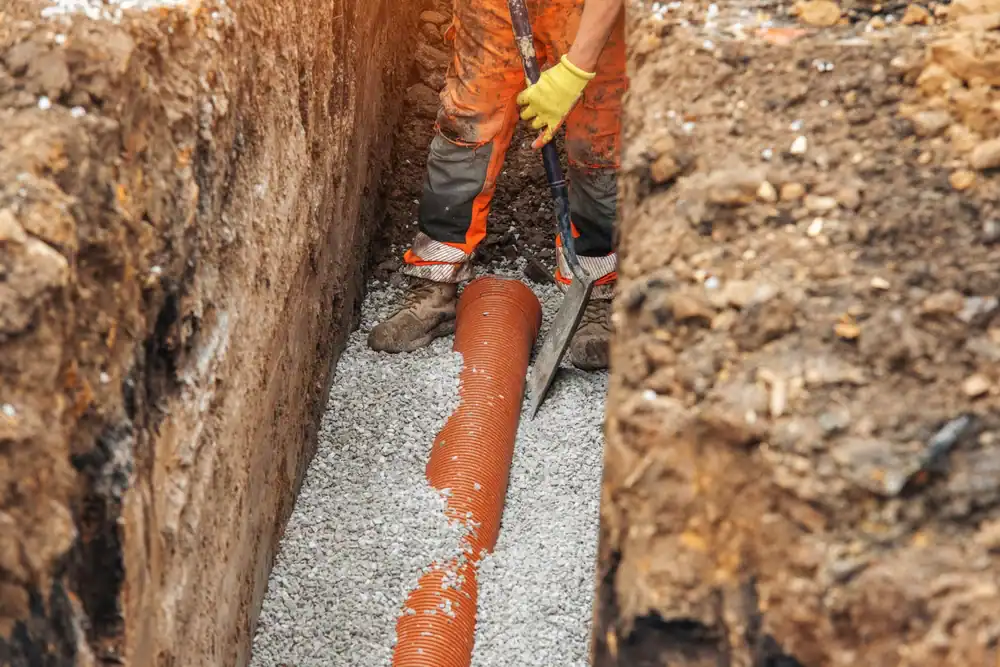
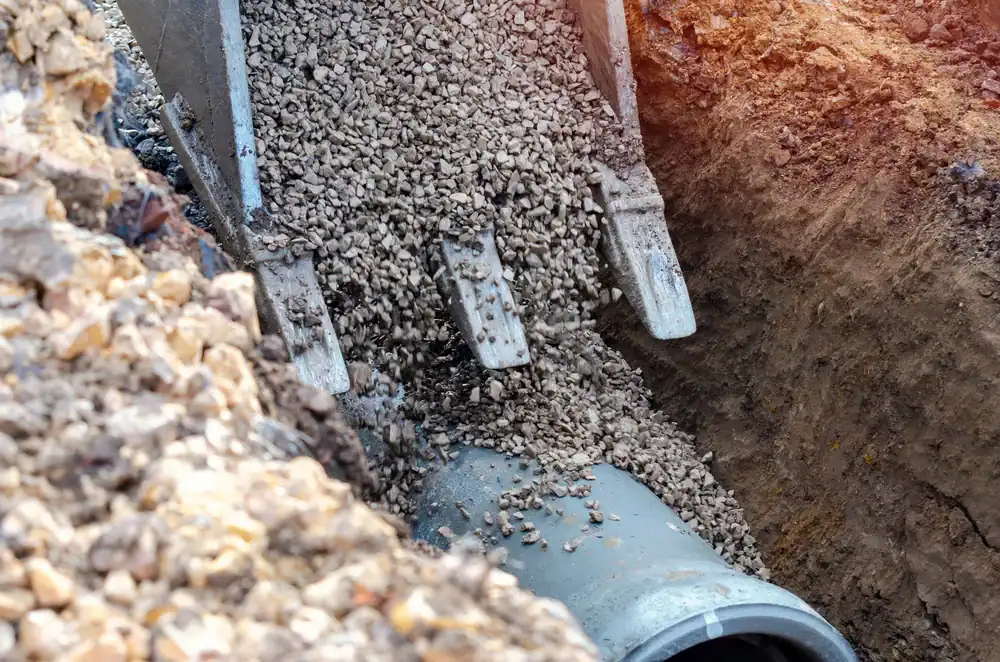
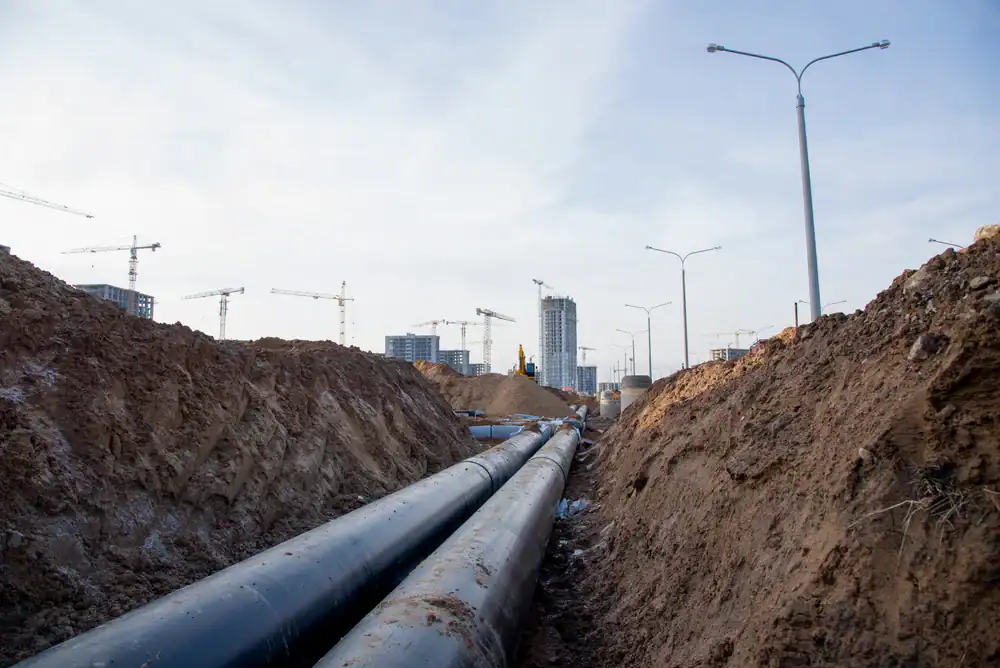
Once we’ve pinpointed the failure, we handle the trenching and excavation to access the damaged section. Depending on what’s broken, we might replace a short section or the entire run from house to tank. We make sure the new line has proper slope so wastewater flows correctly—that’s critical and something that gets missed when the work isn’t done right.
After the new line is in and connected, we test it, backfill the trench, and restore your property. You’ll see some disruption to your lawn during the dig, but we minimize it and clean up properly when we’re done.
The whole process usually takes a day for straightforward line changes. More complicated situations—like multiple breaks or difficult access—might take longer, but we’ll tell you that upfront.
Ready to get started?
You get a full assessment of what failed and why. We don’t just swap the pipe—we figure out if it’s a pitch problem, a material failure, root damage, or ground settling that caused the break. That matters because it tells us how to prevent it from happening again.
The line replacement itself uses modern materials that’ll outlast the old orangeburg or clay pipes common in Eatons Neck homes. We ensure proper slope from your house to the cesspool so gravity does its job. If the connection point at either end is damaged, we repair that too.
In Eatons Neck, where properties sit on valuable coastal land and landscaping matters, we’re careful about the dig. We mark utilities, we trench as narrowly as possible, and we restore the area when we’re done. You’re not left with a torn-up yard and a “good luck” wave.
You also get honest pricing before we start. Line changes typically run $500 to $3,000 depending on length, depth, and access. That’s a fraction of full system replacement, and if that’s actually what your property needs, we’ll tell you that too.
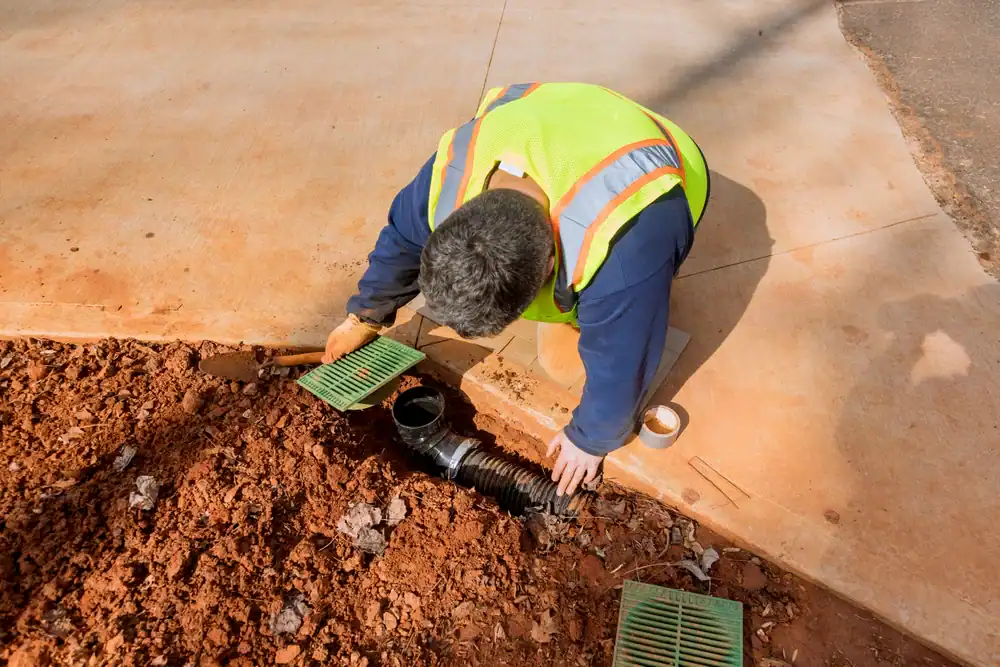
If your drains are backing up or running slow, the problem is usually in the connecting line, not the cesspool itself. The line between your house and tank takes constant abuse—it’s moving all your wastewater, it’s buried where tree roots can invade it, and in many Eatons Neck homes, it’s made from outdated materials that have reached the end of their lifespan.
A cesspool replacement becomes necessary when the tank itself is failing—cracking, collapsing, or no longer absorbing wastewater into the surrounding soil. That’s a bigger job and a bigger cost. But most backups we see are line failures that look like system failures to homeowners.
The only way to know for sure is proper diagnosis. We inspect the line, check the tank, and tell you what’s actually broken. If it’s just the connecting pipe, you’re looking at a line change that costs a fraction of full replacement and gets done in a day.
Age is the biggest factor. Many Eatons Neck homes were built in the 1960s and ’70s with orangeburg pipe—a fiber-based material that was cheap and easy to install but degrades over time. After 40 or 50 years, these pipes crack, collapse, or lose their shape entirely.
Tree roots are another common culprit. Roots seek out water sources, and even a tiny crack in your line becomes an entry point. Once roots get in, they expand and block the pipe, causing backups. Ground settling can also shift the pipe and disrupt the slope, so wastewater doesn’t flow properly anymore.
Coastal conditions in Eatons Neck don’t help. Salt air and moisture accelerate deterioration of certain materials. If your home is older and you’ve never had the line inspected or replaced, there’s a good chance it’s living on borrowed time. Catching it before a catastrophic failure saves you from emergency repair costs and sewage damage to your property.
Most line changes are completed in a single day. We show up, excavate to access the damaged section, replace the line, test it, and backfill the trench. Straightforward jobs with good access move quickly. More complicated situations—like lines running under driveways, multiple break points, or unusually deep burial—can take longer.
You’ll see some disruption to your property during the dig. We’re trenching down four to six feet to reach the line, and that means moving soil and temporarily disturbing your landscaping. We keep the trench as narrow as possible and mark everything carefully to avoid damaging utilities or existing structures.
After the new line is in and working, we restore the area. That means backfilling properly, grading the soil, and cleaning up the work site. Your lawn will need some time to recover where we dug, but we don’t leave you with a mess. The short-term disruption is worth having a functioning system again and avoiding the much bigger disruption of a full cesspool replacement.
It depends on what’s broken and why. If you’ve got a single break in an otherwise solid line—maybe from a root intrusion or a specific weak point—we can replace just that section. That saves you money and reduces the scope of excavation.
But if the line is old orangeburg pipe or deteriorated clay, and one section has failed, the rest probably isn’t far behind. In those cases, replacing the entire run from house to cesspool makes more sense. You don’t want to pay for a partial fix now and then deal with another failure six months later in a different spot.
We assess the whole line before recommending an approach. If the material is shot, we’ll tell you. If a targeted repair will actually hold up, we’ll do that instead. The goal is fixing your problem in a way that lasts, not selling you more work than you need or setting you up for repeat failures.
Gravity moves wastewater through your line, so the pipe needs to slope downward from your house to the cesspool. Too flat, and wastewater sits in the pipe instead of flowing. Too steep, and liquids run ahead of solids, leaving buildup behind. The standard is about a quarter-inch drop per foot of pipe—enough for consistent flow without problems.
When we install a new line, we’re checking grade constantly. We use levels and laser equipment to ensure the slope is right along the entire run. If ground settling caused your original line to lose pitch, we account for that when laying the new pipe. If tree roots or soil conditions create challenges, we adjust the route or depth to maintain proper flow.
This is one of those details that separates a line change that works from one that causes problems down the road. You can’t see the pitch once the trench is backfilled, but you’ll definitely notice if it’s wrong—slow drains, recurring backups, and another service call. We get it right the first time so your system works the way it should.
Line changes typically run between $500 and $3,000 depending on the length of pipe, how deep it’s buried, and how accessible it is. That’s significantly less than a full cesspool replacement, which can easily hit $25,000 or more. Even compared to other major repairs, line work is relatively affordable for what it solves.
The cost varies based on your specific situation. A short run with easy access and shallow burial costs less than a long line running under obstacles at six feet deep. If we’re replacing the entire line versus a section, that affects price. If there’s ledge or difficult soil conditions, excavation takes longer.
We give you a clear estimate before starting work. No surprises, no “we found additional problems” upsells unless there’s genuinely something we couldn’t see until we dug down. For most Eatons Neck homeowners dealing with backups or slow drains, a line change is the most cost-effective fix that actually solves the problem instead of masking it temporarily.
Other Services we provide in Eatons Neck