
Hear from Our Customers
When your sewer line to cesspool connection fails, you’re looking at slow drains, recurring backups, or sewage surfacing in your yard. The problem usually isn’t the cesspool itself—it’s the pipe connecting your home to the system.
Most line failures in Farmingdale come down to three issues: improper pipe pitch and slope, deteriorated connections, or ground settlement that creates bellies in the line. These aren’t problems you can patch. They require excavation, proper trenching, and reinstallation at the correct grade.
Once the line is replaced with proper slope, waste flows the way it should. No more standing water in the pipes. No more backups every few months. Your system works like it’s supposed to, and you stop dealing with the same problem over and over.
The difference between a temporary fix and a permanent solution is whether the new line is installed at the right pitch. Too flat, and solids settle. Too steep, and liquids run ahead while solids stay behind. We set the grade correctly so gravity does its job without creating new problems down the road.
We’ve been handling line changes and cesspool repairs throughout Farmingdale and Suffolk County long enough to know what works and what doesn’t. We’re licensed, insured, and familiar with the soil conditions, water table issues, and regulatory requirements specific to this area.
Most homes in Farmingdale were built before modern sewer infrastructure reached every neighborhood. That means older cesspool systems, aging pipes, and connections that weren’t designed to last 50+ years. We’ve seen every type of failure these systems produce, and we know how to fix them properly.
When you call us, you’re getting technicians who diagnose the actual problem—not the guys who show up, guess, and hope it works. We locate the failure point, assess the damage, and give you a clear explanation of what needs to happen and why.
First, we locate the problem. That means inspecting the existing line to find where it’s failing—whether it’s a broken connection, improper slope, or a belly that’s collecting waste. We don’t dig up your entire yard hoping to find the issue.
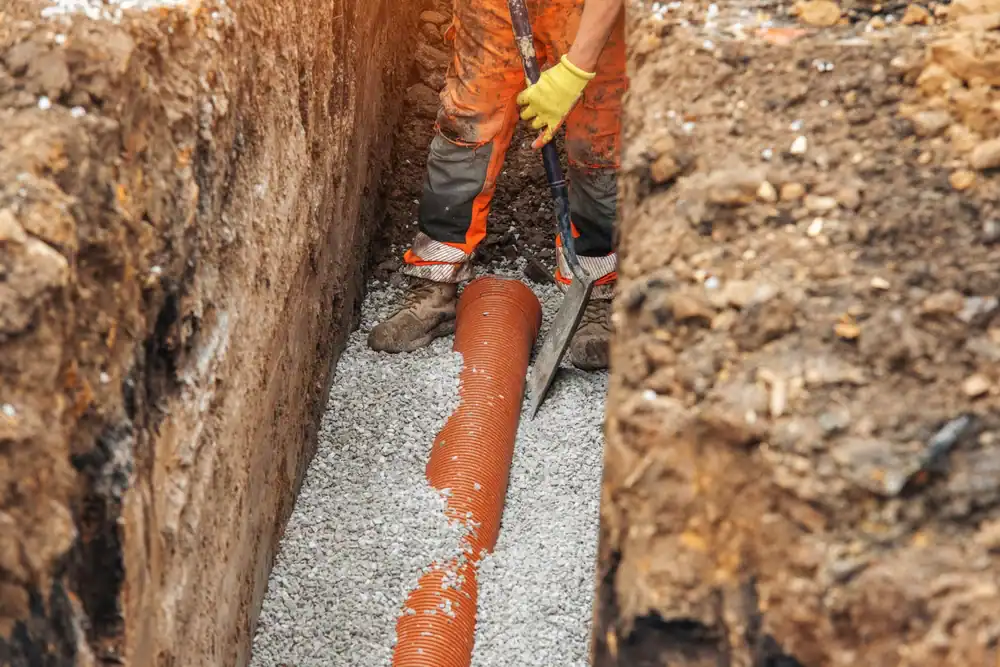
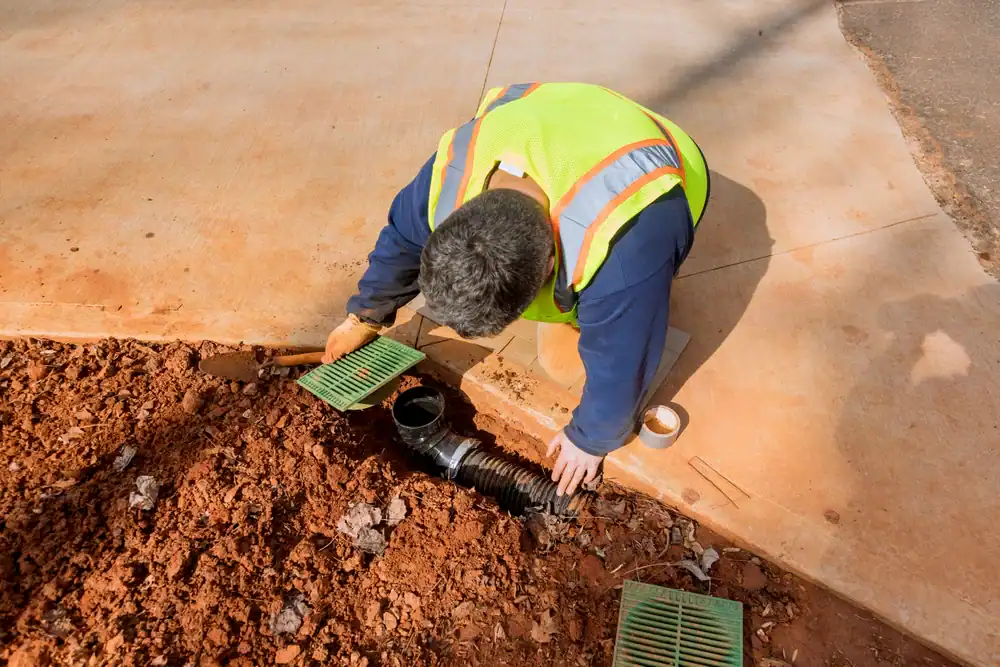
Once we’ve identified the failure point, we handle the trenching and excavation. This isn’t just digging a hole. We’re creating a trench with the proper depth and grade to support a new line that will last. If the ground has settled or the original installation was done incorrectly, we correct it now.
Next, we install the new pipe with the correct pitch and slope. This is where most companies cut corners. The line needs to drop at a consistent grade—typically 1/4 inch per foot—so waste flows smoothly without leaving solids behind or creating future blockages.
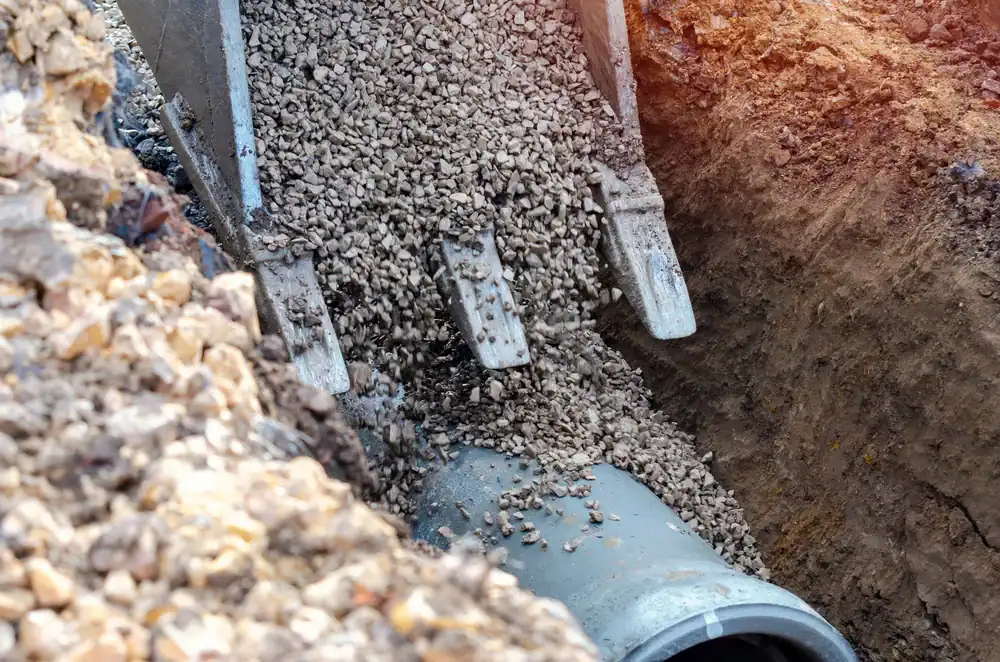
After the new line is in place, we connect it securely to both your home’s waste outlet and the cesspool inlet. These connections are sealed properly to prevent leaks, root intrusion, or separation over time. Then we backfill the trench, compact the soil, and restore your yard as close to its original condition as possible.
Finally, we test the system to confirm everything flows correctly. You’ll know the job was done right because your drains work, your system doesn’t back up, and you’re not calling us back in six months with the same problem.
Ready to get started?
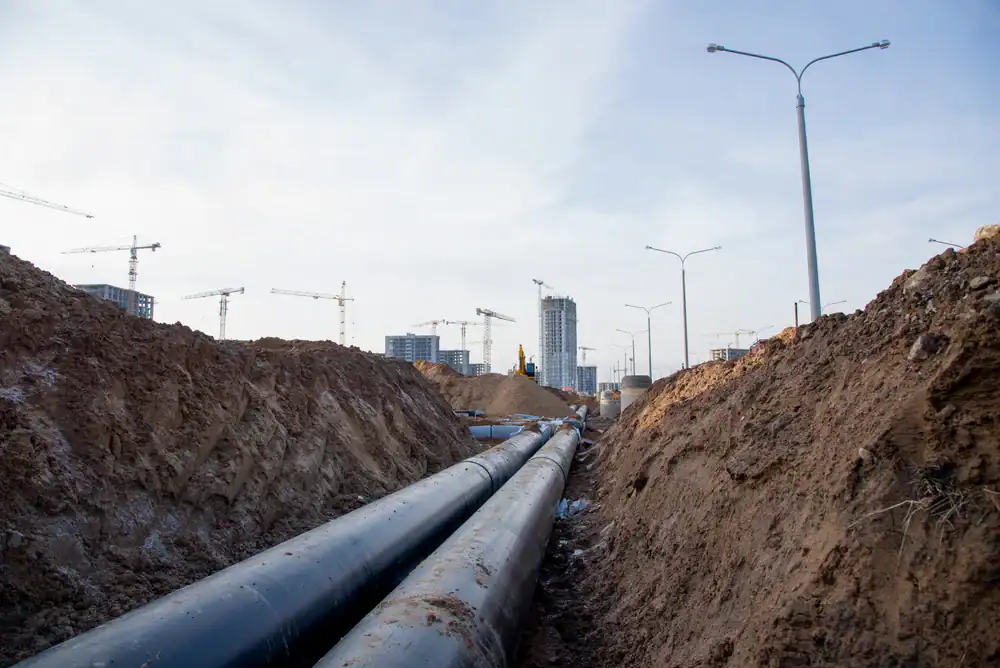
You’re getting a complete line change—not a patch job. That includes locating the failure, excavating the trench, removing the old pipe, and installing a new line at the proper grade. We handle the entire process from start to finish.
In Farmingdale, soil conditions and the high water table create specific challenges during excavation. We account for these factors when we dig, which means proper shoring if needed, dewatering if the trench fills with groundwater, and compaction that prevents future settling. These aren’t extras—they’re part of doing the job correctly.
Suffolk County requires permits for certain types of line work, and we handle that documentation. If your system needs to be brought up to current code, we’ll tell you what’s required and why. You won’t get surprised by compliance issues later when you’re trying to sell your property or refinance.
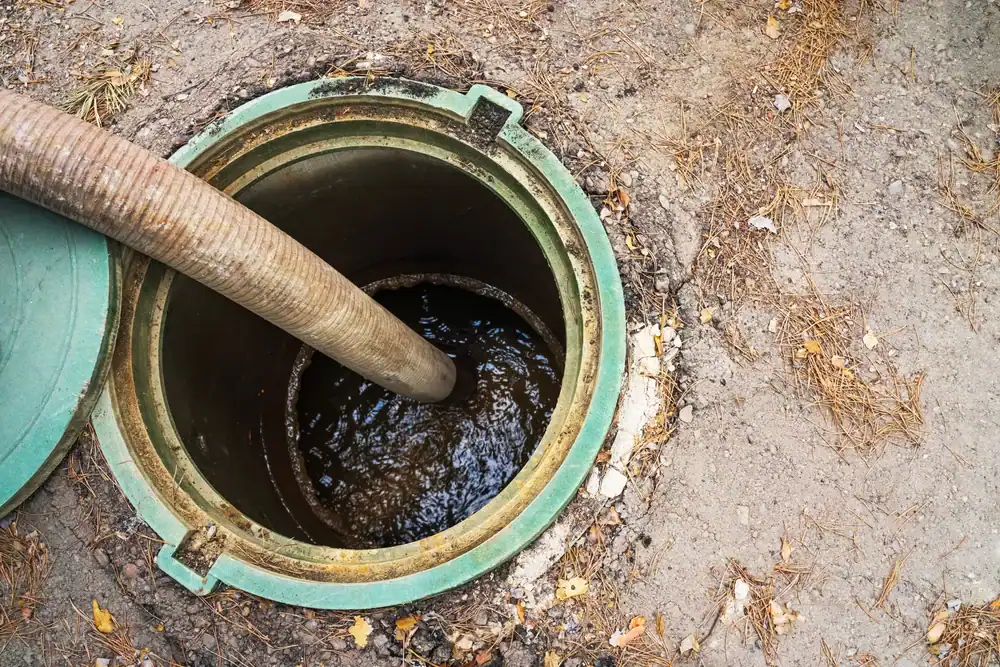
We also provide a full system assessment while we’re on site. If your cesspool is nearing capacity or showing signs of failure, you’ll know before it becomes an emergency. Most homeowners don’t realize their cesspool needs attention until it’s too late—we give you the information you need to plan ahead instead of reacting to a crisis.
If you’re experiencing recurring backups even after pumping, slow drains throughout the house, or sewage surfacing in your yard near the cesspool, the problem is likely your line—not the cesspool itself. A full cesspool causes backups, but once it’s pumped, the problem goes away. If you’re still having issues after pumping, the waste isn’t reaching the cesspool because the line is blocked, broken, or installed at the wrong slope.
Another indicator is if only certain fixtures drain slowly while others work fine. That usually points to a clog in a specific branch line. But when everything drains poorly or backs up at once, and pumping doesn’t solve it, you’re looking at a main line issue between your house and the cesspool.
We can inspect the line to determine exactly where the failure is. Sometimes it’s a simple blockage we can clear. Other times, the pipe has collapsed, separated at a connection, or developed a belly where waste collects. In those cases, pumping won’t help—you need the line replaced.
Ground settlement is the biggest culprit. Farmingdale’s sandy soil shifts over time, especially if the original trench wasn’t compacted properly. As the ground settles, pipes can sag, creating low spots where waste collects instead of flowing to the cesspool. These “bellies” cause recurring blockages that get worse over time.
Improper installation is another common cause. If the original line was installed without the correct pitch and slope, gravity can’t move waste effectively. Too flat, and solids settle in the pipe. Too steep, and liquids run ahead while solids get left behind. Either way, you end up with blockages.
Root intrusion happens when trees or shrubs near the line send roots into pipe joints searching for water. Once roots get in, they create blockages and can crack or separate the pipe. Older clay or concrete pipes are especially vulnerable. Finally, age and deterioration simply break down pipes over time. If your home is 40+ years old and still has the original waste line, there’s a good chance it’s nearing the end of its functional life.
Most line changes take one to two days, depending on the length of the line, depth of the excavation, and soil conditions. If we’re replacing a short section near the cesspool, we can often complete the work in a day. Longer runs from the house to the cesspool or difficult digging conditions can extend the timeline.
During the work, you won’t be able to use water that drains into the affected line. That means no toilets, sinks, showers, or laundry while we’re working on the main waste line. We’ll let you know exactly when we’re starting and when you can use your plumbing again. Most homeowners plan to be out for the day or make temporary arrangements.
Excavation means we’ll need access to the area between your house and cesspool. We’ll dig a trench, which temporarily disrupts your yard. After the new line is installed and tested, we backfill the trench and grade it to match the surrounding area. Grass and landscaping will need time to recover, but we restore the area as close to its original condition as possible. If you have specific concerns about landscaping or hardscaping, let us know before we start so we can plan accordingly.
Most standard homeowner’s insurance policies don’t cover line changes or cesspool repairs because they’re considered maintenance issues rather than sudden, unexpected damage. Insurance typically covers things like a tree falling on your house or a burst pipe from freezing—events that happen suddenly and aren’t related to normal wear and tear.
If your line failed due to something covered by your policy—like ground movement from an earthquake or damage from a vehicle—you might have coverage. But if the line failed because of age, improper installation, root intrusion, or lack of maintenance, you’re likely paying out of pocket. It’s worth checking your specific policy or calling your insurance agent to confirm.
Some homeowners have separate sewer line insurance or endorsements that cover this type of work. These policies are designed specifically for underground utility failures and can be worth having if your home’s systems are older. Even if insurance doesn’t cover the line change, addressing the problem now prevents much more expensive damage later—like sewage backing up into your home, which creates health hazards and property damage that insurance definitely won’t cover if it’s due to a maintenance issue you ignored.
A repair makes sense when the damage is localized—like a single broken section of pipe or a failed connection point. We can excavate that specific area, replace the damaged section, and reconnect it to the existing line. Repairs cost less and involve less excavation, but they only work if the rest of the line is still in good condition.
A complete replacement is necessary when the entire line has failed, when multiple sections are damaged, or when the line was never installed correctly in the first place. If your pipe has improper slope along its entire length, fixing one section doesn’t solve the problem. The whole line needs to be reinstalled at the correct grade. Same thing if the pipe material has deteriorated throughout or if ground settlement has affected the entire run.
We’ll assess the condition of your existing line and give you an honest recommendation. If a repair will actually fix the problem and last, we’ll tell you. If you’re going to end up calling us back in a year because another section failed, we’ll recommend replacement. The goal is to solve the problem once, not create a situation where you’re paying for multiple repairs over time when a full replacement would have been more cost-effective.
Suffolk County requires permits for certain types of cesspool and sewer line work, especially if you’re making changes to the system configuration or bringing an older system up to current code. A simple line replacement that maintains the existing setup may not require a permit, but any work that involves the cesspool itself or changes to the system design typically does.
We handle the permit process as part of the service. We know what Suffolk County requires, what documentation they need, and how to get approvals without delays. You don’t need to visit the health department or figure out the paperwork—we take care of that.
Having proper permits and documentation matters more than most homeowners realize. When you sell your property, the buyer’s attorney or home inspector will ask about cesspool maintenance and any work that’s been done. If you’ve had unpermitted work, it can create problems during the sale process. Permitted work also ensures the job was done to code, which protects you from liability if something goes wrong later. We make sure everything is documented correctly so you don’t have issues down the road.
Other Services we provide in Farmingdale