
Hear from Our Customers
You stop worrying about backups during showers. Your toilets flush normally again. That soggy, smelly patch in your yard dries up and stays dry.
The pipe between your house and cesspool does one job: move wastewater from point A to point B. When it cracks, collapses, or shifts out of alignment, everything backs up. You’ll see it in your basement, smell it in your yard, or both.
Here’s what most Fort Salonga homeowners don’t realize until they call: a failed sewer line to cesspool connection doesn’t automatically mean you need a new cesspool. If the tank itself is fine, we excavate the problem section, replace the pipe, set the proper pitch and slope, backfill, and you’re done. The difference between a $1,500 pipe repair and a $25,000 system replacement is huge.
We’ve been handling line changes and cesspool work across Long Island for over a decade. We’re a family business—four generations deep—and we’re licensed, insured, and available around the clock.
Fort Salonga’s coastal location means sandy soil in some areas and high groundwater in others. We’ve worked both. We know how to trench without destabilizing your yard, how to account for seasonal water tables, and how to get your system back online without tearing up more property than necessary.
You’re not hiring a call center. You’re hiring people who’ve done this work long enough to know the difference between a quick fix and a real one.
First, we locate the problem. That means excavating along the line until we find the break, collapse, or misalignment. Sometimes it’s obvious from the surface. Other times we’re digging based on where the backup symptoms point.
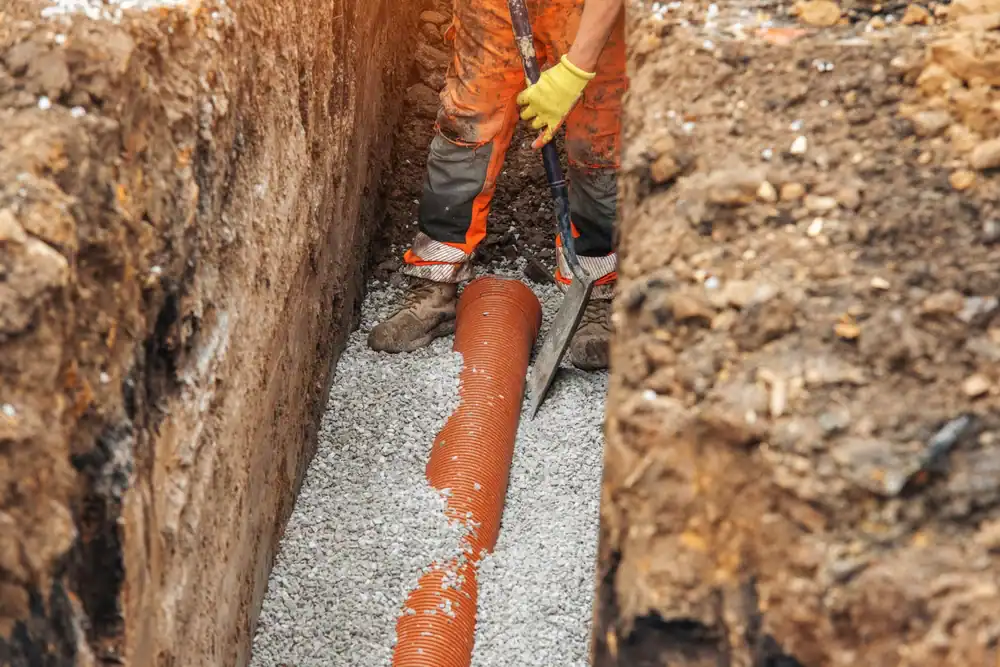
Once we expose the damaged section, we remove it and prep the trench. Then we install new pipe with the correct pitch—at least one degree of slope so wastewater flows by gravity, not pressure. If the pitch is off, you’ll have slow drainage or future clogs even with a brand-new pipe.
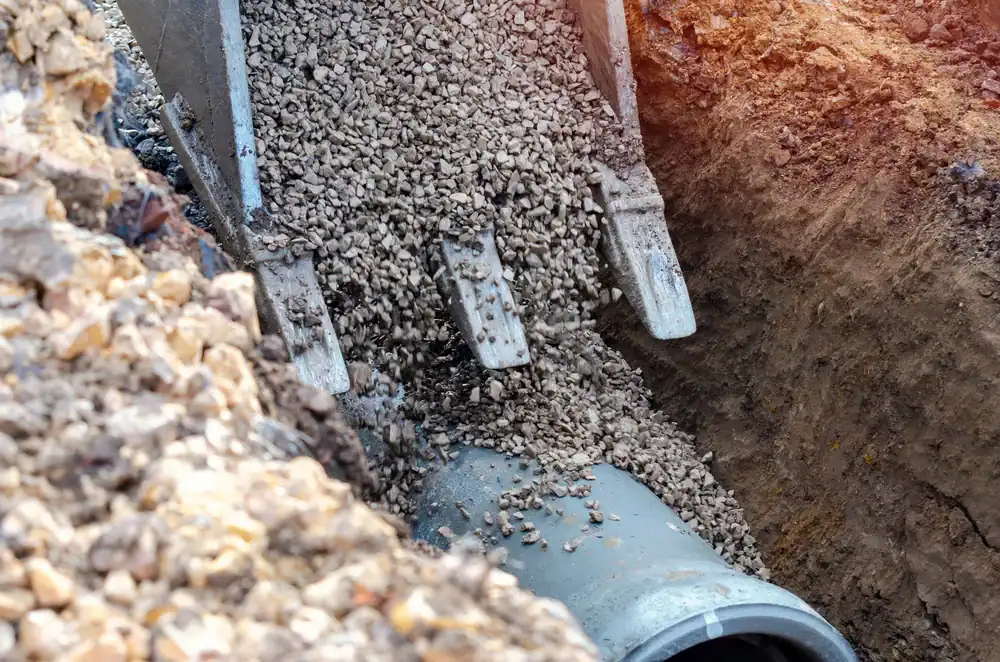
We connect the new section to your existing line and cesspool. Then comes grading, backfilling, and compacting the soil so your yard doesn’t sink later. The whole process usually takes a day, depending on access and how deep we need to go.
You’ll know it’s done right when everything drains fast, stays dry, and doesn’t smell.
Ready to get started?
Line changes in Fort Salonga aren’t just about swapping out a broken pipe. You’re paying for proper excavation depth, correct slope installation, and clean backfill work that won’t settle or shift.
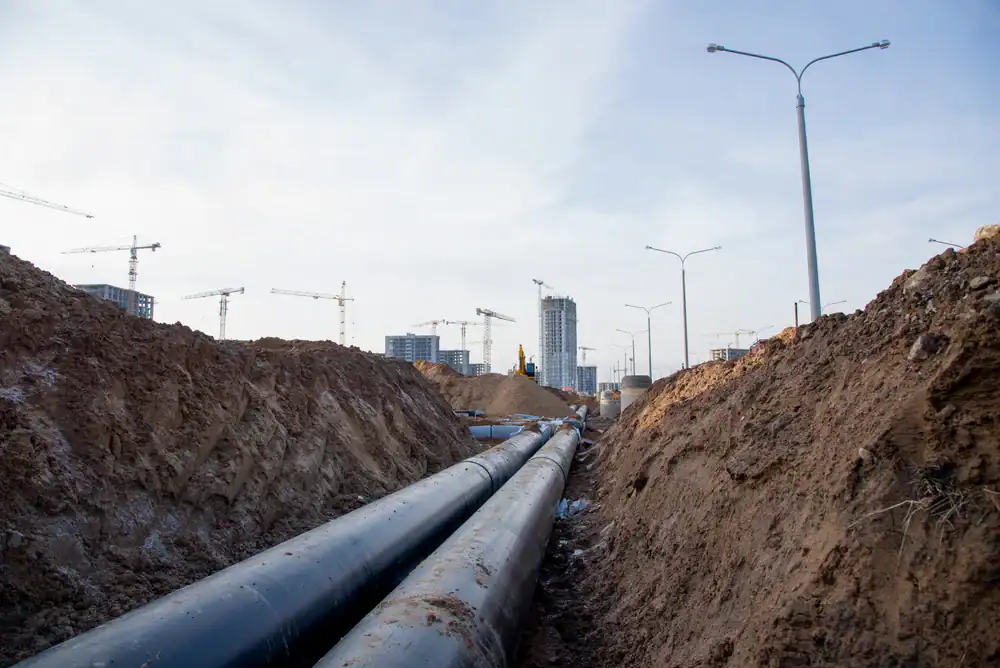
We handle trenching and excavation with equipment sized for residential properties. That means we’re not ripping up your driveway or tearing down fences unless the line runs directly underneath. Most main waste line replacements involve digging a trench from your home’s foundation to the cesspool inlet—anywhere from 20 to 100 feet depending on your property layout.
Suffolk County requires specific setbacks and installation standards, especially with the cesspool regulations that went into effect in 2019. If your system is old enough to have Orangeburg pipe—that tar-paper stuff that collapses after a few decades—you’re likely due for replacement anyway. We see it all the time in Fort Salonga. The pipe looks fine on the outside, but it’s already flattened underground.
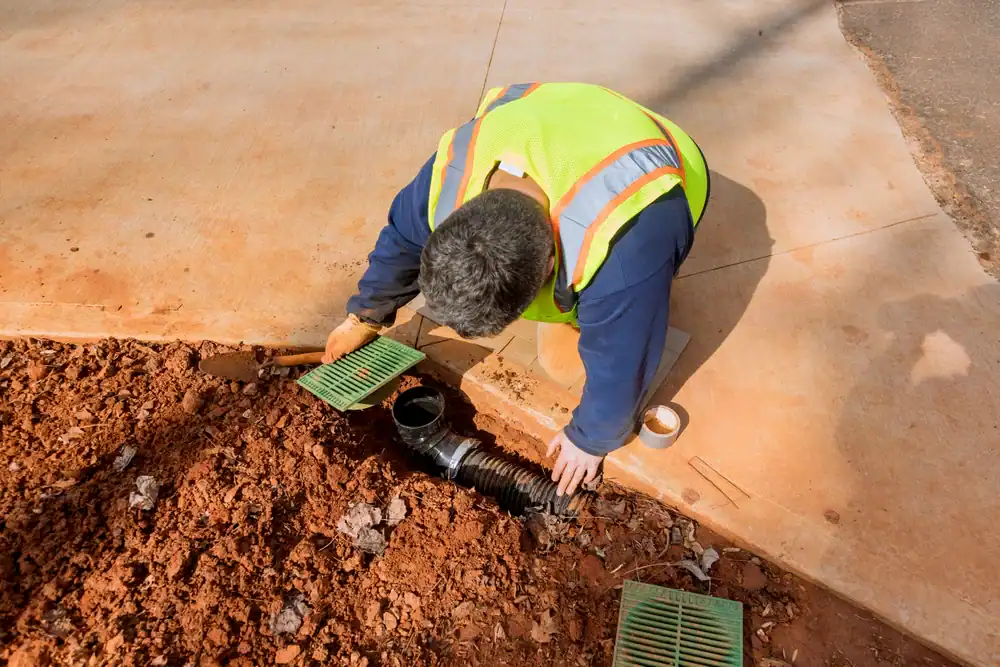
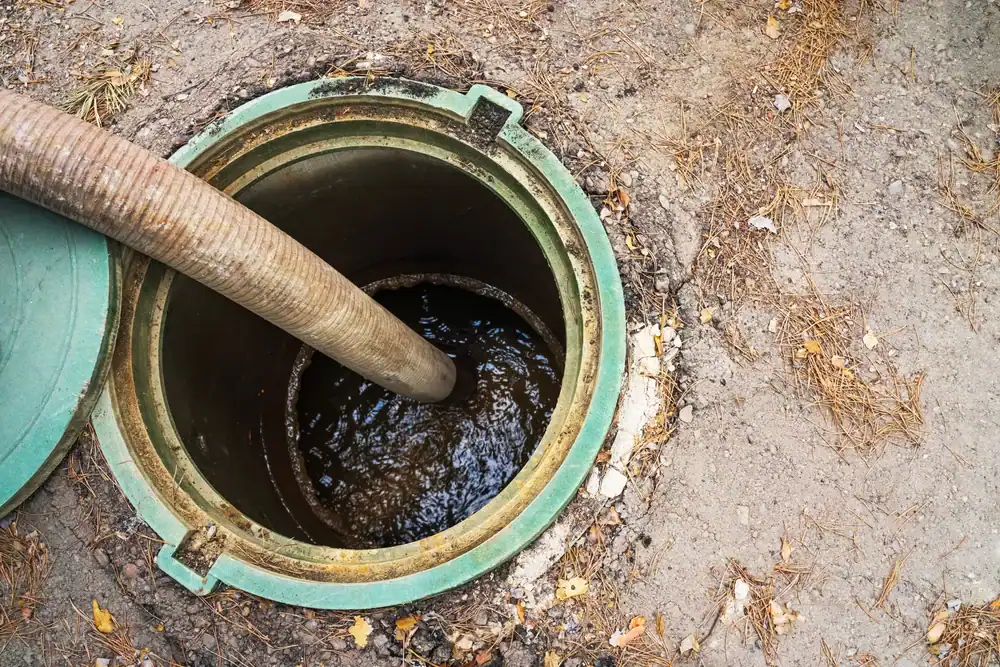
If your toilets back up, your drains are slow, or you’ve got standing water near the cesspool, the problem could be the line or the tank. We can tell you which after a quick inspection.
When the line is the issue, you’ll usually see localized symptoms—like a wet spot along the path between your house and the cesspool, or backups that happen only when you use certain fixtures. If the cesspool itself is failing, you’ll see widespread drainage problems, odors near the tank, or soggy ground directly around the cesspool.
Most Fort Salonga homeowners panic and assume the worst. But in a lot of cases, it’s just a cracked or shifted pipe. That’s a fraction of the cost to fix. We dig down, confirm what’s broken, and give you a straight answer before we do anything else.
Age, soil movement, tree roots, and poor installation. Orangeburg pipe is especially prone to collapse because it’s made from wood pulp and tar—it was never built to last.
In Fort Salonga, you’ve also got sandy coastal soil that shifts with groundwater changes. A pipe installed 30 years ago might’ve had the right slope back then, but settling can throw off the angle. Once the pitch is wrong, wastewater pools in the line instead of flowing through. That leads to clogs, cracks, and eventually a full blockage.
Tree roots are another common culprit. They grow toward moisture, and a small crack in your sewer line is like a magnet. Once they’re in, they expand and break the pipe apart from the inside.
Most line changes run between $500 and $3,000 depending on the length of pipe, depth, and how accessible the line is. If we need to dig under a driveway or through landscaping, that adds to the cost.
A straightforward repair—say, 20 feet of pipe in open yard space—is on the lower end. A longer run with difficult access, or a line that’s buried deeper than standard, will cost more. But even at the high end, you’re still paying a fraction of what a full cesspool replacement would run, which can easily hit $25,000 or more in Suffolk County.
We give you a clear estimate after we assess the situation. No surprises, no upselling. If your cesspool is fine and only the pipe is damaged, that’s all we’ll fix.
Yes. We only excavate the section that’s damaged. If the break is 15 feet from your house, we’re not digging all the way to the cesspool unless we have to.
Our approach is to locate the problem, trench to that spot, make the repair, and backfill. We’re not here to destroy your landscaping or leave your property looking like a construction zone. Most jobs involve a single trench line, and we do our best to work around gardens, walkways, and other features.
Once the new pipe is in and the trench is filled, you can reseed or replant. The soil compacts naturally over a few weeks, and within a month or two, you won’t even know we were there.
Most jobs take one day. We show up, excavate, replace the pipe, backfill, and clean up. Larger or more complicated repairs might stretch into a second day, but that’s rare.
The timeline depends on how deep the line is buried and whether we hit any obstacles—like ledge rock, unexpected groundwater, or utility lines. In Fort Salonga, we occasionally run into higher water tables near the coast, which can slow things down slightly. But we come prepared with pumps and the right equipment to handle it.
You’ll have full use of your plumbing again as soon as the connection is complete and tested. No waiting, no multi-week projects. We know you need your system working, so we move fast without cutting corners.
It depends on the scope of work. If we’re only replacing a section of pipe and not altering the cesspool or installing a new system, most towns don’t require a permit. But Suffolk County has specific regulations, especially after the 2019 cesspool law changes.
If your repair involves any work on the cesspool itself—like raising the cover, replacing the lid, or making structural changes—you’ll likely need a permit and possibly an inspection. We handle that process if it applies to your job.
The bigger issue is compliance. If your system is old and you’re doing any major work, the county may require you to bring the whole setup up to current standards. That could mean converting from a cesspool to a septic system, which is a much larger project. We’ll let you know upfront if that’s the case so there are no surprises later.
Other Services we provide in Fort Salonga