
Hear from Our Customers
You flush without wondering if something’s about to back up. You run the washing machine without crossing your fingers. Your yard isn’t soggy in spots it shouldn’t be.
That’s what happens when your sewer line to cesspool connection is installed with the right pitch and proper materials. No more slow drains that get slower. No more calling someone out every few months because the temporary fix didn’t hold.
Glen Head’s clay soil doesn’t forgive bad installation. Water doesn’t drain through clay the way it does through sand or loam. When your waste line isn’t sloped correctly or the trenching wasn’t done to proper depth, you’ll know within months—sometimes weeks. Backups happen faster here. Surface contamination shows up quicker.
A proper line change means your system works the way it’s supposed to. Water flows out. Nothing flows back. You stop thinking about your cesspool because it’s doing its job quietly in the background.
We handle line changes across Glen Head and Nassau County. We’re licensed, insured, and we show up when we say we will.
Your neighbors use us because we understand how systems behave in this specific area. We know the soil. We know the regulations. We know what fails and why.
When you call, you’re talking to people who’ve seen every version of pipe failure Long Island can throw at a homeowner. We don’t oversell. We assess what’s actually wrong, explain what needs to happen, and give you a straight answer about cost and timing.
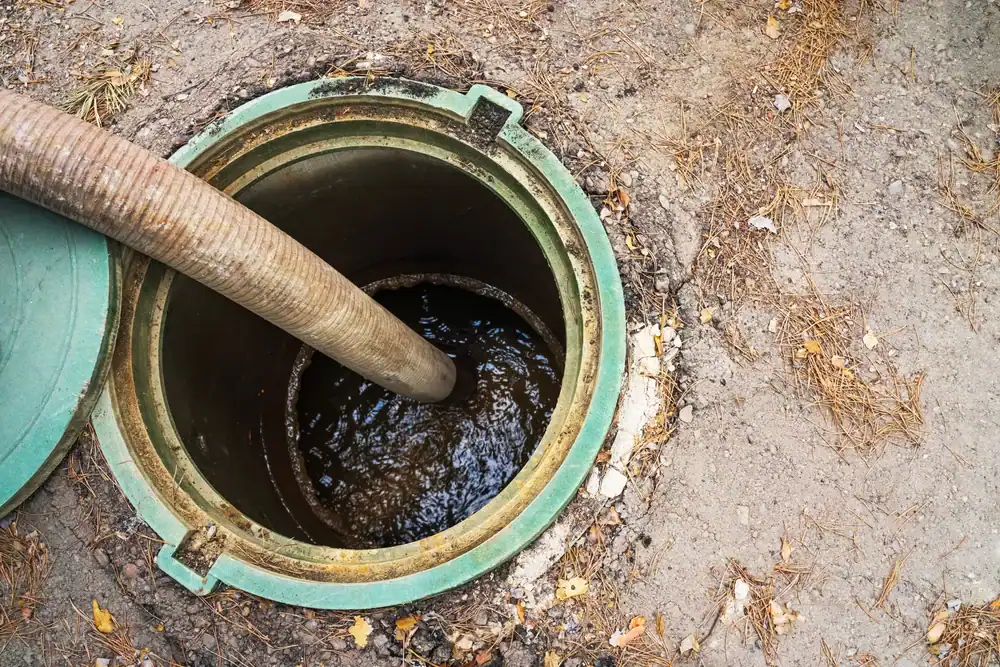
First, we locate your cesspool and map the line path. We use electronic locating equipment, so we’re not guessing where to dig. Then we pull permits—Nassau County requires them for this work, and we handle that process.
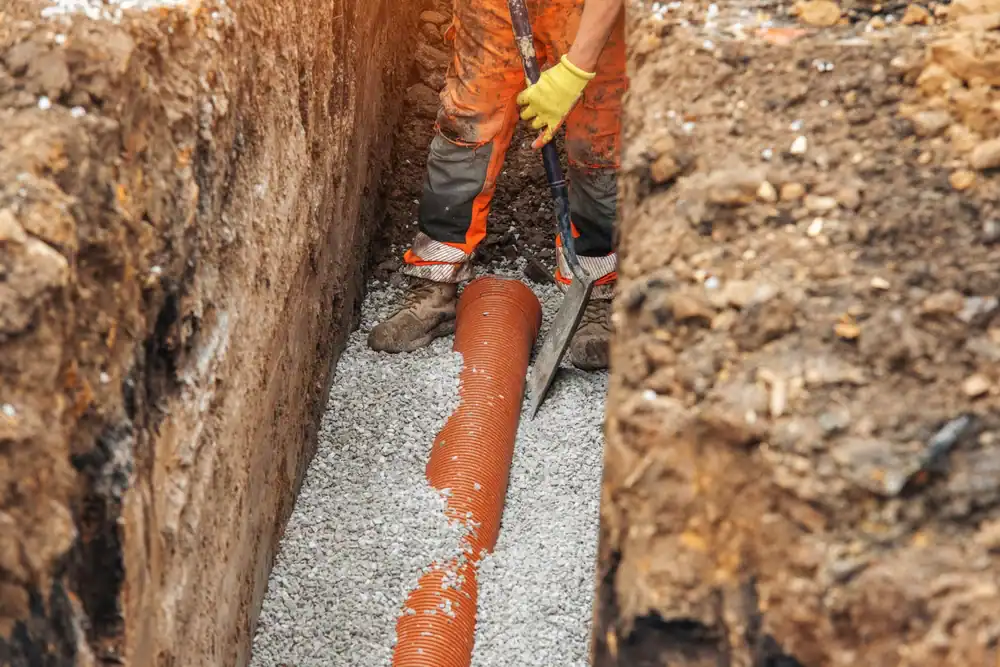
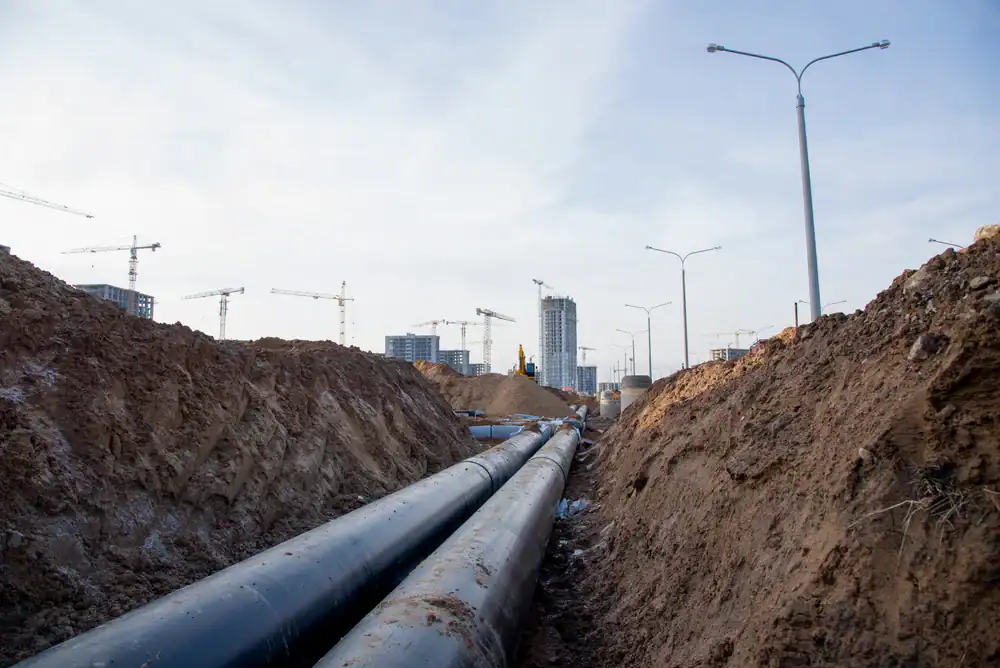
Next comes excavation. We trench to the depth and width needed for proper installation. The new pipe gets laid at the correct slope—at least one degree of pitch so wastewater flows by gravity without pooling. This isn’t negotiable. Wrong slope means future problems.
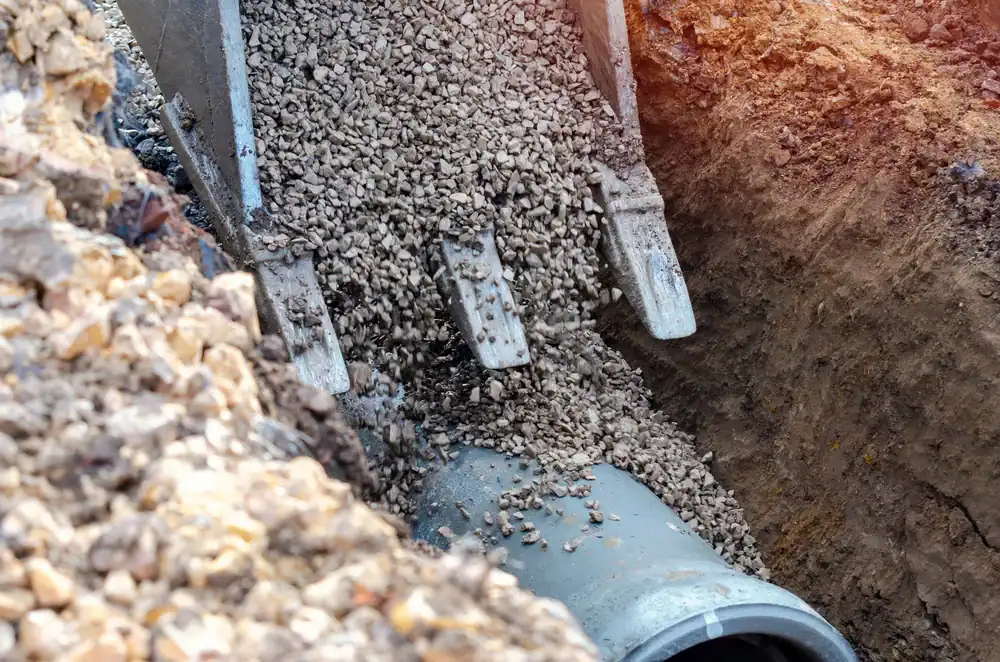
We pack gravel around the pipe for stability and drainage. Some jobs need fabric wrap to keep soil from infiltrating the rock bed over time. Then we backfill, compact, and restore your yard as close to original condition as possible.
Before we leave, we test the connections and verify flow. You’ll know the line works because we run water through it and confirm everything drains properly. No assumptions.
Ready to get started?
You’re getting a main waste line replacement that meets Nassau County code and actually functions in Glen Head’s soil conditions. That means proper trenching depth, correct pipe slope, approved materials, and installation that accounts for how clay soil behaves.
Many Glen Head properties sit on clay-heavy soil that doesn’t absorb water quickly. Your cesspool system depends on proper drainage, and that starts with how your waste line is installed. If the pitch is off even slightly, you’ll deal with slow drainage and eventual backups.
We use materials rated for Long Island conditions—pipes that won’t crack when the ground freezes, connections that stay sealed, and gravel that provides long-term stability. Everything gets inspected before we backfill.
You also get permit handling. Nassau County doesn’t let you dig and install without approval, and the permit process includes documentation of setbacks from property lines and wells. We manage that so you don’t have to figure out the bureaucracy.
If your system qualifies for upgrade grants—some Nassau County homeowners can access up to $20,000 for septic system improvements—we’ll let you know and help you understand the process.
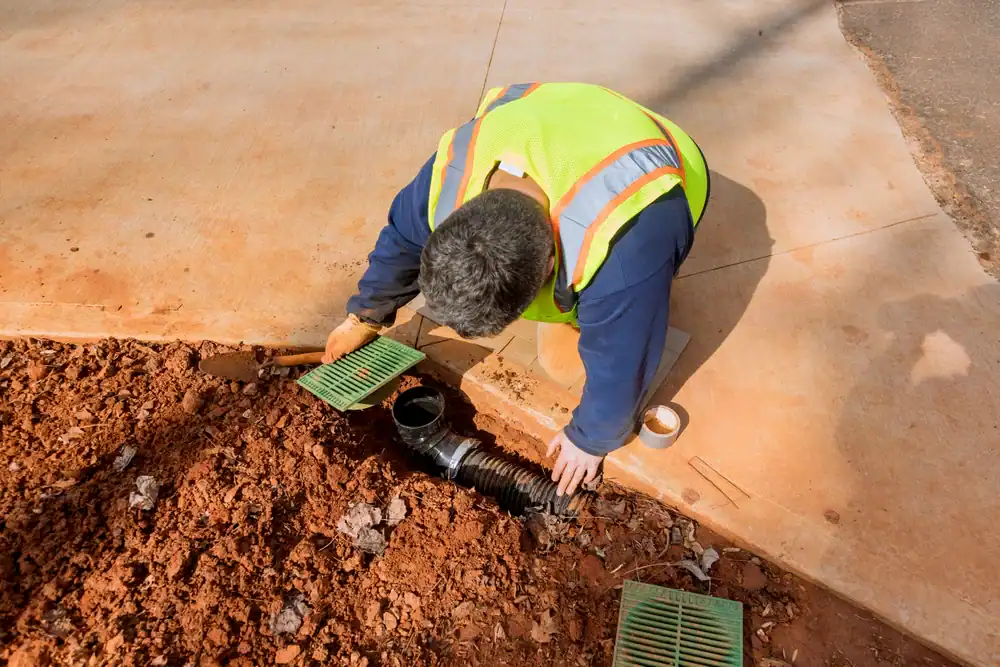
If you’re dealing with repeated backups in the same area, soggy spots in your yard above where the line runs, or slow drainage that doesn’t improve after pumping your cesspool, you’re likely looking at line failure rather than a simple clog.
A camera inspection shows us exactly what’s happening inside the pipe. We can see cracks, root intrusion, collapsed sections, or pipes that have separated at joints. Cast iron and clay pipes—common in older Glen Head homes—eventually corrode or break down. When that happens, patching one spot doesn’t fix the structural problem.
If the pipe has failed in multiple places or the material itself is deteriorating, replacement makes more sense than ongoing repairs. We’ll show you what the camera reveals and explain whether a repair will actually hold or if you’re throwing money at a temporary fix.
Nassau County requires permits for cesspool line work, and the process includes submitting site plans that show your property boundaries, the location of your cesspool, and setback distances from wells and property lines.
The health department reviews applications to confirm your new line meets code—proper depth, approved materials, correct distances from water sources. Permit costs typically run $200 to $500 depending on scope of work.
We handle the permit application as part of the job. You’ll need to sign off on the paperwork, but we manage the submissions, communicate with the county, and make sure inspections happen when required. The permit process usually takes one to two weeks, and we don’t start digging until approval comes through. Skipping permits isn’t worth the risk—if the county finds unpermitted work, you can face fines and be required to dig everything up for inspection.
Once permits are in hand, the physical work typically takes one to three days depending on distance, soil conditions, and obstacles we encounter underground.
Locating and mapping your line happens first—usually a few hours. Excavation and trenching take the bulk of the time, especially if we’re working around landscaping, driveways, or other structures. Installing the new pipe, setting the slope, packing gravel, and backfilling usually wraps up in a day for straightforward jobs.
Complex situations take longer. If we hit rock, need to work around tree roots, or discover your cesspool is in worse shape than expected, that adds time. We’ll tell you if we run into complications and what it means for timeline and cost. Weather matters too—heavy rain turns clay soil into a muddy mess that’s difficult to work with and doesn’t compact properly. We’d rather delay a day than backfill over unstable ground.
Gravity moves wastewater from your house to your cesspool. If the pipe isn’t sloped correctly, water doesn’t flow—it sits in the line, solids settle out, and you get blockages.
The minimum slope is one degree of pitch, which translates to about one inch of drop for every eight feet of pipe. Too flat and wastewater pools. Too steep and water rushes through but leaves solids behind, which eventually clog the line.
Glen Head’s clay soil makes proper slope even more critical. Clay doesn’t absorb water quickly, so if your line leaks or overflows because of poor pitch, you’ll see surface contamination faster than you would in sandy soil. Standing water in your yard isn’t just unpleasant—it’s a health hazard and a red flag for the county if they catch wind of it. Getting the slope right during installation prevents these problems entirely. It’s not something you can easily fix later without digging everything up again.
Legally, no. Nassau County requires licensed contractors for cesspool work, and permits won’t be issued to homeowners for this type of installation.
There’s also the practical side. Locating your cesspool without the right equipment means digging exploratory holes until you find it. Trenching to proper depth and slope without a transit or laser level means guessing. Using the wrong pipe material or backfill means future failure.
If you install without permits and something goes wrong—backup into your house, contamination of your yard, issues discovered during a property sale—you’re looking at fines, mandatory removal of unpermitted work, and potential liability if neighbors or the county get involved. The cost of doing it right the first time is less than the cost of fixing a failed DIY job plus penalties. We’ve been called to replace lines that homeowners or unlicensed contractors installed incorrectly. It’s expensive to dig up and redo work that should’ve been done properly from the start.
We stop and talk to you before proceeding with anything beyond the original scope. If we uncover a damaged cesspool, collapsed distribution box, or other issues that weren’t visible before excavation, you need to know what we found and what it means.
Sometimes the cesspool itself is cracked or failing. Sometimes tree roots have infiltrated more than just the main line. Sometimes we find old, abandoned pipes that were never properly removed.
We’ll explain what we’re looking at, what needs to happen to fix it, and what it costs. You decide whether to address it now while everything’s already excavated or handle it later. Often it makes sense to fix related problems while we’re already on site with equipment—mobilizing a crew and excavator twice costs more than handling everything in one visit. But that’s your call. We’re not going to surprise you with extra charges for work you didn’t approve.
Other Services we provide in Glen Head