
Hear from Our Customers
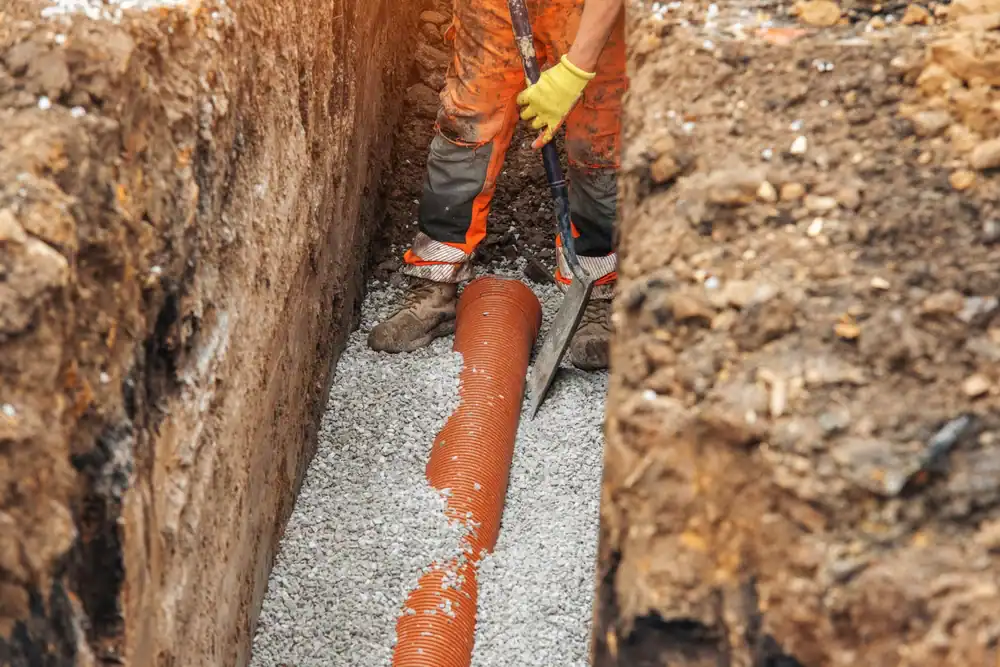
You stop worrying about backups every time someone flushes. Your drains clear the way they should. No more slow toilets, no more standing water in the yard, no more calling a plumber every few months because the same problem keeps coming back.
A proper line change means your waste moves from the house to the cesspool without fighting gravity, without pooling in low spots, and without creating pressure that forces sewage back into your home. That’s what correct pipe pitch and slope actually do—they let physics handle the work so you don’t have to think about it.
When the job’s done right, you’re not just fixing today’s problem. You’re eliminating the conditions that caused it, which means fewer emergency calls, less property damage, and a system that functions the way it was supposed to from the start.
We’ve been handling cesspool and sewer line work in Halesite for nearly two decades. We’re a family business—four generations deep—and we’ve seen just about every configuration, failure point, and soil condition Long Island can throw at a waste system.
Most properties in Halesite weren’t built with modern codes in mind. That means older pipe materials, questionable slope, and connections that were never inspected. We’ve worked on homes near the harbor, properties along New York Avenue, and commercial buildings throughout the area. We know what fails here and why.
Licensed, insured, and available 24/7. When your line goes, we respond fast—and we bring the equipment to do it right.
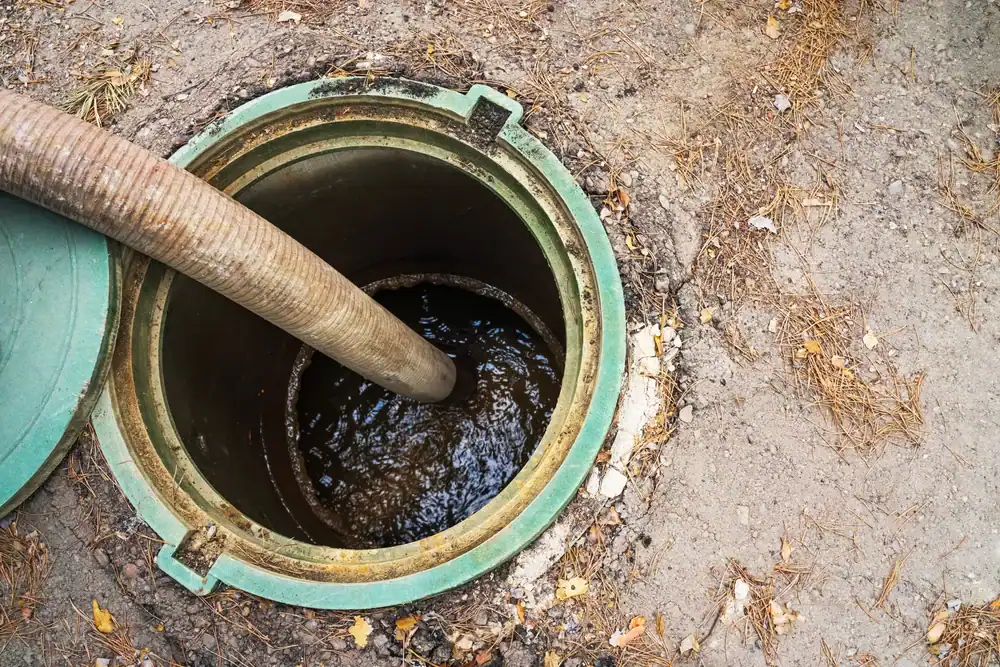
First, we locate the problem. That might mean a camera inspection to see where the pipe collapsed, where roots broke through, or where the slope failed. Once we know what we’re dealing with, we map the route from your house to the cesspool and plan the excavation.
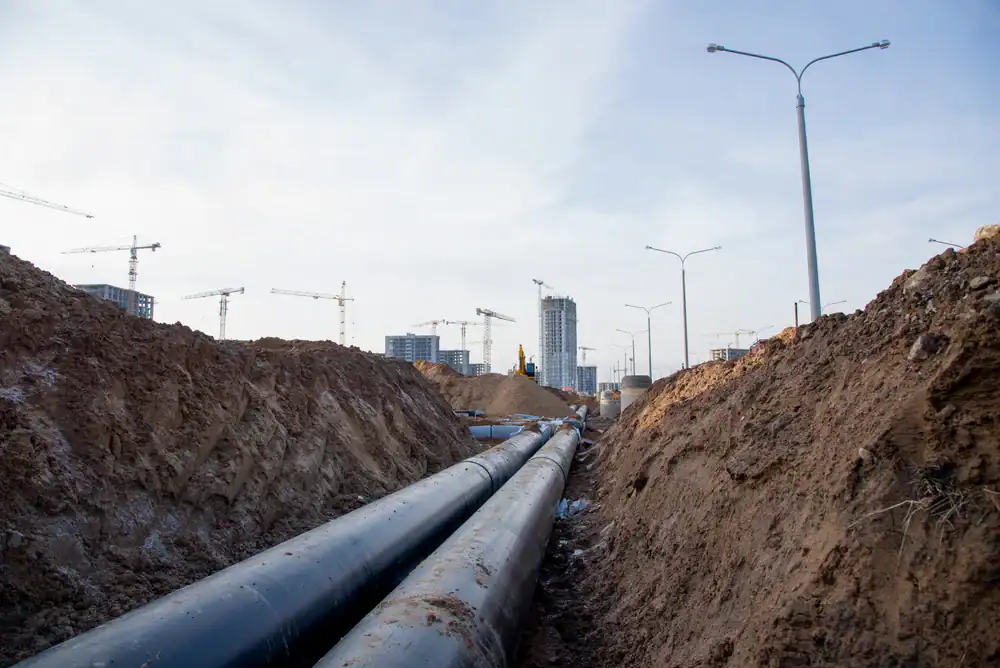
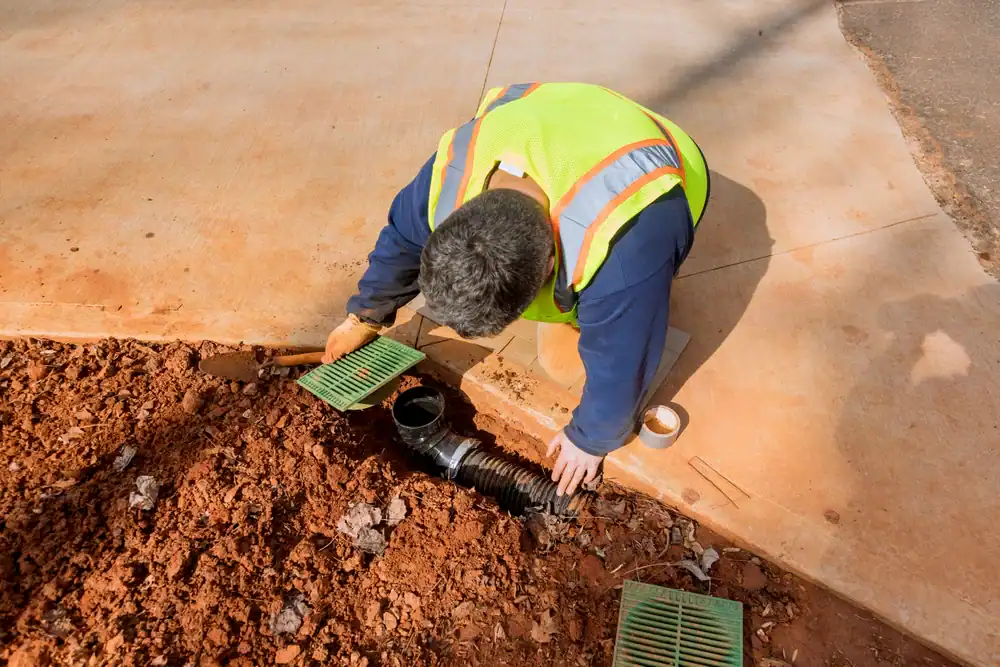
Trenching and excavation come next. We dig down to expose the damaged line, remove the old pipe, and prep the trench for new installation. Depending on your property, that could mean working around landscaping, driveways, or existing utilities. We coordinate with local permitting when required and make sure the trench is deep enough to protect the new line.
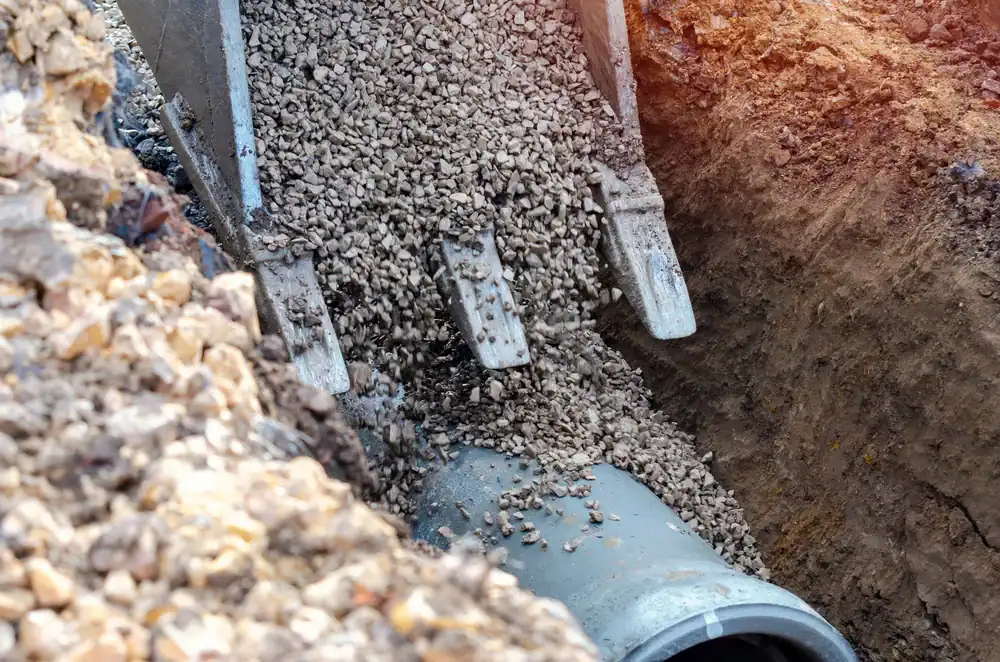
Then we install the new pipe with the correct pitch. This is where most companies cut corners. If the slope isn’t right, waste won’t flow properly—and you’ll be back to square one in a year or two. We set the grade, connect the line to your cesspool, backfill the trench, and test the system before we leave. You’ll know it works because we’ll show you.
Ready to get started?
You get a full assessment of your existing system, including the condition of your cesspool, the integrity of your current line, and any code issues that need addressing. We pull permits if your town requires them—Halesite properties often fall under Huntington jurisdiction, and we handle that process so you don’t have to.
The work itself includes excavation, old pipe removal, new pipe installation with proper slope, connection to your cesspool, backfill, and site cleanup. We use schedule 40 PVC or other approved materials depending on your system and soil conditions. If we find additional issues—like a failing cesspool or a saturated leach field—we’ll tell you before we start, not after.
Most line changes in Halesite take one to two days depending on distance and access. We work efficiently, but we don’t rush the grade. A few extra hours getting the pitch right saves you thousands down the road. That’s the difference between a repair and a real fix.
If your line is cracked, sagging, or offset at the joints, a repair might hold for a while—but it’s usually temporary. Most older pipes in Halesite are cast iron or clay, and once they start failing, the problem spreads. You’ll fix one section, then another fails six months later.
A line change makes sense when the pipe material is deteriorated, when you’re dealing with recurring backups, or when the slope was never right to begin with. If a camera inspection shows multiple failure points or if the pipe has shifted due to settling soil, replacing the whole run is the smarter move. You’re not just patching—you’re installing a system that’ll last another 30 to 50 years.
We’ll walk you through what we find and give you the honest call. Sometimes a spot repair buys you time. Other times, it’s throwing money at a losing setup.
Age is the biggest factor. Cast iron corrodes from the inside out. Clay cracks when the ground shifts or tree roots apply pressure. Even older PVC can fail if it wasn’t installed with the right bedding or if heavy equipment drove over it before the trench was properly compacted.
Tree roots are another common culprit, especially on properties with mature oaks or willows. Roots seek out moisture, and even a hairline crack in your sewer line is an invitation. Once they’re inside, they expand and break the pipe apart. You’ll notice slow drains, gurgling sounds, or wet spots in the yard before it fully blocks.
Poor slope is a silent killer. If your line doesn’t drop at least 1/4 inch per foot, waste doesn’t flow—it sits. Over time, solids build up, the pipe clogs, and pressure forces sewage back toward your house. Fixing that requires regrading the entire run, which is effectively a full line change.
That depends on where your cesspool is and how your property is laid out. Most Halesite homes have cesspools in the side or back yard, anywhere from 10 to 50 feet from the house. We trench along the most direct route that avoids major obstacles like mature trees, utility lines, or structures.
The trench itself is typically 18 to 36 inches wide and deep enough to get below the frost line and maintain proper slope—usually 3 to 5 feet depending on your setup. We try to minimize disruption, but we’re not going to compromise the grade just to save a few square feet of lawn. A straight, properly sloped line is worth more than a patch of grass.
After backfill, we’ll rake and level the area. Grass grows back. Most homeowners reseed or lay sod, and within a season, you can’t tell we were there. If we need to cross a driveway or patio, we’ll cut and repatch—but we’ll talk through that before we start.
Yes, but it might require adjusting the entry point on the cesspool or installing a new inlet. Older cesspools weren’t always built with the house layout in mind, and over the years, additions or renovations can change where the waste line exits your foundation. If the angle’s off, we’ll reroute the line or modify the cesspool connection to make it work.
The key is maintaining that downward slope all the way to the tank. If we have to curve the line or add a cleanout, we will—but we won’t force a connection that fights gravity. That’s how you end up with chronic backups and standing waste in the pipe.
We’ve handled plenty of properties in Halesite where the original setup made no sense. Sometimes the cesspool’s uphill from the house, which means we’re looking at a pump station. Other times, the inlet’s buried or damaged. We’ll assess your specific situation and give you a plan that actually works long-term.
Most likely, yes. Halesite falls under the Town of Huntington, and they typically require a permit for any work involving sewer lines or cesspools. The permit process includes submitting a site plan, getting approval from the health department, and sometimes arranging an inspection after the work’s complete.
We handle the permit application for you. We know what Huntington wants to see, and we’ve been through the process hundreds of times. Depending on the scope of work, approval can take anywhere from a few days to a couple of weeks. If it’s an emergency and your system’s completely failed, we can often get expedited review.
Skipping the permit isn’t worth it. If you ever sell your property, unpermitted work can kill a deal or force you to redo everything to get a certificate of occupancy. We pull permits on every job that requires one—it’s part of doing it right.
If it’s installed correctly with the right materials and proper slope, you’re looking at 30 to 50 years—possibly longer. Schedule 40 PVC is the standard now, and it doesn’t corrode like cast iron or crack like clay. It’s also root-resistant if the joints are sealed properly.
The lifespan depends on soil conditions, groundwater levels, and whether your property experiences settling or shifting. Halesite’s proximity to the water means some areas have high water tables, which can affect long-term stability. We account for that during installation by using the right bedding material and compacting the trench in lifts.
You won’t need to think about your sewer line again for decades if it’s done right. That’s the point. One proper installation beats five temporary fixes, and it costs less in the long run. We’ve seen homeowners spend more on repeated repairs than they would’ve spent replacing the line once and moving on.
Other Services we provide in Halesite